
Why Your Wedding Photos Should Feel Like a Story, Not a Photoshoot

Most couples don’t set out wanting their wedding to feel like a photoshoot. Yet without realising it, many planning decisions quietly push the day in that direction. Timelines become image-led rather than experience-led. Moments are paused, repeated, or rearranged for the sake of coverage.
This article is about why wedding photographs tend to resonate more deeply when they feel like a story rather than a series of staged scenes. It’s not an argument against beautiful images. It’s an argument for context, continuity, and emotional accuracy — the things that tend to matter more with time.
These observations come from watching couples revisit their photographs years later and noticing which images continue to hold their attention, and which fade into the background.
What does it mean for wedding photos to feel like a story?
A story isn’t a highlight reel.
It has rhythm. It includes quieter moments alongside obvious ones. It acknowledges build-up, release, and aftermath. In photography, storytelling isn’t about drama — it’s about sequence.
When photographs are made with narrative in mind, they reflect:
How the day unfolded
How moments connected to each other
How people moved through space and time
This approach allows the wedding to be remembered as an experience, not just an event.
Why photoshoot-style coverage often feels flat over time
Photoshoots prioritise control.
They focus on individual images rather than relationships between images. Moments are isolated, perfected, and often detached from what came before or after.
While this can produce striking photographs, it often sacrifices continuity. Years later, couples may admire individual images but struggle to remember how the day actually felt.
Story-driven coverage preserves context — and context is what memory relies on.
A story allows space for anticipation and aftermath
Some of the most meaningful photographs happen before and after the obvious moments.
Before the ceremony, there’s anticipation: stillness, nerves, preparation. After, there’s release: relief, interaction, quiet processing.
Photoshoot-driven timelines often compress or eliminate these phases in favour of efficiency. Story-driven photography makes room for them, understanding that emotion doesn’t start and stop on cue.
Why sequence matters more than perfection
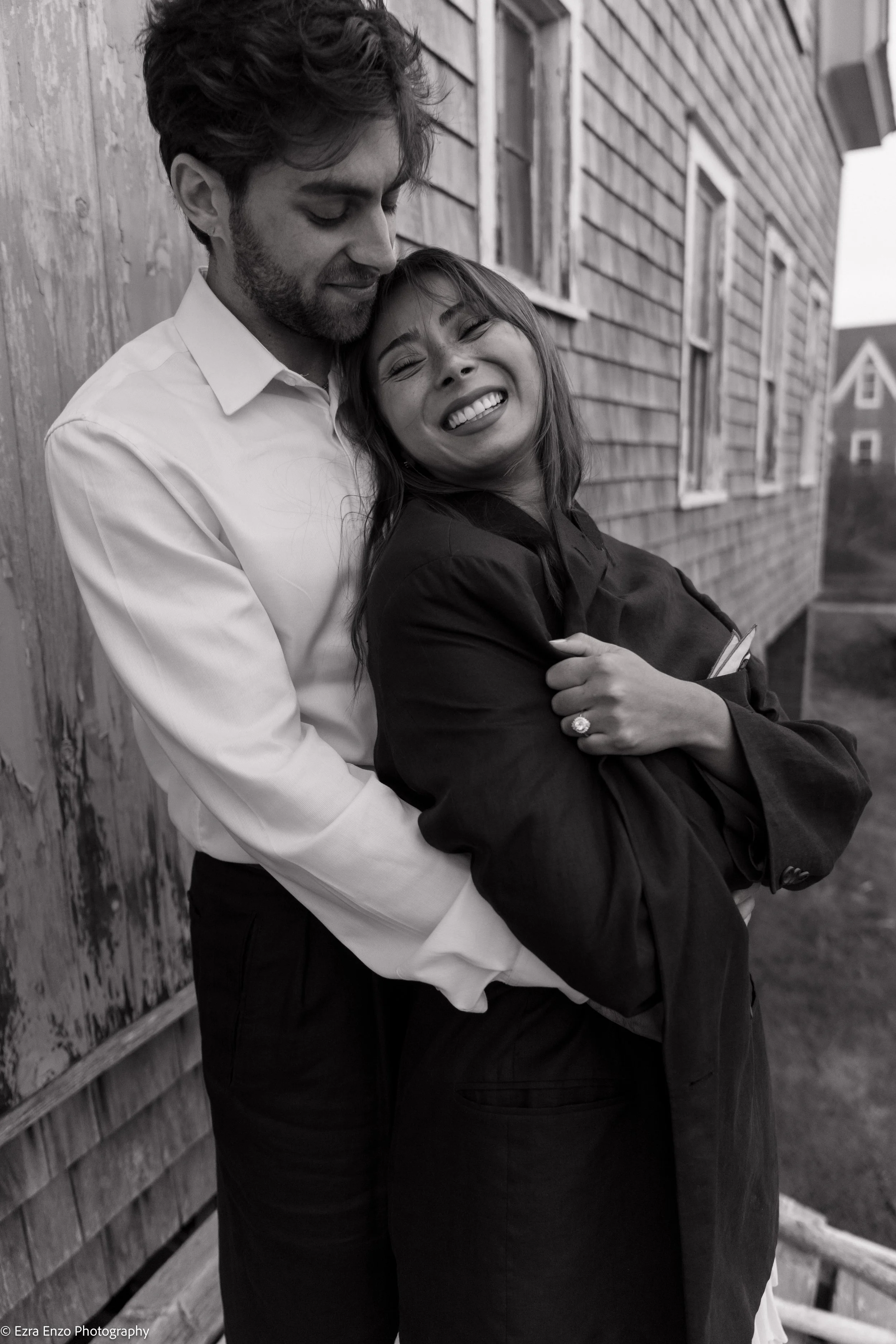
Perfect images don’t necessarily tell the truth.
Sequence does.
A photograph gains meaning from what surrounds it. A look carries more weight if we’ve seen what led to it. A reaction resonates more if we understand what it responds to.
When images are arranged as a narrative rather than a collection, they become easier to revisit — and harder to forget.
How story-driven photography changes the experience of the day
When couples know their photographer is focused on story rather than performance, something shifts.
They stop monitoring themselves. They move more naturally. They allow moments to complete themselves without interruption.
This is particularly noticeable in environments where pacing matters — coastal weddings on Cape Cod, estate weddings in Newport, or city weddings in New York, where transitions and timing shape the day.
A story-led approach supports flow rather than fighting it.
What couples often misunderstand about storytelling in photography
Storytelling doesn’t mean:
Fewer beautiful images
No portraits
Chaos or lack of direction
It means that decisions are made in service of the whole, not just the standout.
Portraits still matter. Details still matter. They simply exist within a wider context rather than being extracted from it.
How documentary photography supports narrative
Documentary photography is particularly well-suited to storytelling because it prioritises observation.
It allows moments to unfold fully. It captures reactions as they happen rather than recreating them. It notices how people relate to each other, not just how they look.
This doesn’t mean the photographer disappears. It means their presence is measured — responsive rather than directive.
Why quieter moments are essential to the story
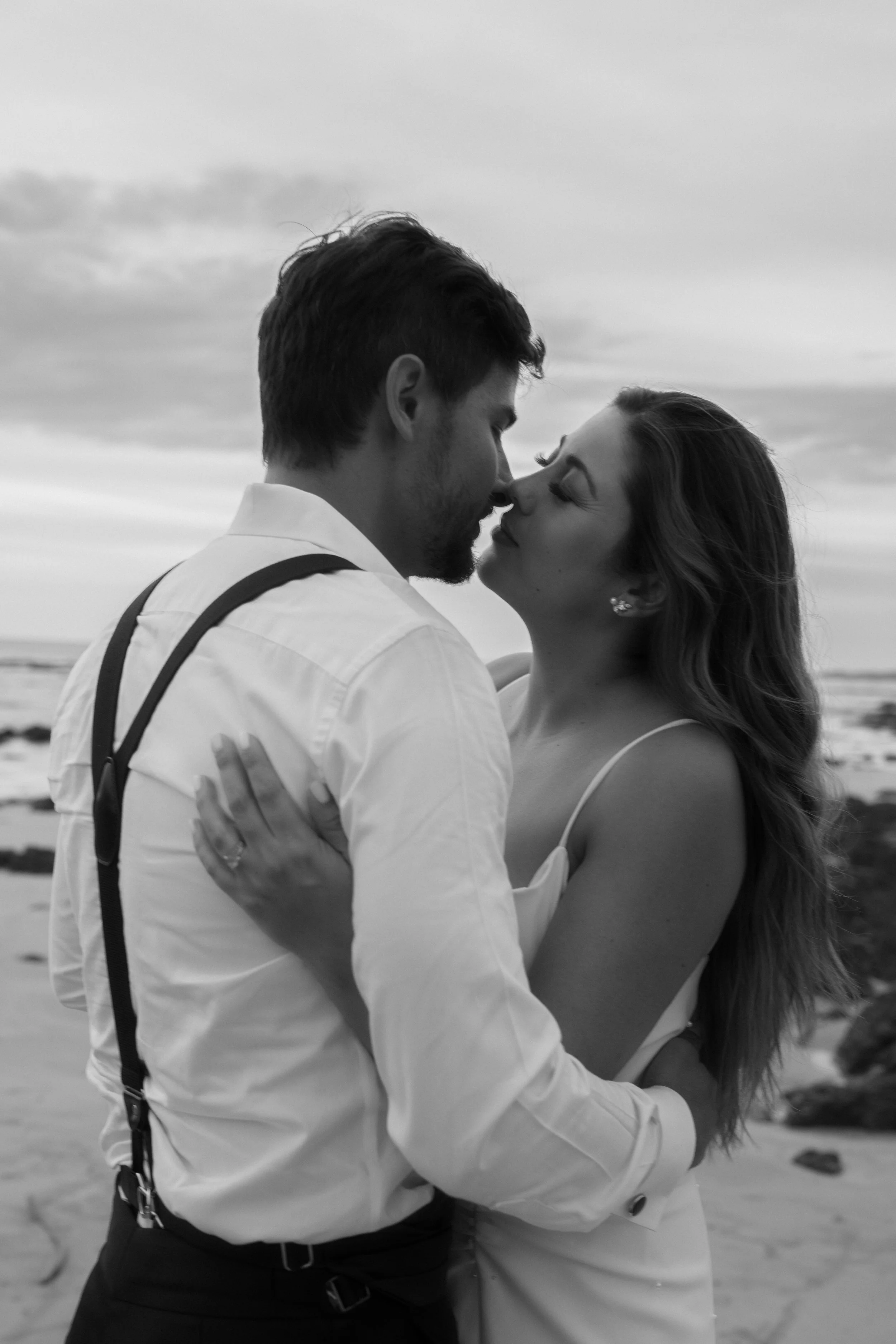
Stories need contrast.
Without quiet, loud moments lose their impact. Without pauses, movement becomes exhausting.
In wedding photography, quiet moments provide balance. They give the eye and mind somewhere to rest. They also tend to carry emotional nuance that louder moments can’t.
Couples rarely request these images explicitly. Yet they’re often the ones returned to most.
How planning choices influence whether photos feel like a story
Several planning decisions have an outsized impact on narrative:
Overloaded timelines: Too many events compress the story.
Long gaps of staged activity: These break continuity.
Multiple disconnected locations: These can fragment the narrative.
Conversely, allowing space — physical and emotional — helps the story breathe.
This is true across New England, where travel time, weather, and daylight often require thoughtful pacing.
The role of the photographer in shaping the story
A story-driven photographer is constantly editing in real time.
They’re deciding:
What to follow
What to leave
When to step in and when to wait
These decisions are rarely visible, but they shape the final narrative profoundly. The goal isn’t to document everything — it’s to document meaning.
Why story-based wedding photos age better
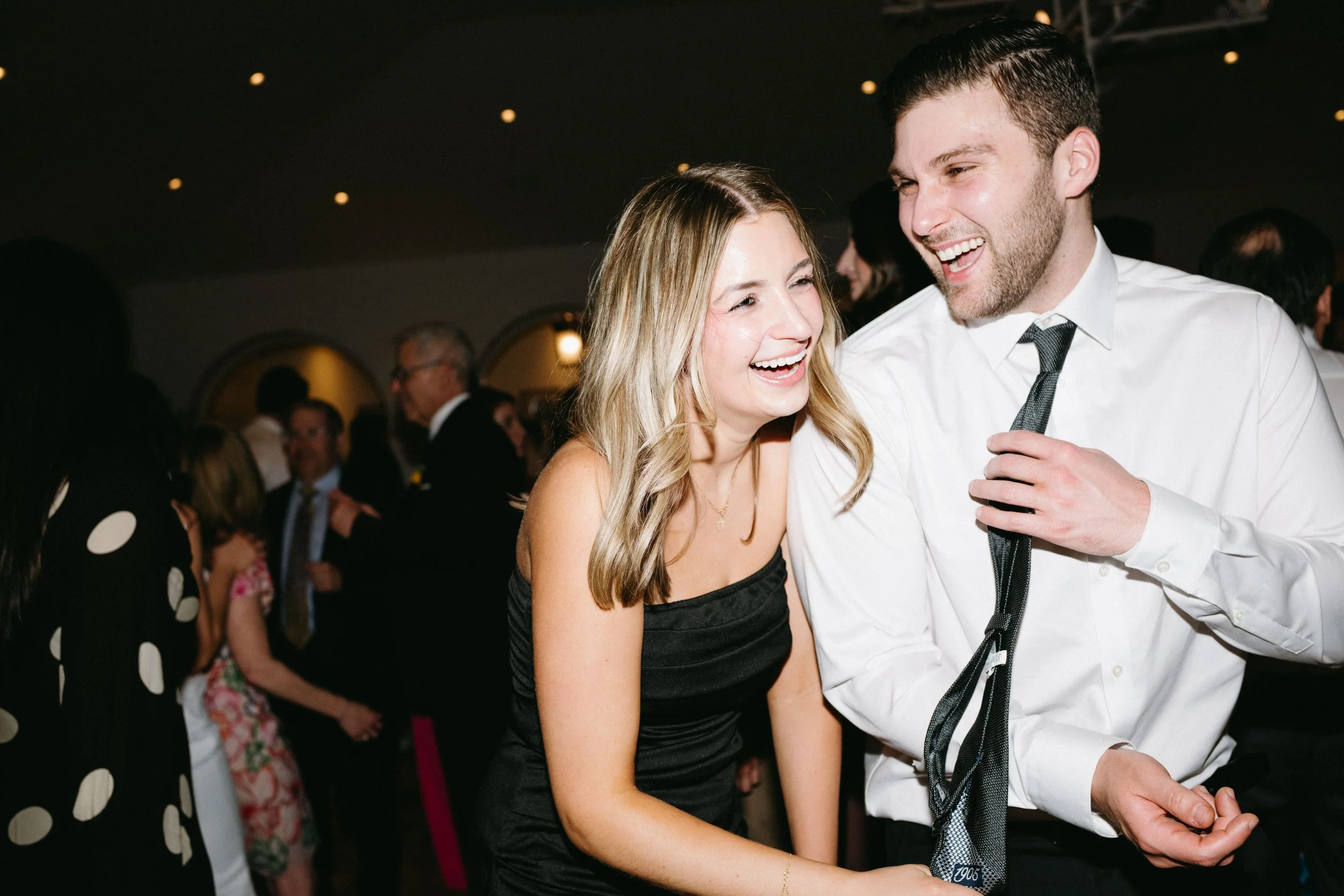
As years pass, details blur.
What remains are impressions: how you felt, who mattered, what changed.
Story-based photographs align with this kind of memory. They don’t demand to be admired. They invite recognition.
This is why couples often find that narrative-driven galleries grow in significance rather than diminishing with time.
How to recognise storytelling in a photographer’s work
Look beyond individual images.
Ask:
Do the galleries feel cohesive?
Can you sense the rhythm of the day?
Are people shown in relationship to one another?
Storytelling reveals itself over many images, not one.
Frequently Asked Questions
Will we still get formal family photos?
Yes. These can exist within a story without dominating it.
Does storytelling mean fewer portraits of us?
Not necessarily. It means portraits are approached as moments of connection rather than performance.
Is story-driven photography less polished?
No. It’s often more restrained, which allows polish to feel intentional rather than forced.
Can storytelling work for large weddings?
Absolutely. Larger weddings often provide richer narratives when handled thoughtfully.
Do we need a specific timeline for story-based photography?
Flexibility helps, but the key is space rather than structure.
A final thought
Your wedding day will move whether or not it’s photographed.
When photography works with that movement rather than interrupting it, the result tends to feel more honest — and more enduring.
Wedding photographs don’t need to impress immediately. They need to hold meaning over time. Stories do that far better than photoshoots ever could.
If you’d like to learn more about my own process as a wedding photographer and hear about different ways in which I help shape wedding days based on feeling instead of just ‘epic photos,’ get in touch with me now—can’t wait to hear from you!