
How New England Light Shapes Wedding Photography: From Cape Cod Sunsets to City Evenings
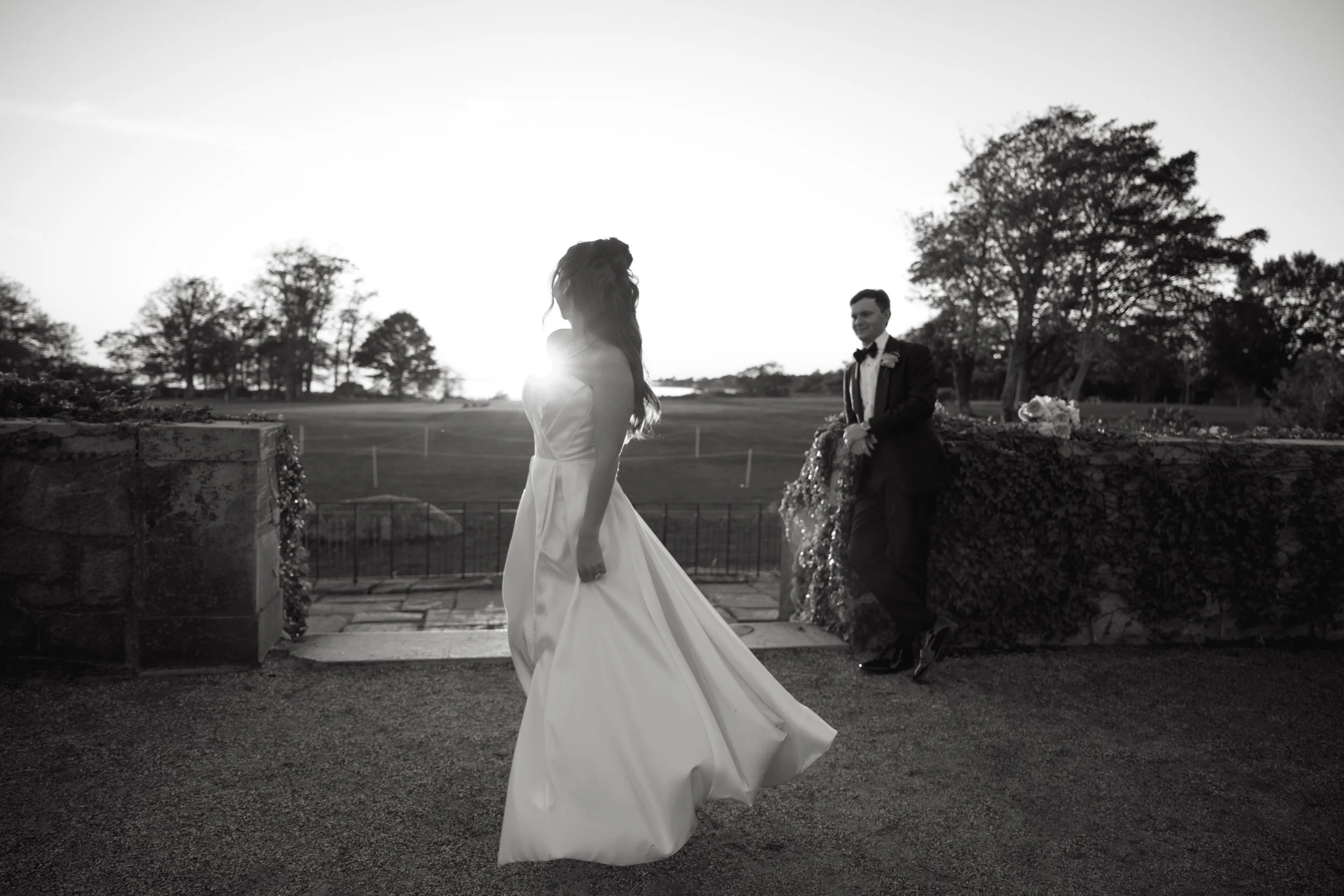
Light is the quiet constant in every wedding photograph. It’s also the variable most couples underestimate — particularly in New England, where light shifts dramatically by season, geography, and even hour.
This article is about how New England light actually behaves, and how it shapes wedding photography from coastal Cape Cod sunsets to urban evenings in Boston or New York. Not in a technical, abstract way, but in practical terms that affect how a wedding day feels, how it unfolds, and how photographs age over time.
Understanding light isn’t about chasing perfection. It’s about planning with realism, intention, and a sense of ease.
Why light matters more than scenery in wedding photography
Scenery sets context. Light sets tone.
Two weddings can take place in the same location and feel entirely different depending on how light moves through the day. In New England, this difference is especially pronounced because light is rarely static. It shifts with weather, season, and proximity to water or buildings.
What light determines:
Mood and atmosphere
Skin tone and texture
Whether moments feel open or enclosed
How calm or hurried a timeline feels
When couples understand light, they tend to make decisions that support the experience rather than fight it.
New England light is defined by contrast
One of the defining characteristics of New England light is contrast.
Bright summer sun can turn quickly to coastal fog. Winter light can be crisp and directional one moment, then vanish behind cloud cover the next. Urban environments introduce reflections and shadows that behave differently from open landscapes.
This variability is what gives New England photography its depth — and what requires thoughtful planning.
Cape Cod: soft horizons and reflective light
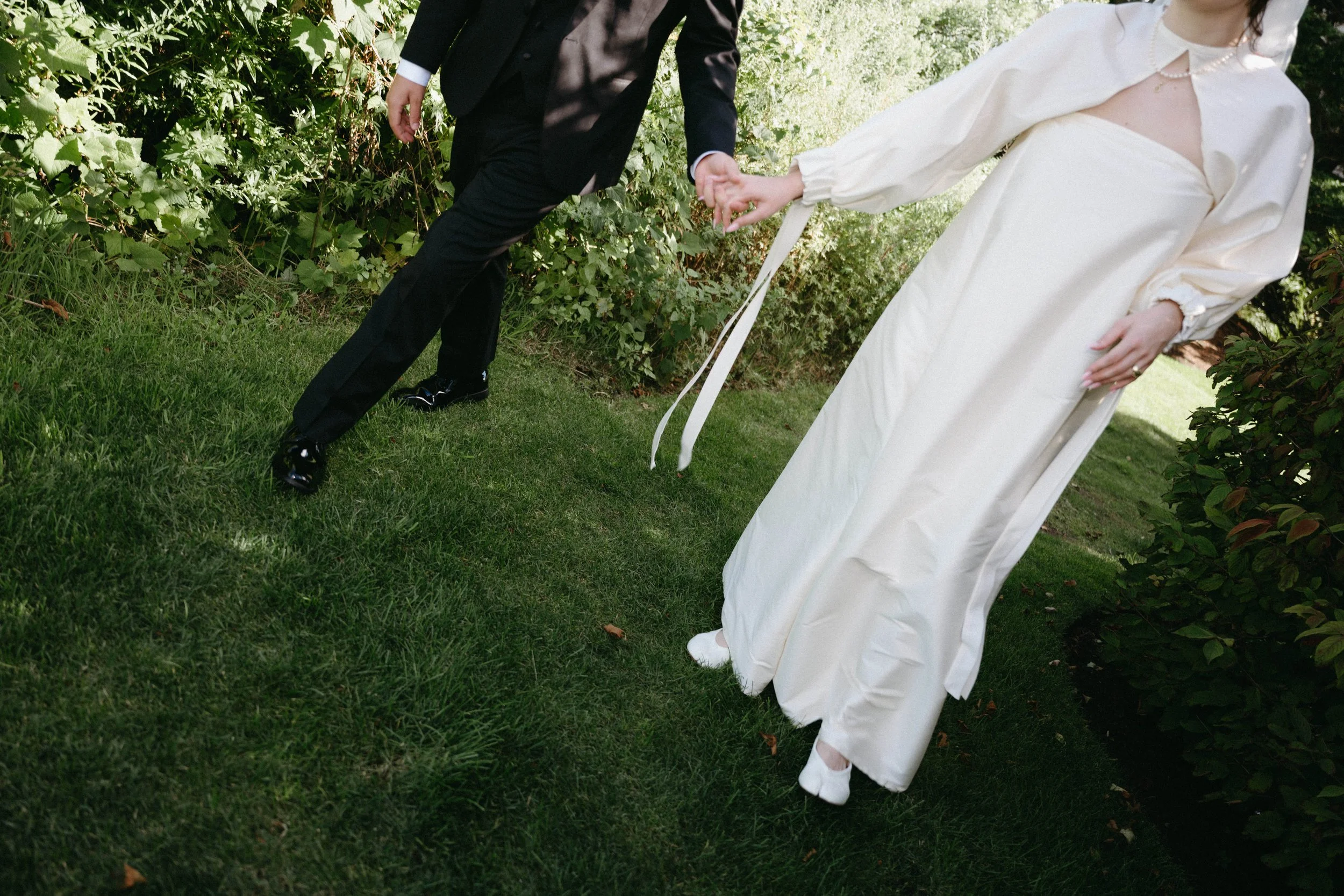
Cape Cod light behaves differently from almost anywhere else in the region.
Water acts as a natural reflector, softening shadows and extending usable light later into the evening. Even on overcast days, coastal light tends to feel open rather than flat.
What Cape Cod light does well
Gentle transitions between light and shadow
Even illumination during golden hour
A sense of visual calm
Sunsets on the Cape are often less dramatic than in mountainous regions, but more consistent. This makes them particularly forgiving for portraits and candid moments alike.
What couples often misunderstand about Cape light
Many couples assume Cape Cod is always bright and airy. In reality, fog and wind can shift light quickly.
The strongest Cape Cod weddings plan for flexibility — indoor spaces with good windows, timelines that don’t hinge on a single moment of sun, and an acceptance that softness, not spectacle, is the strength here.
Rhode Island and Newport: architectural light and control

Newport and much of coastal Rhode Island offer a different relationship with light.
Here, architecture plays a significant role. Historic estates, stone buildings, and formal gardens create framed light — light that enters through windows, doorways, and defined spaces.
How this shapes photography
Light feels intentional and directional
Interiors often hold visual weight even in poor weather
Images tend to feel composed rather than expansive
This makes Newport particularly reliable for weddings where predictability matters. Light may be more controlled, but it’s also more consistent.
Connecticut and inland New England: variable and textured
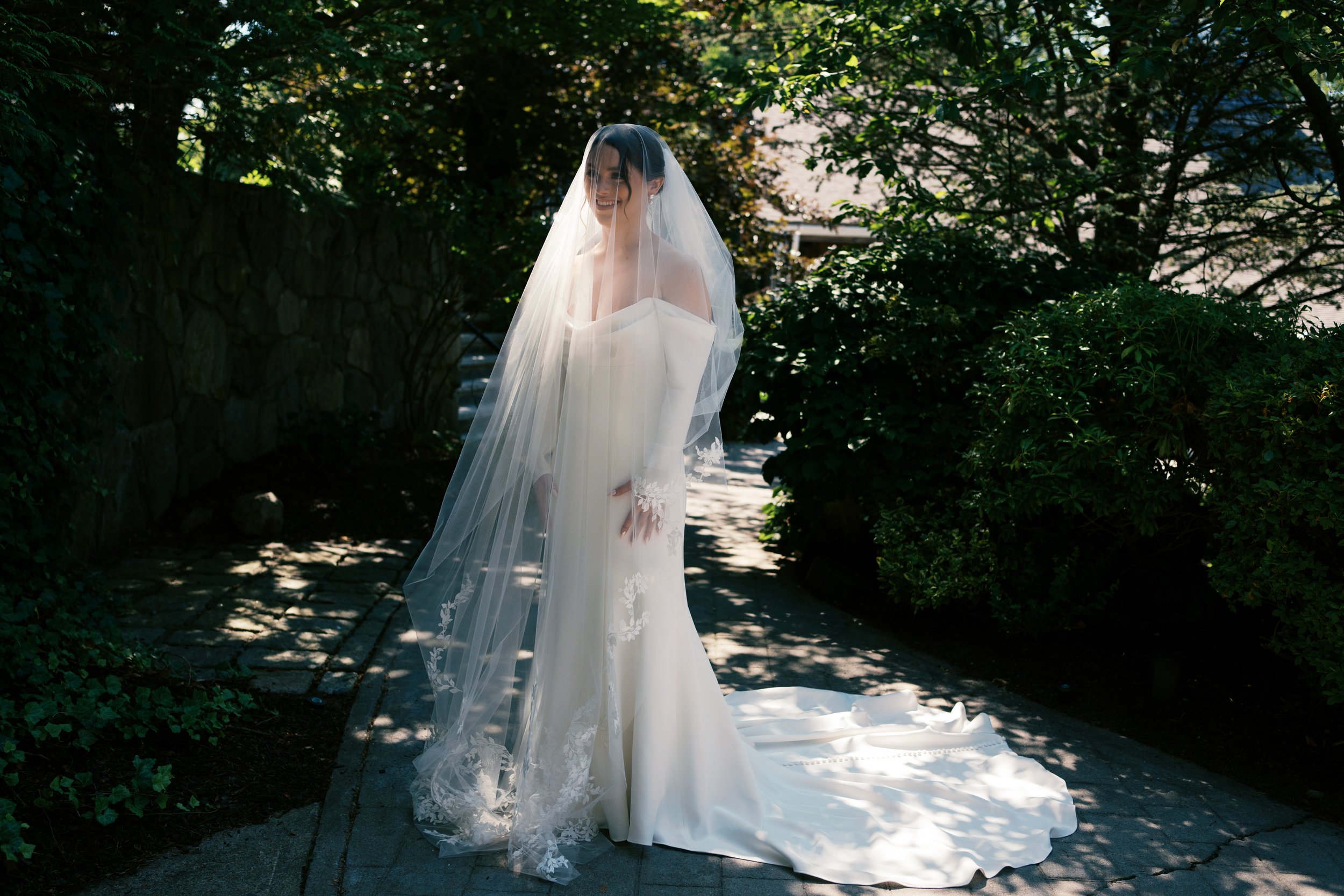
Move inland and light becomes more changeable.
Trees, terrain, and weather patterns create pockets of shade and bursts of sun. In autumn, light is filtered through foliage; in winter, it becomes sharper and more exposed.
What this means in practice
Portrait locations matter more
Timelines need buffer room
Indoor light quality becomes critical
Connecticut and inland venues reward couples who think beyond outdoor ceremony spaces and consider how interiors will photograph when conditions shift.
City light: Boston and New York evenings
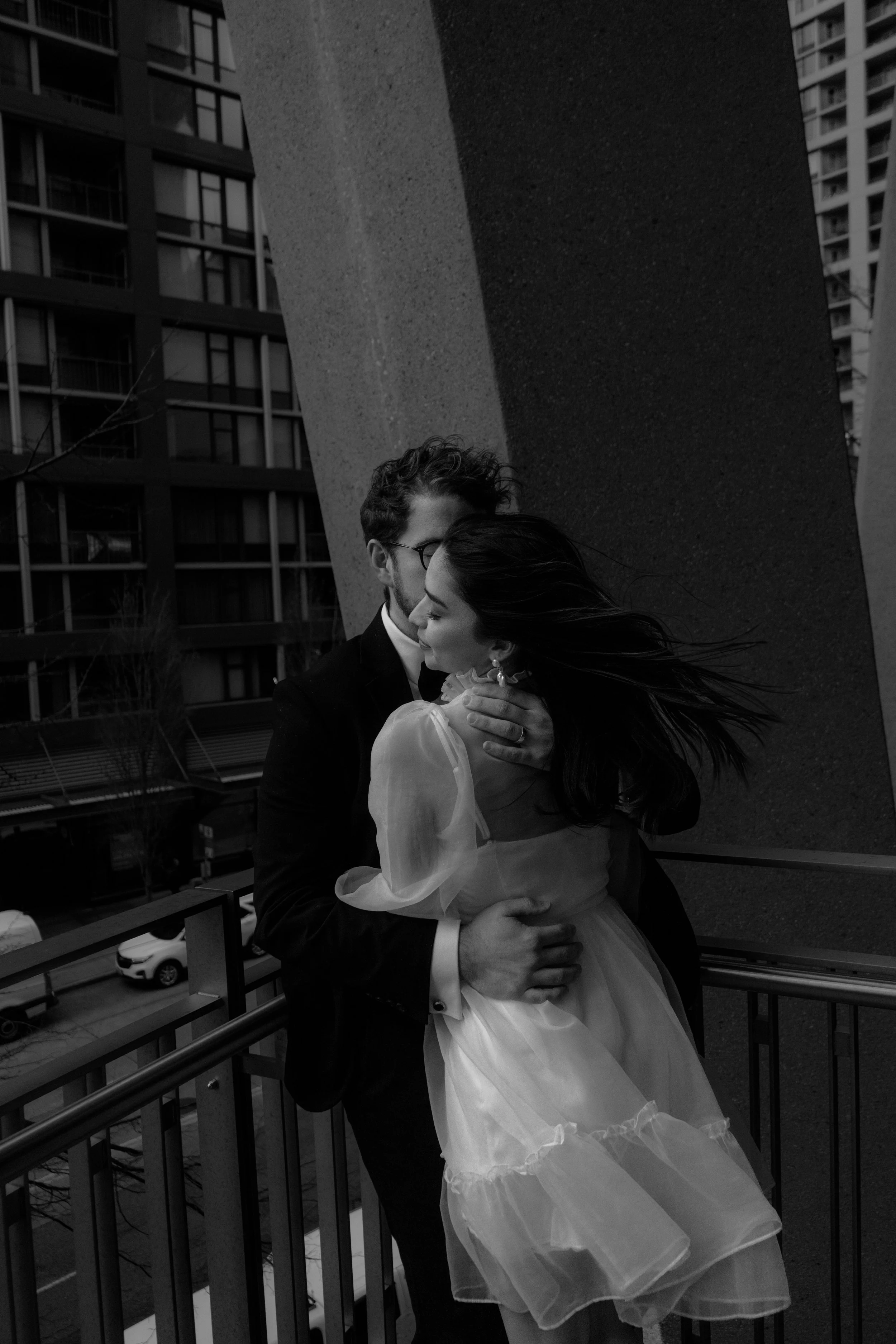
Urban light behaves differently again.
In cities like Boston and New York, light is shaped by buildings, reflections, and artificial sources. Evenings arrive faster, but they don’t necessarily end photographic opportunity.
What city light offers
Reflected light from glass and stone
Visual density and contrast
A sense of immediacy and energy
City weddings often transition earlier into artificial light, which changes the tone of images. When handled thoughtfully, this creates photographs that feel layered rather than rushed.
Common misconceptions about city light
Couples sometimes worry that city weddings lack “beautiful light.” In reality, city light is less forgiving but more expressive. It rewards photographers who know how to work quickly and adaptively.
Seasonal shifts: how light changes throughout the year

Season affects not just colour and weather, but the shape of the day itself.
Spring: diffused and uncertain
Spring light is often soft but unpredictable. Overcast skies are common, which can be flattering for photography but challenging for planning.
Spring weddings benefit from:
Venues with strong interiors
Flexible portrait timing
Lower expectations around landscape
Summer: long days, strong sun
Summer offers the most light, but also the harshest conditions.
Midday sun can create deep shadows and high contrast. The most comfortable summer weddings plan ceremonies and portraits later in the day, allowing light to soften naturally.
Autumn: warm but fleeting
Autumn light is often ideal — warm, directional, and atmospheric — but it disappears quickly.
Earlier ceremonies and efficient transitions matter here. Once light fades, it tends to fade fast.
Winter: minimal and precise
Winter light is limited but honest.
It reveals texture and form without distraction. Winter weddings photograph beautifully when interiors are well-lit and expectations are grounded.
How light shapes the pace of a wedding day
Light doesn’t just affect photographs. It affects how time feels.
When light is abundant, days feel spacious. When it’s limited, days feel compressed. This is why winter and late autumn weddings benefit from earlier starts and simplified timelines.
Rushing against light rarely produces calm images.
Why indoor light deserves more attention than it gets
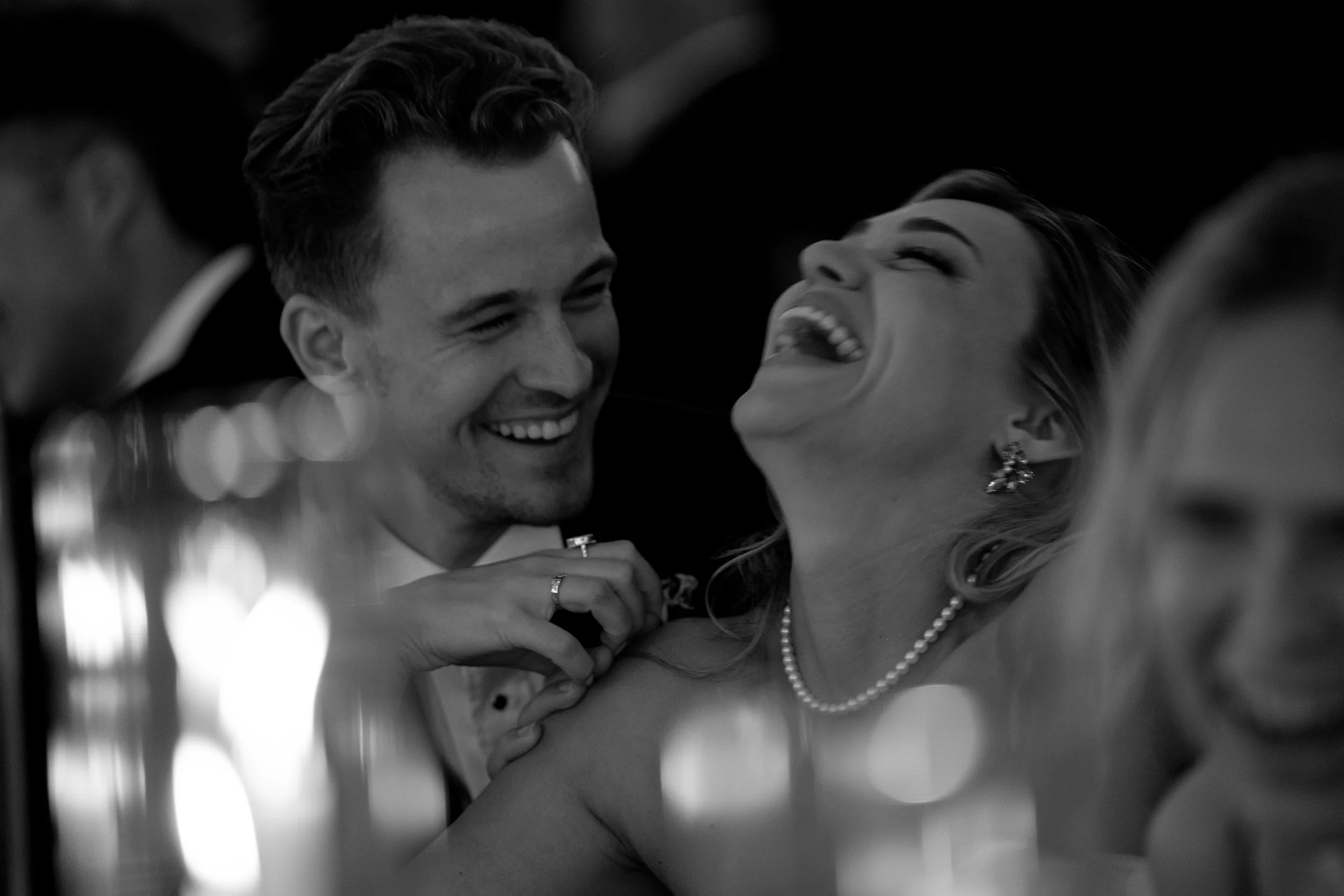
Many couples focus heavily on outdoor spaces, assuming indoor light is secondary.
In New England, indoor light often carries the day.
Strong indoor spaces share a few characteristics:
Large windows
Neutral walls
Multiple light sources rather than overhead fixtures
Venues with these qualities tend to photograph well regardless of weather or season.
What photographers are really looking for in light
From a photographic perspective, good light isn’t about brightness.
It’s about:
Direction
Consistency
Transition
Moments where light changes gradually tend to feel calmer and more cohesive. Sudden shifts — from bright sun to dark interiors — require adaptation, but they can also add narrative depth when handled well.
Planning decisions that support better light
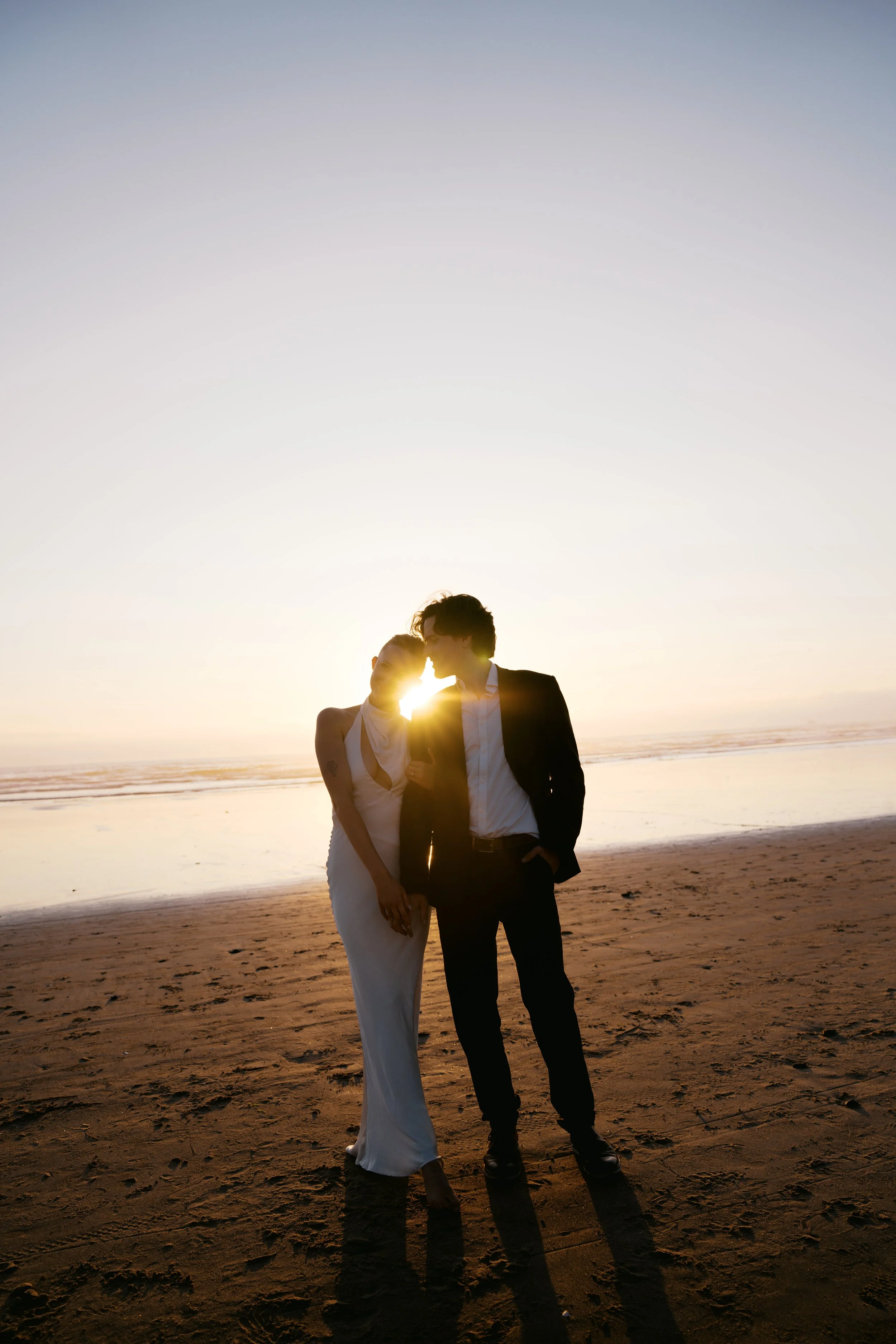
Several choices consistently improve photographic outcomes:
Scheduling ceremonies with sunset time in mind
Choosing venues with reliable indoor options
Allowing buffer time rather than stacking events
Accepting that not every moment needs perfect light
These decisions don’t limit creativity. They create space for it.
What couples often misunderstand about light and photography
A few assumptions come up repeatedly:
That “golden hour” is essential
That cloudy days are bad for photos
That artificial light ruins atmosphere
In reality, thoughtful photography responds to whatever light exists. The goal isn’t ideal conditions — it’s coherence.
Frequently Asked Questions
Is natural light always better than artificial light?
Not necessarily. Artificial light can create warmth and intimacy when used thoughtfully, especially in the evening.
Should we plan our ceremony around sunset?
It depends on the season and venue. In autumn and winter, earlier ceremonies often reduce pressure.
Do cloudy days photograph well?
Yes. Overcast light can be very flattering and consistent.
How important is venue orientation?
Very. Window placement and light direction affect how spaces photograph throughout the day.
Can a photographer adapt to all lighting conditions?
An experienced photographer should be able to, but planning collaboratively improves results significantly.
A final thought
New England light doesn’t ask to be controlled. It asks to be understood.
When couples plan with light in mind — not to perfect it, but to respect it — their photographs tend to feel grounded, calm, and emotionally accurate. From Cape Cod sunsets to city evenings, light becomes part of the story rather than a challenge to overcome.
If you’d like to explore this further, you can contact me today by submitting an inquiry form. Can’t wait to hear from you!