
Best 10 Wedding Planning Decisions That Lead to Better Photos
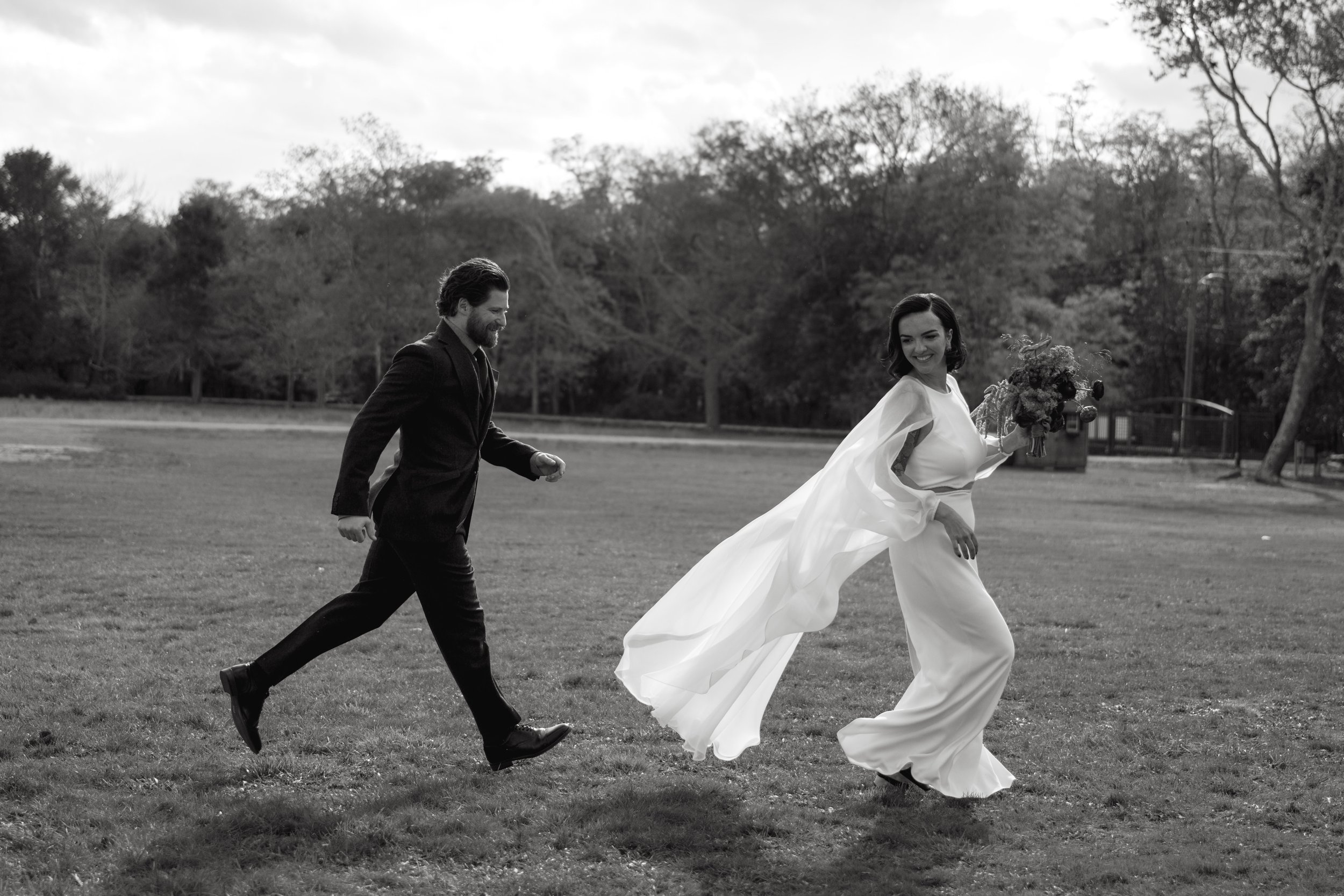
Couples often assume that great wedding photos come down to the photographer alone. Style, skill, and experience certainly matter — but they’re only part of the equation. The truth is that the most meaningful, consistent photographs are shaped long before the camera comes out.
This article focuses on the planning decisions that quietly but profoundly influence how wedding photographs look and feel. Not trends, not styling tips, but choices that affect light, pacing, comfort, and emotional presence. These are patterns I’ve noticed repeatedly across weddings throughout New England, from Cape Cod and Rhode Island to Connecticut and New York.
Good photographs aren’t manufactured on the day. They’re supported by how the day is designed.
1. Choosing a venue with strong indoor light, not just outdoor views
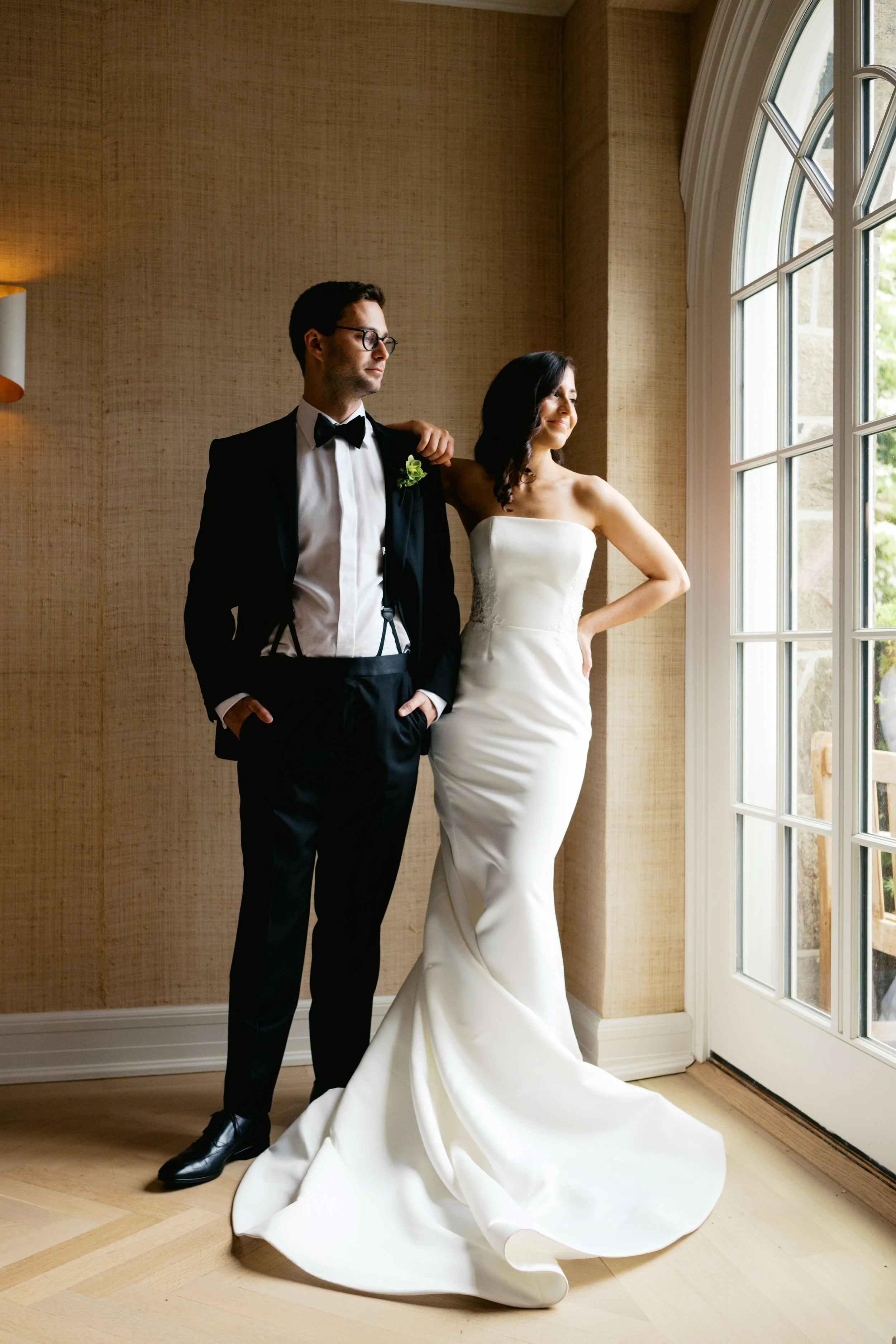
Couples often fall in love with venues because of scenery — ocean views, gardens, dramatic landscapes. While these matter, indoor light is usually far more influential on the final gallery.
In New England especially, weather and daylight are unpredictable. Venues that photograph well consistently tend to have:
Large windows
Neutral wall colours
Multiple rooms with natural light
If a venue only looks good outdoors, the photographs become fragile. When the light shifts or plans change, everything feels harder.
2. Planning your ceremony time around light, not tradition
One of the most impactful decisions you can make is when the ceremony takes place.
Many couples default to late afternoon without considering sunset times — particularly in autumn and winter, when light fades quickly. A ceremony scheduled too late can compress the entire day, forcing portraits, family photos, and transitions into diminishing light.
Earlier ceremonies often create calmer timelines and more consistent photography, even if they feel unconventional at first.
3. Building buffer time into the schedule
Rushed days photograph poorly.
This isn’t about perfectionism — it’s about nervous systems. When timelines are tight, people become task-focused rather than present. That tension shows in posture, expression, and interaction.
Adding buffer time allows moments to finish themselves. It gives people space to breathe, connect, and settle. Photographs respond immediately to that shift.
4. Prioritising one or two meaningful locations over many
Multiple locations can add visual variety, but they also fragment the story of the day.
Each move introduces travel, coordination, and time pressure. In regions like New England and the wider East Coast, where distances can be deceptive, this adds up quickly.
Fewer locations often result in:
More continuity
Less stress
A clearer narrative
Photographs benefit when the day isn’t constantly restarting.
5. Choosing attire that allows movement and comfort
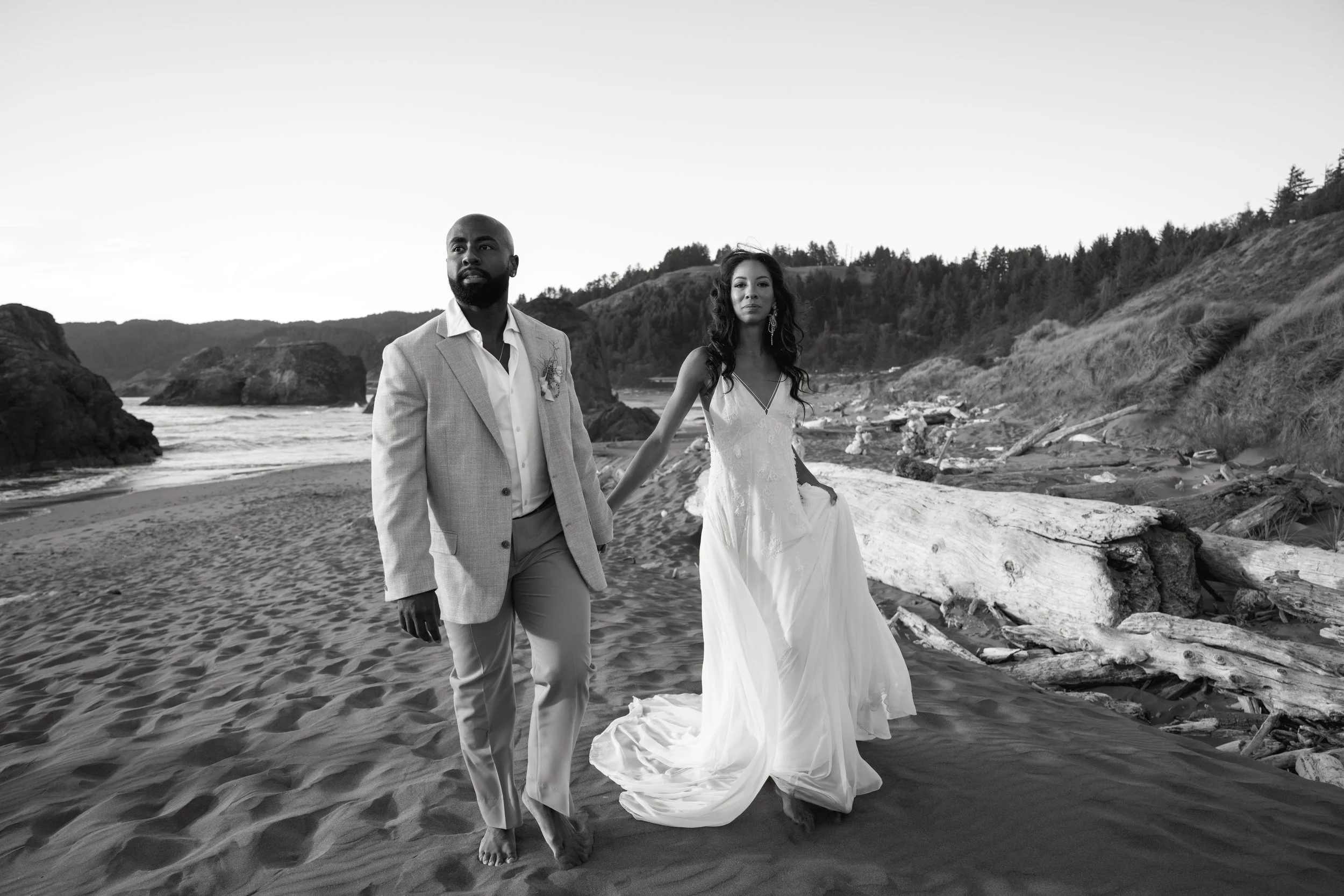
What you wear directly affects how you move.
If clothing restricts breathing, sitting, or walking, it subtly alters posture and expression. Even the most confident people become self-aware when they’re physically uncomfortable.
Comfort doesn’t mean casual. It means thoughtful construction, tailoring, and fit. When bodies feel supported, photographs tend to feel grounded rather than managed.
6. Allowing time to be together before the ceremony
Many couples worry that seeing each other before the ceremony will lessen its impact. In practice, the opposite often happens.
Spending time together earlier in the day allows emotions to regulate. Nerves settle. The ceremony becomes less about containment and more about presence.
From a photographic perspective, this often leads to more relaxed images throughout the day — not just during portraits, but in candid moments as well.
7. Designing the day for guest comfort, not just aesthetics
Photographs reflect energy.
When guests are comfortable — warm enough, shaded, well-fed, not rushed — they engage more fully. They interact naturally. They linger rather than retreat.
Guest comfort affects:
Body language
Willingness to be present
Emotional openness
This is particularly noticeable at outdoor weddings on Cape Cod or in summer city settings, where heat and logistics can quietly shape behaviour.
8. Hiring vendors who communicate well with each other
Wedding photography doesn’t exist in isolation.
Photographers work alongside planners, coordinators, venues, florists, and musicians. When communication is smooth, the day flows. When it isn’t, tension accumulates.
Couples who prioritise collaboration — rather than just individual talent — tend to experience calmer days. Calm days photograph better.
9. Accepting that not everything needs to be photographed perfectly
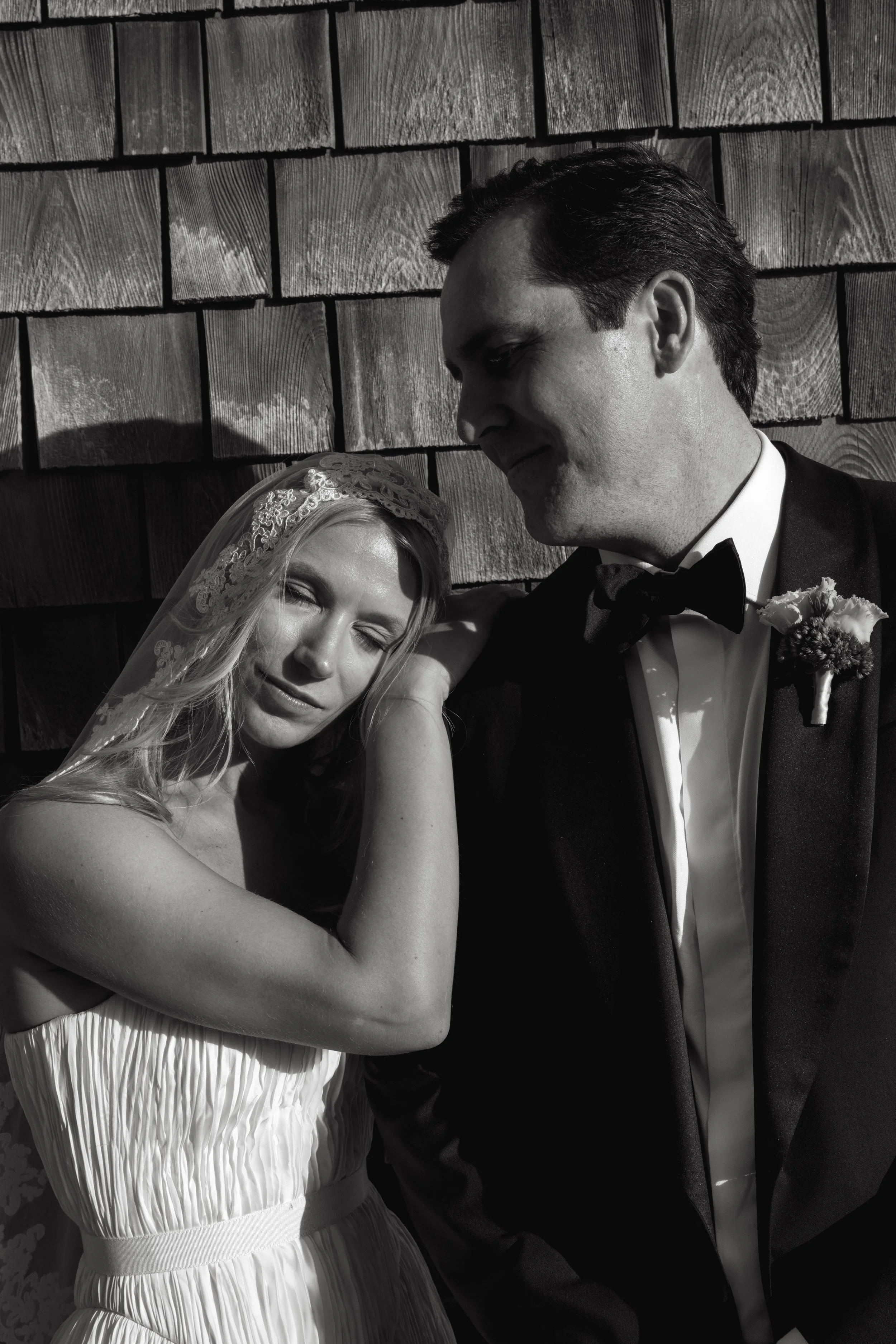
This decision is more mental than logistical, but it matters.
When couples feel pressure for every moment to look a certain way, they become self-monitoring. When they allow moments to exist without optimisation, they relax.
Photographs don’t need every detail to be flawless. They need people to be present.
Letting go of perfection often leads to images that feel more honest — and more lasting.
10. Choosing a photographer whose approach aligns with how you want to feel
This decision underpins all the others.
Beyond style, ask yourself:
Do I feel calmer after speaking with them?
Do they talk about experience as much as outcome?
Do they understand pacing, light, and context?
A photographer who aligns with your priorities will help you make better decisions throughout planning — often without you realising it.
How these decisions work together
Individually, each of these choices helps. Together, they compound.
A well-lit venue supports flexible timelines. Buffer time supports presence. Presence supports connection. Connection is what photographs respond to.
Better wedding photos are rarely the result of one perfect choice. They’re the result of many thoughtful ones.
Common misconceptions about planning for photography
A few assumptions come up repeatedly:
That details matter more than dynamics
That more coverage always means better photos
That editing can fix discomfort or rushed energy
In reality, photographs amplify what’s already there. Planning decisions shape that foundation.
Frequently Asked Questions
Do we need to plan our entire wedding around photography?
No. But understanding how planning affects photography allows you to make informed trade-offs.
Is natural light always essential?
It helps, but strong indoor spaces and thoughtful timing can work just as well.
Will these decisions limit creativity?
Quite the opposite. They create space for creativity to unfold naturally.
What if our venue or timeline is already fixed?
Small adjustments still matter. Even minor shifts can significantly improve outcomes.
Are these decisions specific to New England?
They’re especially relevant here due to light and weather, but the principles apply anywhere.
A final thought
The best wedding photographs rarely come from trying to control the day. They come from designing a day that allows people to be present within it.
When planning choices support light, time, and comfort, photographs tend to feel calmer, more connected, and more honest — not because you tried harder, but because you didn’t have to.
If you’d like to explore this further, you can contact me anytime with questions, and we can start planning your perfect day together.