
Why “Best Wedding Photographer” Means Different Things — And How to Decide What’s Best for You
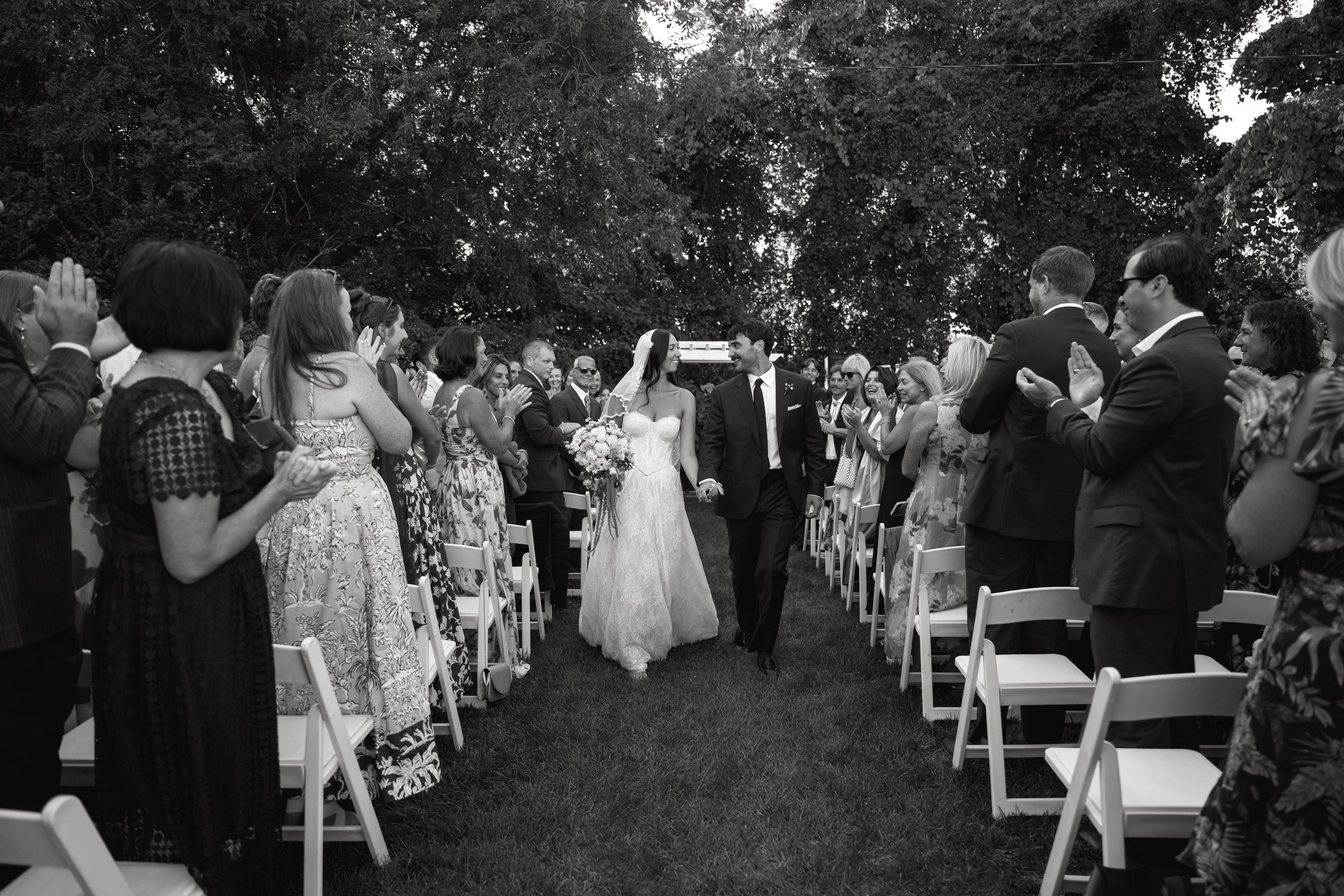
Search for a wedding photographer and you’ll quickly run into the same phrase repeated everywhere: best wedding photographer. It appears in headlines, reviews, awards, and directories, often without much explanation of what “best” actually refers to.
This article is about unpacking that idea. Not to dismiss quality or experience, but to clarify why “best” is not a universal standard — and why trying to treat it as one often leads couples to feel uncertain rather than confident. These observations come from years of watching couples navigate this decision, particularly across New England and the wider East Coast, and noticing what tends to matter in hindsight.
Understanding what “best” means to you is one of the most important steps in choosing a photographer you won’t second-guess later.
There is no objective “best” in wedding photography
Wedding photography isn’t a sport with measurable outcomes.
There’s no single metric that determines excellence. Technical competence is essential, but once that baseline is met, quality becomes subjective. Emotion, interpretation, and human connection play a larger role than any ranking system can capture.
When couples search for “best wedding photographer,” what they’re often really asking is:
Who can I trust?
Who will understand us?
Who will help this feel manageable?
Those questions don’t have universal answers.
“Best” often gets confused with visibility
Photographers who appear frequently in search results or on social media are not necessarily the best fit — they’re simply the most visible.
Visibility can be influenced by:
Marketing investment
Platform algorithms
Industry connections
None of these are negative, but they don’t guarantee alignment with your values or priorities.
Some of the most meaningful photographic work I’ve seen comes from photographers who are quieter, less trend-driven, and more focused on consistency than recognition.
Style is only one piece of the equation
Couples often start with style because it’s the easiest thing to assess.
Light and airy. Dark and moody. Documentary. Editorial. These labels help narrow the field, but they don’t tell you how a photographer works under pressure or how they interact with people.
Two photographers with similar aesthetics can produce very different experiences — and outcomes — depending on approach.
Style attracts attention. Approach determines longevity.
The “best” photographer depends on how you want the day to feel
This is where the definition of “best” begins to shift.
Some couples want direction and structure. Others want space and observation. Some feel reassured by clear instruction; others feel constrained by it.
The photographer who excels at one of these approaches may be less suited to the other. Neither is inherently better — but choosing the wrong one for your temperament can create friction.
Ask yourself:
Do I want to be guided or left alone?
Do I want energy or calm?
Do I want efficiency or flexibility?
Your answers matter more than any accolade.
Experience matters differently depending on context
Experience is often framed as a number — years, weddings photographed, venues worked at.
In reality, experience is situational.
A photographer who has worked extensively in New England will understand:
How light shifts by season
How weather influences pacing
How venues across Cape Cod, Rhode Island, Connecticut, and New York operate differently
This kind of contextual experience often matters more than raw volume, especially in a region with as much variation as the East Coast.
“Best” for one couple can be wrong for another
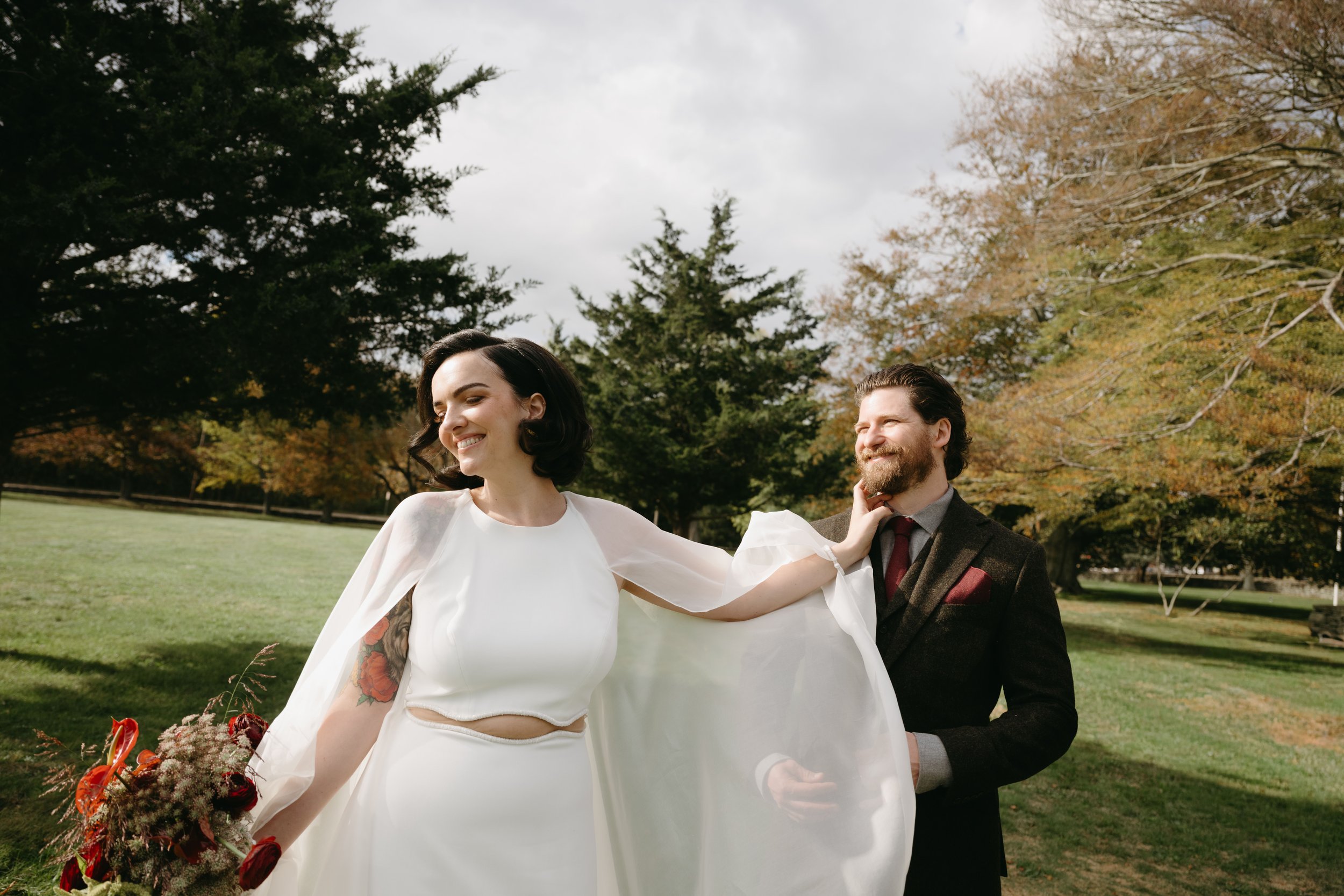
This is one of the hardest things for couples to accept.
A photographer can be deeply meaningful to one couple and entirely wrong for another — even when both weddings are beautiful.
Compatibility isn’t about merit. It’s about fit.
When couples book photographers based solely on reputation or recommendation without considering alignment, they often feel subtly disconnected throughout the process.
The role of personality and presence

A photographer is present during emotionally charged moments.
How they speak, move, and respond becomes part of the environment. For some couples, a confident, directive presence is grounding. For others, it feels intrusive.
The “best” photographer for you is someone whose presence you don’t need to manage — because you feel understood without explanation.
This is rarely visible in images alone. It emerges in conversation.
Why awards and rankings only tell part of the story
Awards can indicate peer recognition or industry engagement, but they’re not comprehensive measures of suitability.
They often prioritise:
Individual images over full galleries
Novelty over consistency
Trend alignment over longevity
A photograph that wins an award may not reflect how a wedding actually felt — or how a gallery holds together over time.
Awards are not irrelevant, but they shouldn’t be the deciding factor.
How to redefine “best” in practical terms
Rather than asking who is “best,” consider reframing the question:
Who feels steady in uncertainty?
Who communicates clearly and listens well?
Whose work feels consistent across different weddings and conditions?
Who respects moments rather than manufacturing them?
These qualities are harder to quantify, but they tend to matter more long-term.
Signs you’ve found the right photographer for you

Couples who feel confident in their choice often describe similar experiences:
They feel calmer after conversations
They stop comparing endlessly
They trust the process rather than micromanaging it
These reactions are signals. When “best” becomes personal rather than abstract, clarity tends to follow.
Common mistakes when searching for the “best”
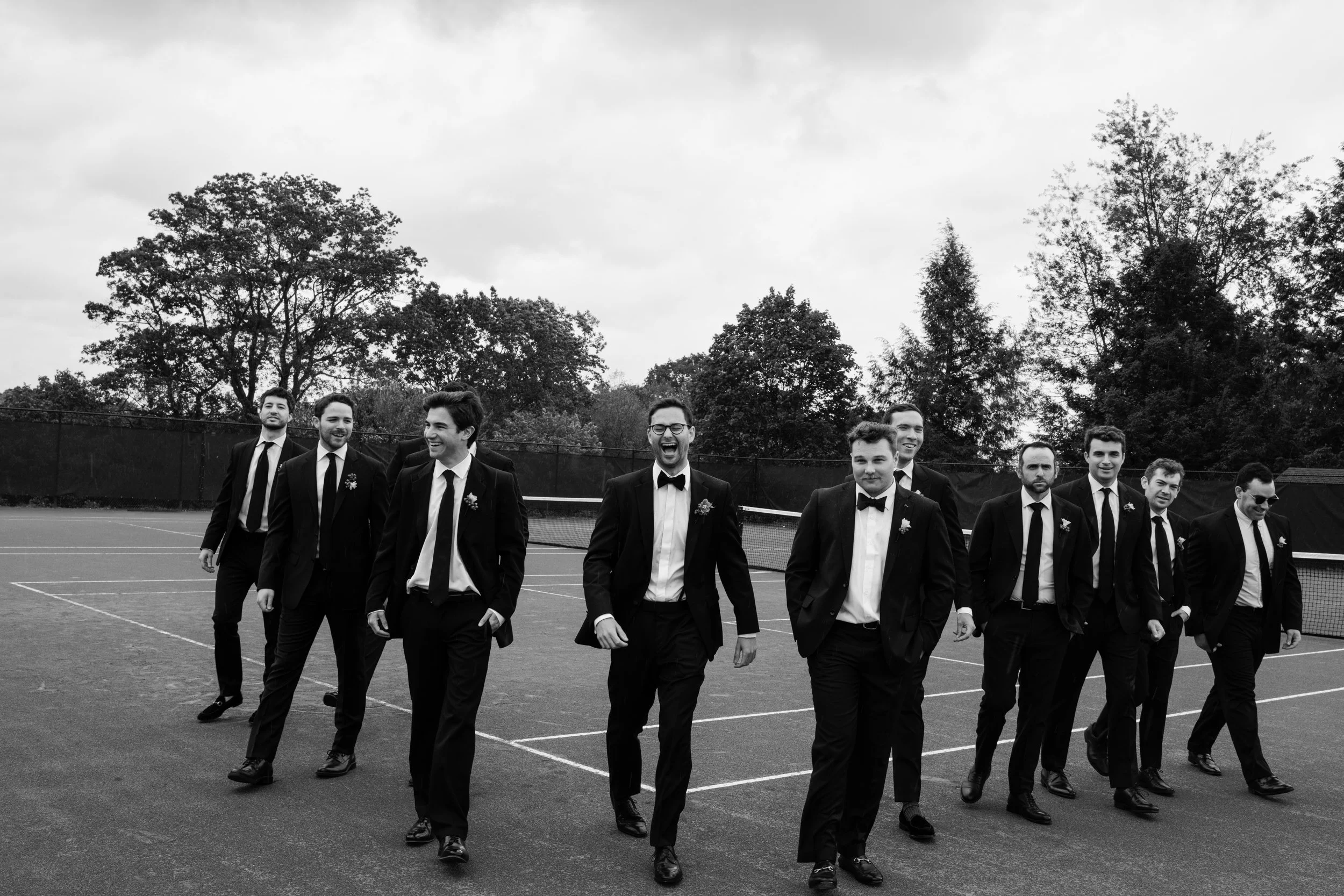
A few patterns come up repeatedly:
Equating popularity with suitability
Prioritising trend alignment over personal comfort
Assuming all professionals work in similar ways
Avoiding these traps often leads to more satisfying decisions.
How this applies across different East Coast locations
Across New England and the East Coast, context shapes what “best” looks like.
A photographer who excels at a quiet Cape Cod wedding may approach a New York wedding differently — or may not enjoy it at all. Conversely, a photographer who thrives in fast-paced urban environments may feel constrained in slower, more intimate settings.
Location isn’t just a backdrop. It’s a collaborator.
Frequently Asked Questions
Is there such a thing as an objectively best wedding photographer?
No. There are highly skilled photographers, but “best” is subjective and context-dependent.
Should we prioritise style or connection?
Connection often matters more over time, especially when navigating stress and uncertainty.
Do reviews help determine who is best?
They can provide insight, but they reflect individual experiences rather than universal truths.
Is it risky to choose a less well-known photographer?
Not necessarily. Consistency, clarity, and alignment matter more than visibility.
How do we know when to stop searching?
When your questions shift from “Is this good enough?” to “Does this feel right?”, you’re likely there.
A final thought
“Best wedding photographer” is a phrase that promises certainty in a decision that is, by nature, personal.
When couples stop chasing an abstract ideal and start listening to their own priorities, the choice often becomes simpler — and more grounded.
The best photographer isn’t the one everyone agrees on. It’s the one who aligns with how you want to experience your wedding day, and how you want to remember it years from now.
If you’d like to explore this further, you can get in touch with me to talk about your wedding photography needs!