
What Couples Mean When They Say They Want “Natural” Wedding Photos

“Natural” is one of the first words couples use when they talk about wedding photography. It’s also one of the least defined. Ask five couples what they mean by it, and you’ll hear five different answers — sometimes contradictory ones.
This article is about unpacking what couples are usually trying to express when they say they want natural wedding photos, and why clarifying that meaning early can change the entire experience of being photographed. These observations come from listening closely to couples over time, noticing patterns in what they respond to, and seeing how expectations evolve once the wedding is over.
Natural photography isn’t a single look or method. It’s a set of intentions — and those intentions matter.
“Natural” usually means “I don’t want to feel awkward”
For most couples, natural has very little to do with aesthetics.
What they’re really saying is: I don’t want to feel self-conscious. They’re worried about stiff poses, forced smiles, and the sense of performing for the camera.
Natural photography, in this sense, is about comfort. It’s about being able to move through the day without constantly wondering how you look or what you’re meant to be doing.
When couples feel at ease, photographs tend to feel natural almost by default.
It doesn’t mean the photographer does nothing
One of the most common misunderstandings is that natural photography means the photographer is passive.
In reality, natural-looking images often require more awareness, not less. The photographer is constantly making decisions about positioning, timing, light, and distance — all without interrupting what’s unfolding.
The difference is that the direction, when it happens, is subtle and situational rather than prescriptive.
Natural doesn’t mean unconsidered. It means unobtrusive.
“Natural” is often code for “we want to recognise ourselves”
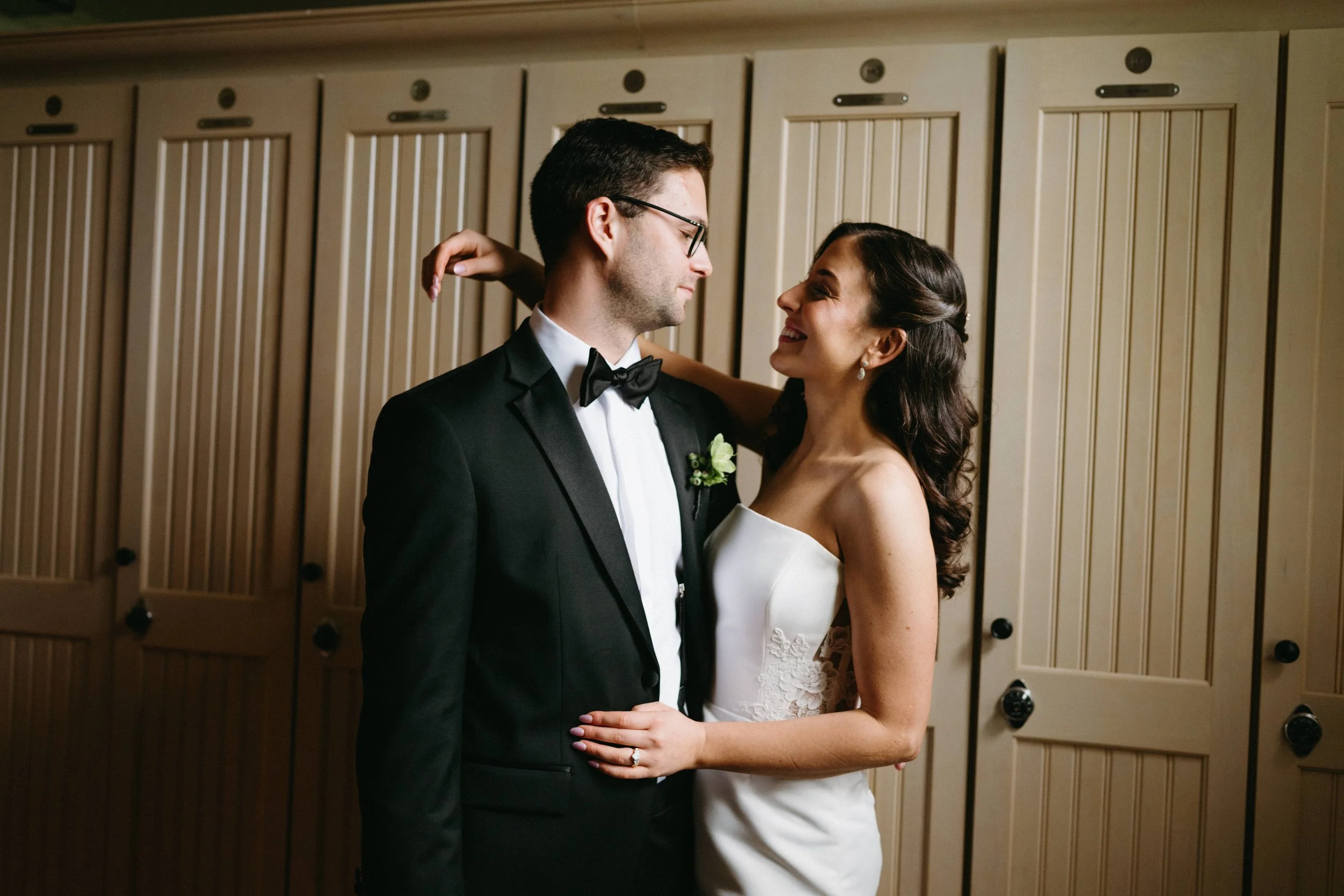
Couples frequently say they want to look like themselves in their photos — not a polished version, not a styled interpretation, but something familiar.
This doesn’t mean they don’t want to look good. It means they don’t want the images to feel foreign or exaggerated.
When couples look back years later, the photographs that resonate most are usually the ones where they feel recognised rather than idealised.
It’s less about posing, more about behaviour
Natural photographs tend to focus on behaviour rather than appearance.
How people lean in. How they pause. How they interact when they’re not being observed.
This is why many couples respond more strongly to candid moments than to perfectly composed portraits, even if they didn’t expect to. Behaviour carries truth. Posing often interrupts it.
That doesn’t mean portraits are unimportant — only that the approach matters.
Natural doesn’t mean unflattering or careless
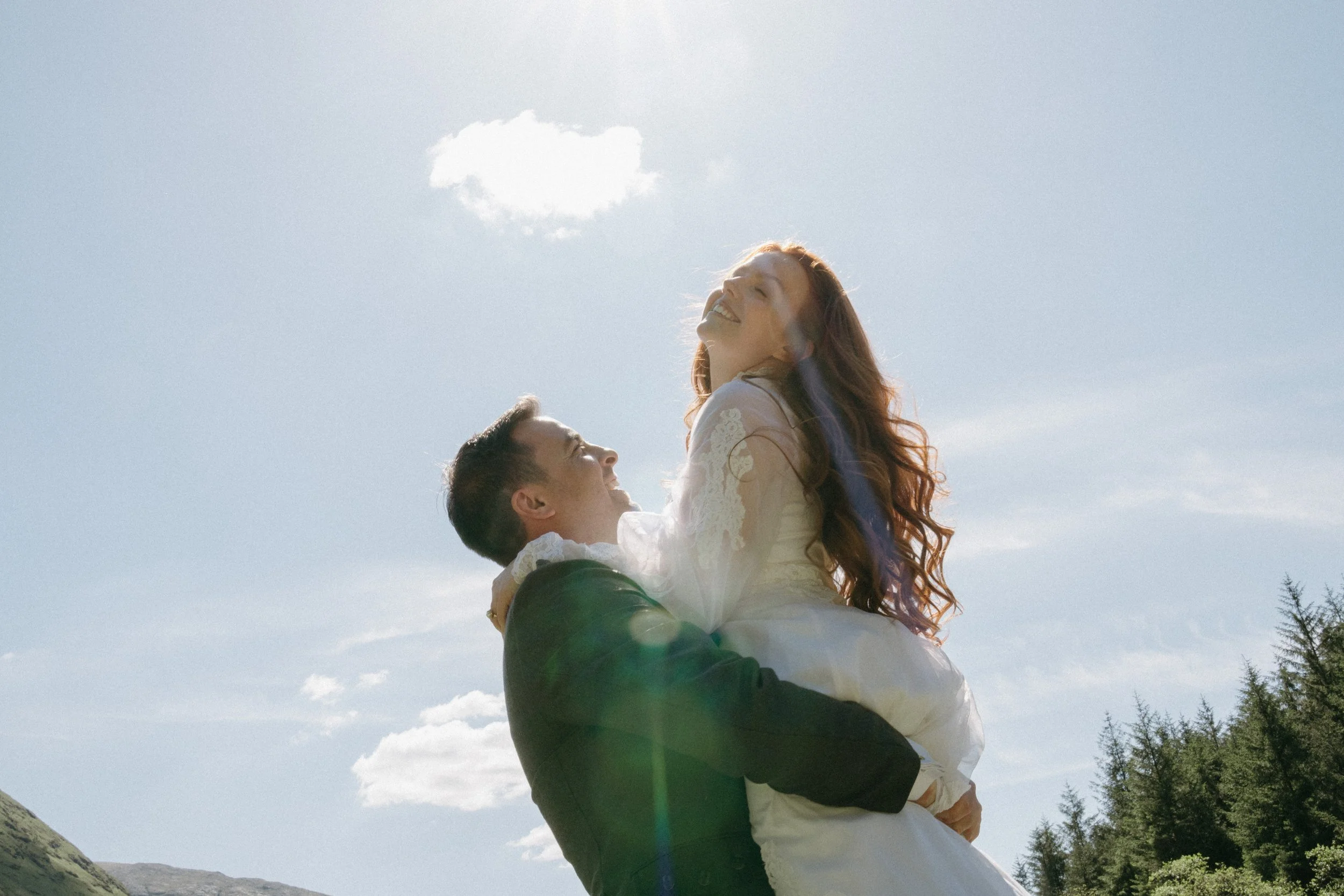
There’s a fear, sometimes unspoken, that natural photography means being photographed at your worst.
In practice, the opposite is often true.
When people aren’t bracing themselves for the camera, their expressions soften. Their posture relaxes. Their features settle into something more genuine.
Natural photography isn’t about catching people off guard. It’s about allowing them to exist without pressure.
Editing plays a larger role than most couples realise
Many couples associate “natural” with light, airy editing — but editing style and authenticity are not the same thing.
Natural editing tends to prioritise:
Consistent skin tones
Balanced contrast
Colour that reflects the environment
Highly stylised editing can still document real moments, but it often anchors images to a specific trend or era. Subtle editing usually allows photographs to age more gently.
When couples say they want natural photos, they’re often responding to editing that feels restrained rather than performative.
Natural photography still benefits from structure
Another misconception is that natural photography thrives in chaos.
In reality, it benefits from thoughtful planning.
When timelines are too tight or environments are overly staged, people become more self-aware. When there’s breathing room, moments unfold without prompting.
Natural photos are supported by:
Realistic timelines
Comfortable spaces
Clear expectations
Structure doesn’t diminish authenticity. It protects it.
Why couples often struggle to define “natural” before the wedding
Before the wedding, couples are imagining themselves in a situation they’ve never experienced.
They don’t yet know how they’ll feel being observed, how quickly the day will move, or which moments will matter most. So “natural” becomes a placeholder for trust — a way of saying please don’t make this harder than it already is.
After the wedding, their definition often sharpens. Natural becomes about memory, recognition, and emotional accuracy.
How location shapes what “natural” looks like
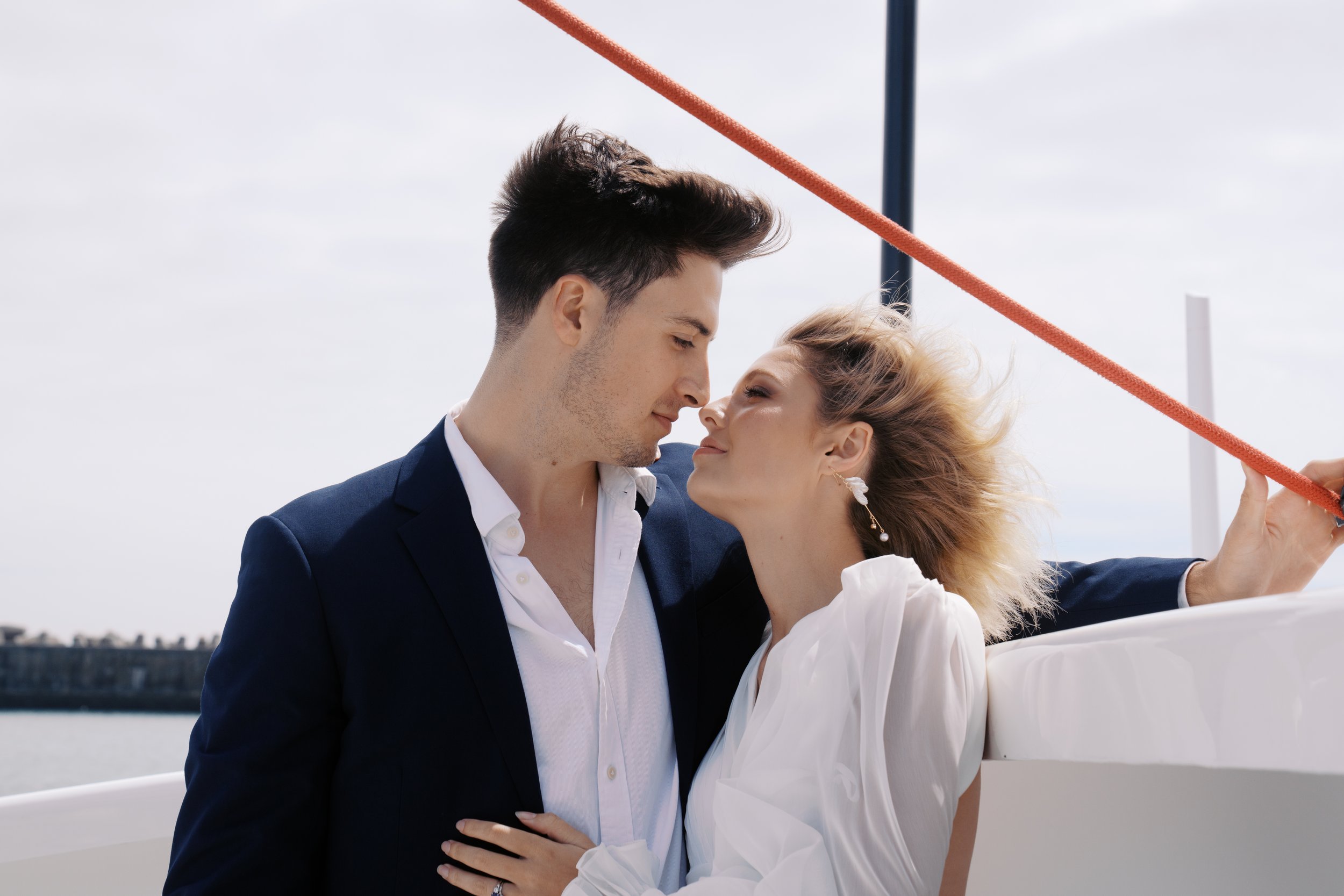
Natural doesn’t look the same everywhere.
A Cape Cod wedding might express naturalness through openness and informality. A Newport estate wedding might express it through restraint within structure. A New York wedding might express it through movement and immediacy.
Across New England and the East Coast, environment shapes behaviour. Photography that responds to that environment tends to feel more authentic than photography that tries to override it.
What couples don’t usually mean when they say “natural”
It’s also helpful to clarify what couples are not asking for.
Natural rarely means:
Zero guidance
Ignoring light and composition
Delivering everything exactly as it happened without curation
Most couples still want their photographer to make thoughtful choices. They just don’t want to feel managed or corrected constantly.
The role of trust in natural photography
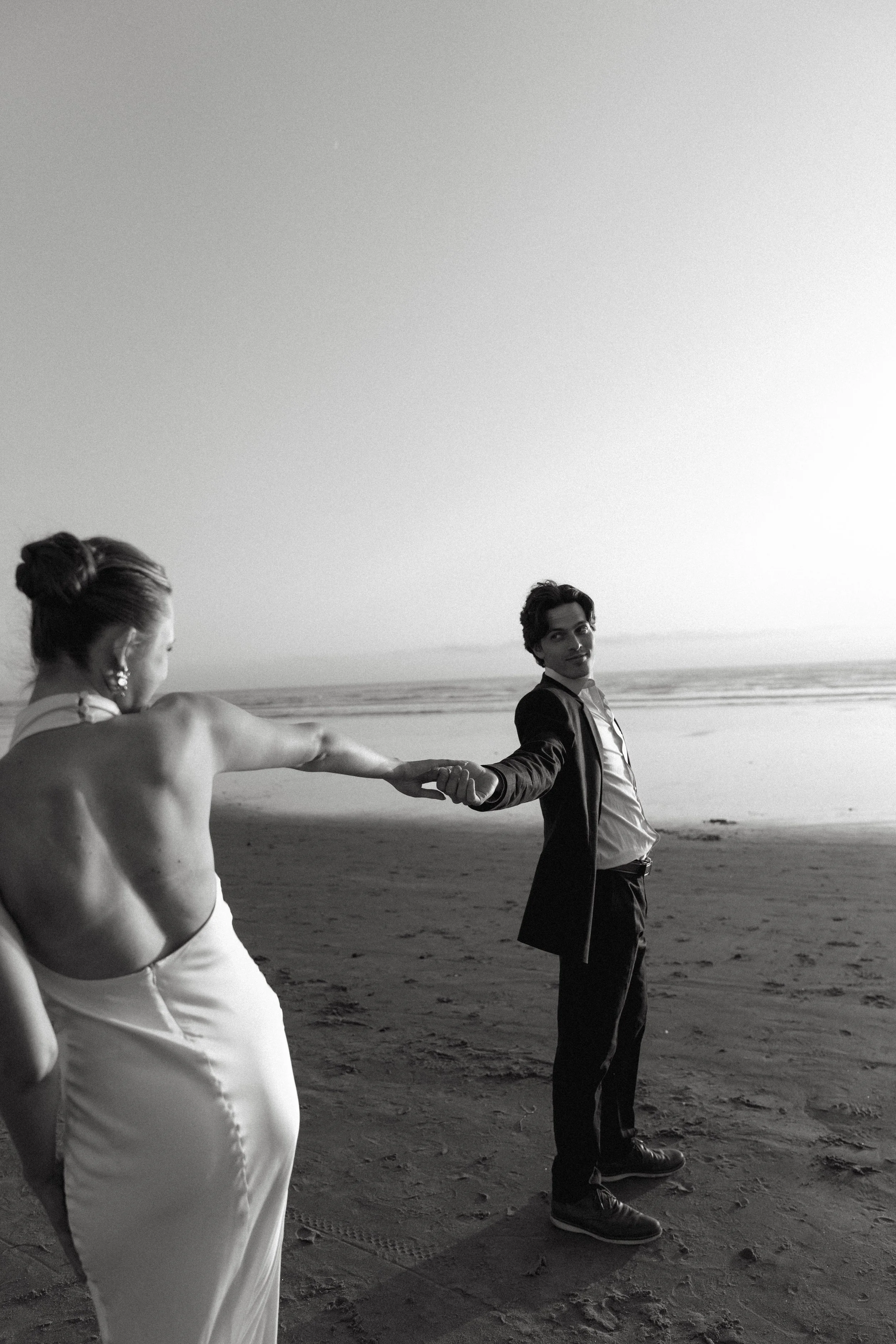
Natural photographs depend heavily on trust.
Trust that moments don’t need to be manufactured. Trust that not every second needs to be optimised. Trust that the photographer will notice what matters.
This trust is built less through instruction and more through conversation — before the wedding day arrives.
When trust is present, couples stop monitoring themselves. That’s when photographs begin to feel effortless.
Why natural photos tend to last longer emotionally
Natural images often grow in significance over time.
Because they’re not tied to performance or trend, they leave room for reinterpretation. A glance means something different ten years later. A quiet moment becomes more poignant as relationships change.
These photographs don’t demand attention. They invite it.
How to tell if a photographer’s idea of “natural” aligns with yours
Rather than asking whether someone shoots naturally, ask how they work.
Pay attention to:
How much they talk about experience versus outcome
Whether their full galleries feel cohesive
How people look when they’re not aware of the camera
Alignment here matters more than shared vocabulary.
Frequently Asked Questions
Is natural wedding photography the same as documentary photography?
They overlap, but they’re not identical. Documentary photography is a method; natural is often the desired feeling.
Will we still get portraits if we want natural photos?
Yes. The difference is in how portraits are approached — with less posing and more interaction.
Does natural photography work for formal weddings?
Absolutely. Formality doesn’t prevent authenticity; it simply changes how it’s expressed.
Are natural photos less polished?
Not necessarily. They’re often more restrained, which can feel polished in a quieter way.
Can we ask for natural photos without knowing exactly what we mean?
Yes — but the more you can articulate what you want to feel, the easier it is to align expectations.
A final thought
When couples say they want natural wedding photos, they’re rarely talking about a look. They’re talking about an experience.
They want to feel comfortable. They want to recognise themselves. They want photographs that don’t ask them to perform or pretend.
When those intentions are understood — by both the couple and the photographer — natural photographs tend to emerge on their own, quietly and without force.
If you’d like to explore this further, you can reach out to me for a free consultation to talk through your wedding plans.