
What You’ll Still Feel When You Look at Your Wedding Photos 10 Years From Now
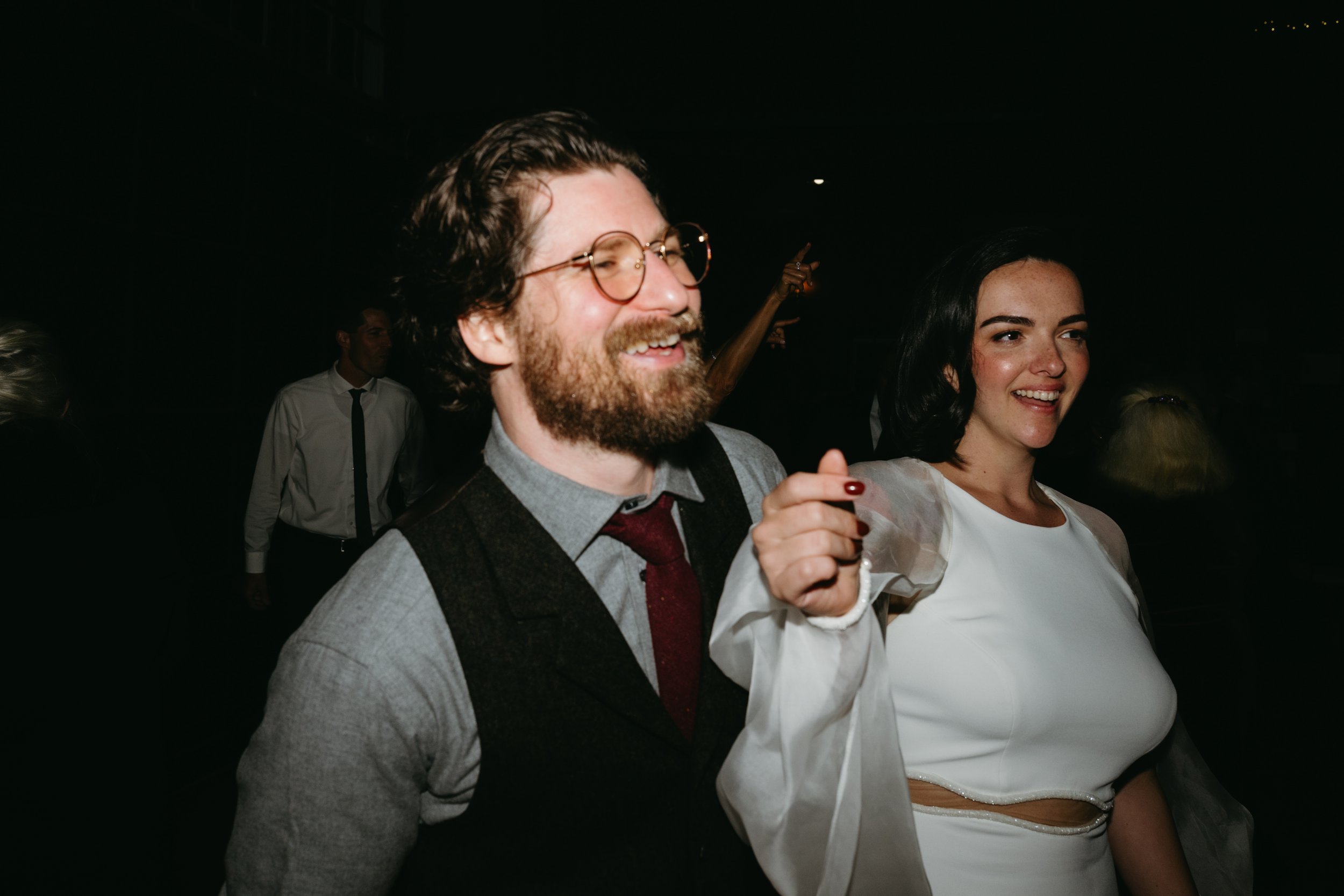
Most couples think about their wedding photographs in terms of how they’ll feel immediately after the day. Relief. Joy. A sense of completion. The images are often seen as the final piece of the planning process — something to receive, admire, and then move on from.
But the real life of wedding photographs begins much later.
This article is about what tends to surface when couples return to their images a decade on. Not the surface reactions, but the quieter responses that linger. These observations come from watching couples revisit their photographs years after the wedding — sometimes intentionally, sometimes by chance — and noticing what consistently matters then, long after trends and timelines have faded.
The feelings that last are rarely the ones you expect
Ten years later, couples rarely talk about centrepieces, colour palettes, or how a dress fit on the day. What they notice instead are moments they didn’t recognise as important at the time.
The photographs that endure aren’t the ones that tried to impress. They’re the ones that quietly tell the truth.
What tends to stay is not excitement, but recognition.
You’ll feel relief that you didn’t have to perform
One of the most common reactions I hear years later is a sense of relief.
Relief that they weren’t overly directed. Relief that they don’t see themselves performing a version of the day for the camera. Relief that the photographs feel lived-in rather than produced.
When couples look back, they often recognise how much emotional energy they were carrying. Photographs that allow them to simply exist within that space — rather than manage it — tend to age far more gently.
You’ll notice the people more than the event
As time passes, the wedding itself becomes less central. What rises to the surface are the people who were present.
Parents appear younger. Friends appear closer. Relationships that have since shifted are frozen in a moment of honesty.
Ten years on, couples often find themselves lingering on images of guests rather than themselves. These photographs become records of connection rather than documentation of a celebration.
This is particularly true for weddings where family and friends travelled long distances — from across New England, the East Coast, or further afield — to be together in one place.
You’ll feel gratitude for moments you didn’t see at the time
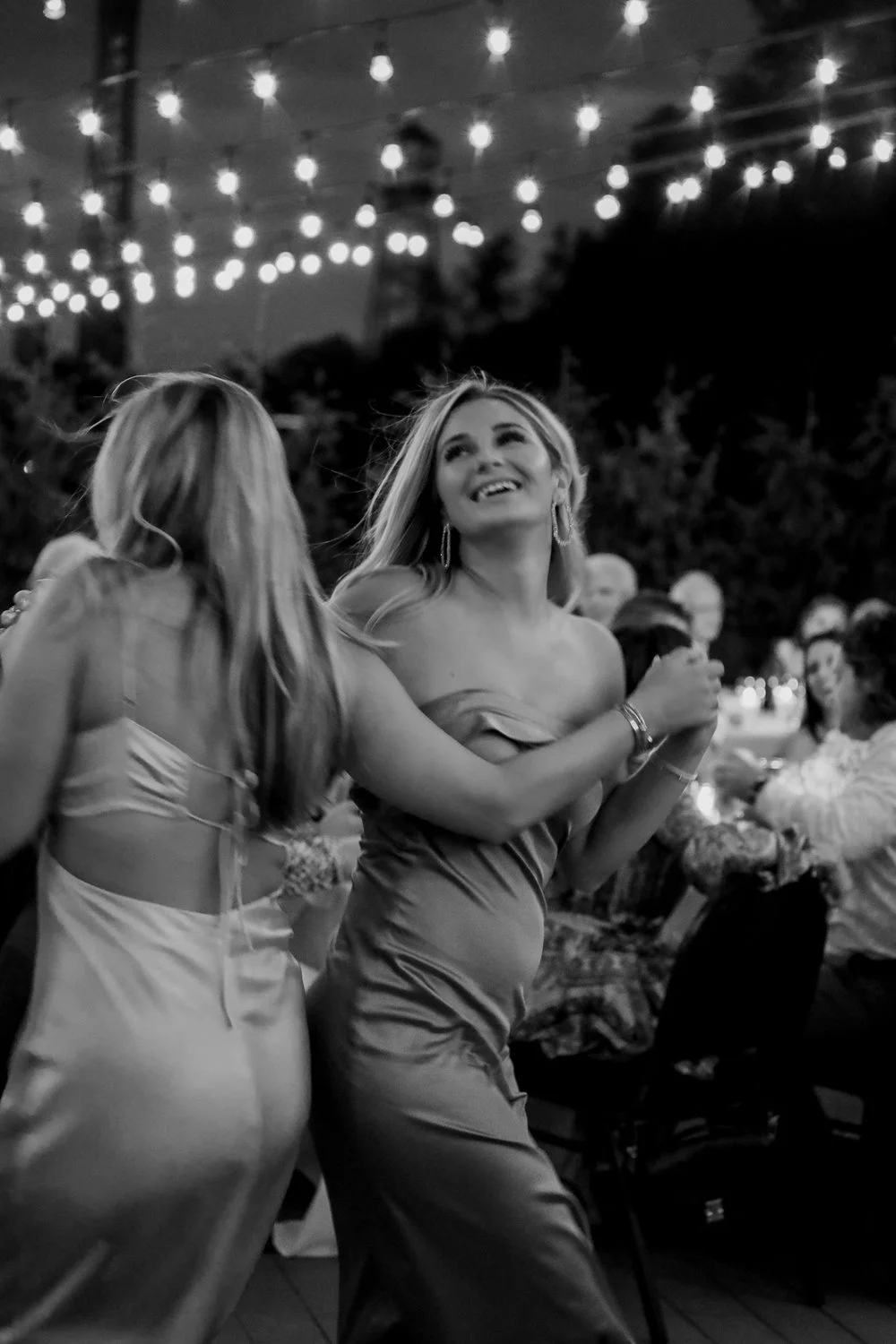
No couple sees everything that happens on their wedding day.
Later, the photographs become a way of understanding the day more fully — not as a schedule, but as an experience. Moments that happened in parallel, reactions that occurred quietly, exchanges you were never meant to witness in real time.
These images often generate a gentle gratitude. Not just for the people involved, but for the fact that the moment existed at all.
The images will reflect how the day felt, not just how it looked
A decade later, couples rarely assess their photographs for technical perfection. They respond to whether the images feel accurate.
Does the day look calm if it felt calm? Does it feel intense if it was intense? Does it feel intimate if it was small?
Photographs that prioritise atmosphere over polish tend to hold emotional weight far longer. They don’t ask you to remember how things were supposed to be — they show how they actually were.
You’ll feel connected to earlier versions of yourselves
One of the quieter effects of wedding photographs is how they anchor memory.
Looking back, couples often recognise themselves at a particular point in their lives — not just as partners, but as individuals. The way they held themselves. The way they interacted. The concerns that mattered then.
This isn’t about nostalgia. It’s about continuity.
The photographs become a reference point for how far you’ve come, without erasing who you were.
Some images will become more emotional as life changes
Time adds context.
Photographs of grandparents, parents, or family dynamics often take on new meaning as circumstances change. Images that once felt ordinary can become deeply significant.
This is one of the reasons why documentary wedding photography — which doesn’t prioritise perfection over presence — tends to age with more depth. It records people as they were, not as symbols.
You won’t remember the timeline — but you’ll remember the pauses

Ten years later, couples rarely remember the order of events. What they recall are pauses: a quiet breath, a look exchanged, a moment of stillness amid movement.
Photographs that honour those pauses tend to resonate long after the structure of the day has faded. They allow memory to return not as a checklist, but as a feeling.
You’ll be thankful for restraint
As trends evolve, restraint becomes noticeable.
Photographs that avoided heavy-handed styling, excessive retouching, or forced moments often feel more timeless. They don’t anchor themselves to a specific era in the same way.
Looking back, couples often express appreciation for images that trusted simplicity — not because they were minimal, but because they allowed the moment to lead.
The photographs will shift from personal to familial
Over time, wedding photographs stop belonging solely to the couple.
They’re shared with children, relatives, and future generations. They become part of family history rather than personal memorabilia.
Images that hold emotional clarity rather than spectacle tend to translate more easily across these contexts. They explain relationships without needing explanation.
You’ll feel something — even when you didn’t expect to

Perhaps the most consistent observation is this: even couples who don’t regularly look at their wedding photographs still feel something when they do.
Not always joy. Sometimes tenderness. Sometimes complexity. Sometimes a quiet acknowledgement of what that day represented in the wider arc of their lives.
The feeling isn’t always immediate, but it’s there.
What influences how wedding photos age emotionally?
Several factors consistently affect how photographs feel over time:
Authenticity over performance
Attention to people, not just details
Respect for atmosphere and context
Editing choices that prioritise longevity
These elements matter more in the long term than any individual image.
Frequently Asked Questions
Do couples really look at their wedding photos years later?
Yes — often unexpectedly. Anniversaries, life changes, or family conversations tend to bring them back.
What type of wedding photography ages best emotionally?
Photographs that prioritise honesty, atmosphere, and connection tend to carry more meaning over time than highly stylised imagery.
Will we regret not focusing more on posed portraits?
Most couples value portraits, but rarely regret prioritising moments and relationships. Balance matters.
Does editing style affect how photos feel years later?
Very much so. Subtle, consistent editing tends to feel more timeless than trend-driven processing.
Are documentary photos less flattering in the long run?
Not typically. While they may feel more vulnerable at first, many couples find they appreciate the honesty as time passes.
A final thought
Wedding photographs are not just records of a day. They’re reference points — for memory, for change, for continuity.
Ten years on, what you’ll feel is rarely what you planned for. And that’s precisely why the way your wedding is photographed matters.
If you’d like to explore this further, you can learn more about what I offer for wedding photography coverage (and how I customise it to YOU and your needs), or you can reach out directly to me to hear more in person.