
How to Choose a Wedding Venue That Photographs Beautifully in Every Season (A New England Guide)

Choosing a wedding venue in New England is rarely just about capacity or availability. It’s about light, landscape, weather, and how a place behaves as the seasons shift. A venue that looks extraordinary in October can feel flat in February. One that thrives in summer may struggle once daylight shortens.
This article is about how to assess a venue through a photographic lens — not from a stylist’s perspective, but from years of observing how real weddings unfold across New England, from Cape Cod to Connecticut, Rhode Island, and up through the wider East Coast. The goal isn’t perfection in every frame. It’s consistency, adaptability, and atmosphere.
If you want photographs that feel grounded and coherent regardless of season, the venue matters more than most couples realise.
What does it actually mean for a venue to “photograph well” year-round?
A venue that photographs well in every season has three things in common:
Reliable natural light
Visual depth beyond greenery
Spaces that work indoors and out
Season-proof venues don’t rely on foliage, flowers, or weather to do the heavy lifting. They offer texture, proportion, and light — elements that translate through a lens whether it’s July or January.
Light matters more than location
Couples often prioritise views: oceanfront, mountains, gardens. While these can be powerful, light is far more important than scenery when it comes to photography.
I’ve seen extraordinary venues underperform because of poor light, and understated locations shine because the light behaves beautifully.
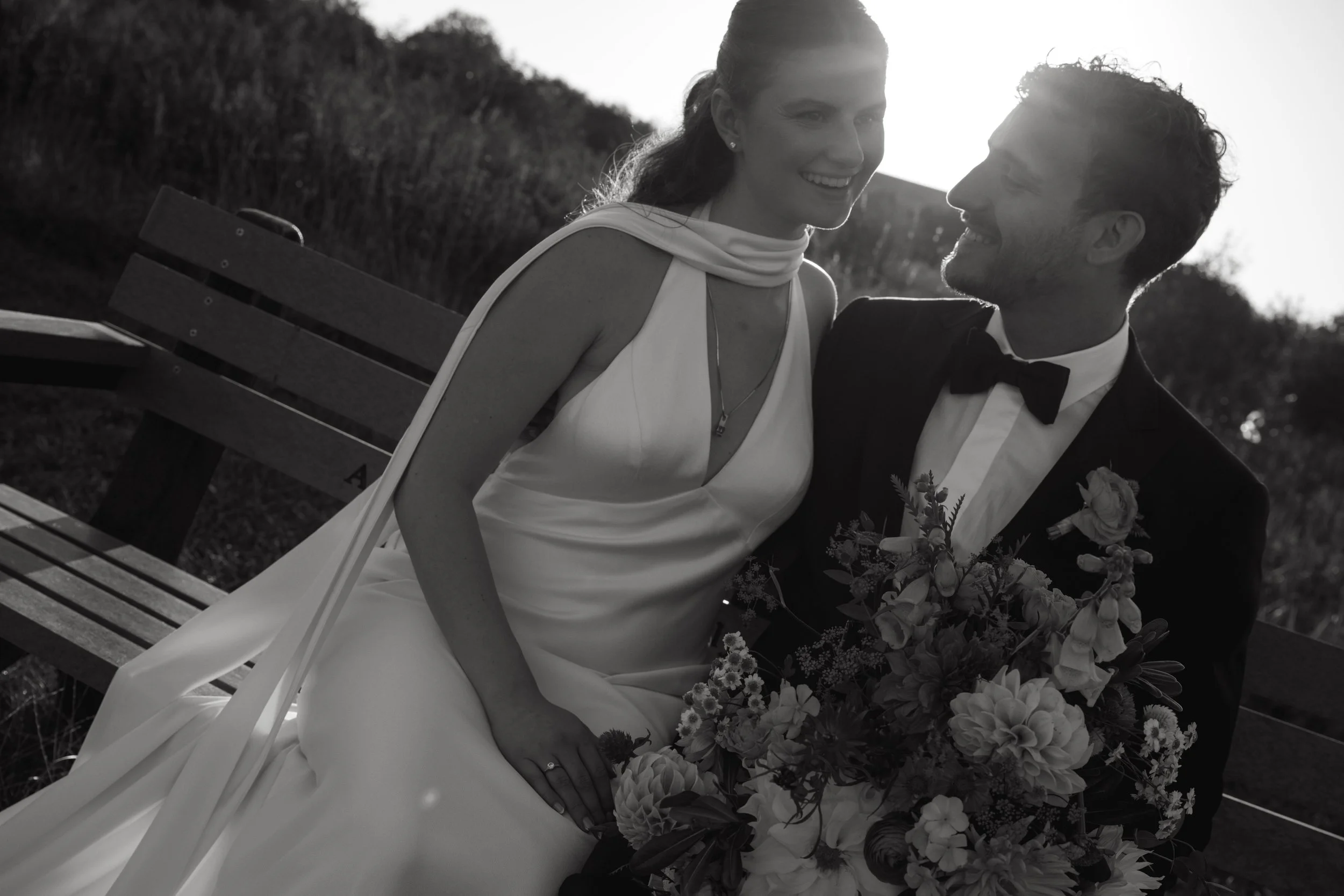
What to look for in natural light
Large, unobstructed windows
Neutral wall colours that reflect light rather than absorb it
Multiple directions of light, not just one side
In New England, where winter days are short and skies can be heavy, interior light becomes critical. Venues with tall windows, glass doors, or historic architectural proportions tend to photograph consistently well year-round.
Ask how the venue functions in bad weather — not just good weather
Every venue photographs well on a clear summer afternoon. What matters is what happens when plans shift.
When viewing venues, I always encourage couples to ask:
Where does the ceremony move if it rains?
What happens if it’s windy, cold, or unseasonably hot?
Are indoor spaces treated as primary options or last resorts?
Venues that genuinely anticipate weather — rather than tolerate it — tend to produce calmer days and stronger photographs. This is particularly important in coastal areas like Cape Cod or Newport, where conditions change quickly.
Look for architectural interest, not decoration
Decor can be added. Architecture cannot.

Venues that rely heavily on styling often photograph beautifully in one season but feel hollow in others. In contrast, spaces with strong bones — historic estates, thoughtfully designed modern buildings, converted barns with restraint — hold visual weight regardless of season.
Architectural elements that age well photographically
Stone, brick, or wood textures
Clean lines and intentional proportions
Ceiling height and negative space
These elements give photographs context and depth, even when florals are minimal or the landscape is bare.
Indoor ceremony spaces matter more than most couples expect
Even couples planning outdoor ceremonies benefit from choosing a venue with a strong indoor option.
Not because you’ll necessarily need it — but because knowing it exists changes the energy of the day.
Indoor ceremony spaces that photograph well tend to have:
Natural light rather than overhead lighting
Neutral colour palettes
Enough room to move without feeling cavernous
I’ve noticed that couples are more relaxed when the indoor option feels intentional rather than compromised. That ease translates directly into photographs.
Consider how the venue looks once the sun goes down
New England weddings often cross seasons where daylight disappears early. A venue that depends entirely on daylight can feel stark or disjointed after sunset.
When evaluating a space, think about:
Ambient lighting rather than spotlights
Warmth and consistency of light sources
Whether the venue feels cohesive at night
Venues that photograph well in the evening tend to have layered lighting — lamps, wall sconces, candlelight — rather than relying solely on functional overhead fixtures.
Seasonal landscapes: what actually translates on camera?
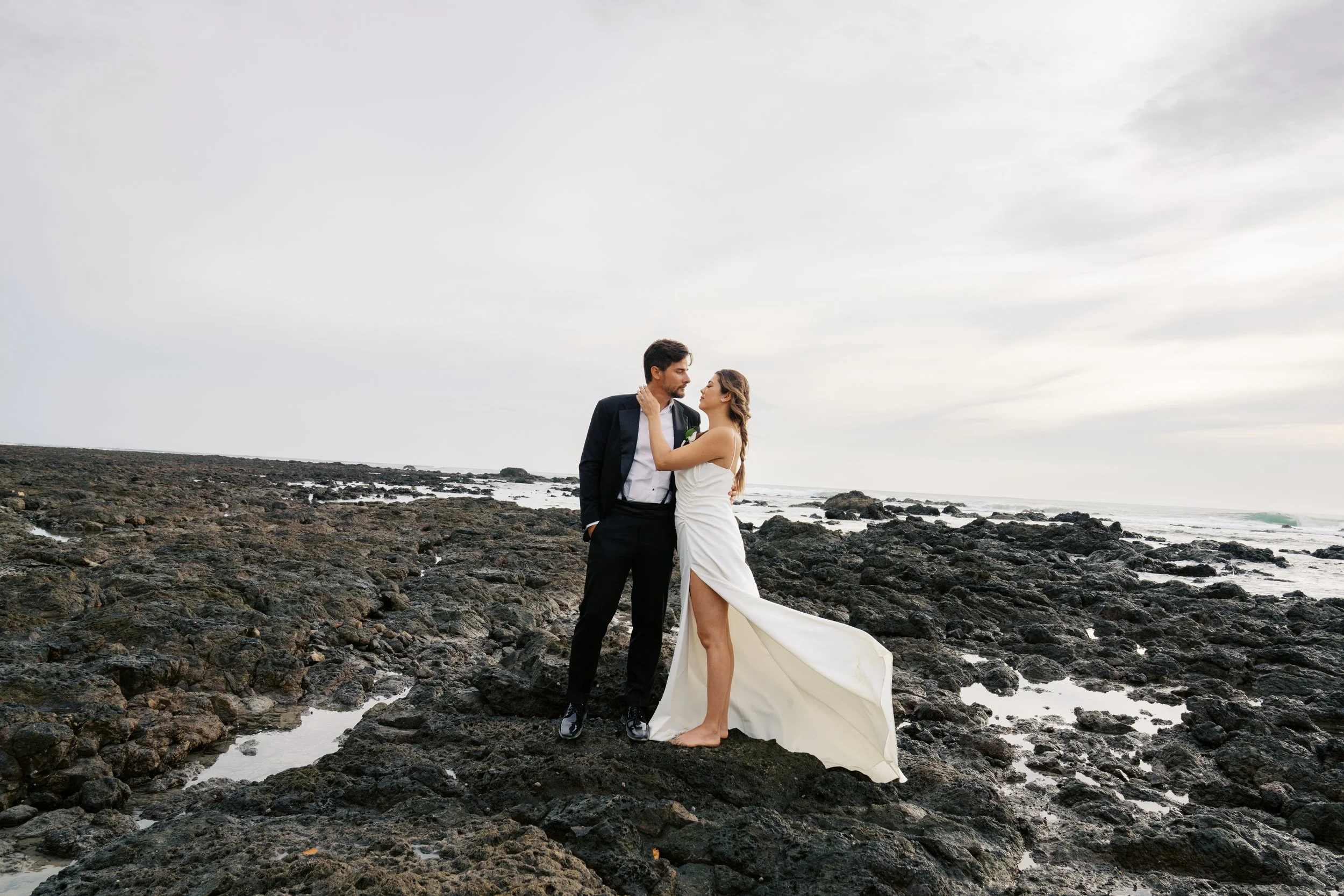
Each New England season offers something different, but not all of it photographs equally.
Spring
Spring is unpredictable. Early blooms are brief, and landscapes can look sparse.
Venues that photograph well in spring often have:
Evergreen elements
Architectural framing that compensates for bare trees
Indoor spaces that don’t feel like a fallback
Summer
Summer is forgiving, but harsh midday sun can be a challenge.
Look for venues with:
Natural shade
Varied outdoor backdrops
Transitional spaces between indoors and outdoors
Autumn
Autumn is visually rich, but short-lived.
The strongest autumn venues don’t rely entirely on foliage. When leaves fall or weather turns, the venue still holds.
Winter
Winter exposes everything.
Venues that photograph beautifully in winter usually feature:
Strong interior light
Textural materials
Clean, uncluttered spaces
If a venue feels intentional in winter, it will almost always excel in other seasons.
Pay attention to transitions and flow
Photographs don’t just capture moments — they capture movement between moments.
Venues that photograph well offer:
Logical transitions between spaces
Short distances between ceremony, cocktail hour, and reception
Opportunities for quiet moments away from guests
These transitions allow documentary photography to tell a cohesive story, rather than a series of disconnected scenes.
Ask to see full galleries, not highlight images
This is one of the most practical steps couples can take.
Highlight images often favour one season, one light condition, or one moment. Full galleries reveal consistency — how the venue photographs throughout the day, across weather conditions, and in less controlled moments.
When reviewing galleries, notice:
How people look in the space, not just the room itself
How the light behaves at different times
Whether images feel cohesive from start to finish
Consistency matters more than standout moments.
Think beyond the ceremony and reception
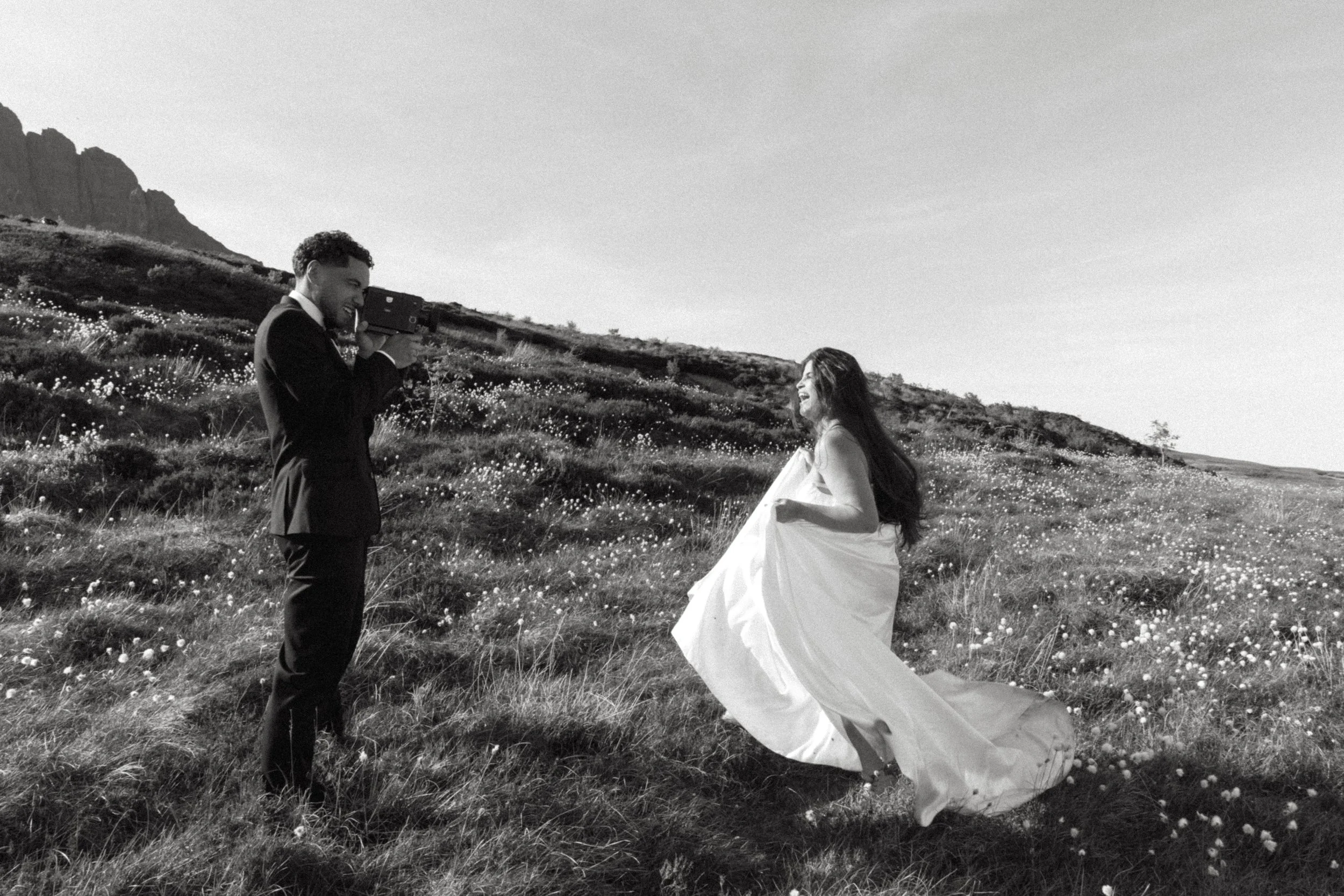
Some of the most meaningful photographs happen outside the obvious parts of the day.
Preparation spaces, quiet corners, and transitional areas often carry emotional weight. Venues that offer calm, light-filled rooms for getting ready tend to produce more grounded images — particularly in winter or shoulder seasons.
Ask where each part of the day actually takes place, not just where it’s meant to.
A note on New England geography and style
New England venues often fall into a few broad categories: coastal estates, historic inns, barns, private homes, and modern architectural spaces.
Each can photograph beautifully in every season — but only when thoughtfully designed and well maintained.
I’ve found that venues in Rhode Island and coastal Massachusetts often excel in light but need strong indoor options. Connecticut and upstate New York venues frequently offer space and structure, but lighting varies significantly. Cape Cod venues benefit from restraint; the more a space allows the environment to breathe, the better it photographs over time.
There is no single “best” style — only suitability.
Frequently Asked Questions
Is it better to choose a venue based on our wedding season?
It’s more important to choose a venue that adapts well. Seasons change. Weather is unpredictable. A flexible venue photographs better overall.
Do outdoor venues photograph better than indoor ones?
Not necessarily. Indoor spaces with good light and proportion often produce more consistent images across seasons.
Should we prioritise scenery or interiors?
Interiors matter more than most couples expect, especially in New England where weather and daylight vary dramatically.
How can we tell if a venue has good light?
Visit at the same time of day as your ceremony or reception. Notice how the light falls on people, not just the room.
Does a photographer’s style affect how a venue looks?
Yes, but a strong venue supports many styles. If a space only looks good in one aesthetic, it may not age well.
A final thought
A venue that photographs beautifully in every season isn’t about spectacle. It’s about balance — light, structure, and adaptability working quietly in the background.
When a venue is chosen with these factors in mind, the photographs tend to feel calm, coherent, and grounded, regardless of the time of year. And those are the images that last.
If you’d like to explore this further, or you have any more questions, feel free to reach out to me anytime to discuss your dream wedding day!