
What Is A Micro Wedding? And Is It Right For You?

Micro weddings have become a popular alternative to large, traditional celebrations — but the term is often misunderstood. Many couples are drawn to the idea of a smaller wedding without fully understanding how a micro wedding differs from an elopement, or what planning one actually involves. Guest count, structure, logistics, and overall experience all play an important role in defining whether a micro wedding is the right choice.
In this article, we’ll break down exactly what a micro wedding is, how it compares to both elopements and traditional weddings, and what you should consider before deciding if it suits your priorities. We’ll also cover practical planning details such as guest numbers, timelines, budgets, locations, and photography — with examples from regions like New England, Upstate New York, and Scotland — so you can make an informed, confident decision.
What Is a Micro Wedding?
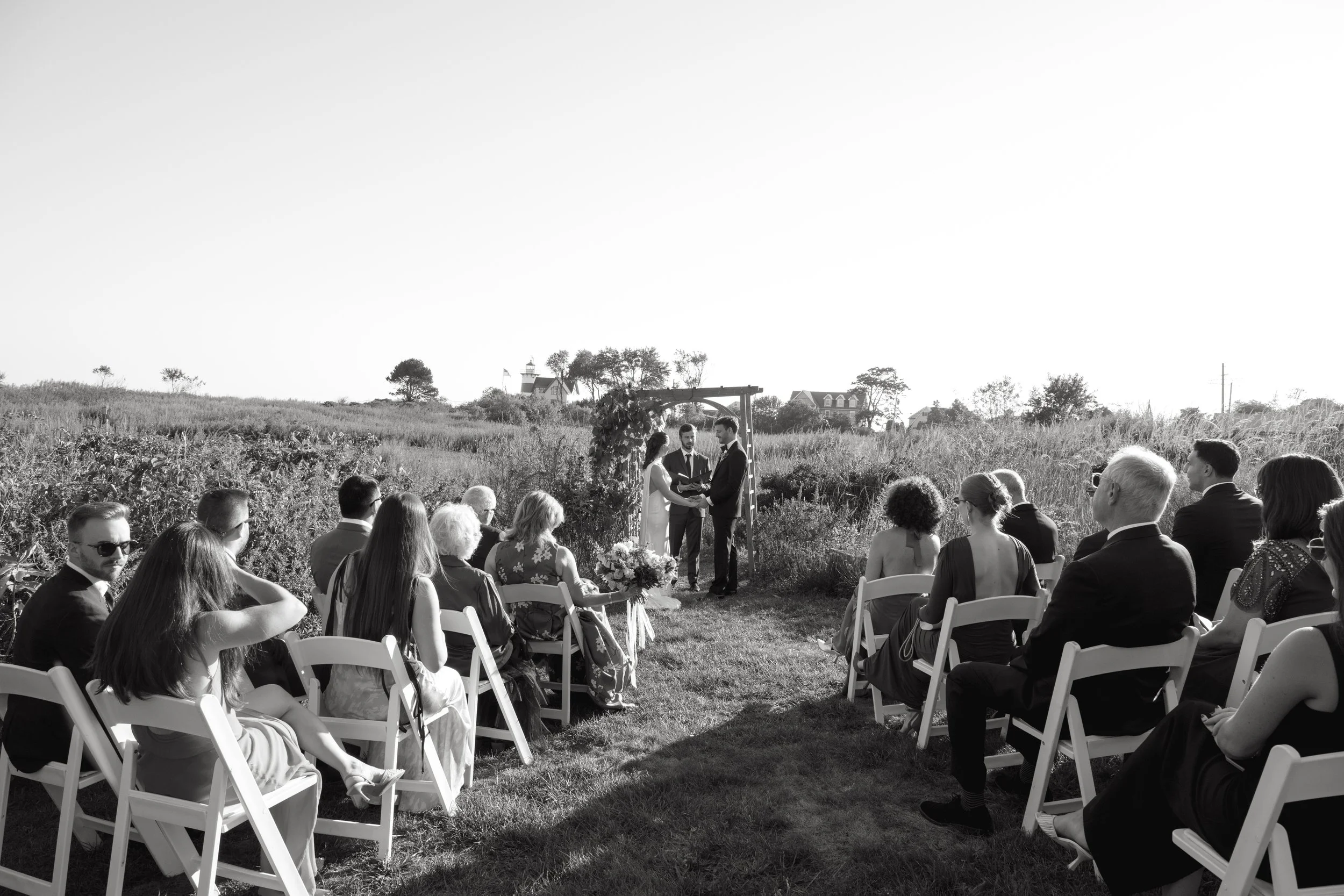
A micro wedding is a small-scale wedding celebration that typically includes 10–20 guests, though some definitions extend up to 30. The key distinction is that a micro wedding retains many elements of a traditional wedding — ceremony, reception, meal, and formal structure — but on a much more intimate scale.
Unlike an elopement, which prioritises flexibility and minimal structure, a micro wedding usually follows a familiar wedding-day flow, just with fewer people.
Core characteristics of a micro wedding
Most micro weddings include:
A formal ceremony
A seated meal or planned reception
A structured timeline
Traditional suppliers (photographer, florist, caterer, etc.)
A clearly defined guest list
What changes is the scale — not necessarily the intention or formality.
Micro Wedding vs Elopement: What’s the Difference?
There is a relatively common confusion between a micro wedding and an elopement, and it comes down primarily to guest count and structure.
Guest count and structure
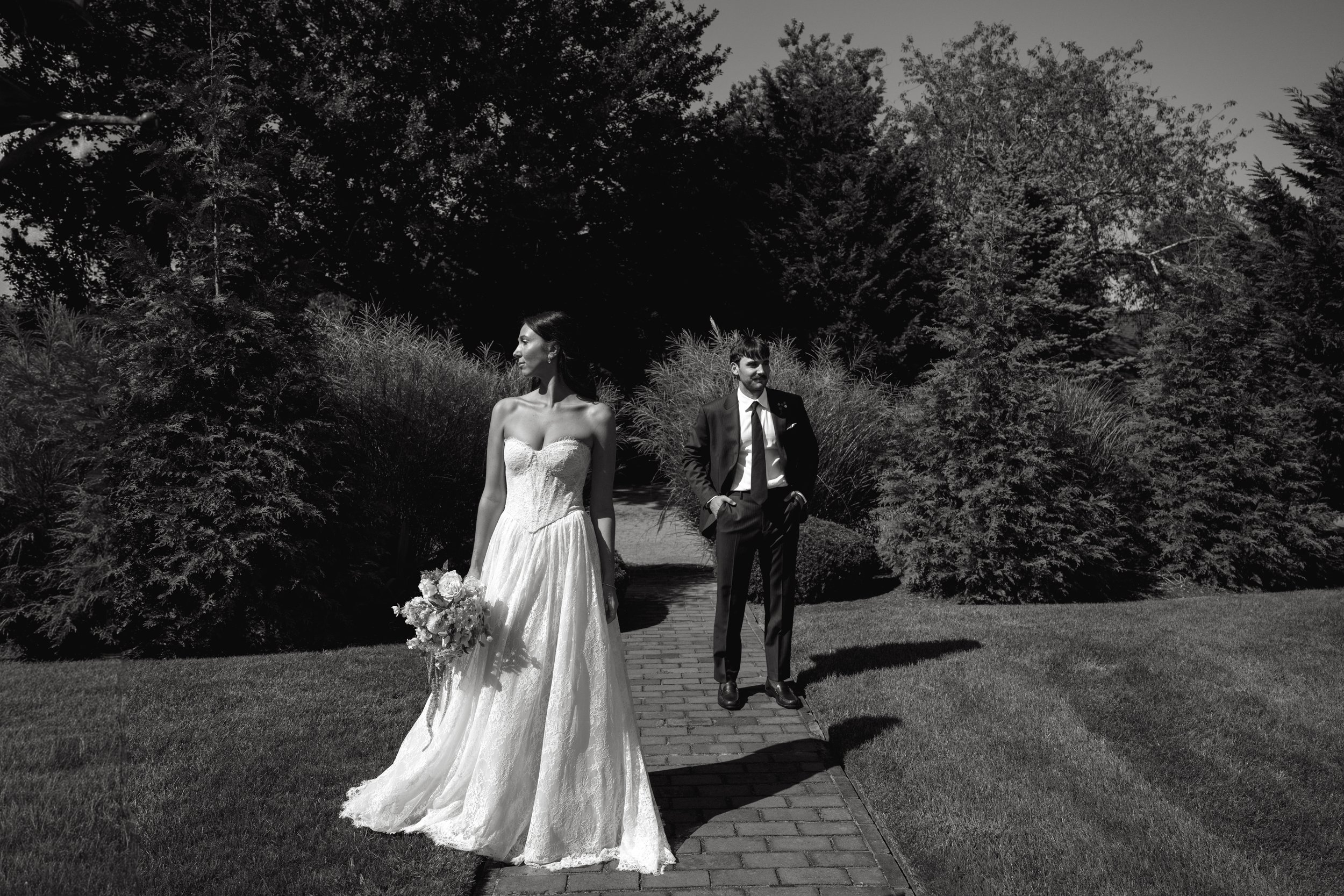
Elopement: Usually just the couple, or the couple plus a very small number of guests (often 2–10). The day is experience-led and flexible.
Micro wedding: Typically 15–30 guests, with a more traditional wedding structure and clear schedule.
As guest numbers increase, the day naturally becomes more logistically complex. Seating, catering, transport, and timelines all need to be coordinated — which moves the event firmly into micro wedding territory.
Experience and pacing
Elopements prioritise privacy, movement, and flexibility. Micro weddings prioritise intimacy while still offering a shared experience with guests. Neither option is better — they simply serve different priorities.
Why Couples Choose a Micro Wedding
Micro weddings appeal to couples who want connection without the scale or pressure of a large event.
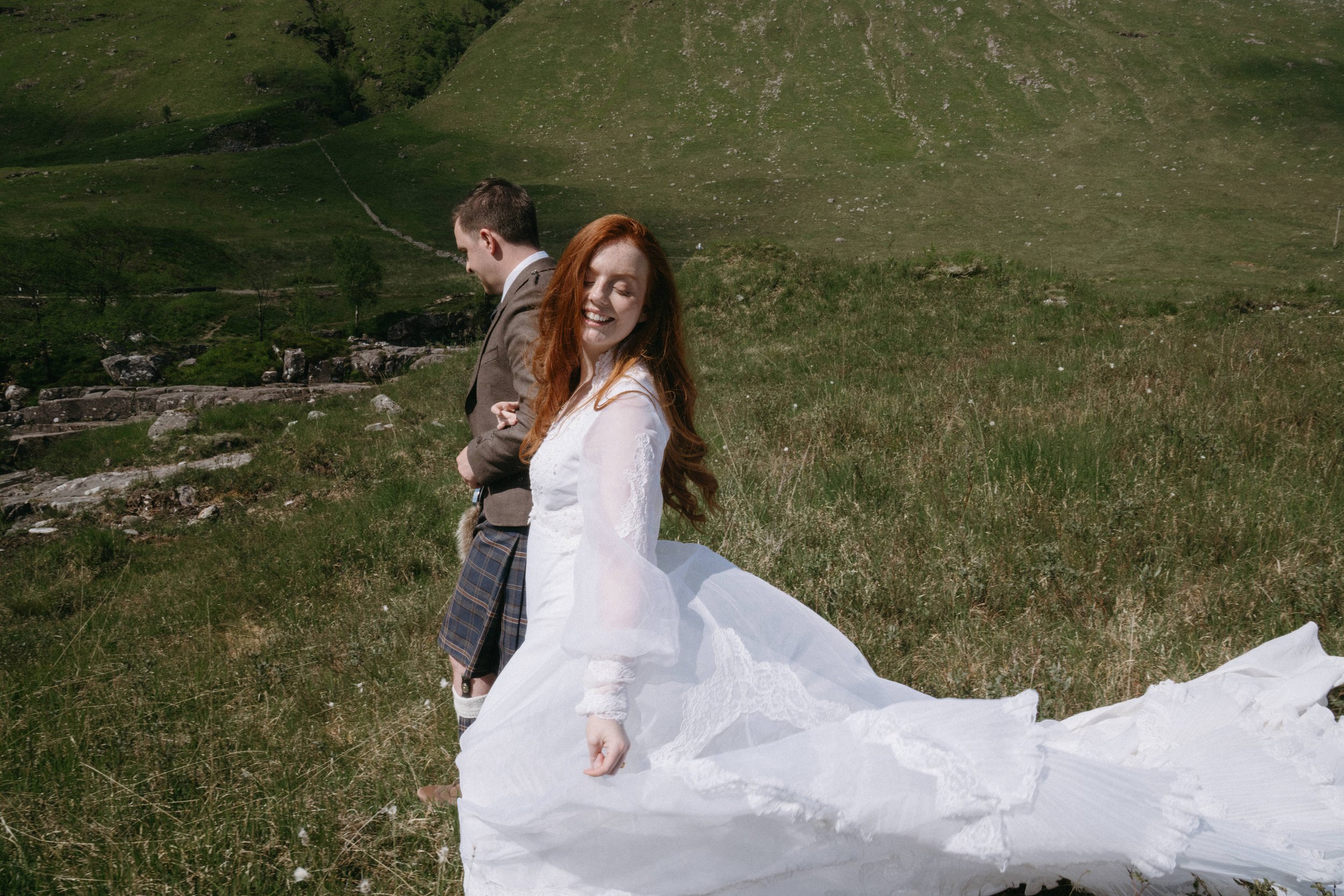
More meaningful guest experience
With fewer guests, it becomes easier to:
Spend time with everyone present
Share meals and conversations without feeling rushed
Create a relaxed, welcoming atmosphere
Many couples find that a smaller guest count allows them to be more present throughout the day.

Greater flexibility with budget
A micro wedding doesn’t automatically mean lower cost, but it does allow you to allocate your budget differently.
For example:
Higher-quality food and drink
More considered venue choices
Longer photography coverage
Thoughtful accommodation or guest experiences
Rather than spreading a budget thinly, couples can invest in what matters most.
Is a Micro Wedding Right for You?
Deciding whether a micro wedding is the right fit depends on your priorities, not trends.
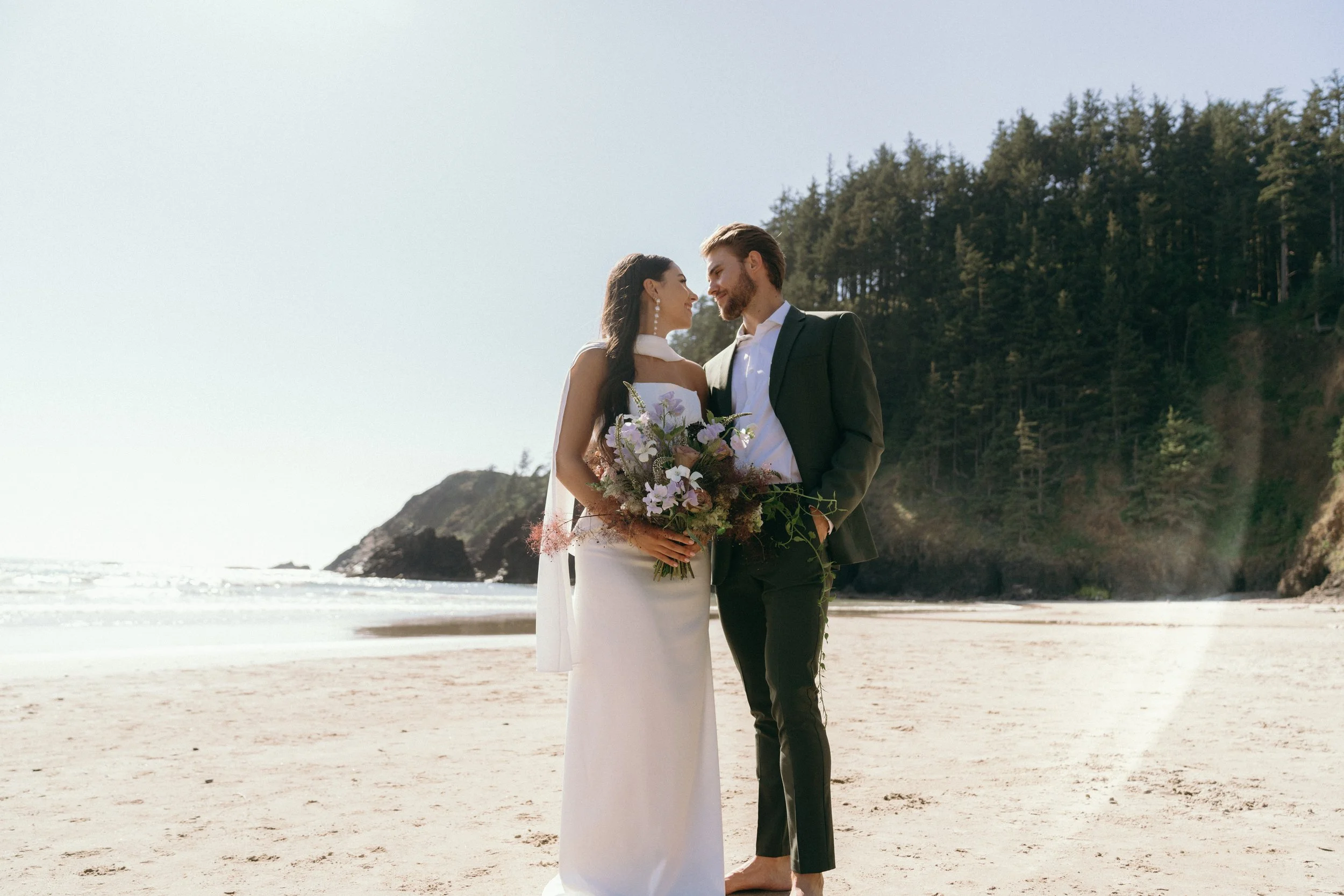
A micro wedding may be right if:
You want a traditional wedding feel without a large guest list
Spending time with each guest matters to you
You prefer quality over quantity
You want a structured day without excessive pressure
It may not be the best fit if:
You want complete flexibility and minimal structure
You prefer not to host or coordinate guests
You’re drawn to remote or highly mobile locations
You want a very short or informal celebration
Being honest about how you want the day to feel is more important than fitting into a label.
How Many Guests Should You Invite to a Micro Wedding?
There’s no fixed number, but guest count directly shapes logistics and atmosphere.
Typical micro wedding guest count
Most micro weddings include:
Immediate family
A small group of close friends
Usually between 10 and 20 people
Once guest numbers exceed this range, venues, catering requirements, and timelines begin to resemble a traditional wedding more closely.
Setting boundaries early
Guest lists are often the most emotionally complex part of planning. Setting clear boundaries early helps prevent the event from growing beyond what you intended.
Where Do Micro Weddings Work Best?
Micro weddings are well-suited to a wide range of locations — often ones that wouldn’t accommodate large groups.
Popular micro wedding locations
There are obviously so many places to hold a micro wedding—given the smaller size, there is a lot more flexibility! But micro weddings more often than not happen in places like:
Boutique inns and hotels
Private estates or homes
Small countryside venues
Historic buildings or gardens
Airbnb's
These settings offer character and intimacy without the need for large-scale infrastructure.
Accessibility matters
Even with fewer guests, consider:
Travel distance and accommodation
Accessibility for older guests
Weather and seasonal considerations
A location that feels effortless for your group will always enhance the experience.
How to Plan a Micro Wedding Timeline
Micro weddings still benefit from a clear, realistic timeline — even if the day is more relaxed than a large event.

Key timeline components
Most micro wedding timelines include:
Preparation time
Ceremony
Portraits and group photographs
A shared meal or reception
Because guest numbers are smaller, transitions tend to be smoother, but buffer time is still essential.

Avoid overpacking the day
One of the biggest advantages of a micro wedding is space. Resist the urge to add too many activities. A simple flow allows the day to feel calm and intentional.
When Should You Book Your Photographer?
Photography plays a significant role in micro weddings, as the experience itself is often the focus.

Book early for popular seasons
In high-demand regions like New England and Scotland, photographers often book 9–15 months in advance, especially for peak months such as September and October.
Look for micro wedding experience
Choose a photographer who:
Has experience with small weddings
Understands how to photograph groups efficiently
Can help guide the timeline
Micro weddings require a different approach than large events or elopements.
Budget Considerations for a Micro Wedding
A micro wedding budget can vary widely depending on priorities.

Where couples often invest more
With fewer guests, couples often choose to prioritise:
Venue quality
Food and drink
Photography and video
Guest accommodation or experiences
Florals

Where costs may be similar to larger weddings
Some costs remain relatively fixed, regardless of guest count:
Photography
Planning services
Attire
Legal requirements
Understanding this helps set realistic expectations early on.
Do You Need a Planner for a Micro Wedding?
While not essential, planners can be particularly helpful for micro weddings that involve:
Multiple locations
Travel or accommodation coordination
Outdoor or permit-based venues
Some couples opt for partial planning or day-of coordination to keep things running smoothly without full-scale involvement.
Common Micro Wedding Mistakes to Avoid
Even smaller weddings can become stressful without thoughtful planning.
LETTING THE GUEST LIST GROW UNINTENTIONALLY: A few extra guests can significantly change logistics and costs.
UNDERESTIMATING TIMELINES: Smaller does not always mean faster. Build in buffer time, especially for meals and photographs.
CHOOSING SUPPLIERS UNFAMILIAR WITH SMALL WEDDINGS: Not every supplier adapts easily to micro weddings. Experience matters.
Frequently Asked Questions About Micro Weddings
How is a micro wedding different from a small wedding?
The terms are often used interchangeably, but micro weddings typically involve a more intentional cap on guest numbers and a focus on intimacy.
Can a micro wedding still feel formal?
Yes. Many micro weddings include formal attire, elegant venues, and structured timelines.
Is a micro wedding cheaper than a traditional wedding?
Not always. While guest-related costs are lower, many couples choose to invest more per guest.
Are micro weddings suitable for families?
Absolutely. Smaller guest lists often make family-focused celebrations more relaxed and meaningful.
Can you combine a micro wedding with travel?
Yes. Destination micro weddings are popular, particularly in regions like New England, Upstate New York, and Scotland, where compact geography supports travel-friendly planning.
Final Thoughts
A micro wedding offers a thoughtful middle ground between an elopement and a traditional wedding. It allows for connection, structure, and celebration — without the scale or pressure of a large event.
By understanding what a micro wedding truly involves and being clear about your priorities, you can create an experience that feels intentional, calm, and genuinely reflective of how you want to celebrate.
If you want to hear more, feel free to reach out to me here