
Do You Need a Second Photographer for Your Wedding?
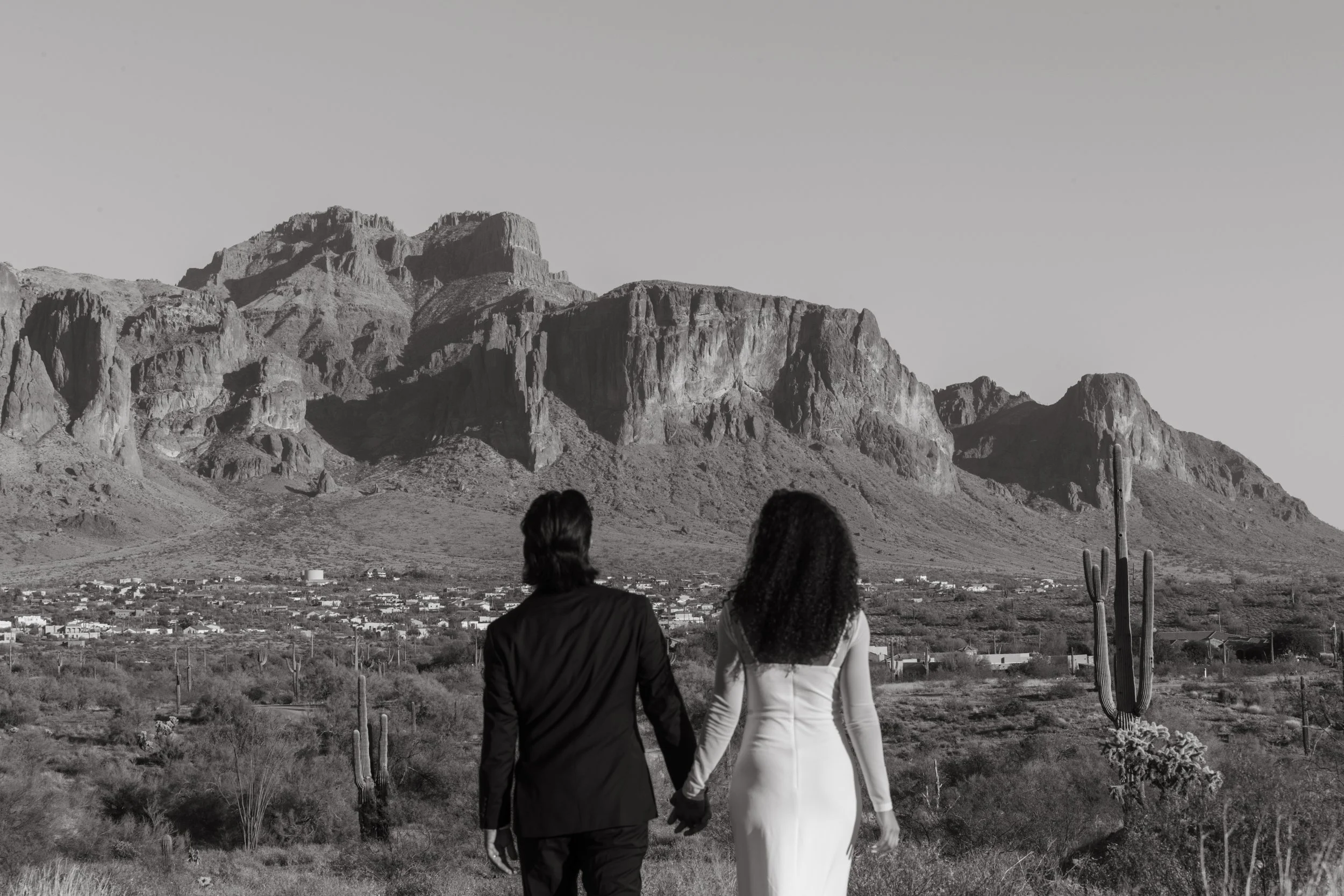
One of the most common questions couples ask when planning photography coverage is whether a second photographer is really necessary. It can feel like an easy place to trim the budget — especially if you’re planning a smaller wedding or keeping things intentionally simple. At the same time, many photographers strongly recommend adding one, which can leave couples unsure how to decide.
This article breaks down what a second photographer actually does, when having one genuinely adds value, and when a single photographer is more than enough. We’ll look at logistics, timelines, guest count, locations, and the overall pace of the day, with examples drawn from weddings in New England, Upstate New York, and Scotland. By the end, you should feel clear and confident about whether a second photographer makes sense for your plans — and why.
What Is a Second Photographer?
A second photographer (sometimes called a second shooter) is an additional professional photographer working alongside the lead photographer on your wedding day. They are not an assistant and not a guest with a camera; they are an experienced photographer hired specifically to capture additional coverage.

How a second photographer supports the day
A second photographer typically:
Photographs parallel moments happening at the same time
Captures alternative angles during key moments
Covers additional guest reactions and details
Helps manage tighter timelines more efficiently
Their role is to complement the lead photographer’s work, not duplicate it.
What Are the Benefits of Having a Second Photographer?
Whether a second photographer is worthwhile depends on the structure and scale of your wedding. In the right situations, it can significantly improve coverage and reduce pressure on the timeline.
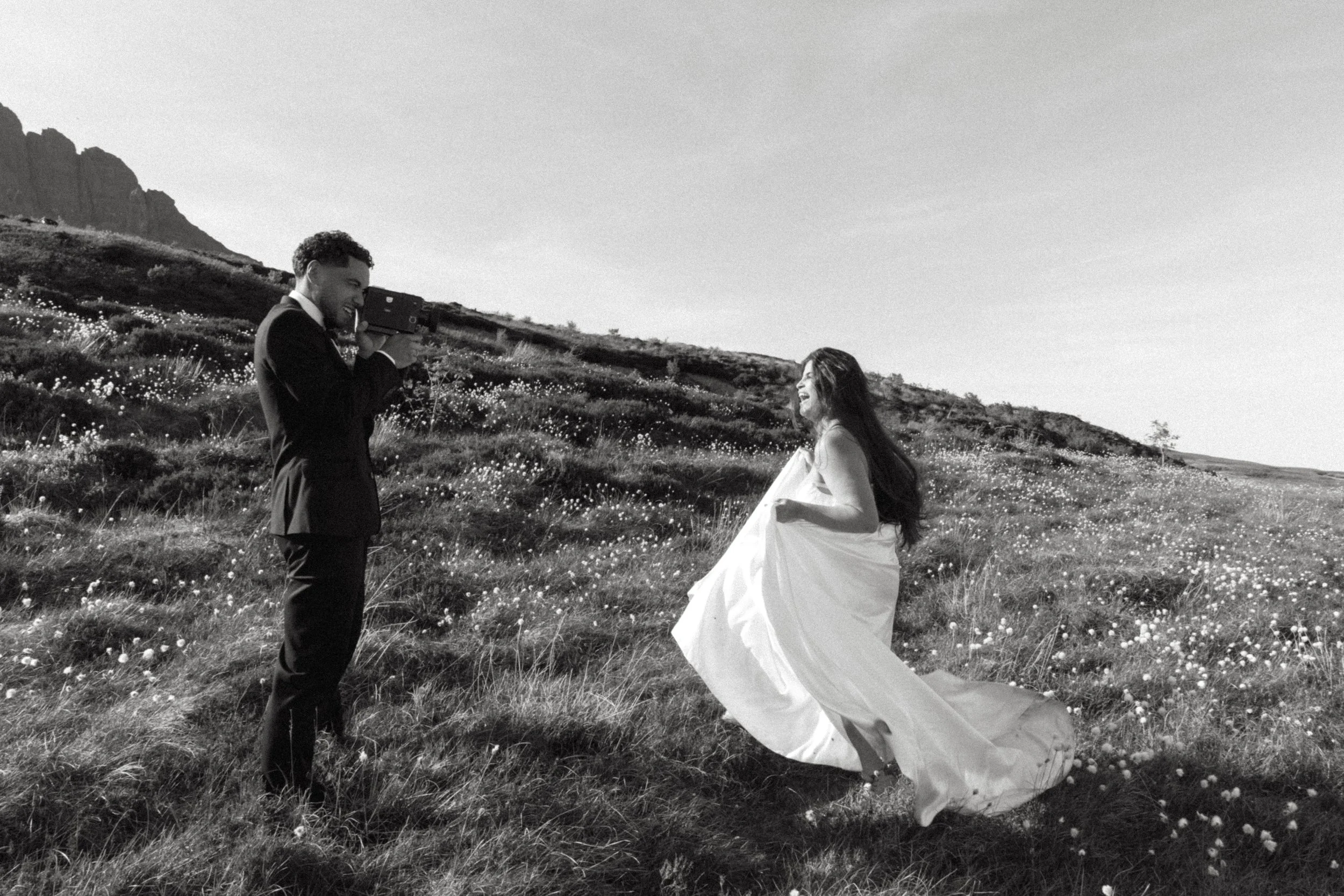
More complete storytelling
With two photographers, it becomes possible to capture:
Both partners getting ready at separate locations
Multiple perspectives during the ceremony
Guest reactions while the lead focuses on the main action
This can result in a fuller visual record of the day, especially when many moments overlap.
Smoother timelines
A second photographer can help keep the day moving by:
Covering details while the lead photographs people
Splitting group photographs more efficiently
Reducing the need to rush between locations
This is particularly helpful for weddings with tighter schedules or multiple venues.
When Do You Actually Need a Second Photographer?
There are specific scenarios where a second photographer is strongly recommended.
Weddings with large guest counts
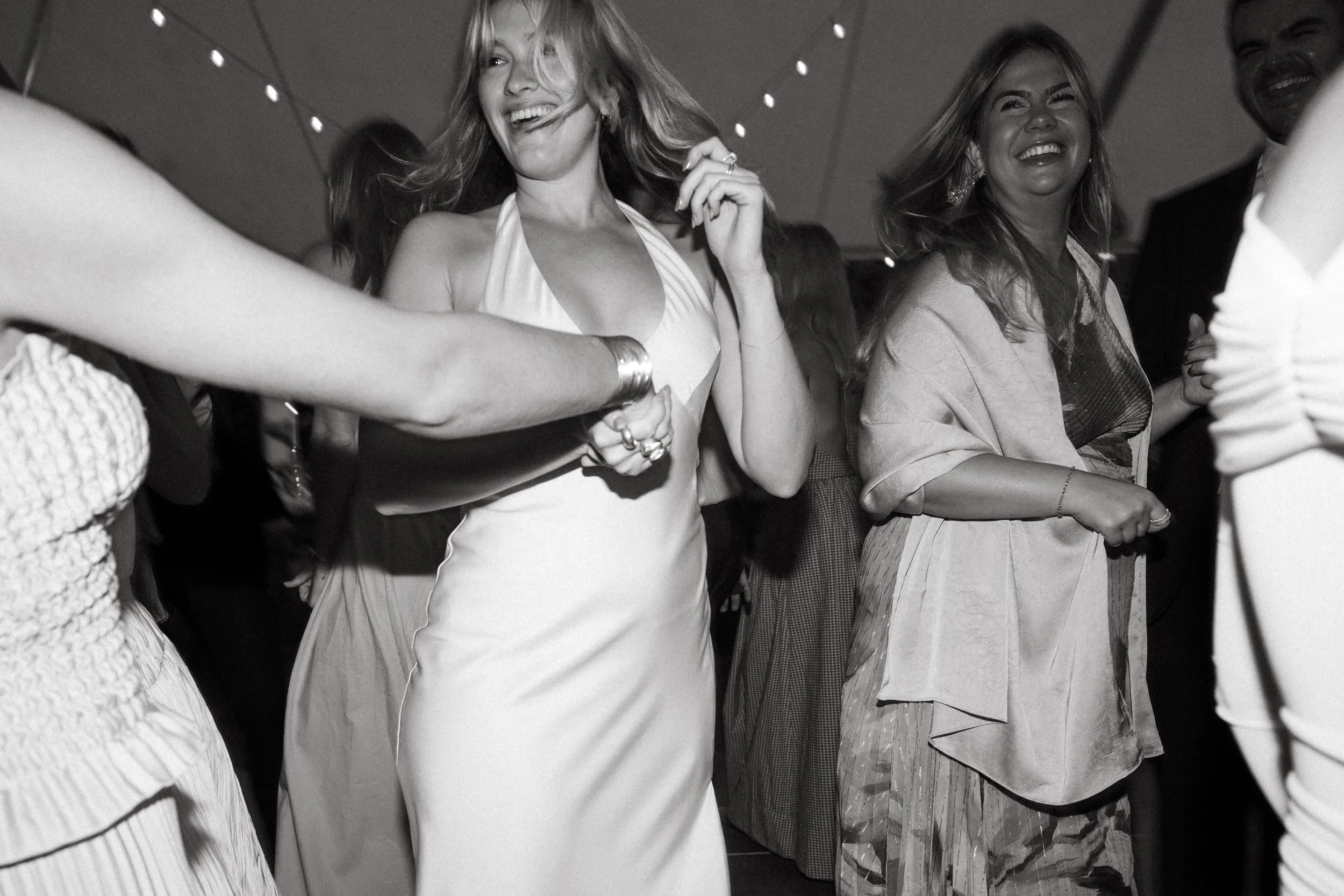
As guest numbers increase, so does the number of moments happening simultaneously. For weddings with 100+ guests, a second photographer often becomes more valuable.
They can focus on:
Candid guest interactions
Cocktail hour coverage
Additional angles during speeches
This ensures guests are well represented without pulling focus from key events.
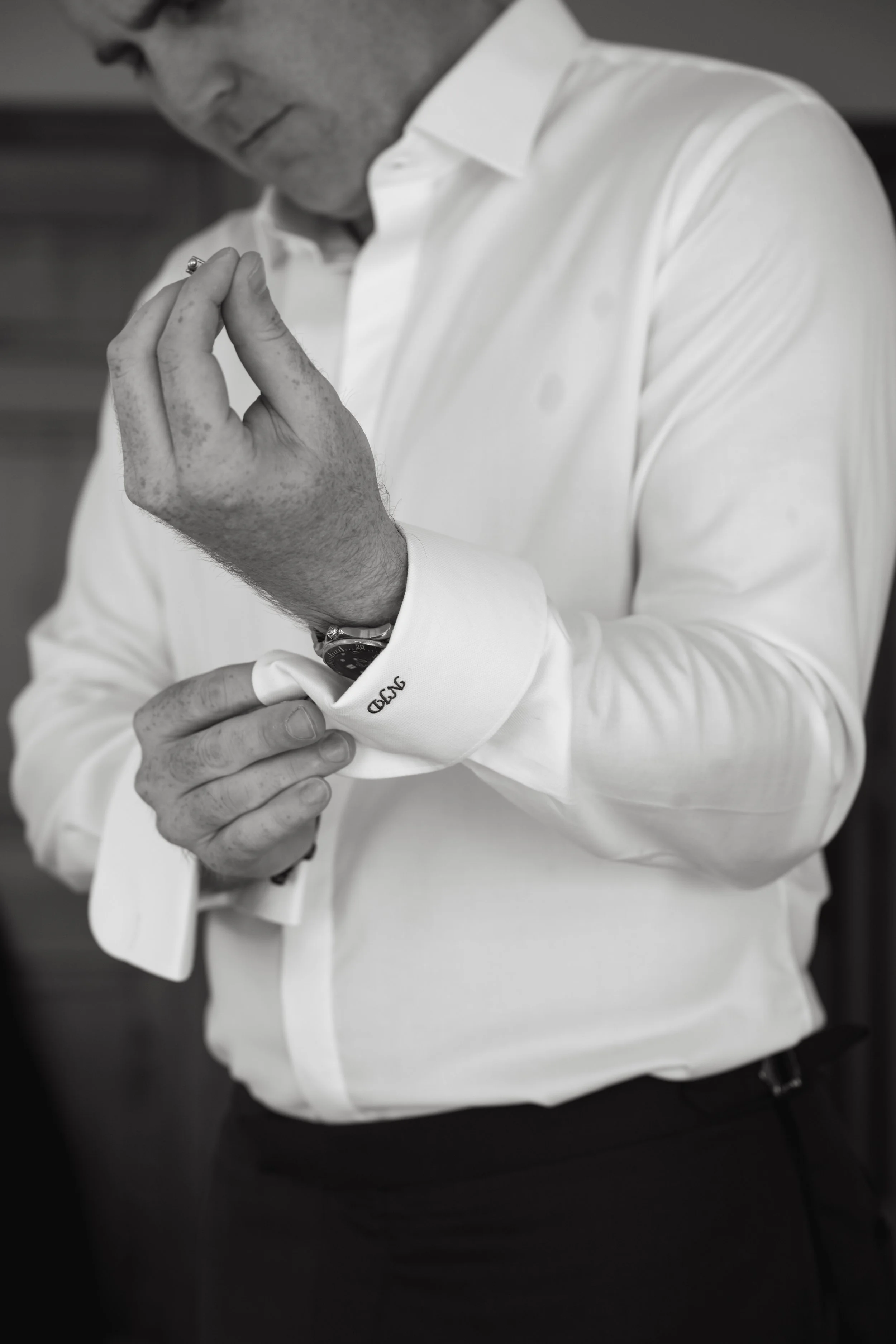
Getting ready in different locations
If both partners are getting ready at separate locations and you want coverage of both, a second photographer is usually essential. Without one, the lead photographer must choose one location or split time — often resulting in rushed coverage.
This is common for weddings across New England and Upstate New York, where travel between locations can add complexity.
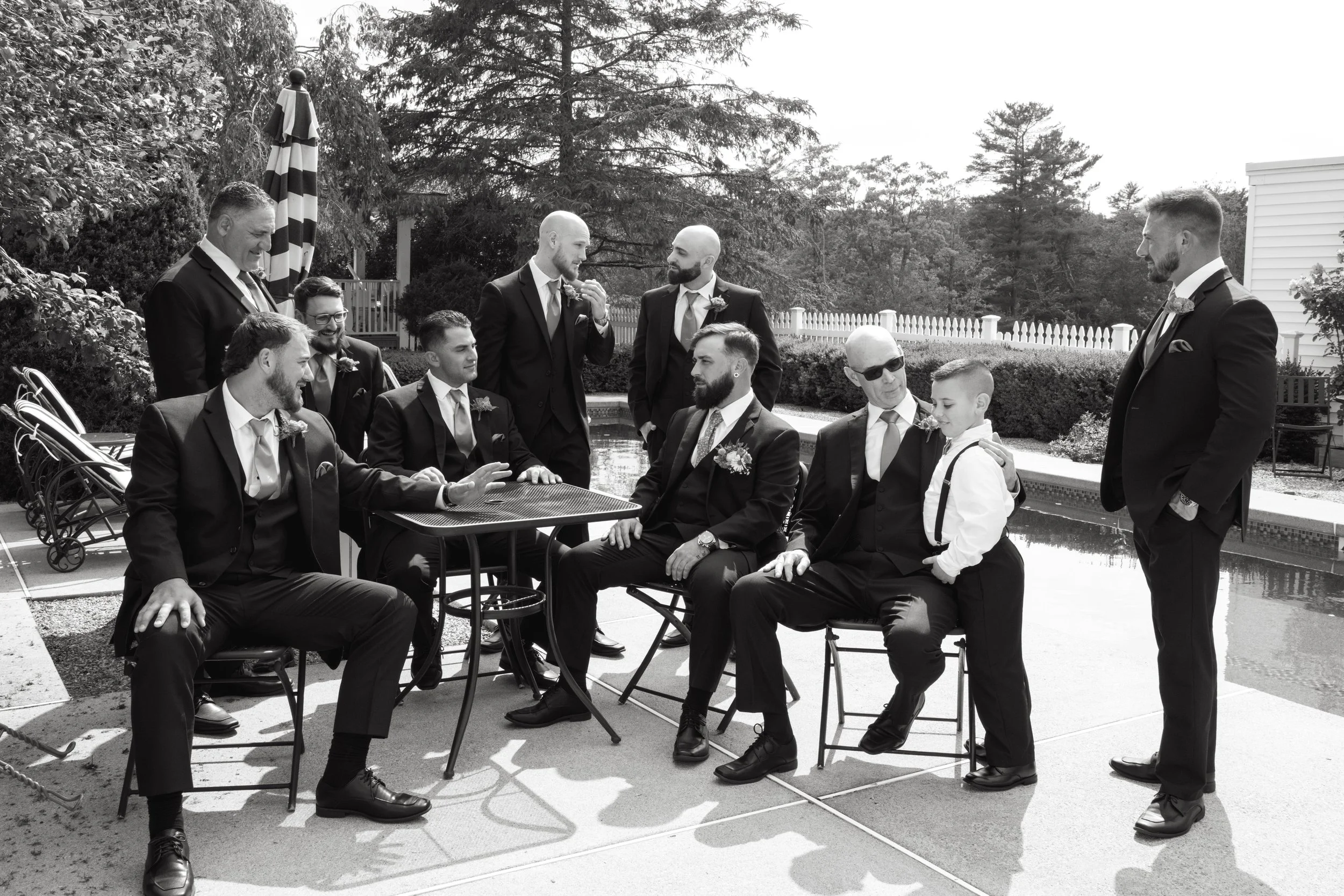
Logistically complex days
A second photographer is helpful when:
There are multiple venues
Travel time is significant
The ceremony and reception are far apart
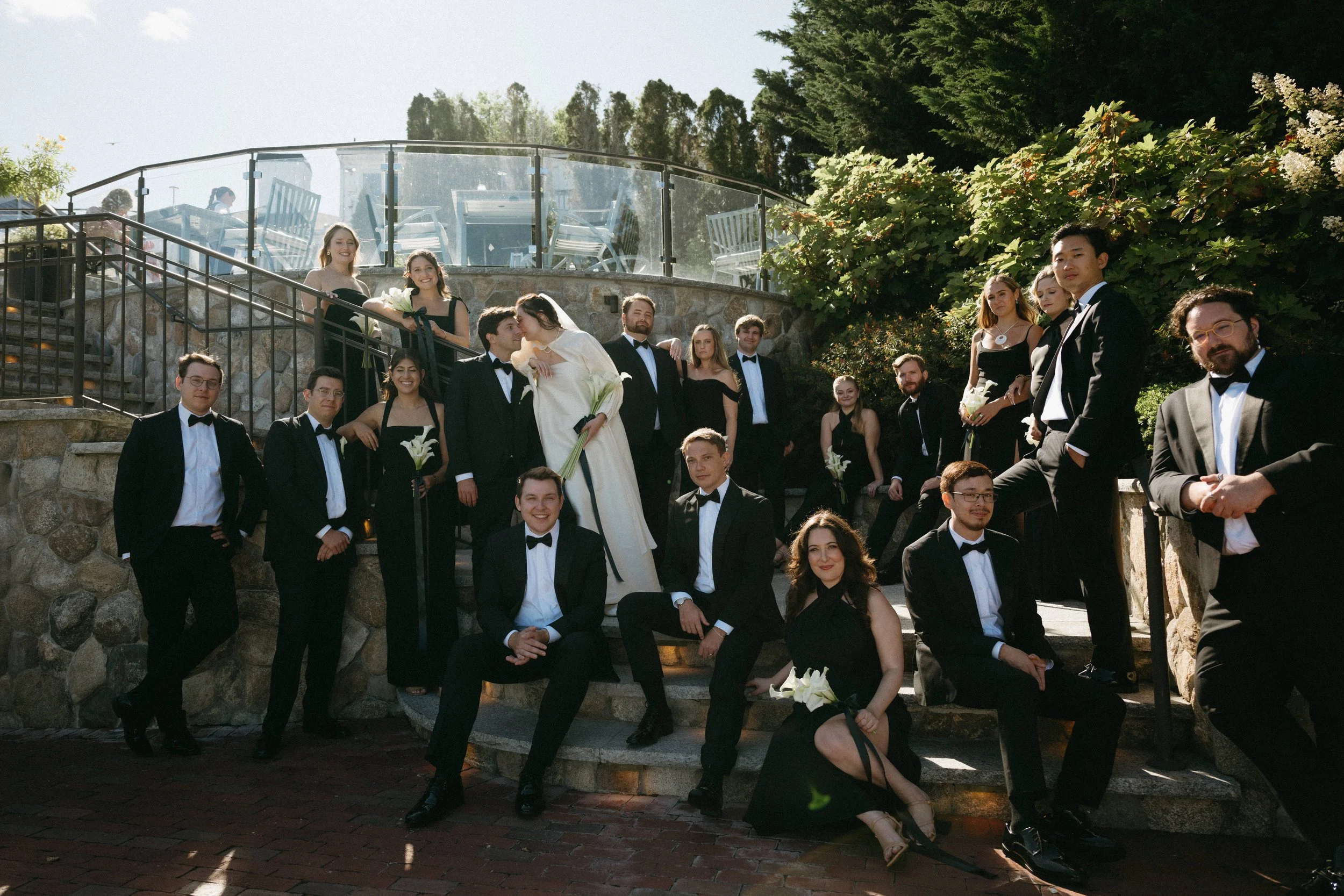
You have large wedding parties
In these cases, having two photographers can reduce stress and allow for better coverage without compromising quality.
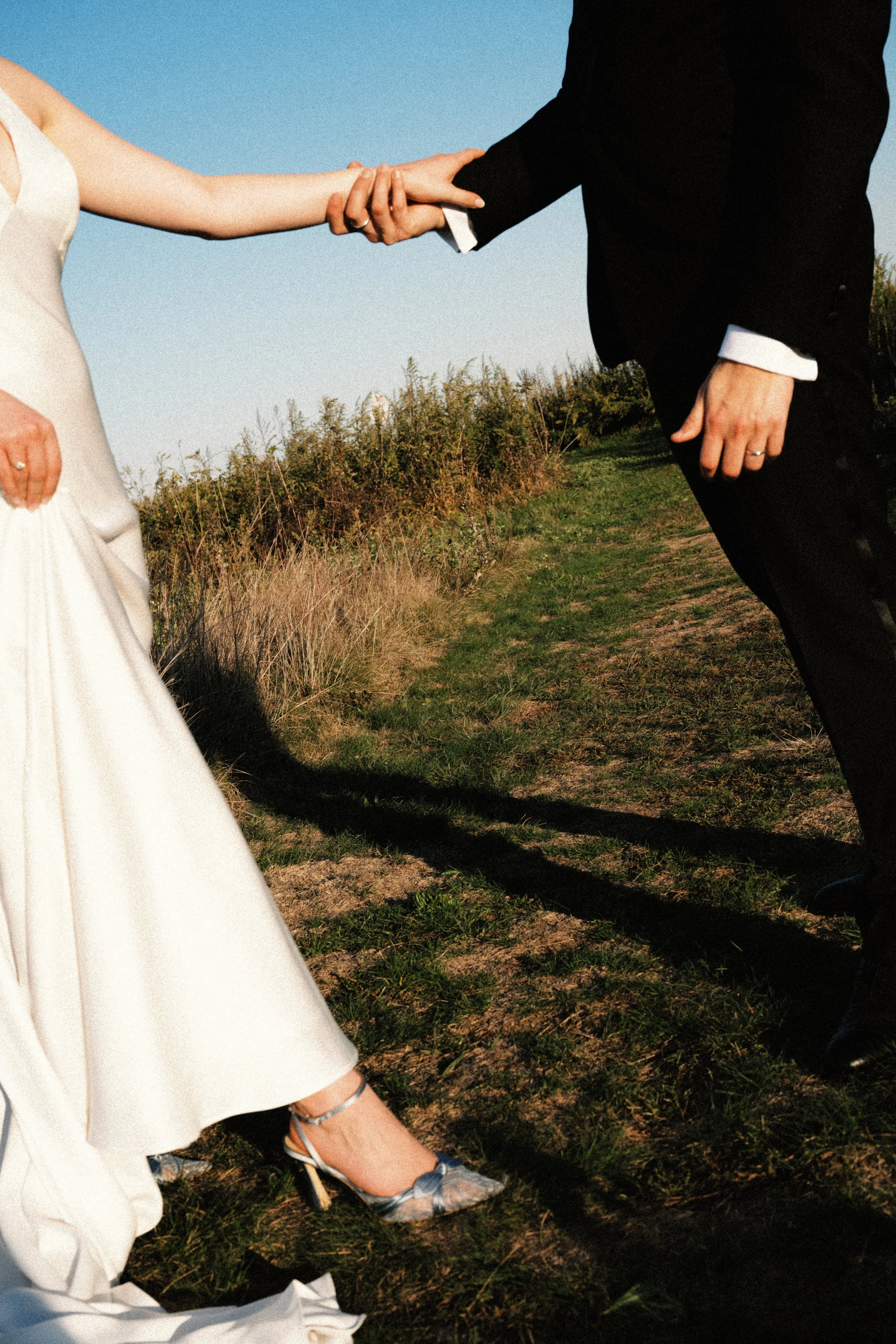
You opt out of a first look
If you choose not to do a first look, more key moments are naturally pushed to after the ceremony. This often means that couple portraits, family photographs, and wedding party photographs all need to happen within a relatively short window — usually during cocktail hour.
In these situations, a second photographer can be particularly helpful. While the lead photographer focuses on portraits and formal groupings, the second photographer can capture candid guest interactions, wider scene-setting images, and the atmosphere of cocktail hour. This allows you to move through post-ceremony photographs without feeling rushed or pulled in multiple directions, while still preserving a complete visual record of the day.
When Is a Second Photographer Not Necessary?
Just as important as knowing when to add one is knowing when you don’t need one.

Smaller weddings and micro weddings
For micro weddings (typically 10–20 guests), a single experienced photographer is often more than sufficient. The pace is slower, transitions are simpler, and fewer moments overlap.
In these cases, adding a second photographer can feel unnecessary or even intrusive.
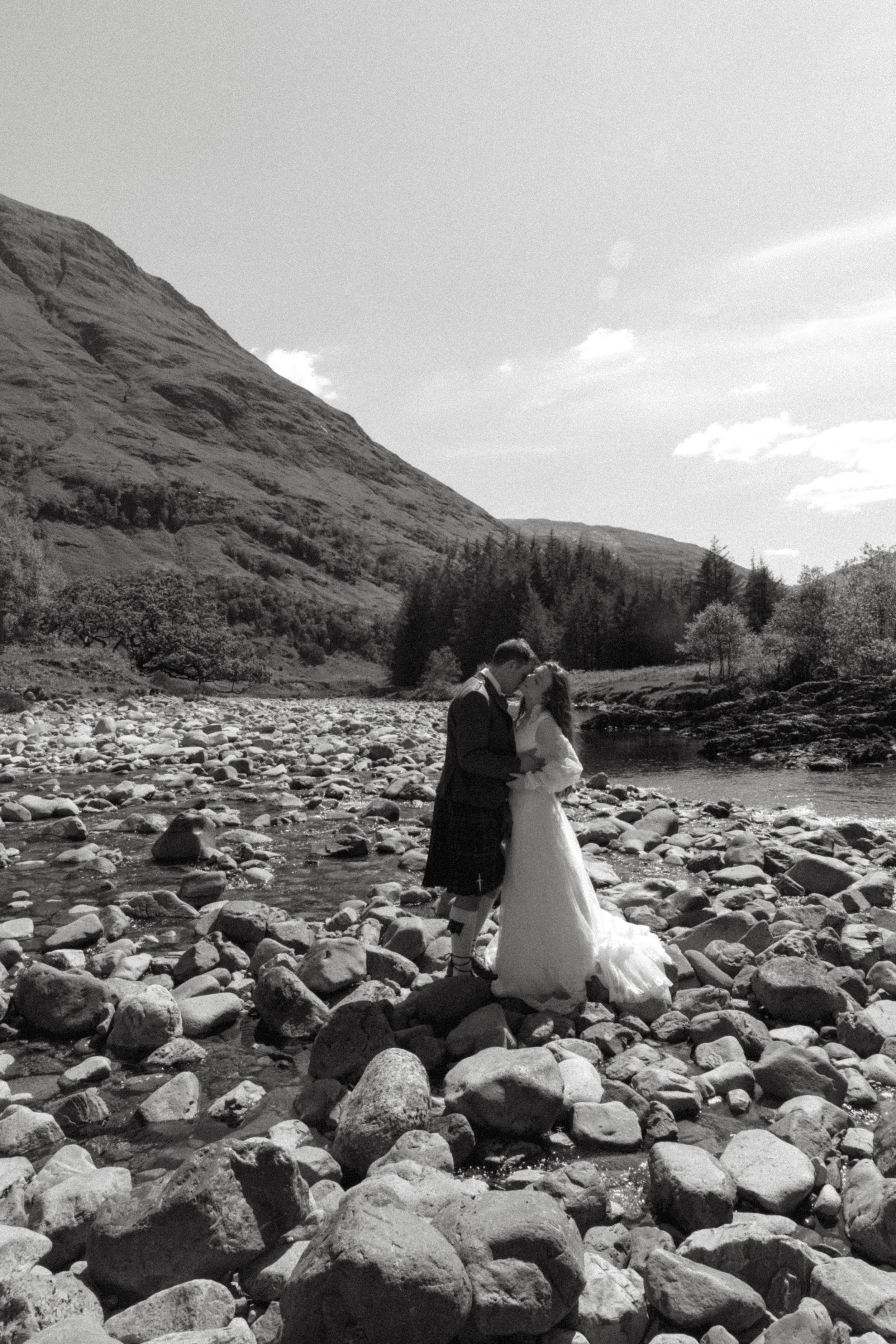
Elopements and intimate celebrations
Elopements are designed around flexibility, privacy, and experience. Most elopements — even those with a few guests — do not require a second photographer. One photographer can move fluidly, adapt to the environment, and capture the day without the added presence of a second person.
One location, relaxed timeline
If everything happens in one place and the timeline includes generous buffer time, a second photographer may not add much practical value.
How Does a Second Photographer Affect the Final Gallery?
Many couples assume that a second photographer automatically means more images. While that can be true, quantity alone shouldn’t be the deciding factor.
It’s about coverage, not volume
A second photographer contributes:
Different perspectives
Parallel coverage of moments
Additional candid imagery
The goal is not simply to deliver more photographs, but to deliver more complete coverage.
Editing and consistency still matter
Professional photographers curate galleries carefully. Even with two photographers, images are selected intentionally to maintain consistency and quality.
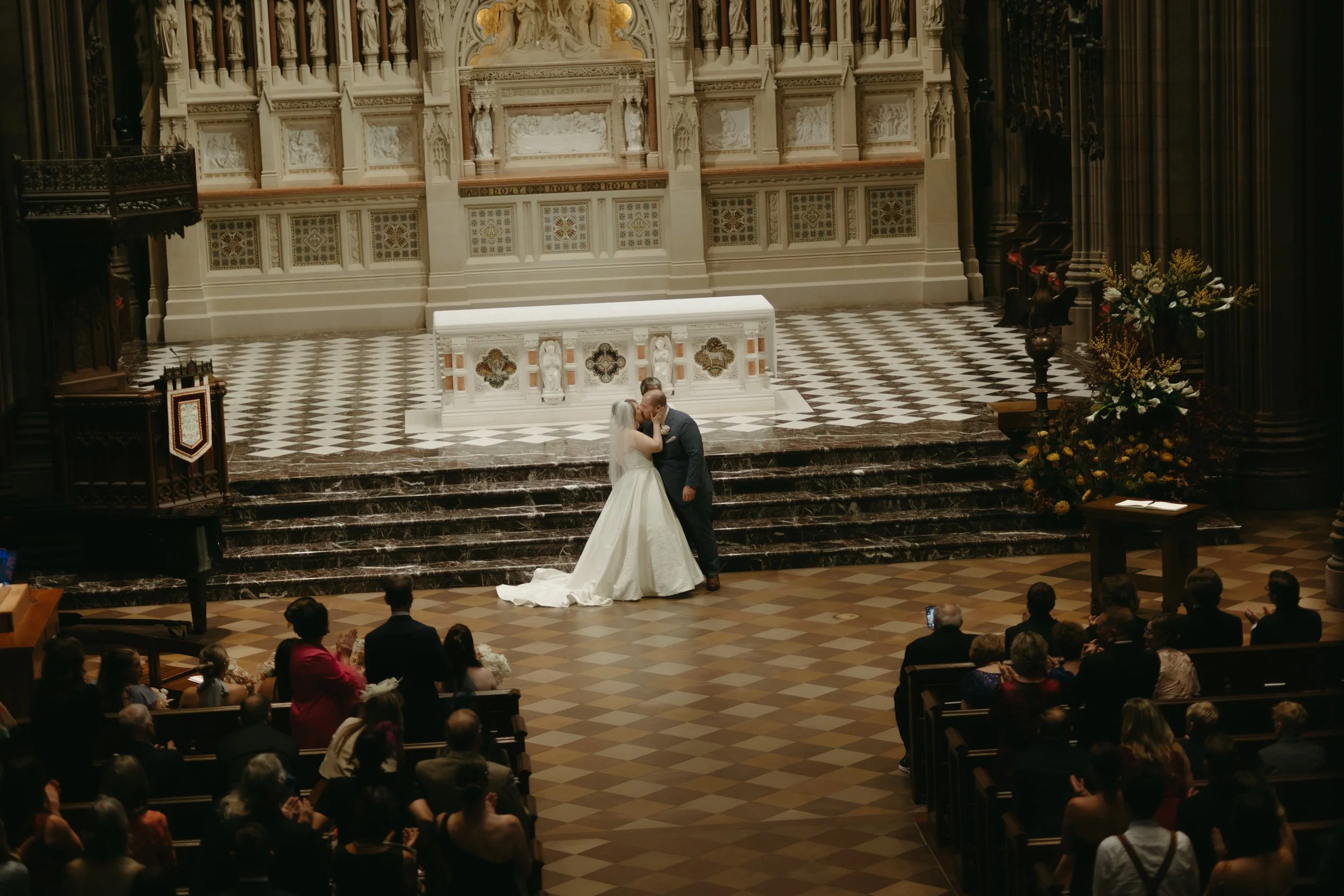
Does a Second Photographer Improve Ceremony Coverage?
Ceremony coverage is one of the strongest arguments for having a second photographer — but only in certain situations.
When it helps
A second photographer can:
Capture guests during key moments
Photograph both partners’ reactions simultaneously
Offer wide and close perspectives
This can be especially valuable in larger ceremonies or formal religious settings.
When one photographer is enough
For smaller ceremonies, particularly those with fewer guests or informal seating, a single photographer can usually cover everything effectively without distraction.
How Guest Count Impacts the Decision
Guest count is one of the most reliable indicators of whether a second photographer is useful.
General guidelines
0–30 guests: One photographer is almost always sufficient
30–80 guests: Usually one photographer, depending on logistics
80–120 guests: Consider a second photographer
120+ guests: A second photographer is often recommended
These are not strict rules, but they provide a helpful starting point.
What About Weddings in Specific Locations?
Location plays a significant role in how photography coverage unfolds.
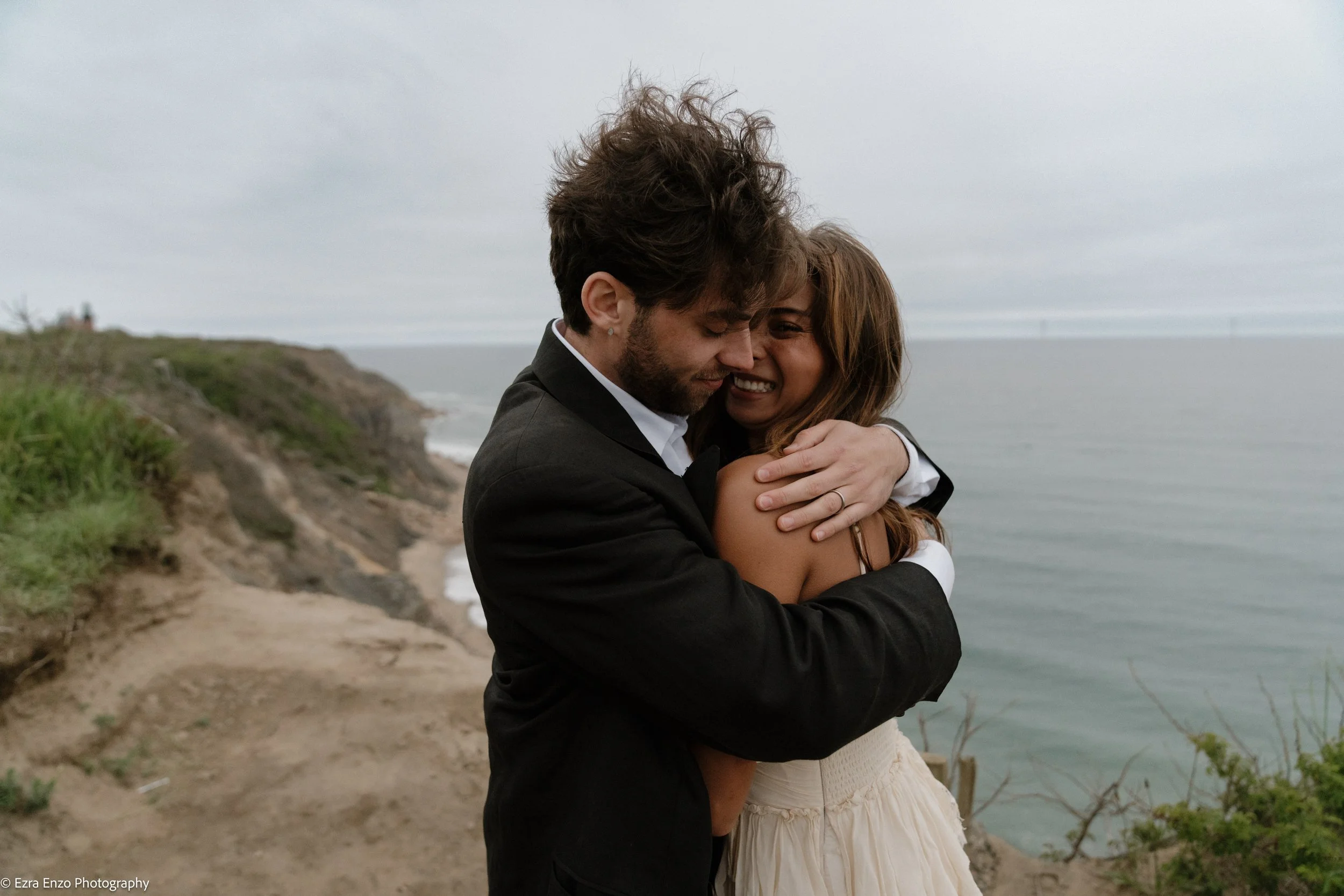
New England and Upstate New York
These regions often involve:
Estate venues with multiple buildings
Long driveways or massive grounds
Variable weather and seasonal light (that are both fast-changing)
A second photographer can help manage distance and timing, especially in autumn when daylight fades earlier.

Overseas destination weddings
In places like Scotland, Costa Rica, South Africa, Italy, Greece, Mexico (and so many other common spots to get married) where landscapes and travel are integral to the experience, a single photographer often works best for elopements and small weddings. For larger destination weddings with guests spread across locations, a second photographer may be helpful.
Is a Second Photographer Worth the Cost?
This is ultimately a value-based decision rather than a rule-based one.

What you’re paying for
The cost of a second photographer reflects:
Their professional experience
Additional editing time
Increased coverage and coordination
It’s not simply an add-on; it’s an expansion of the service.

When it’s a smart investment
A second photographer is often worth it when it:
Reduces time pressure
Improves guest coverage
Supports a complex schedule
When those factors aren’t present, the investment may not offer the same return.
One thing I always tell every single one of my couples: at the end of the day, a second photographer is one of the safest investments you can make in your wedding planning, no matter the size, logistics, or timeline. Second photographers offer another perspective to important moments, and obviously you do end up getting more photos; but the biggest thing (in my opinion) is that having another wedding professional present means you have another problem-solver on your team, another person to help wrangle slow family members (we’ve all been there), and simply another pair of professional hands and professional eyes. Not to mention, it’s your built-in backup plan in case something happens with your photographer on the day itself!
How to Decide What’s Right for You
Rather than asking “Should we have a second photographer?”, a better question is: What does our day actually require?
Questions to ask yourselves
Are we getting ready in different locations?
How many guests will be present?
How tight is the timeline?
How important are guest reactions and candid moments?
Your answers will usually point clearly in one direction.
Talk to your photographer
An experienced photographer will give honest guidance based on your plans — not a default recommendation. Their insight comes from seeing how different days unfold in real time.
Common Misconceptions About Second Photographers
“A second photographer is only for large weddings”: Not always. It’s about logistics, not just numbers.
“More photographers means better photos”: Quality depends on experience, timing, and connection — not headcount.
“We’ll miss important moments without one”: With a thoughtful timeline and an experienced photographer, key moments are rarely missed.
Frequently Asked Questions About Second Photographers
Can a second photographer replace longer coverage?
Not usually. They serve different purposes. Coverage length affects when moments are captured; a second photographer affects how they’re captured.
Will a second photographer be present all day?
This depends on the package. Some photographers include a second photographer for part of the day only.
Do second photographers edit their own images?
Typically, the lead photographer handles editing to maintain consistency across the gallery.
Is a second photographer intrusive?
When managed well, no. Experienced professionals know how to work discreetly and collaboratively.
Can we decide later whether to add one?
Often yes, but availability can be limited. It’s best to discuss this early, especially for peak dates.
Final Thoughts
Deciding whether you need a second photographer comes down to clarity — about your guest count, locations, timeline, and priorities. For some weddings, a second photographer adds genuine value and ease. For others, one experienced photographer is not only sufficient, but ideal.
There is no universally correct answer — only what best supports how you want the day to unfold. Thoughtful planning and honest conversations will always lead to the right choice.
If you want to hear more, feel free to reach out to me here.