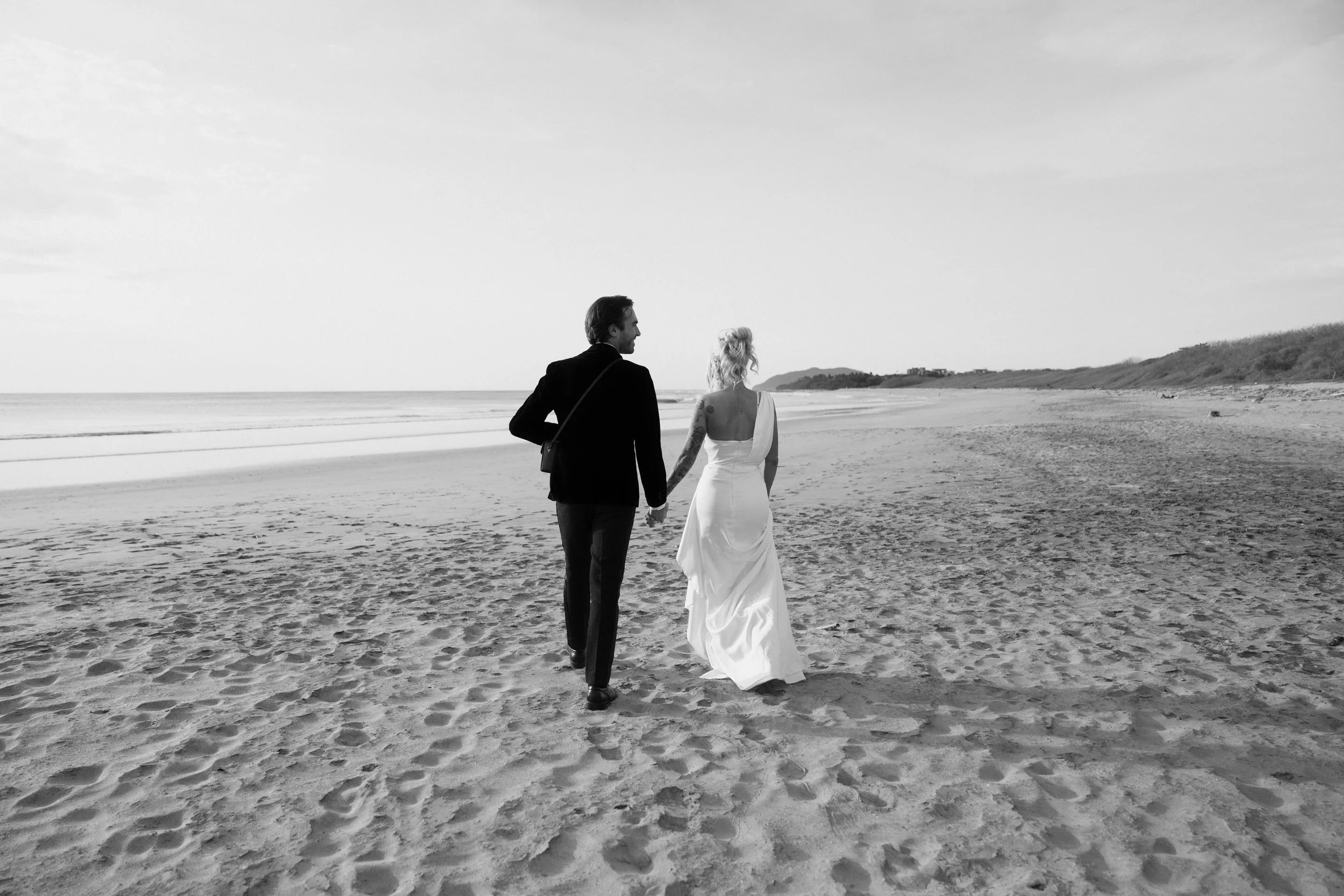
Planning a Luxury Elopement in New England
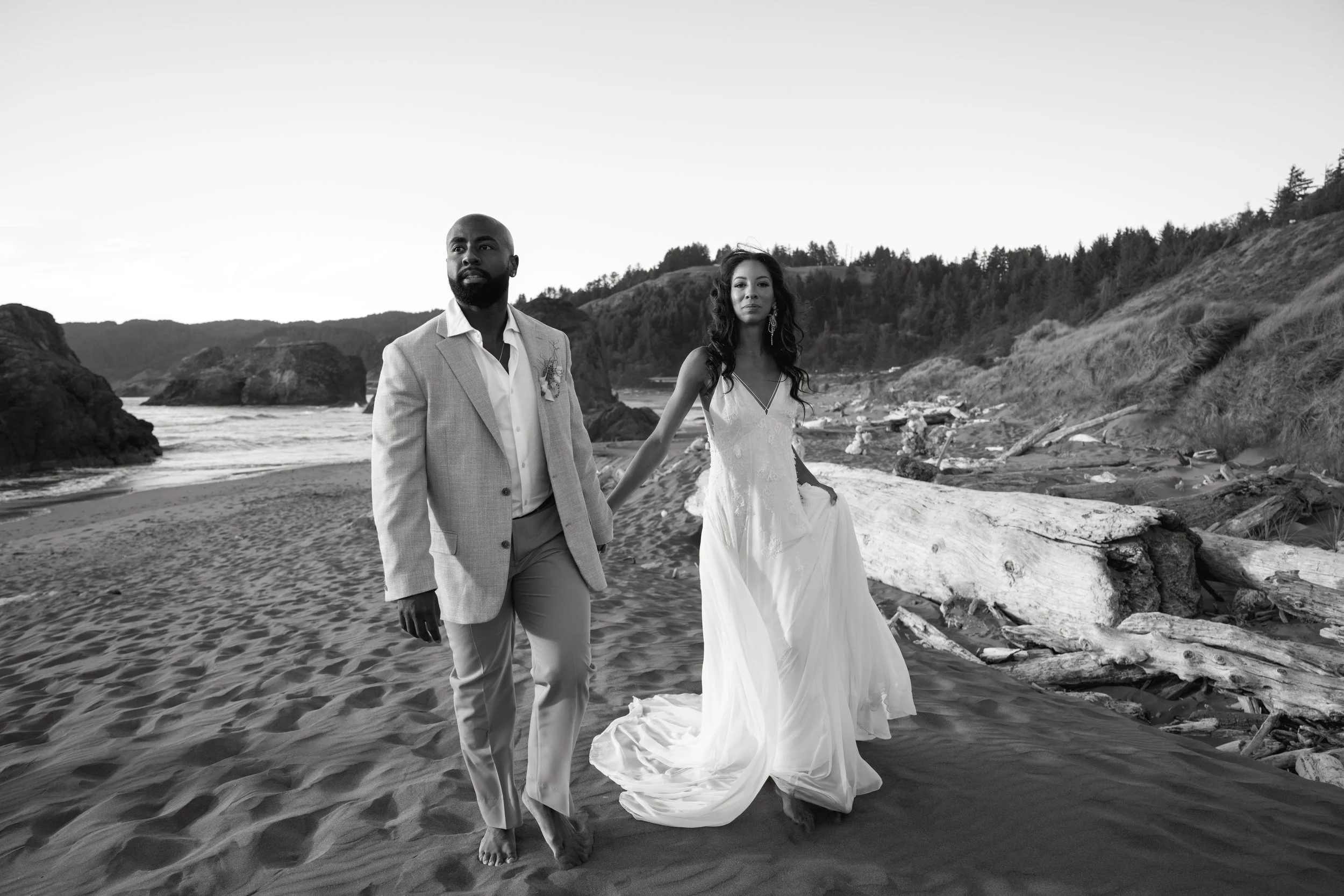
Planning a luxury elopement in New England offers a rare balance of beauty, intention, and ease. With its varied landscapes, historic architecture, and well-established wedding infrastructure, this region is ideal for couples who want a meaningful, elevated experience without the complexity of a large event. From coastal towns and mountain settings to refined private estates, New England supports elopements that feel thoughtful, personal, and beautifully executed.
This article walks you through how to plan a luxury elopement in New England from start to finish. You’ll learn how to choose the right location, when to book key suppliers, how to approach logistics, and what truly defines “luxury” in the context of an elopement. Whether you’re planning from nearby or travelling from further afield, this guide is designed to help you make informed decisions with confidence.
What Defines a Luxury Elopement?
Before diving into planning, it’s important to clarify what “luxury elopement” actually means — because it’s not about excess or scale.
A luxury elopement is defined by:
Intentional choices rather than a long guest list
High-quality suppliers who prioritise experience and craft
Thoughtful pacing and space to enjoy the day
Beautiful settings with privacy and atmosphere
Luxury, in this context, comes from time, care, and attention — not from doing more, but from doing fewer things exceptionally well.
Why Choose New England for a Luxury Elopement?
New England is one of the most versatile regions in the United States for elopements. It offers strong seasonal character, excellent accessibility, and a wide range of settings within relatively short travel distances.
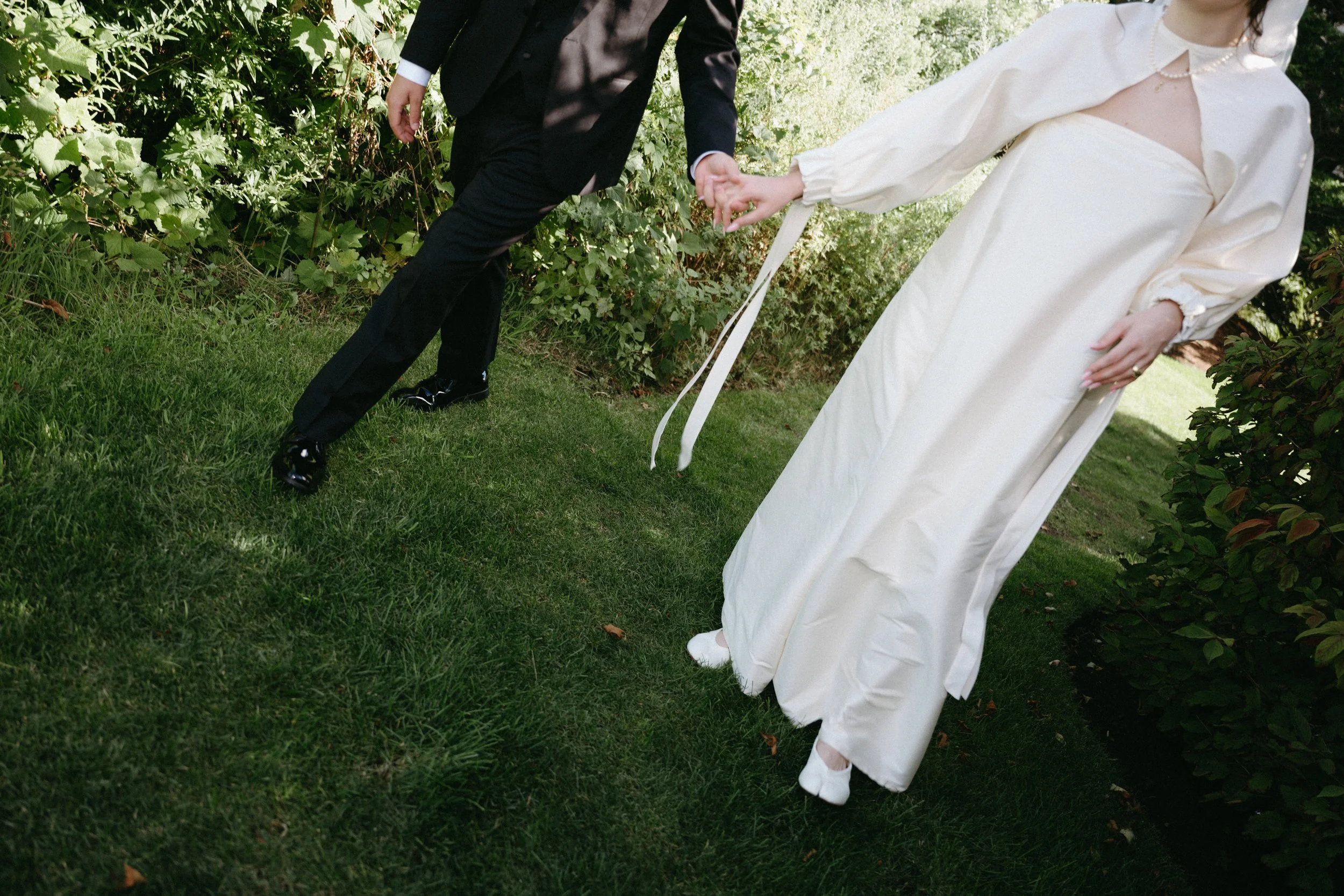
Diverse locations within one region
Within New England, you can find:
Rugged coastlines in Maine and Rhode Island
Mountain landscapes in New Hampshire and Vermont
Historic towns and estates in Massachusetts and Connecticut
Quiet forests, lakes, and countryside settings throughout
This diversity makes it possible to design a completely bespoke experience without needing to travel long distances between locations.
Strong supplier network
New England has a well-established wedding industry, which means access to experienced photographers, florists, planners, and accommodation providers who understand refined, small-scale celebrations.
For couples comparing options like New England, Upstate New York, or even destination elopements in Scotland, this level of infrastructure can make planning significantly smoother.
How to Choose the Right Location for Your Elopement
Location shapes the entire experience of an elopement, so this decision should come early in the planning process.
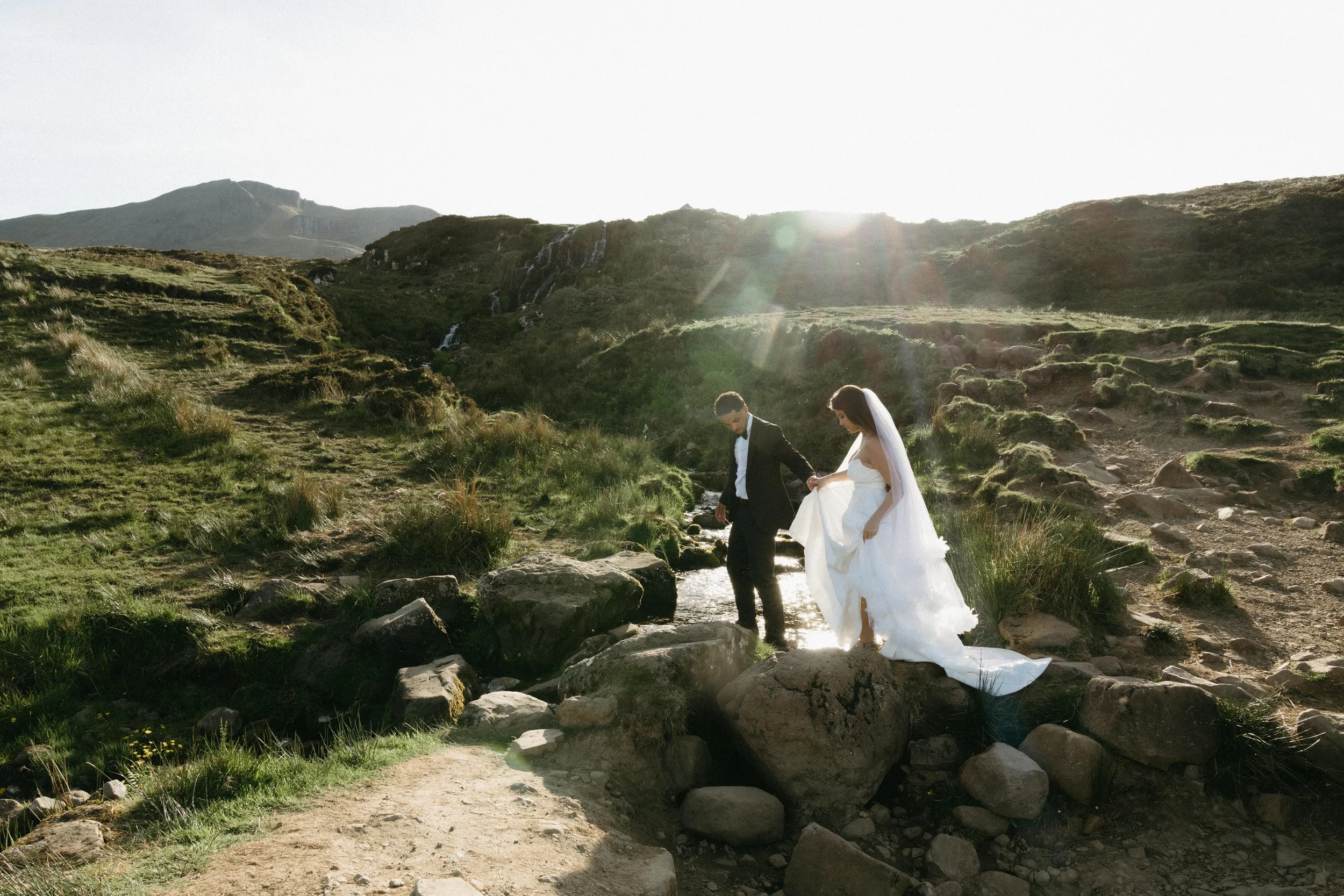
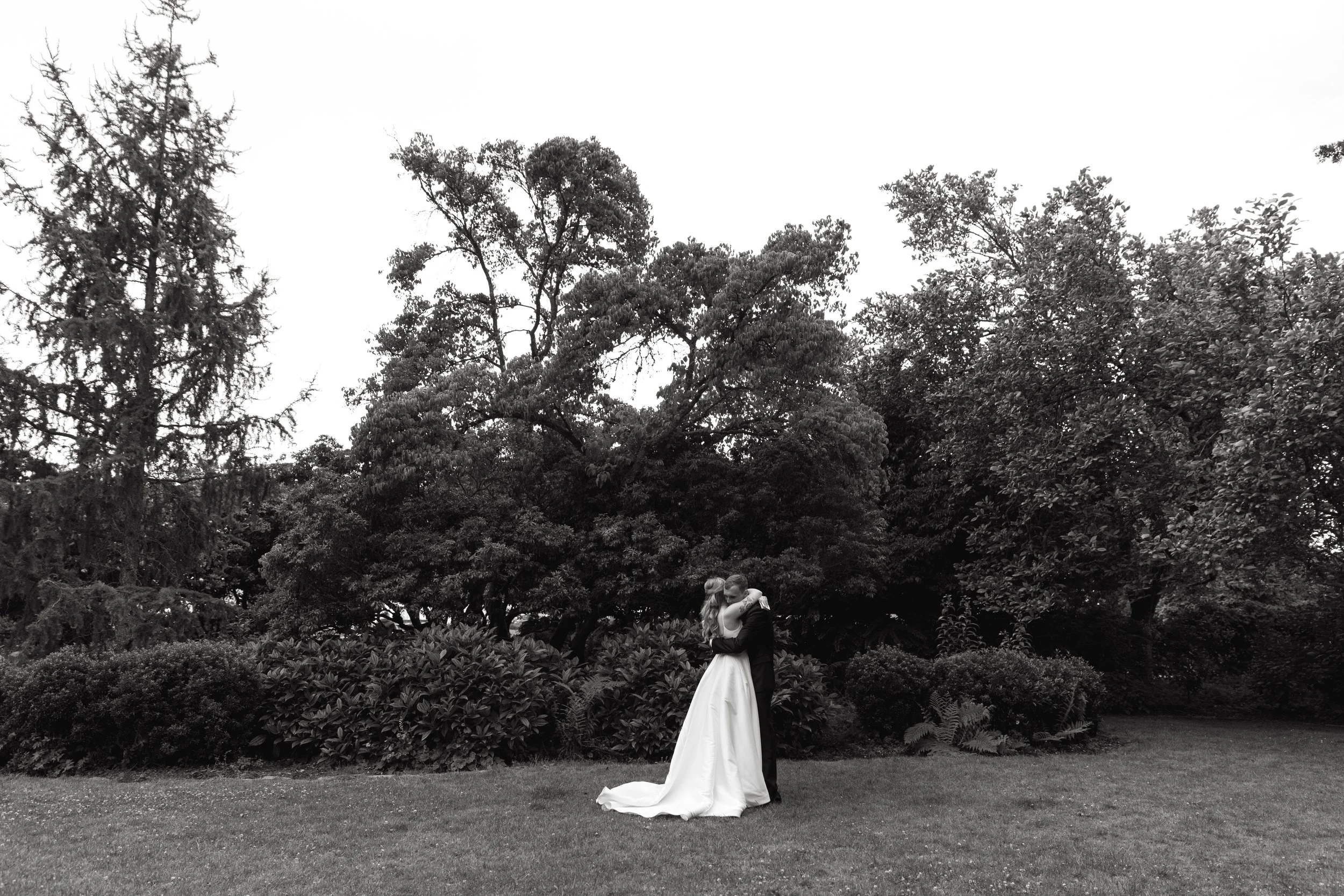
Consider the setting first
Ask yourselves what type of environment feels most aligned:
Coastal and open
Forested and private
Architectural and historic
Mountainous and expansive
New England supports all of these, often within a single state.
Think about accessibility and privacy
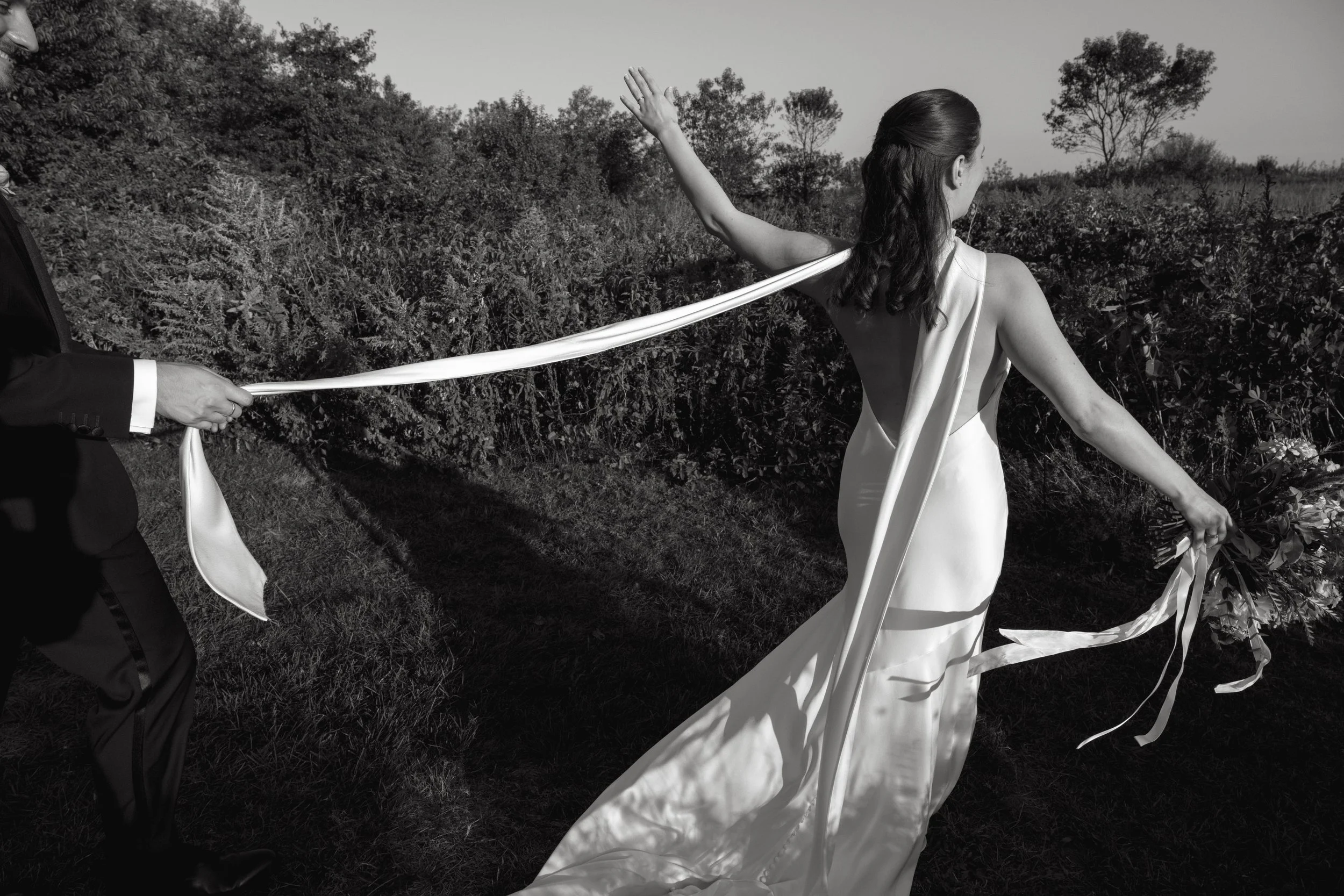
Luxury often comes from ease. Consider:
How far guests (if any) need to travel
Whether the location offers privacy from the public
Nearby accommodation options
Private estates, boutique inns, and thoughtfully chosen outdoor locations tend to work particularly well.
Permits and regulations
Some outdoor locations require permits, particularly state parks or protected areas. These rules vary by state and season, so it’s important to research early or work with a planner who understands local requirements.
When Is the Best Time of Year to Elope in New England?
Seasonality is one of New England’s defining features, and it has a direct impact on your experience.



SPRING (APRIL–MAY): Spring brings softer landscapes and fewer crowds, though weather can be unpredictable. This season works well for couples who value quieter locations and flexibility.
SUMMER (JUNE–AUGUST): Summer offers the most consistent weather and long daylight hours, ideal for coastal elopements. It is also peak season, so popular locations and suppliers book quickly.
AUTUMN (SEPTEMBER–OCTOBER): Autumn is highly sought after for its foliage and atmosphere. Planning ahead is essential, as availability becomes limited quickly.
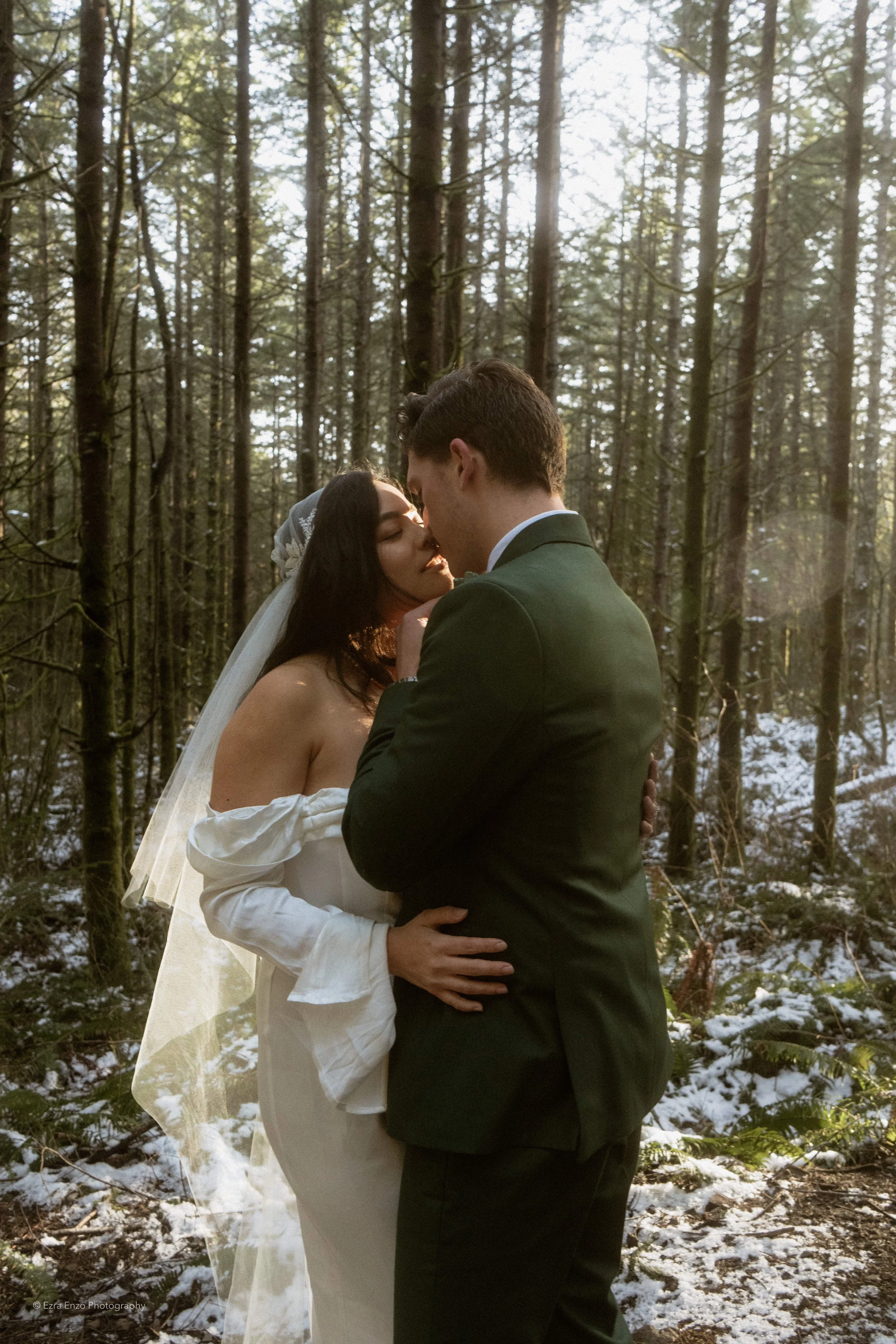
WINTER (NOVEMBER–MARCH): Winter elopements can be striking and intimate, particularly in Vermont or New Hampshire. However, shorter days and weather conditions require careful planning and realistic timelines.
How Many People Should You Invite to a Luxury Elopement?
There is a relatively common confusion between an elopement and a micro-wedding, and this comes down to guest count: an elopement typically includes just the couple, or the couple plus a very small number of guests (often no more than 2–6 people), while a micro-wedding generally involves a larger group — usually 10–20 guests — and follows a more traditional wedding structure.
The distinction matters because guest count directly affects logistics, location options, permits, timelines, and the overall feel of the day. As soon as numbers increase, the event begins to require formal seating, transport coordination, catering considerations, and a more structured schedule. An elopement prioritises flexibility, privacy, and experience, while a micro-wedding — though still intimate — operates much closer to a conventional wedding day.
Understanding this difference early on helps set realistic expectations and ensures you plan a celebration that truly aligns with how you want the day to feel.
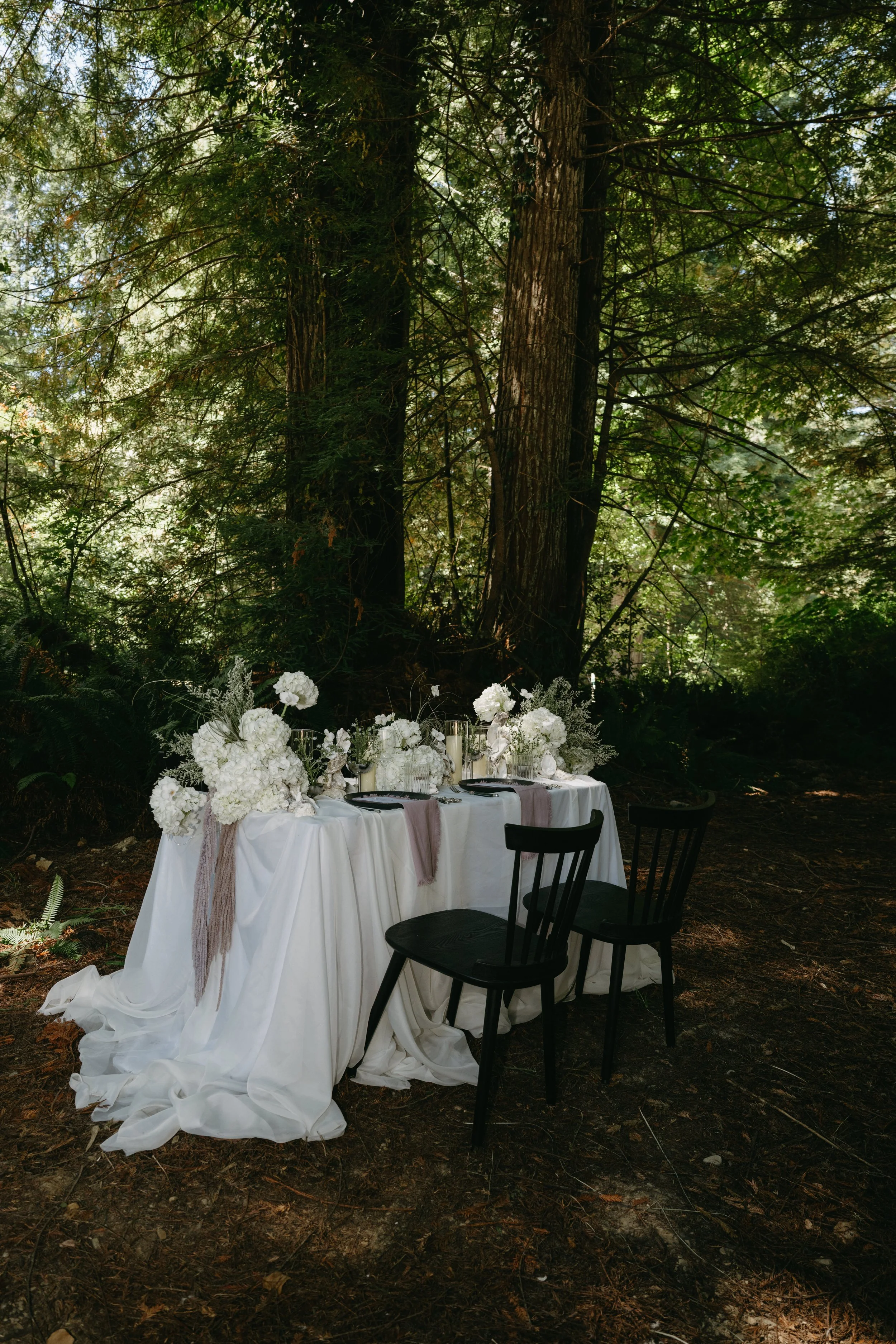
There’s no single rule, but most luxury elopements include:
Just the couple
The couple plus 2–6 guests
Immediate family only
The key is to choose a number that preserves the intimacy of the day without introducing the logistics of a full wedding. Once guest numbers increase, timelines, transport, and accommodation become more complex.
When Should You Book Your Photographer?
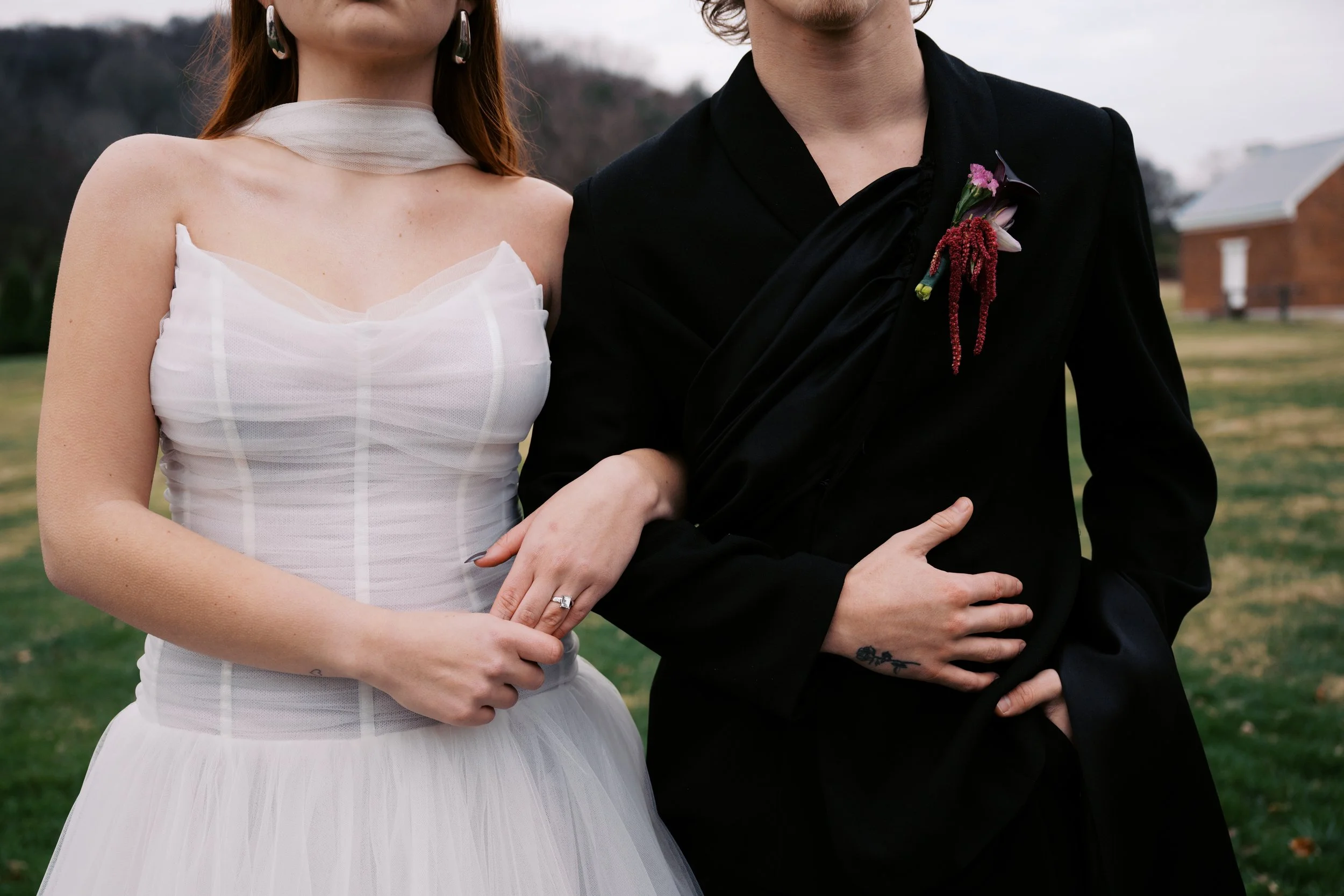
Photography is one of the most important investments for an elopement, especially when the day itself is intentionally small.
Book early, especially for peak seasons
For New England elopements between June and October, photographers often book 9–15 months in advance. This is particularly true for weekends and popular foliage dates.
Choose experience over package size
Look for a photographer who:
Has experience with elopements and small weddings
Understands light, weather, and seasonal changes
Can help shape a realistic timeline
Many photographers also assist with location planning and pacing, which can be invaluable.
Do You Need a Planner for an Elopement?
While not essential, a planner can be extremely helpful — particularly for couples planning from afar.

Benefits of working with a planner
A planner can assist with:
Location scouting and permits
Supplier recommendations
Timeline creation
Day-of coordination
This support allows you to focus on the experience rather than logistics.
Partial planning options
Some couples opt for partial planning or consultation-only services, which provide guidance without full involvement. This can be a good balance for smaller celebrations.
Building a Timeline That Feels Relaxed
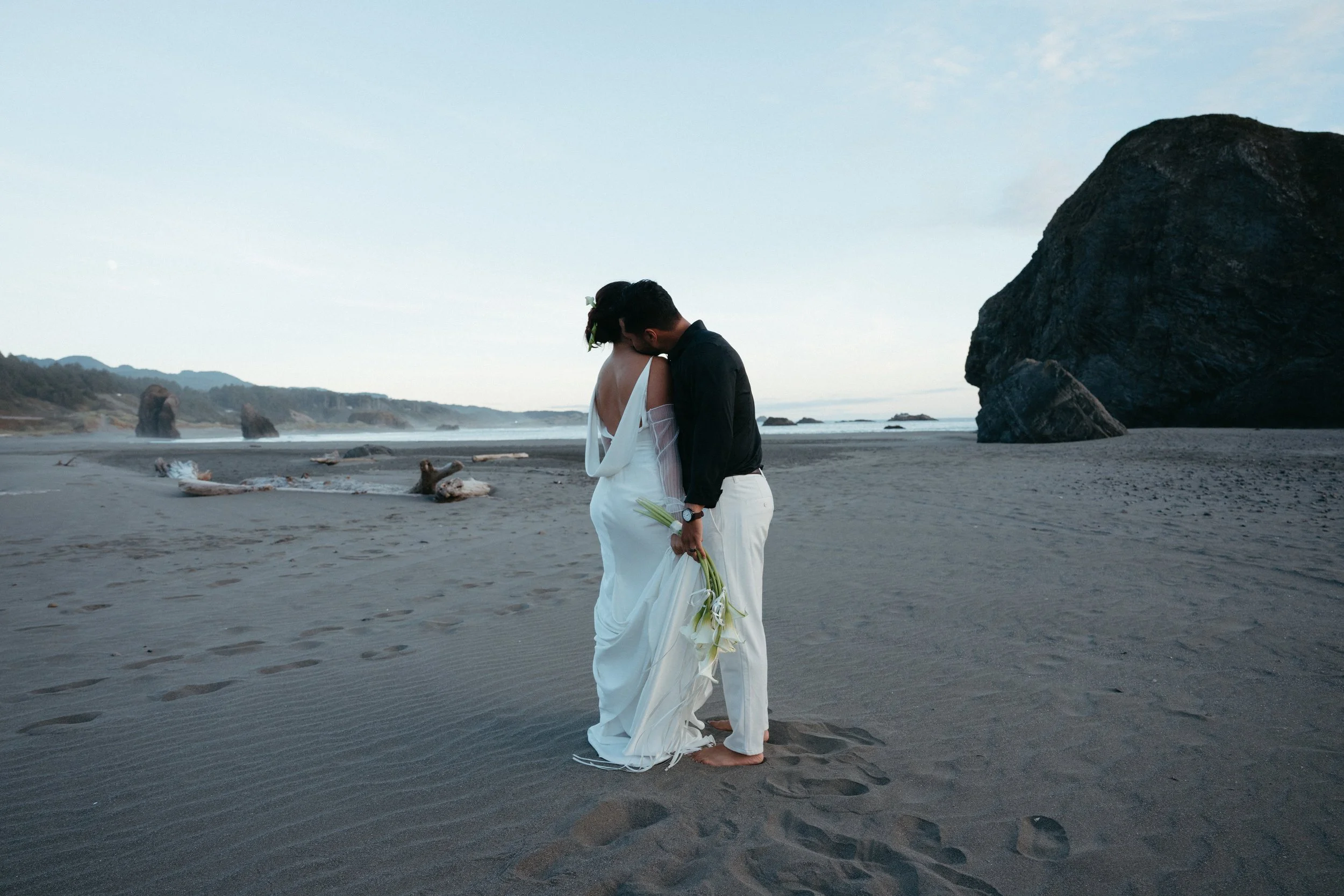
Even small days need structure. A luxury elopement timeline should feel supportive, not restrictive.
Key timeline considerations
Plan for:
A slow, unrushed start
Travel buffers between locations
Time for portraits without pressure
Space to be present after the ceremony
Avoid stacking too many activities into one day. The goal is flow, not efficiency. For more detailed info on building a timeline, check out my last journal post How To Create A Wedding Day Timeline That Actually Works.
Light and season matter
In New England, daylight hours vary dramatically by season. Winter ceremonies may need to happen earlier, while summer offers more flexibility.
What to Wear for a Luxury Elopement
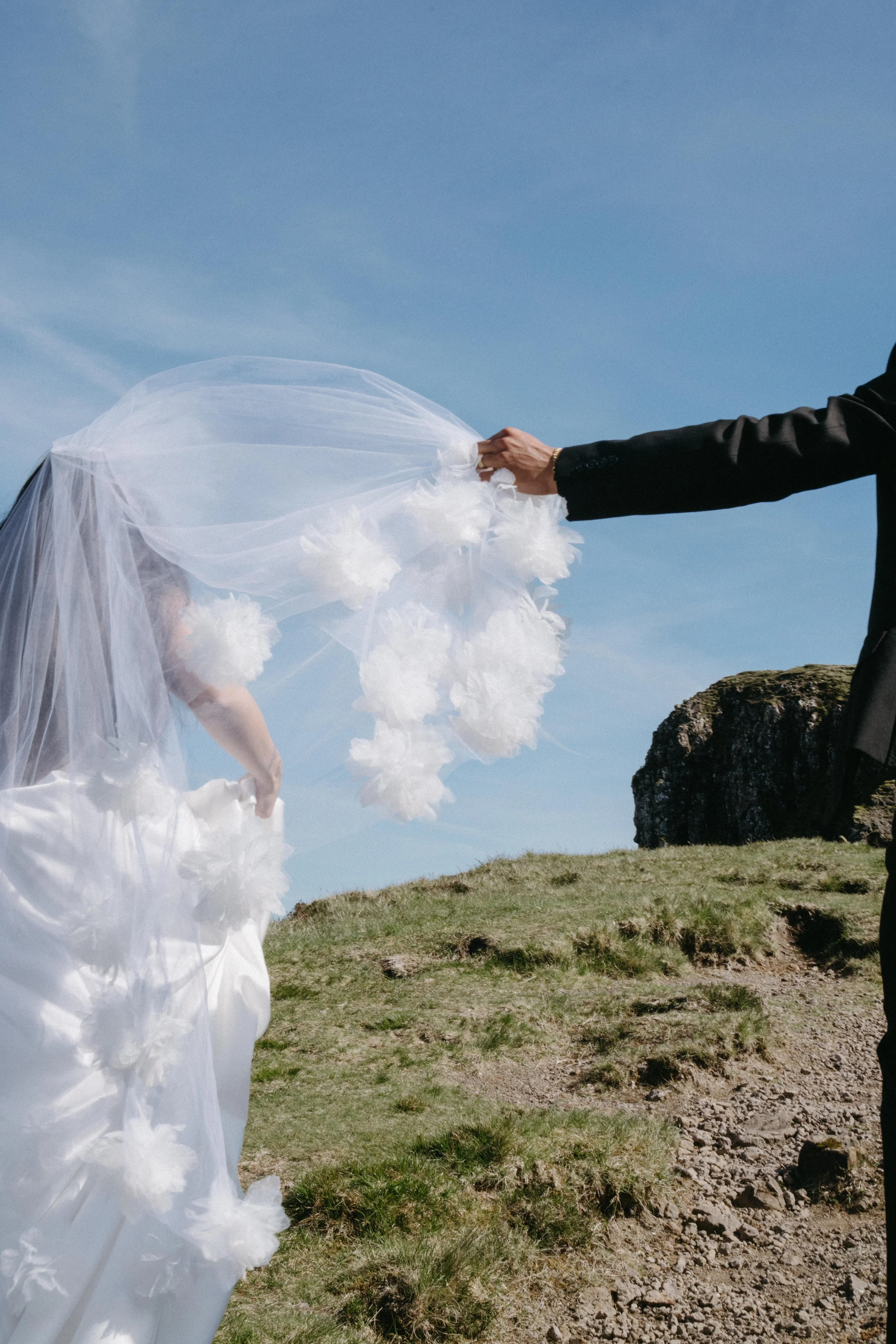
Attire plays a major role in how the day feels and photographs.
Prioritise comfort and movement
Choose clothing that allows you to:
Walk comfortably
Adjust to weather changes
Move naturally
This is particularly important for outdoor locations.
Styling with intention
Luxury elopement styling often leans toward:
Clean lines
High-quality fabrics
Minimal accessories
The goal is timelessness rather than trend-driven choices.
Accommodation and Guest Experience
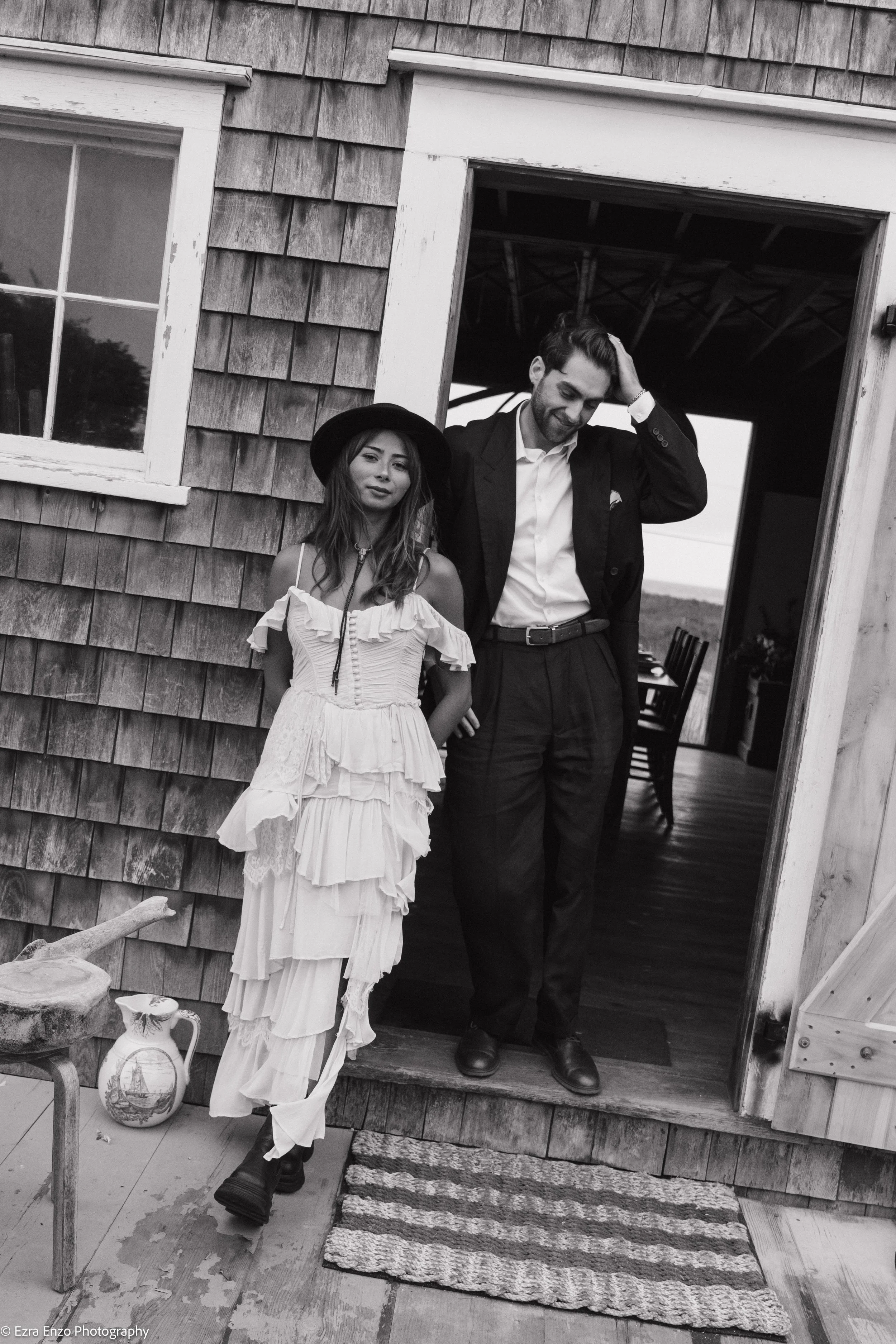
Where you stay matters — even more so when the celebration is small.
Choose accommodation that supports the experience
Look for:
Boutique hotels or private rentals
On-site preparation space
Quiet surroundings
Many couples choose to stay for multiple nights, allowing the elopement to feel like a complete experience rather than a single event.
If guests are attending…
Provide clear information on:
Where to stay
Transportation options
The flow of the day
This keeps things simple and relaxed for everyone involved.
Common Mistakes to Avoid When Planning a Luxury Elopement
Even well-intentioned plans can create unnecessary stress.
TRYING TO DO TOO MUCH: Elopements work best when they are simple. Resist the urge to replicate a full wedding day.
UNDERESTIMATING LOGISTICS: Travel time, weather, and permits still matter — even with fewer people.
BOOKING SUPPLIERS WITHOUT ELOPEMENT EXPERIENCE: Not every wedding supplier is suited to elopements. Experience with smaller, flexible days makes a significant difference.
Frequently Asked Questions About Luxury Elopements in New England
Is an elopement legally binding in New England?
Yes, but marriage licence requirements vary by state. Be sure to check waiting periods and documentation needs in advance.
Can we elope in a public location?
Often yes, but some locations require permits. Rules vary by state and site.
How far in advance should we start planning?
Most couples begin planning 6–12 months ahead, depending on the season and location.
Is a luxury elopement suitable for families?
Absolutely. Many couples include immediate family while maintaining a calm, intimate atmosphere.
How does a New England elopement compare to other regions?
Compared to places like Upstate New York or Scotland, New England offers exceptional variety within a compact area and strong local supplier networks.
Final Thoughts
Planning a luxury elopement in New England is about creating an experience that feels considered, calm, and deeply personal. With the right location, a thoughtful timeline, and experienced suppliers, the day can unfold naturally — without the pressure or complexity of a large event.
By focusing on what matters most and allowing space for the day to breathe, your elopement becomes not just a ceremony, but a genuinely meaningful experience.
If you want to hear more, feel free to reach out to me here!