
Top 12 Questions to Ask Before Hiring a Wedding Photographer in New England
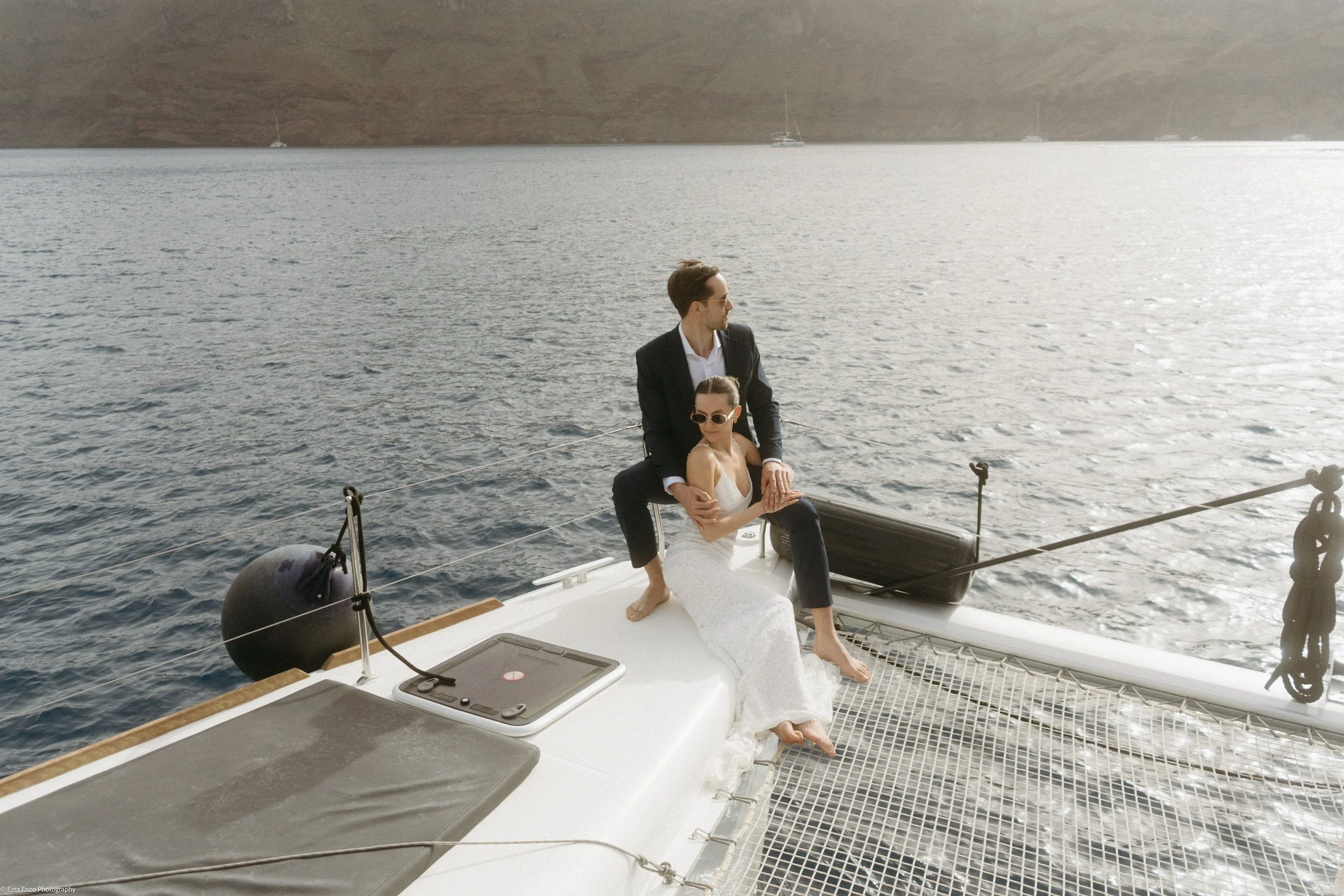
Choosing a wedding photographer in New England can feel deceptively simple at first. You look at a few galleries, compare styles, check availability, and assume the rest will fall into place. But photography is one of the few decisions that continues to matter long after the wedding itself has passed.
This article is designed to slow that decision down in a useful way. These are the questions I believe genuinely shape outcomes — not just the images you receive, but how the day feels while those images are being made. They’re drawn from patterns I’ve seen across weddings throughout New England, from Cape Cod and Rhode Island to Connecticut and the wider East Coast.
The goal isn’t to interrogate photographers. It’s to understand what you’re actually choosing.
1. How would you describe your approach on a wedding day?
This question reveals far more than a label ever will.
Listen for how a photographer talks about presence, pacing, and decision-making. Do they focus on directing, observing, or balancing both? Do they talk about adapting to people and environments, or about controlling outcomes?
In New England, where weather, light, and timelines can shift quickly, approach matters as much as aesthetic. You’re not just hiring someone to take photographs — you’re inviting someone into the rhythm of the day.
2. Can we see full wedding galleries from similar venues or seasons?
Highlight images are curated. Full galleries reveal consistency.
Ask to see complete weddings that resemble yours in some meaningful way — season, venue type, guest count, or level of formality. A Cape Cod summer wedding behaves very differently from a winter wedding in Connecticut or a formal Newport estate.
What you’re looking for isn’t perfection. It’s coherence. Do the images hold together from beginning to end? Do they still feel grounded when conditions are less than ideal?
3. How do you work with New England’s unpredictable weather?
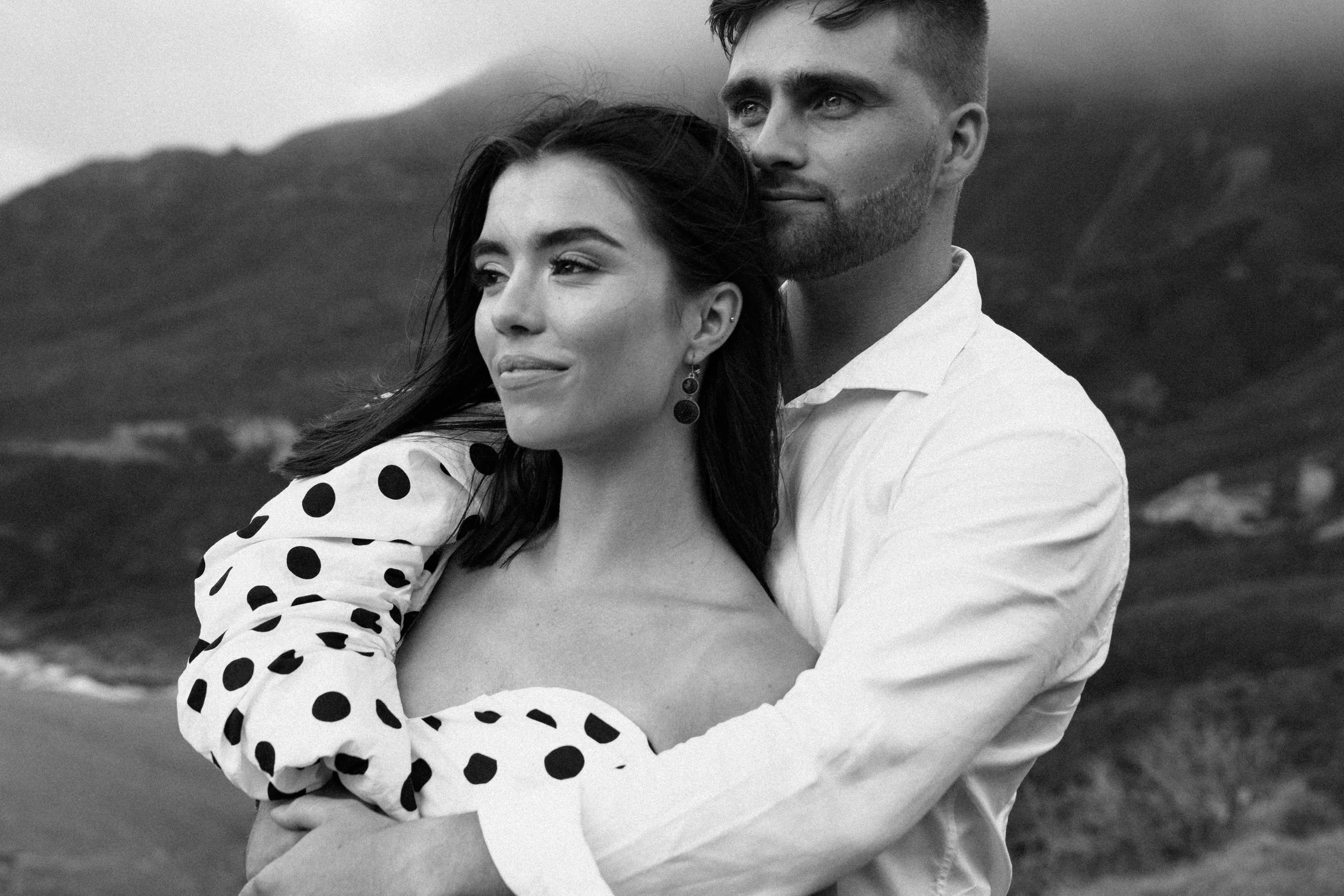
Weather is one of the defining factors of weddings in this region.
A photographer’s answer should go beyond technical reassurance. Listen for how they talk about flexibility, contingency planning, and emotional tone. The calmness with which someone anticipates weather often mirrors how they’ll handle other unexpected moments.
Strong photographers don’t fight New England weather. They plan for it.
4. What happens if the timeline runs late?
It almost always does.
This question reveals how a photographer prioritises. Do they rigidly adhere to schedules, or do they adjust in real time? How do they make decisions when something has to give?
In practice, this affects everything from portraits to coverage of quieter moments. A photographer who understands flow — rather than just time blocks — is often better equipped to tell the full story of the day.
5. How do you help couples who feel uncomfortable in front of the camera?
Most couples are more camera-aware than they expect.
The answer here should focus less on posing and more on environment. Do they talk about creating space, slowing things down, or helping couples feel less observed?
Comfort isn’t about learning how to pose. It’s about trust and pacing. A photographer who understands this tends to produce images that feel more natural over time.
6. How do you balance portraits with candid moments?
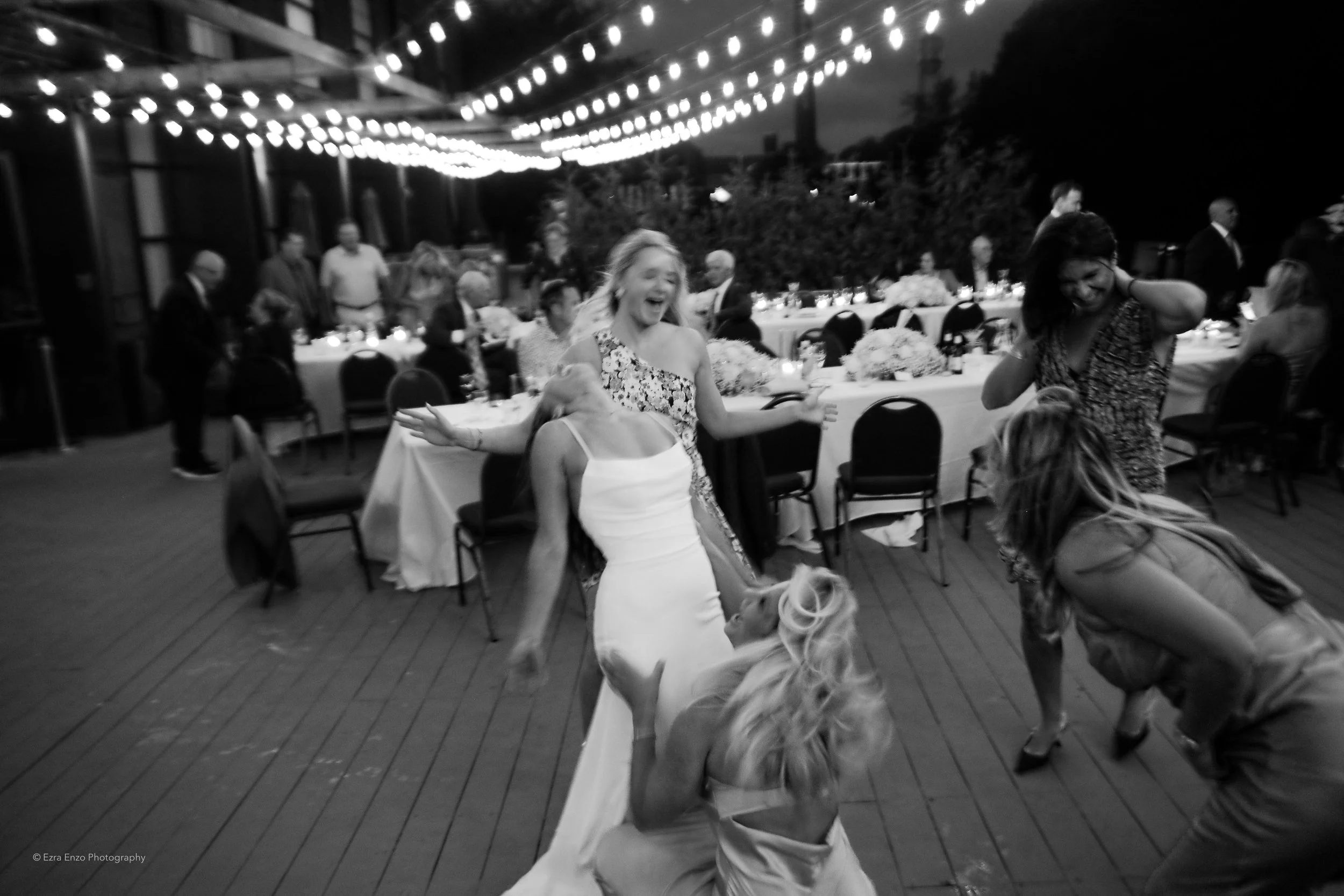
This is especially important in New England weddings, where light windows can be short — particularly in autumn and winter.
Listen for nuance. Do they see portraits and documentary moments as opposing forces, or as complementary parts of the day? Can they articulate how and when they step in, and when they step back?
The strongest coverage usually comes from photographers who are intentional about both.
7. What role does editing play in your work?
Editing shapes how photographs age.
Ask how they approach colour, contrast, and consistency. Do they chase trends, or aim for longevity? How do they handle different lighting conditions across a long wedding day?
In a region where light can shift dramatically — from coastal fog to harsh summer sun — thoughtful editing is essential to creating a cohesive final gallery.
8. Have you worked at our venue or in similar locations before?
Familiarity isn’t required, but experience matters.
A photographer who understands how light behaves in historic New England buildings, coastal venues, or urban spaces will make more confident decisions. This doesn’t mean they need to know every corner — it means they know what to look for.
Ask how they approach new spaces. Curiosity and preparation are good signs.
9. How do you work alongside planners and other vendors?

Wedding photography doesn’t happen in isolation.
Strong photographers communicate well with planners, coordinators, and venues. They understand when to lead and when to follow.
This is particularly important in more structured environments, such as Newport estates or New York venues, where multiple teams are involved. Collaboration affects not just logistics, but the emotional tone of the day.
10. What parts of the day do couples tend to value most after the wedding?
This question shifts the conversation away from aesthetics and toward experience.
Photographers who have spent time reflecting on their work will often speak about moments couples didn’t anticipate valuing — interactions with family, quiet pauses, or images of guests.
Their answer can reveal whether they’re thinking beyond delivery and toward long-term meaning.
11. What is included in your coverage, and what isn’t?
Clarity matters here.
Ask about hours, second photographers, travel within New England, turnaround time, and how images are delivered. Not to compare packages, but to understand boundaries.
A clear structure often reflects a well-run business — and that stability tends to translate into a calmer experience on the day itself.
12. How do you define a successful wedding gallery?
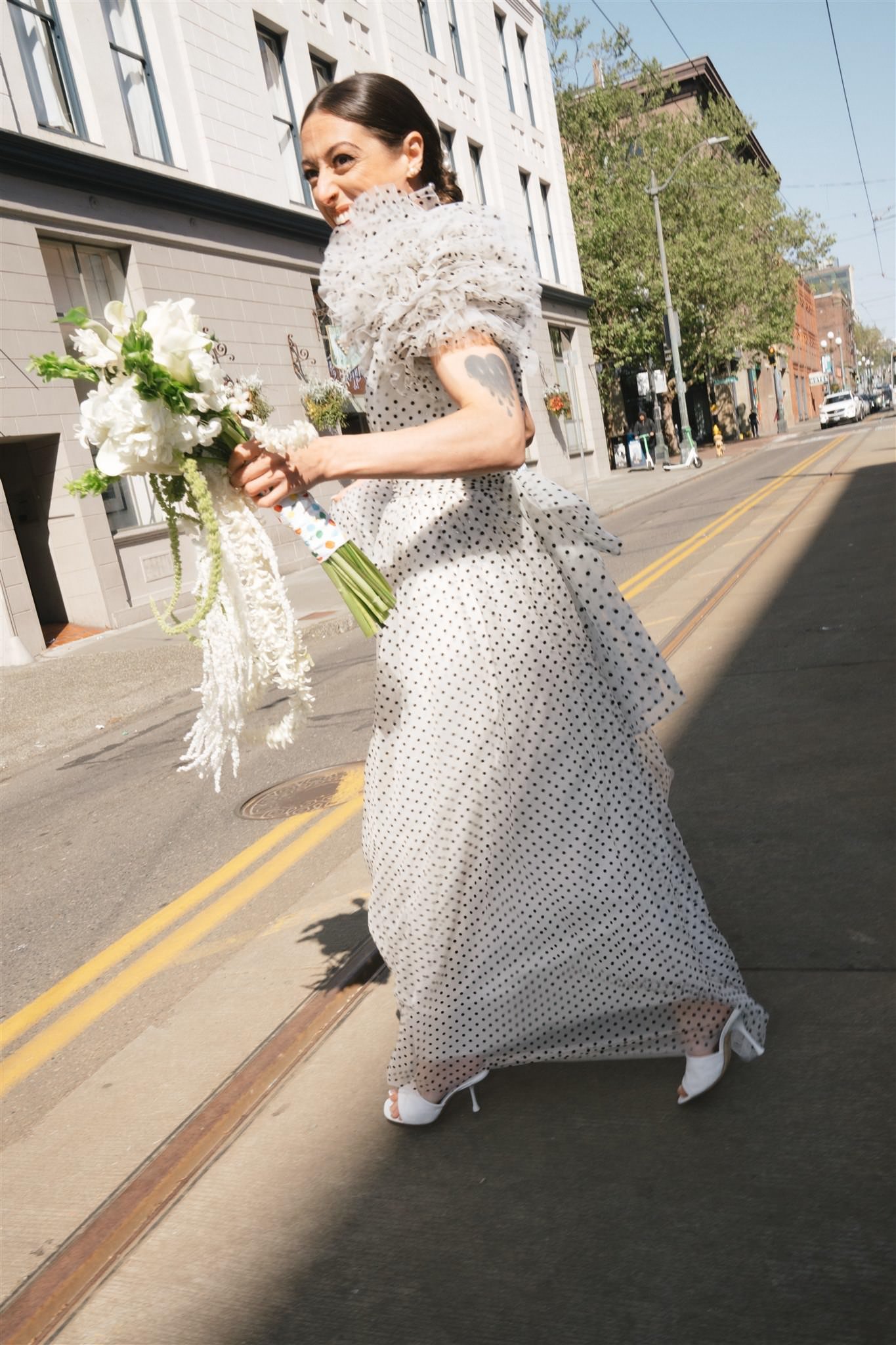
This final question often says the most.
Some photographers will talk about standout images. Others will talk about storytelling, emotional accuracy, or cohesion.
There’s no single right answer — but it should align with what you value. A photographer’s definition of success will shape every decision they make on your wedding day.
What these questions are really doing
Individually, these questions are practical. Collectively, they’re diagnostic.
They help you understand:
How a photographer thinks under pressure
What they prioritise when choices have to be made
Whether their values align with yours
In New England, where weddings are shaped by season, setting, and unpredictability, alignment matters more than polish.
Common mistakes couples make when hiring a photographer
A few patterns come up repeatedly:
Choosing based on a small number of images
Underestimating the impact of personality and presence
Assuming all photographers handle timelines and weather the same way
Asking better questions tends to prevent these issues before they arise.
Frequently Asked Questions
Do we need a photographer who specialises in New England weddings?
It helps. Familiarity with light, weather, and regional venues often leads to smoother days and more consistent galleries.
Is it okay to prioritise connection over style?
Yes. Style can be appreciated immediately. Connection tends to matter more over time.
Should we interview more than one photographer?
If possible, yes. Comparison often clarifies what feels right.
How early should we book a New England wedding photographer?
Many book 12–18 months in advance, especially for peak seasons, but availability varies.
Can a photographer adapt to different cultural or family dynamics?
An experienced photographer should be able to. It’s worth asking how they approach this explicitly.
A final thought
Hiring a wedding photographer isn’t about finding the “best” option on paper. It’s about choosing someone whose way of seeing — and being — aligns with how you want your wedding to feel.
The right questions don’t just lead you to a photographer. They lead you to clarity.
If you’d like to chat through the ins and outs of all things wedding photography, feel free to get in touch with me to book your free consultation, and as an added resource, feel free to check out my wedding planning podcast, Ceremonials.