
What “Authentic” Wedding Photography Really Looks Like (And Why It Lasts Longer Than Trends)
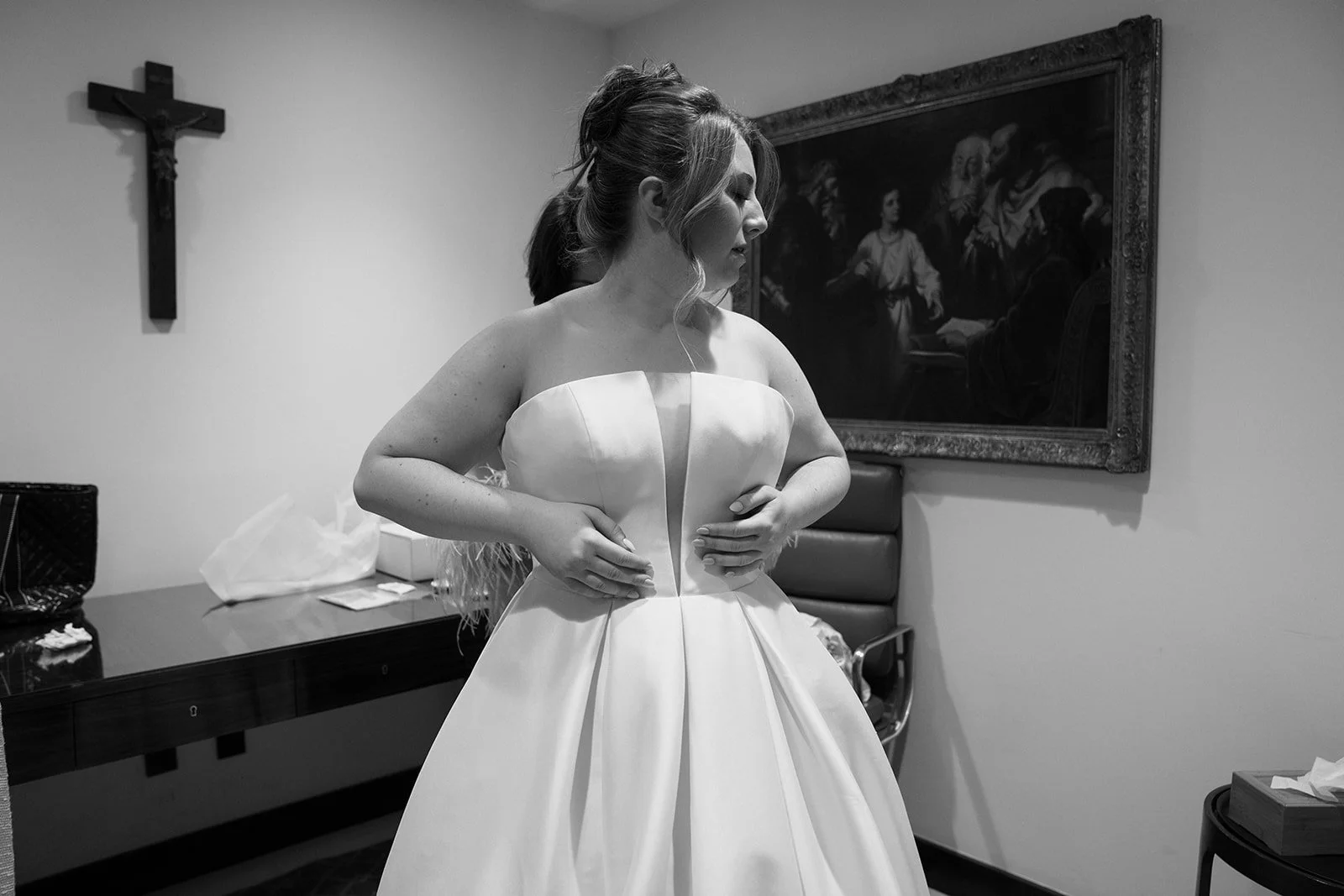
“Authentic” has become one of the most overused words in wedding photography. It appears everywhere — on websites, social media captions, and mood boards — often without much clarity about what it actually means in practice.
This article is about unpacking that word. Not as a marketing term, but as a photographic approach that has proven, over time, to hold emotional and visual relevance long after trends have passed. It’s written from the perspective of someone who has watched couples revisit their photographs years later, and noticed which images continue to matter — and which quietly fall away.
Understanding what authenticity really looks like can help you make better decisions, not just about photography, but about how you structure and experience your wedding day.
Authentic wedding photography isn’t a style — it’s an approach
One of the most common misunderstandings is that authenticity refers to a particular visual look.
It doesn’t.
Authentic wedding photography can be colourful or muted, grainy or clean, editorial or understated. What defines it isn’t how the images look at first glance, but how they were made.
Authenticity is rooted in intent:
Observing rather than orchestrating
Responding rather than imposing
Prioritising meaning over performance
When couples say they want “authentic” photos, what they’re often asking for is to feel like themselves in the images — not like participants in a production.
What authentic wedding photography actually documents
Authentic photography documents behaviour, not performance.
It pays attention to how people interact when they’re not managing how they appear. It notices pauses, reactions, and relationships rather than just events.
This often includes:
Moments that happen alongside the main timeline
Expressions that pass quickly
Interactions between people who know each other well
These aren’t always the most visually dramatic images, but they are the ones that tend to age with depth.
Why trends fade — and authenticity doesn’t
Photography trends are often tied to novelty.
Heavy editing styles, exaggerated posing, or highly stylised concepts can feel exciting when they’re new. But novelty relies on contrast — once the trend becomes familiar, its impact diminishes.
Authentic photography doesn’t rely on novelty. It relies on relevance.
Human behaviour, emotion, and connection don’t go out of fashion. The way people hold each other, react to pressure, or express care remains recognisable over time. That’s why photographs rooted in these elements tend to last.
Authentic doesn’t mean unintentional
There’s a misconception that authentic photography is passive or accidental.
In reality, it requires a high level of awareness and decision-making. Choosing when not to intervene is as intentional as choosing when to step in.
Authentic photographers are constantly assessing:
Where to stand without disrupting
When to move and when to wait
How to frame a moment without altering it
The goal isn’t invisibility. It’s sensitivity.
What couples often confuse with authenticity
Several things are frequently mistaken for authenticity:
Lack of direction: Some guidance can actually help people relax.
Messiness: Authentic doesn’t mean careless or chaotic.
Trends labelled as “natural”: A look can be fashionable and still be highly constructed.
True authenticity isn’t about rejecting all structure. It’s about ensuring structure serves the experience, not the image.
The role of trust in authentic photography
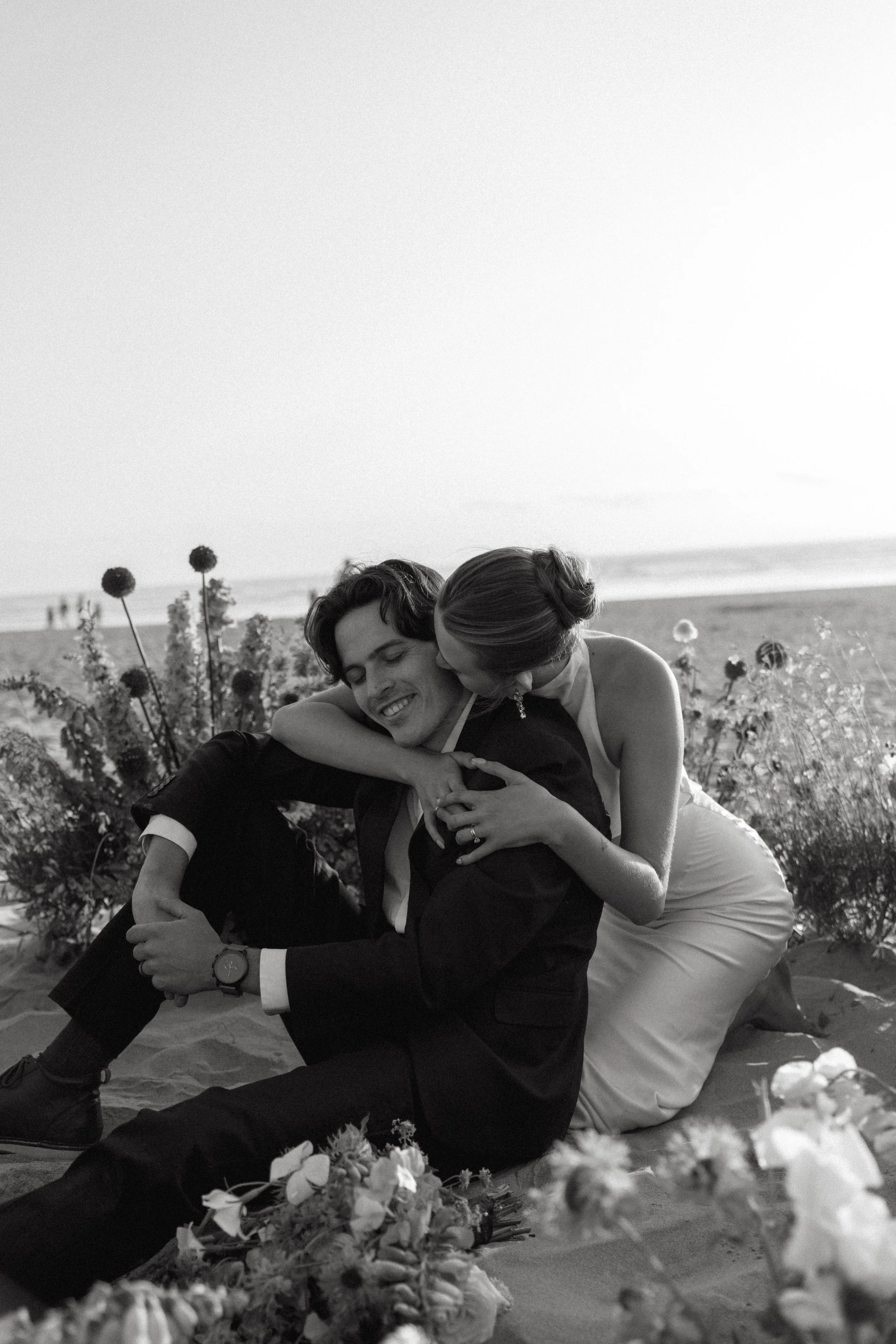
Authentic photographs depend on trust — between the couple and the photographer, and within the environment itself.
When couples trust that they don’t need to perform, they stop monitoring themselves. When photographers trust the moment, they stop forcing outcomes.
This trust is often built before the wedding day, through conversation rather than instruction. It’s one of the reasons why full galleries and long-term consistency matter more than highlight images.
Why authentic photography reflects how the day felt, not just how it looked
Looking back, couples rarely assess their photographs for surface-level beauty alone.
They ask quieter questions:
Does this feel accurate?
Does this reflect how the day unfolded?
Do I recognise myself here?
Authentic photography prioritises emotional accuracy over aesthetic perfection. When those align, the images tend to hold.
This is particularly noticeable in regions like New England, where light, weather, and season can shift the tone of a day dramatically. Photographs that respond to reality rather than resist it tend to feel more coherent.
Authenticity across different wedding environments
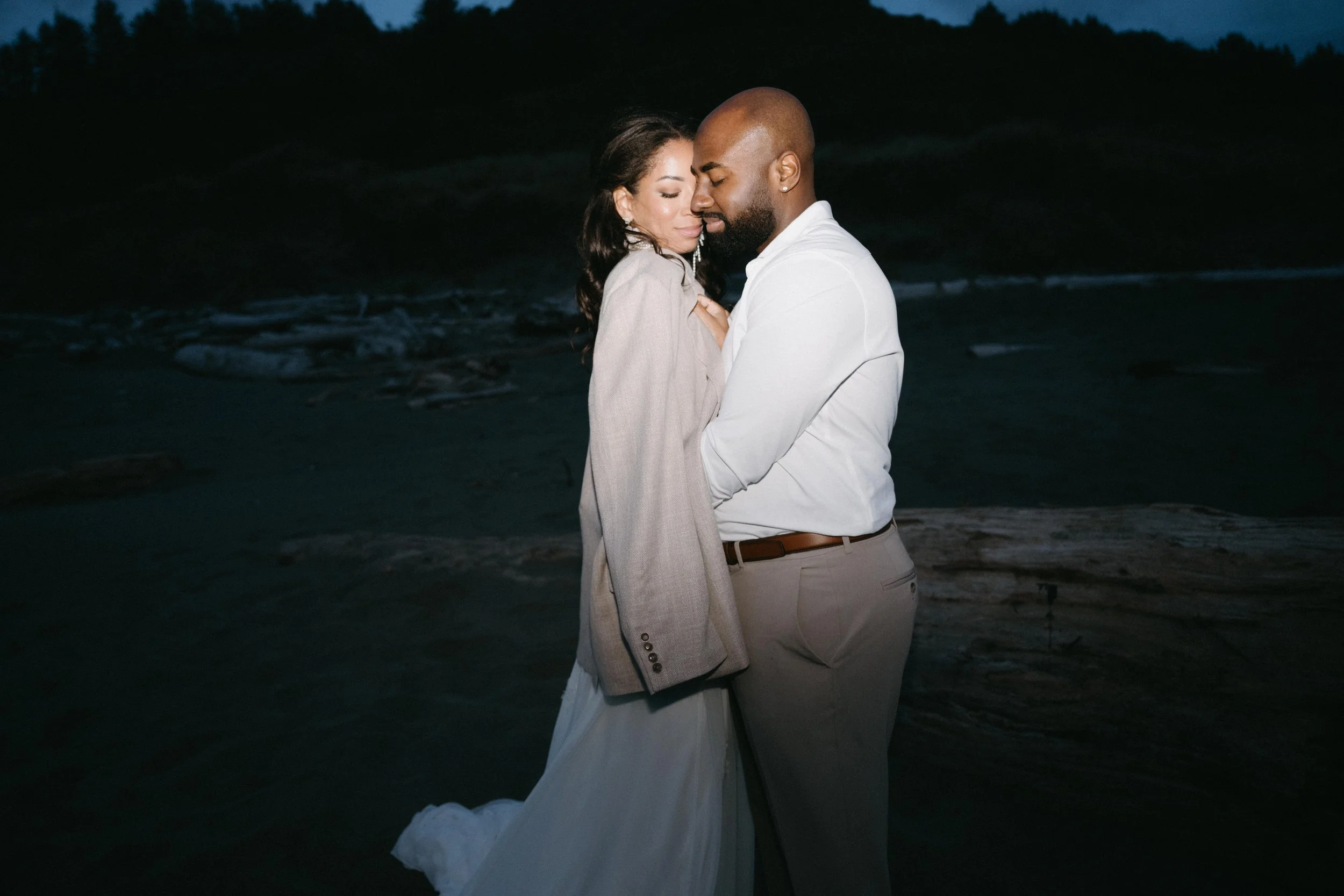
Authenticity doesn’t look the same everywhere.
A wedding on Cape Cod may express authenticity through informality and space. A Newport estate wedding may express it through restraint within structure. A New York wedding may express it through pace and density.
What matters isn’t the setting, but whether the photography allows that setting to behave naturally — rather than forcing it into a preconceived narrative.
Editing choices play a larger role than most couples realise
How images are processed significantly affects how authentic they feel over time.
Subtle, consistent editing tends to preserve nuance — skin tones, light transitions, and emotional cues. Heavily stylised editing can obscure these details, anchoring images to a specific era.
Couples often appreciate restraint in editing more as time passes. What felt understated at first often feels intentional later.
Authentic photographs invite interpretation — they don’t dictate it
One of the reasons authentic images last is that they leave room.
They don’t insist on a single emotion or interpretation. They allow viewers — including future versions of the couple — to bring their own context.
This openness is what allows photographs to evolve in meaning over time. The image stays the same. The relationship to it changes.
How to recognise authentic wedding photography when you see it
Rather than asking whether something looks “authentic,” consider asking:
Do the people in these images look self-aware or self-contained?
Are moments allowed to unfold, or are they being demonstrated?
Does the work feel consistent across different weddings and environments?
Authenticity shows up in patterns, not individual images.
Why couples often appreciate authenticity more later than immediately
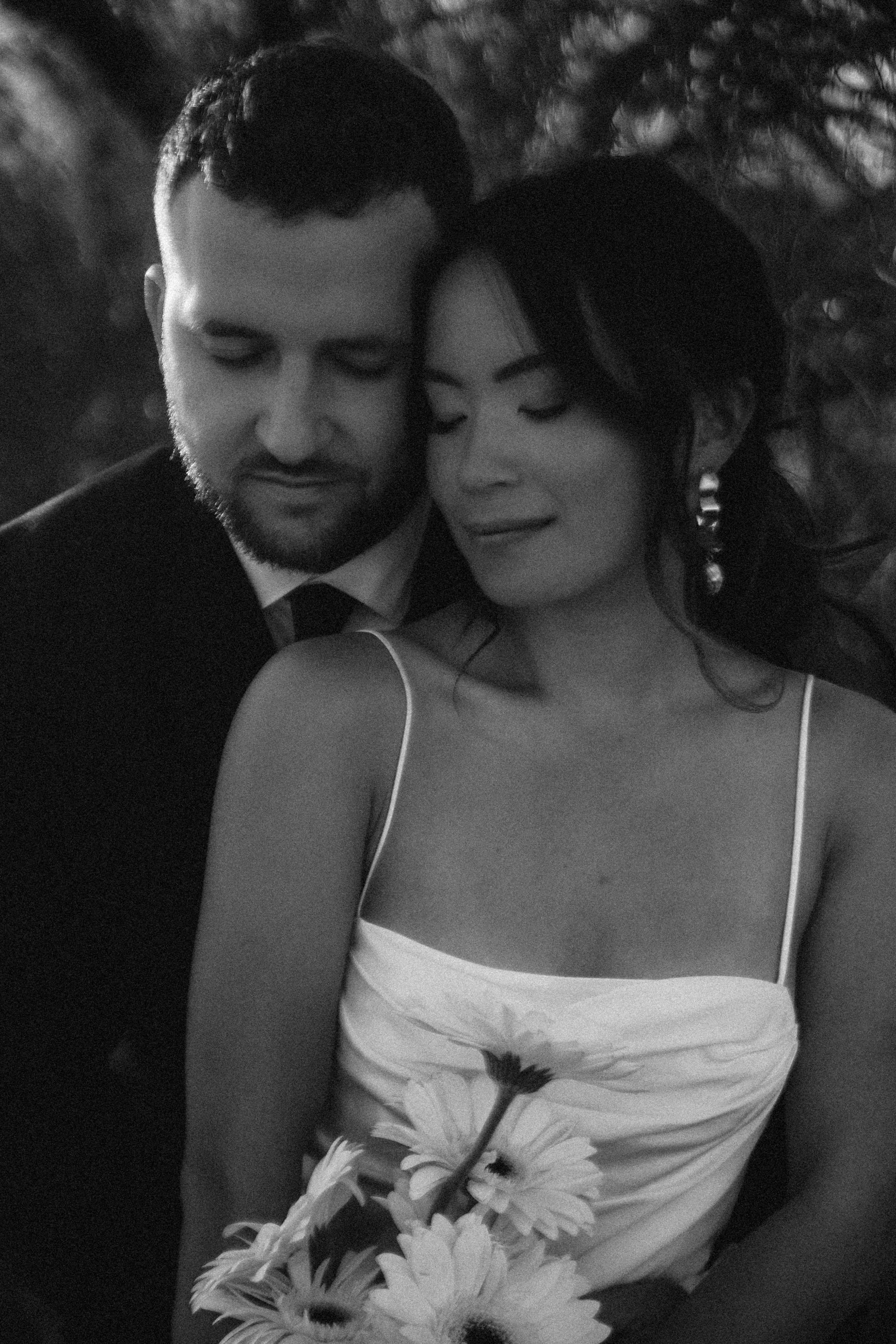
Immediately after the wedding, couples are close to the experience. Emotions are vivid. Memory is sharp.
Over time, memory softens. What remains are impressions.
Authentic photographs tend to align with those impressions. They don’t compete with memory — they support it.
This is why couples often grow into their images rather than away from them.
Frequently Asked Questions
Is authentic wedding photography the same as documentary photography?
They overlap, but they’re not identical. Documentary photography is a method; authenticity is an outcome.
Will we still get portraits with an authentic approach?
Yes. Portraits can be authentic when they prioritise presence and interaction over performance.
Can authentic photography still feel refined?
Absolutely. Authenticity and refinement are not opposites. Restraint often enhances both.
Does authenticity mean fewer “wow” images?
Not necessarily. It means images resonate for reasons beyond novelty.
How do we know if a photographer’s work will age well?
Look for consistency, emotional clarity, and full galleries that feel cohesive rather than trend-driven.
A final thought
Authentic wedding photography isn’t about rejecting beauty or intention. It’s about choosing depth over display.
Trends will always come and go. What lasts is the way an image makes you feel recognised — not just now, but years from now, when the day itself has softened into memory.
If you’d like to explore this further, you can always get in touch with me through my inquiry form, and if you’d like to learn more about my own wedding process, feel free to read more here.