
Top 10 Things Couples Don’t Realise About Documentary Wedding Photography Until After the Wedding

Most couples think they understand what documentary wedding photography is before they book it. They’ve seen a few galleries, liked the idea of “natural” images, and felt drawn to something that looks honest rather than staged.
What they often don’t realise is how different the experience — and the outcome — feels once the wedding is over.
This article is not about convincing you to choose documentary photography. It’s about clarifying what it actually involves, what it gives you, and what tends to surprise couples when they look back at their photographs months or years later. These are observations shaped by years of watching couples revisit their images with fresh eyes, long after the planning noise has faded.
If you’re in the early or middle stages of planning — whether you’re marrying on the East Coast, in New England, or somewhere entirely different — understanding these nuances matters. Documentary photography doesn’t just record a wedding. It shapes how that day is remembered.
1. You won’t remember most of what actually happened — the photos will
Even the most present, intentional couples forget large portions of their wedding day. Not because they didn’t care, but because the day moves quickly and your attention is constantly pulled in different directions.
Documentary photography quietly fills in those gaps.
After the wedding, couples are often surprised by moments they didn’t know occurred at all:
A parent steadying themselves before a ceremony
Guests interacting in ways that feel deeply personal
The small pauses between larger events
These aren’t moments you could plan for or notice in real time. They only exist because someone was paying attention when you couldn’t be.
2. Documentary photography is less about “no posing” and more about trust
One of the biggest misconceptions is that documentary photography means the photographer does nothing.
In reality, it requires a great deal of judgment.
I’m constantly making decisions about where to stand, when to move, when to wait, and when not to intervene. Couples often realise afterwards that the photographs feel calm and unforced precisely because there was trust — not absence.
You don’t feel managed, but you are being carefully observed.
That distinction matters.
3. The images often become more meaningful with time, not immediately
Some photographs land instantly. Others take years.
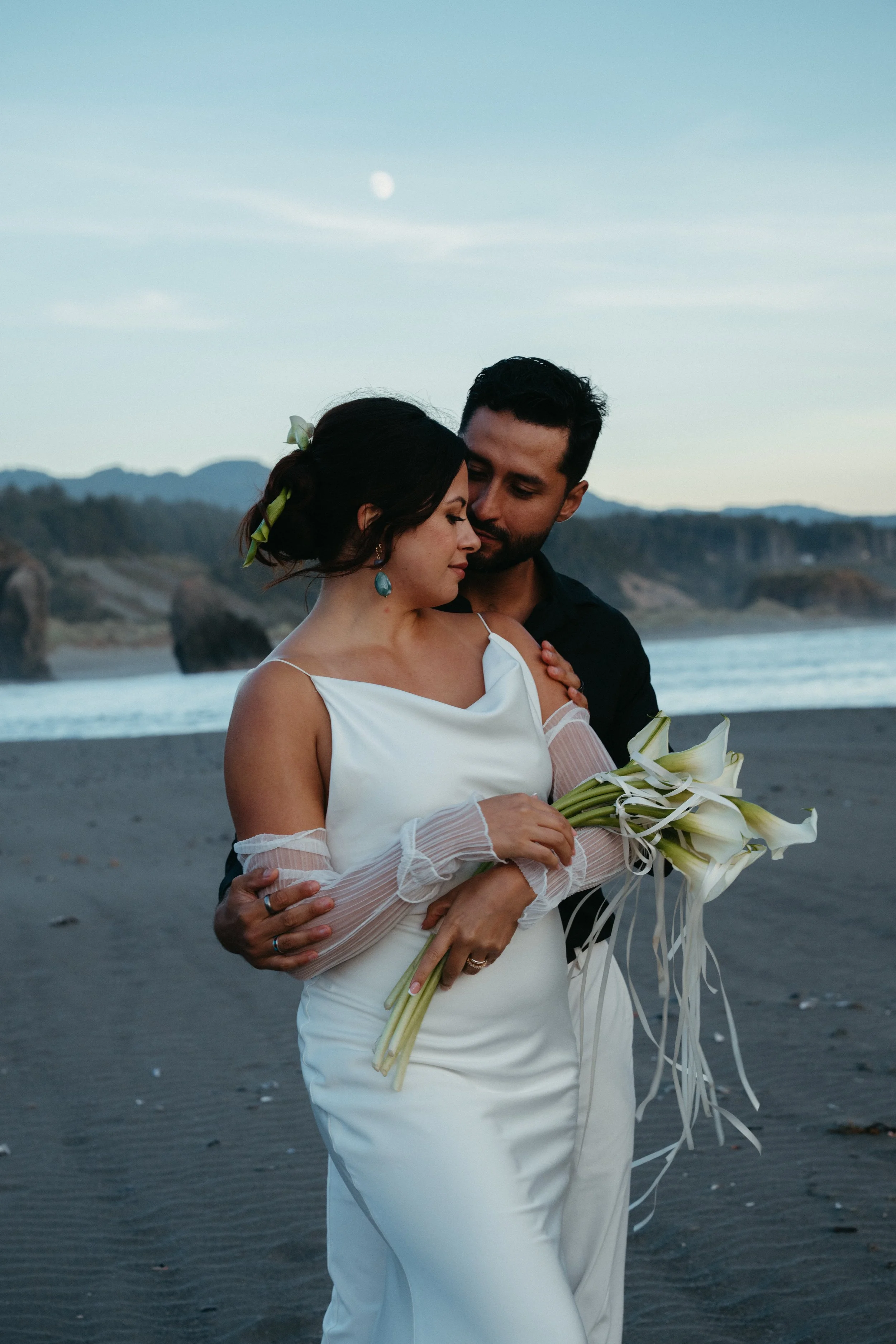
Documentary wedding photographs tend to grow in value as life changes. Couples often tell me that images they barely noticed at first become the ones they treasure most later on — especially photographs of people, relationships, or dynamics that have since shifted.
This is particularly true when photographing multi-generational gatherings, destination weddings, or East Coast weddings where families have travelled from different places and may not all gather again in the same way.
The photographs age alongside you.
4. You won’t see yourself performing — you’ll see yourself behaving
Traditional wedding photography often centres on how things look. Documentary photography focuses on how things unfold.
Couples are often struck by how “unselfconscious” they appear in their images — not because they were trying to be natural, but because they weren’t thinking about the camera at all.
You’re not performing a version of yourself for documentation. You’re simply reacting, responding, moving through the day.
That honesty can feel confronting at first — and then deeply grounding.
5. The story matters more than individual highlights
Before the wedding, couples often fixate on individual photographs: the ceremony kiss, the portraits, the details.
Afterwards, they care far more about sequence.
Documentary photography prioritises how moments connect — what happened before, what followed, and how one interaction influenced another. When viewed as a full body of work, the images hold emotional continuity rather than isolated perfection.
This approach tends to resonate strongly with couples who value narrative, memory, and context over spectacle.
6. Not every photograph will be “flattering” — and that’s the point
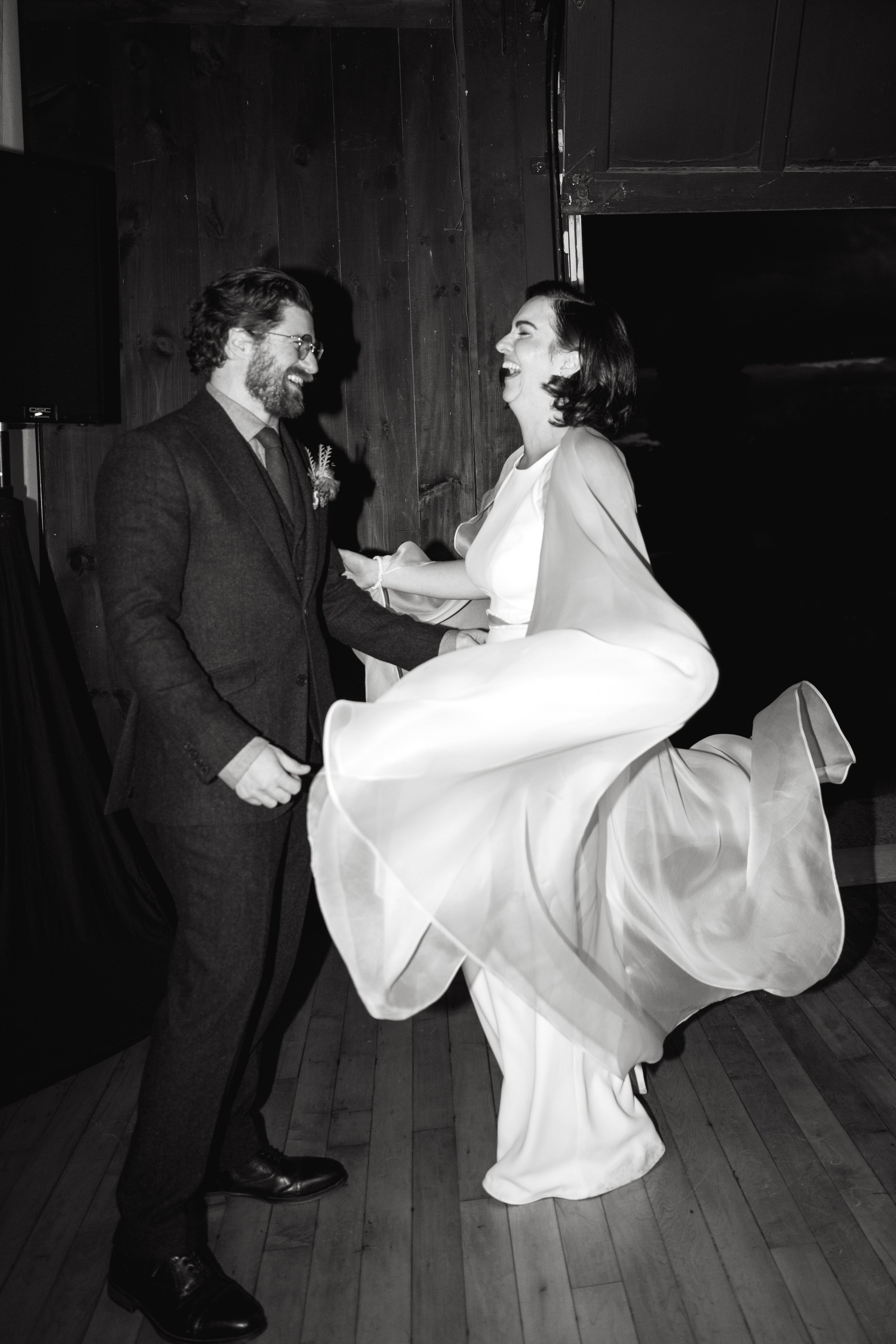
This is one of the hardest things to understand before the wedding.
Documentary photography doesn’t edit out reality. People blink. Expressions shift. Emotions register honestly. Not every image is polished — but collectively, they are true.
Most couples come to appreciate that these moments feel human rather than curated. The photographs that initially feel imperfect often become the most meaningful because they reflect how the day actually felt, not how it was supposed to look.
7. You’ll see your guests more clearly than you expected
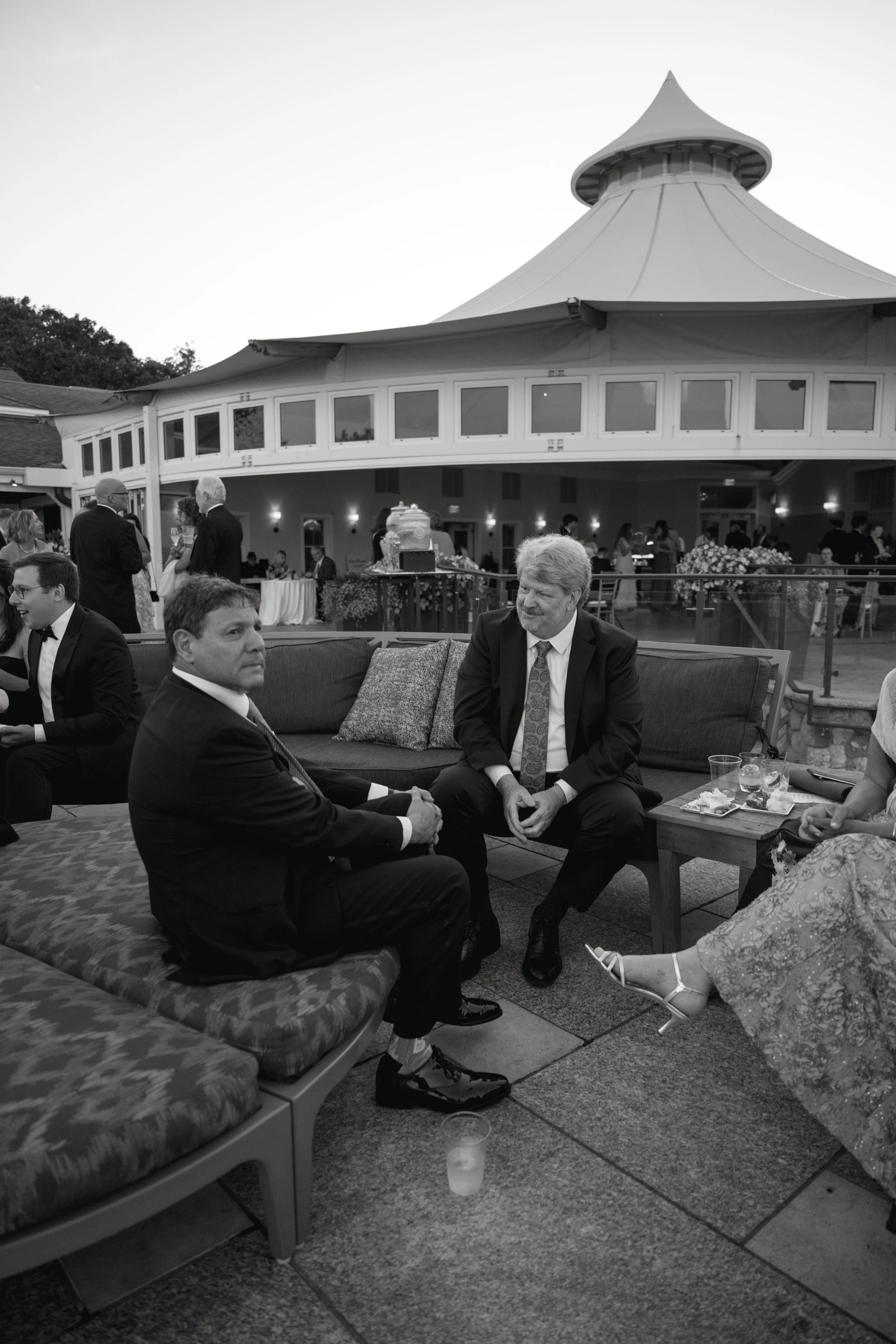
Many couples are surprised by how much they value photographs of their guests.
Documentary coverage doesn’t prioritise the couple at the expense of everyone else. It pays attention to the ecosystem of the day — the people who showed up, supported you, and shared the experience.
Years later, these images often become invaluable, particularly when relationships evolve or loved ones are no longer present.
This is something couples rarely articulate beforehand — but almost always mention afterwards.
8. The photographer’s perspective matters more than their style
Couples often focus heavily on editing style or colour palette when choosing a documentary photographer. While these things matter, they are secondary to perspective.
What truly shapes your wedding photographs is how a photographer sees people, power dynamics, emotion, and space. Two photographers can stand in the same room and notice entirely different things.
Documentary photography is not neutral. It’s interpretive. And that interpretation is what gives the work depth.
9. Planning choices affect documentary photographs more than you think
Couples often realise in hindsight how much their planning decisions influenced the tone of their images.
Things like:
Rushed timelines
Overcrowded schedules
Lack of breathing room
Documentary photography thrives on space — emotional and logistical. When there’s time to let moments unfold, the photographs reflect that ease. When there isn’t, the images still tell the truth, but the story feels different.
This isn’t about right or wrong choices. It’s about awareness.
10. The photographs often become family documents, not just wedding images
Perhaps the most unexpected realisation is how quickly wedding photographs move beyond being “about the wedding”.
They become records of relationships, histories, and chapters of life. They’re referenced in conversations, shown to children, revisited during difficult moments, and returned to during anniversaries.
Documentary wedding photography doesn’t just preserve how a wedding looked. It preserves how it existed.
That distinction becomes clearer with time.
Frequently Asked Questions
Is documentary wedding photography the same as photojournalistic photography?
They’re closely related. Both prioritise real moments over staged ones, but documentary photography often places more emphasis on emotional continuity and narrative rather than isolated events.
Will we still get portraits if we choose a documentary approach?
Yes. Most documentary photographers include time for portraits, but approach them with minimal direction and a focus on interaction rather than posing.
Is documentary photography suitable for formal or traditional weddings?
Absolutely. Documentary photography adapts to the structure of the day rather than resisting it. Formality doesn’t prevent authenticity.
Do documentary photographers intervene if something goes wrong?
Rarely — unless someone’s safety or experience is genuinely at risk. The role is to observe, not control.
How many images are typically delivered?
Coverage varies, but documentary collections often include a higher number of images to preserve context and sequence, not just highlights.
A final thought
Documentary wedding photography isn’t about aesthetics alone. It’s about attention, restraint, and respect for what actually unfolds.
Most couples don’t fully understand its value until after the wedding — when memory softens, details blur, and the photographs quietly step in to hold what would otherwise be lost.
If you’d like to explore this further, or you’re curious and have more questions about wedding photography coverage, feel free to check out my own offerings or reach out to me directly to book a free consultation. Can’t wait to hear all about your dream wedding day!