
Best Ways to Compare Wedding Photographer Portfolios (What Matters Most)

Comparing wedding photographer portfolios can feel deceptively straightforward. You scroll, you save, you narrow. And yet, many couples reach the end of that process feeling more uncertain than when they began.
That’s usually because portfolios are designed to impress, not to explain. They show highlights, not habits. This article is about learning how to read between the images — what to look for, what to question, and what actually matters when you’re comparing photographers side by side.
It matters because the right portfolio doesn’t just align with your taste. It signals consistency, judgement, and how the experience is likely to feel on the day itself.
Start by separating taste from reliability
The first step is acknowledging that liking an image and trusting a photographer are related, but not the same thing.
Taste is immediate. Reliability reveals itself over time.
When comparing portfolios, I often suggest couples do two passes:
A first pass for visual response — what naturally draws you in
A second pass for consistency and decision-making
This helps prevent a common mistake: choosing based on a handful of striking images rather than the body of work as a whole.
Look for consistency across different lighting conditions
One of the clearest indicators of experience is how a photographer handles varied light.
Strong portfolios show confidence in:
Bright midday sun
Overcast skies
Indoor, mixed lighting
Evening and low-light conditions
If every image appears to be taken at golden hour, that’s not necessarily a strength — it may be a limitation.
In regions like New England and New York, where light shifts quickly and unpredictably, consistency across conditions matters far more than perfection in ideal ones.
Pay attention to the quieter images
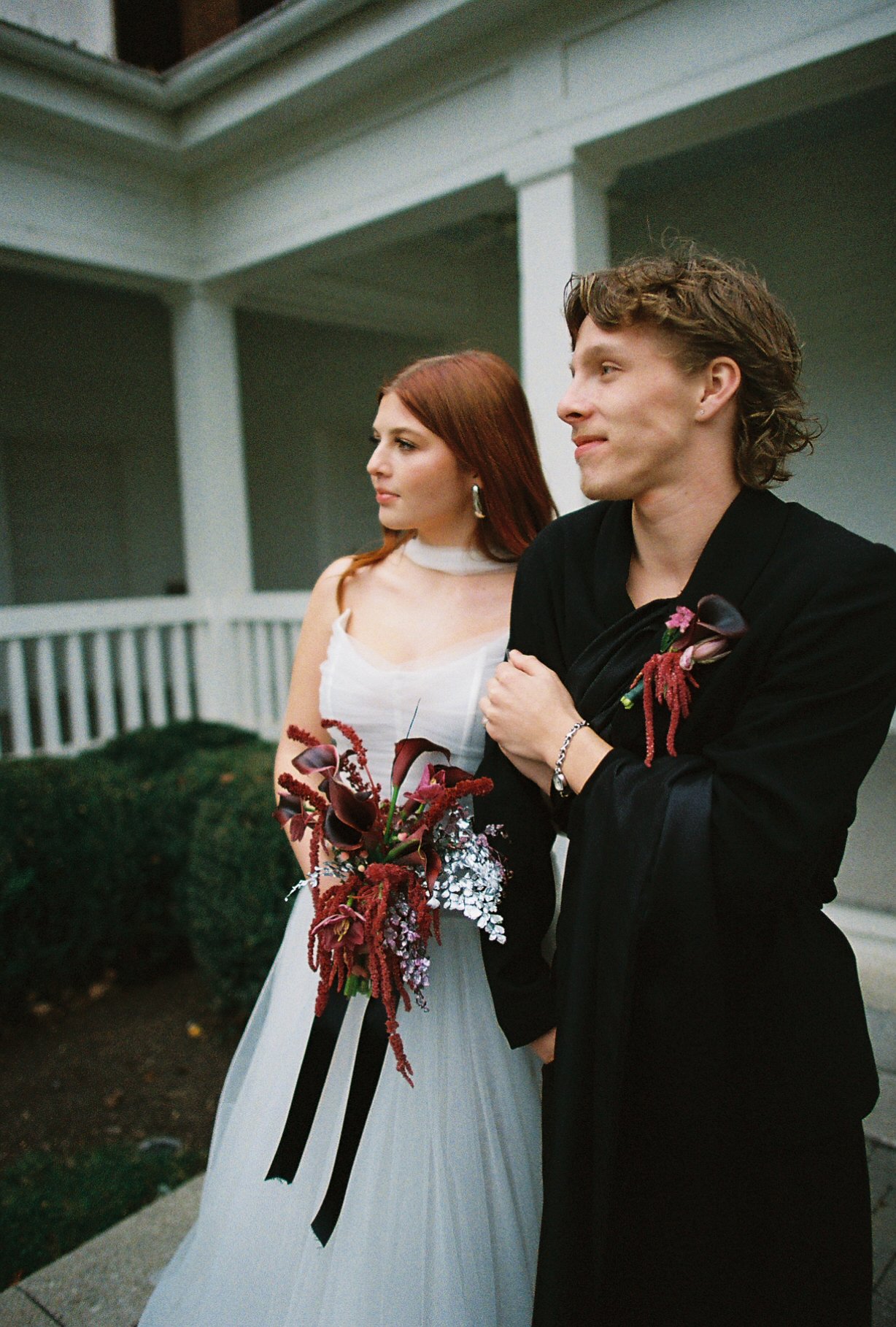
Highlight images tend to be dramatic. What often matters more are the quiet frames.
When comparing portfolios, look for:
Transitional moments
Interactions between guests
Images without obvious spectacle
These photographs reveal how a photographer observes, not just how they compose.
From experience, couples who value these quieter images often feel more connected to their galleries over time.
Notice how people are photographed, not just how places look
Venues photograph easily. People are more complex.
When comparing portfolios, ask yourself:
Do people look comfortable?
Are expressions natural or forced?
Is there emotional range, not just smiles?
Strong photographers consistently make people feel at ease — and that ease shows up visually.
This matters whether the setting is a Rhode Island coastal venue, a Connecticut estate, or a New York city space. The environment changes; human behaviour doesn’t.
Look for full galleries, not just portfolio pages
Portfolio pages are curated by design. They are meant to show best work, not typical work.
Before making comparisons, ask to see at least one full wedding gallery from each photographer. Ideally, choose:
A similar season
A similar venue type
A full day of coverage
When reviewing full galleries, focus on:
Pacing from start to finish
Consistency in colour and exposure
How the story is told, not just the highlights
This step often clarifies decisions very quickly.
Evaluate how images sit together as a narrative
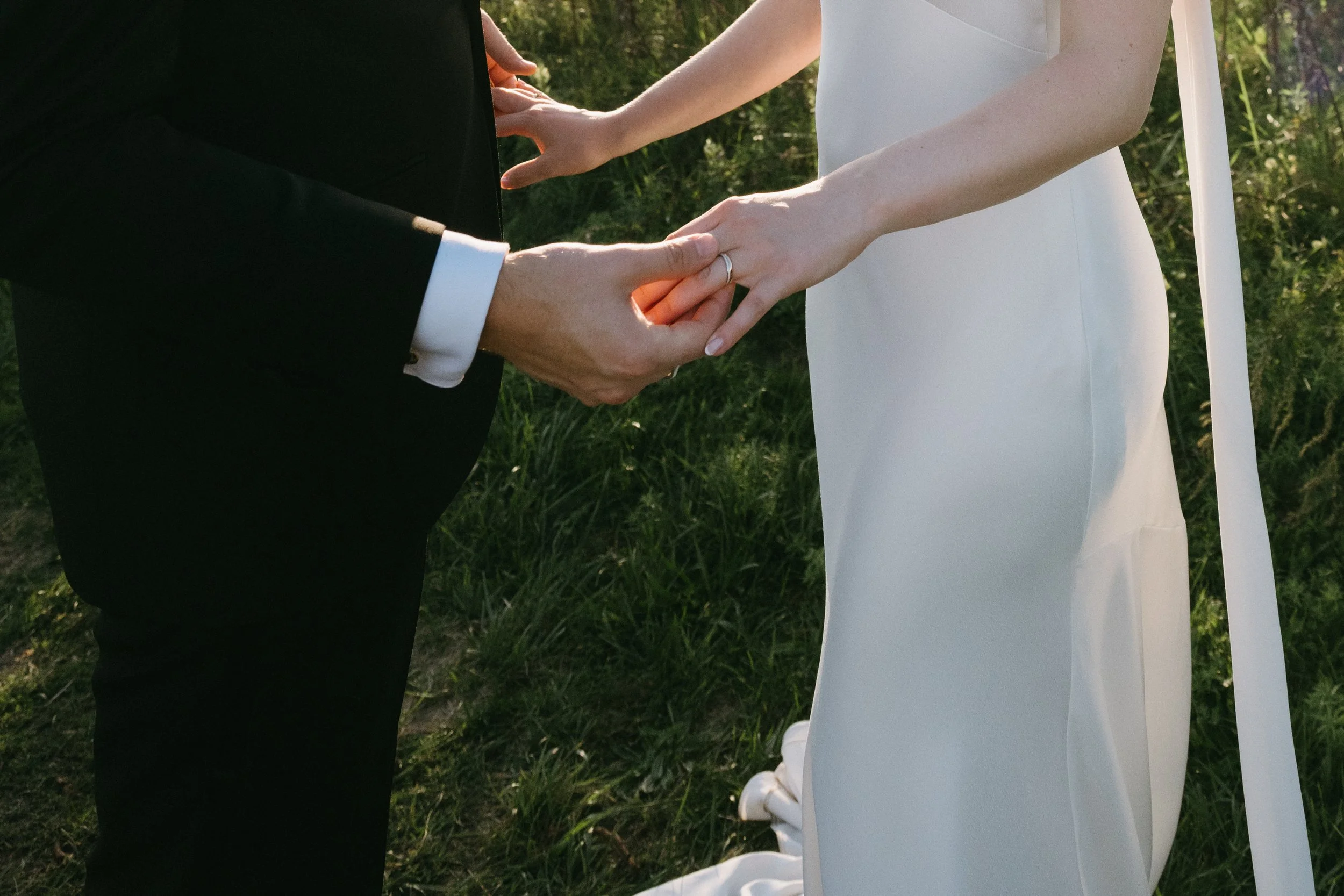
Individual images can be strong while the overall story feels disjointed.
When comparing portfolios, look at how images flow:
Do moments build naturally?
Is there visual variety without chaos?
Does the gallery feel cohesive rather than repetitive?
Narrative cohesion is a sign of editorial judgement — an often overlooked but critical skill.
This is particularly important for weddings that move between locations, which is common across New England and the wider East Coast.
Compare how photographers handle similar moments
Most weddings share a basic structure. Use that to your advantage.
When comparing portfolios, look for:
Ceremony coverage
Family portraits
Reception candids
Ask yourself:
Are similar moments handled with similar care?
Does quality dip at any point?
Consistency across expected moments is more telling than creativity in rare ones.
Don’t overvalue uniqueness at the expense of dependability
Many couples are drawn to portfolios that feel different.
Uniqueness can be valuable, but it shouldn’t replace dependability. Ask yourself whether the work feels intentionally distinctive or simply inconsistent.
From what I’ve seen, photographers whose work ages well often prioritise clarity and restraint over novelty.
Difference should feel grounded, not experimental at the couple’s expense.
Pay attention to editing choices and restraint
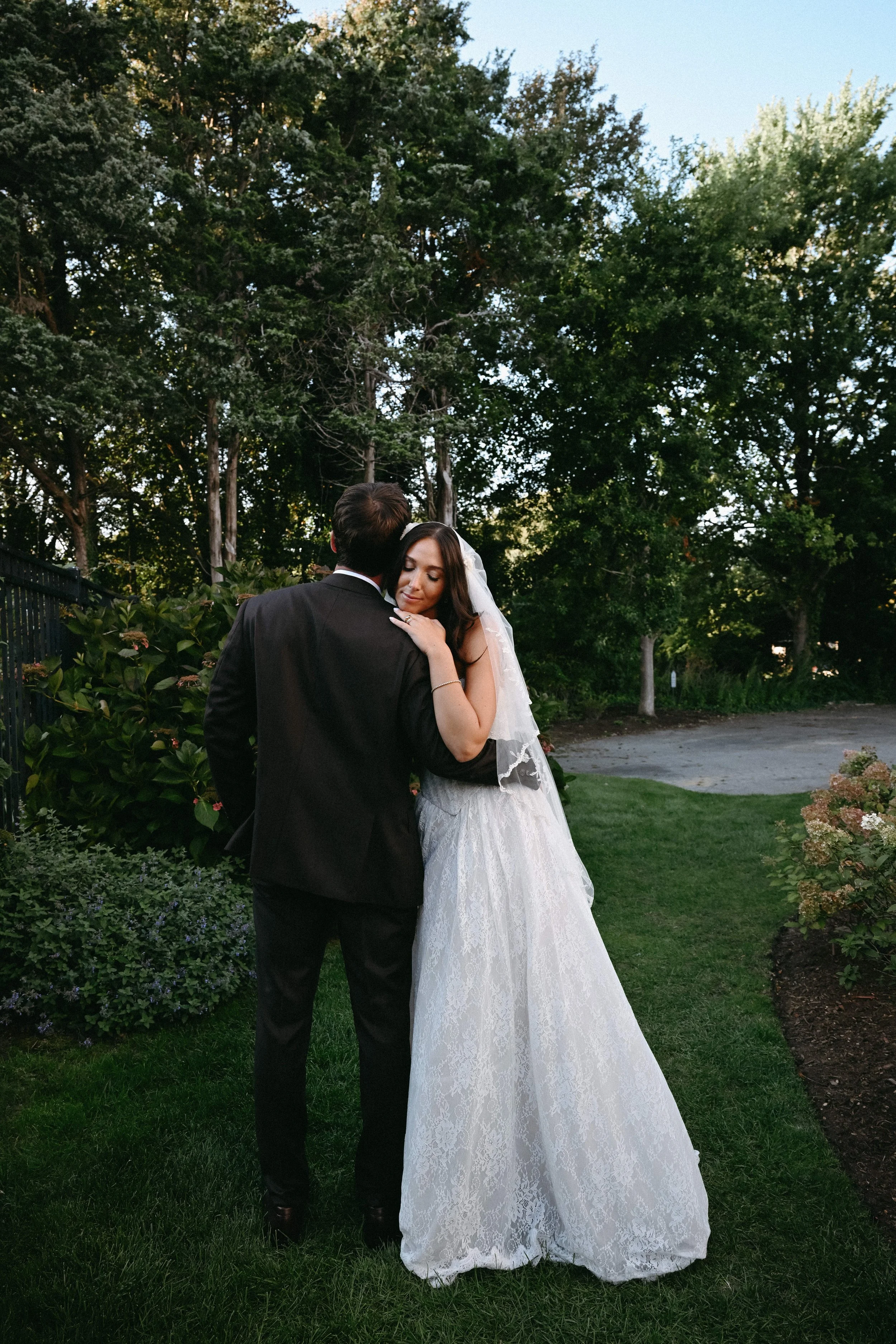
Editing style influences how images age.
When comparing portfolios, notice:
Colour consistency across galleries
Skin tones in different lighting
Contrast and saturation levels
Overly aggressive editing can feel impactful initially, but may date quickly. More restrained editing often holds up better over time.
This is especially relevant for couples planning weddings in environments with complex light, such as coastal New England or urban New York spaces.
Look for evidence of experience, not just popularity
Visibility is not the same as experience.
When comparing portfolios, be cautious about assuming:
Awards equal consistency
Features equal reliability
Large followings equal fit
Experience shows up in how smoothly a portfolio handles ordinary moments — not just in how it presents extraordinary ones.
Ask yourself whether the work reflects repetition and refinement, or novelty and variation.
Use portfolios to narrow, not to decide entirely
A portfolio’s primary job is to help you narrow your options, not to make the final decision.
Once you’ve identified photographers whose work feels aligned, further comparison should include:
Communication style
Full galleries
Conversations
Portfolios open the door. They don’t tell the whole story.
Common mistakes couples make when comparing portfolios
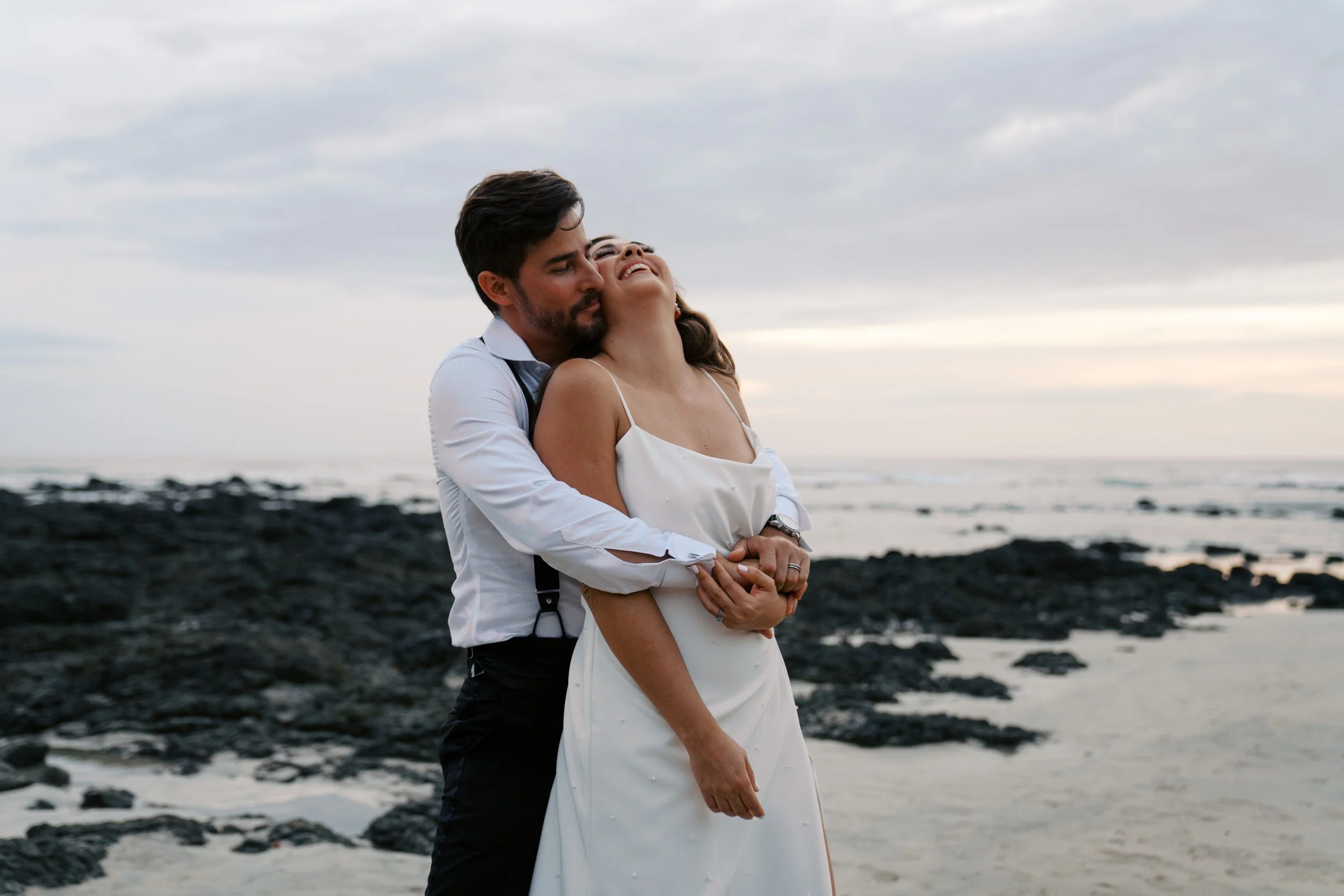
A few patterns come up often.
Comparing highlight images rather than full bodies of work
Confusing trend alignment with longevity
Ignoring how people are photographed
Being aware of these tendencies helps couples compare more thoughtfully.
A simple framework for comparing portfolios side by side
If you’re feeling overwhelmed, try this approach:
Choose three to five photographers whose work you like
Review one full gallery from each
Compare how they handle the same moments
Note consistency, not just standout images
Reflect on how the galleries make you feel
This keeps the process grounded and manageable.
Frequently Asked Questions
How many portfolios should we compare at once?
Three to five is usually ideal. More than that can make differences harder to see.
Is it okay if we don’t love every image in a gallery?
Yes. What matters is overall consistency and how the story feels as a whole.
Should we prioritise photographers who have shot at our venue?
Not necessarily. Experience with similar environments matters more than a specific location.
Do full galleries always reflect the portfolio quality?
They should. If there’s a noticeable drop in consistency, it’s worth asking questions.
How much weight should style carry compared to experience?
Style matters, but experience often determines how smoothly the day — and the gallery — comes together.
A closing thought
Comparing wedding photographer portfolios isn’t about finding the most impressive images. It’s about recognising patterns — how a photographer sees, decides, and follows through.
When you focus on consistency, narrative, and how people are photographed, the right choice often becomes clearer and quieter than expected.
If you’d like to explore this further, you can reach out to continue the conversation thoughtfully and without pressure, and if you’d like to see some example galleries of my own, feel free to check one out here!