
How the Right Photographer Can Calm Nerves on Your Wedding Day
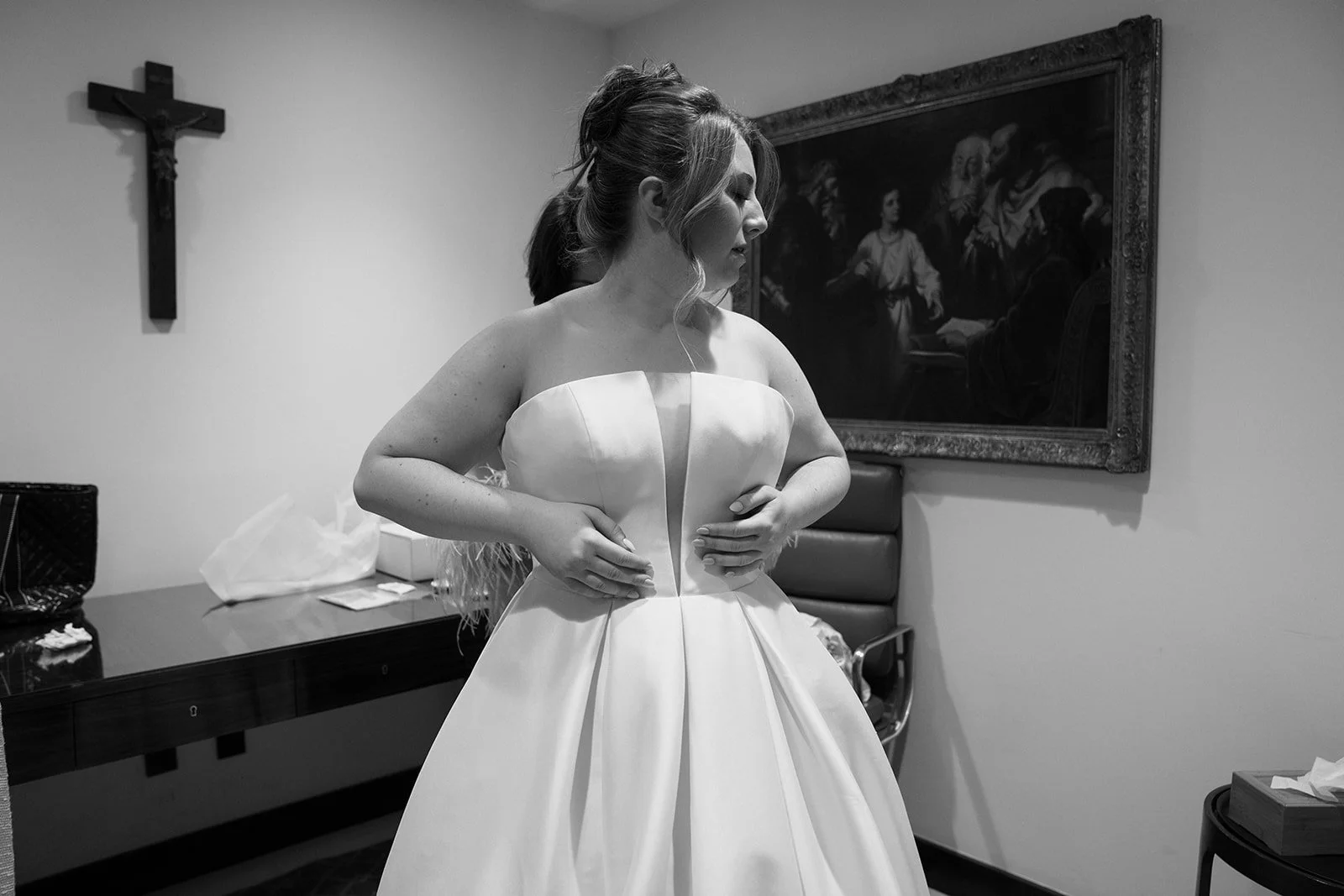
Most couples expect to feel some level of nerves on their wedding day. What often surprises them is where those nerves come from. It’s rarely the ceremony itself. More often, it’s the sense of being observed, managed, or rushed — especially during moments that feel personal.
This article looks at how the right photographer can actively reduce that tension. Not by disappearing entirely, and not by taking control, but by bringing a kind of steady presence that allows the day to unfold without added pressure.
It matters because your photographer is one of the few people who will be with you through almost every part of the day. Their approach has a direct impact on how calm, present, and comfortable you feel.
Nerves aren’t a personal failing — they’re situational
I’ve noticed that couples often blame themselves for feeling anxious. They assume it means they’re not relaxed people, or that something is wrong.
In reality, wedding-day nerves are usually situational. You’re navigating:
A compressed timeline
A high level of attention
Emotional and family dynamics
A sense that everything matters at once
The right photographer understands this context. They don’t try to “fix” nerves. They work in a way that doesn’t amplify them.
Calm begins with predictability before the wedding day
One of the biggest contributors to calm on the wedding day is how much feels familiar.
Photographers who help couples feel at ease usually do so long before the wedding itself. This often includes:
Clear communication about how the day will flow
Thoughtful timeline guidance
Realistic explanations of what to expect
When couples know roughly how photography will fit into the day, fewer decisions need to be made under pressure.
From experience, uncertainty creates more anxiety than almost anything else.
A photographer’s presence sets the emotional tone
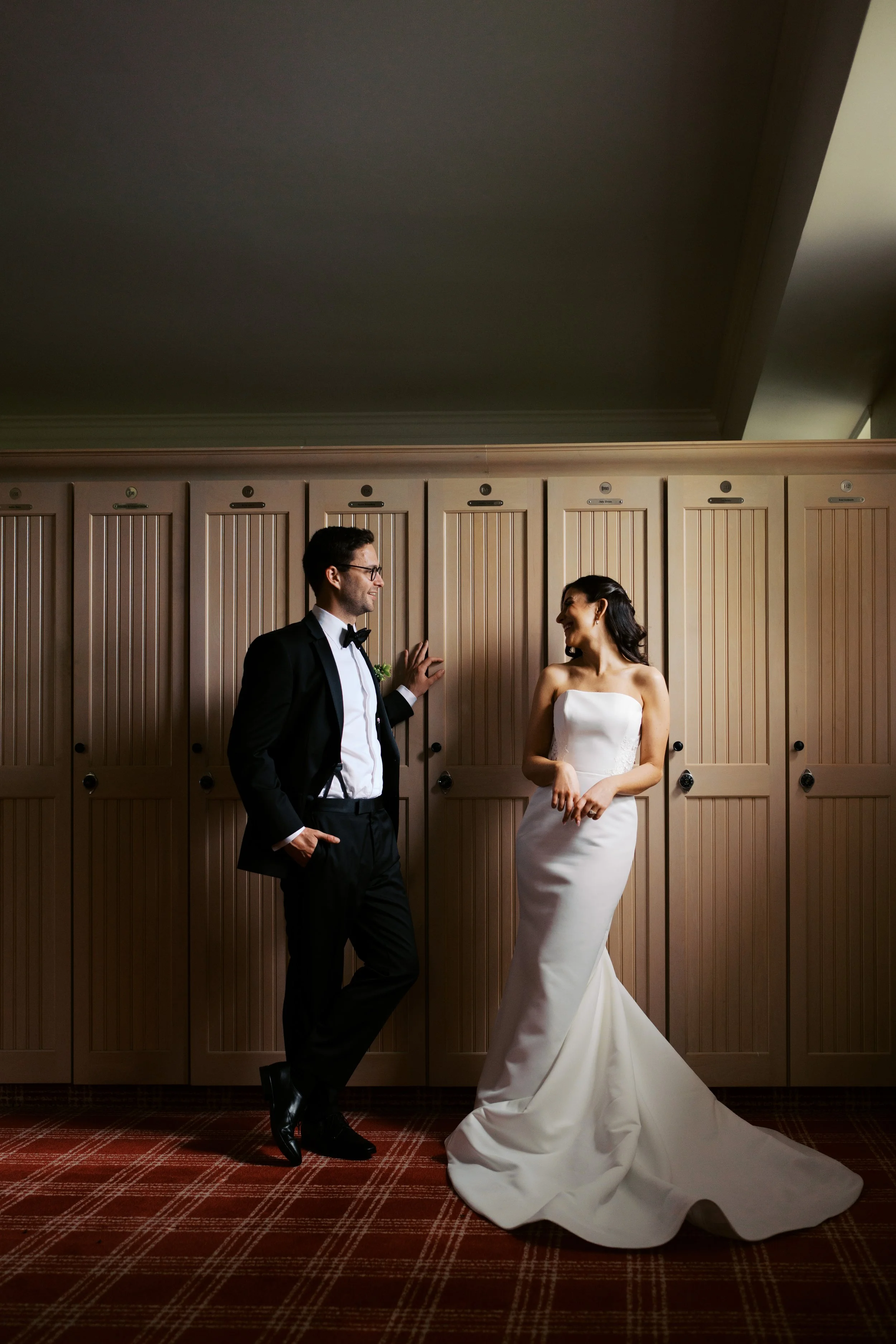
On the wedding day, a photographer’s demeanour matters as much as their technical skill.
A calm photographer tends to:
Move with intention rather than urgency
Speak clearly and quietly
Avoid unnecessary commentary
I’ve seen how quickly energy shifts when a photographer enters a room. If they feel rushed or flustered, it spreads. If they feel grounded, others often follow suit.
This is particularly noticeable during morning preparations, where nerves tend to surface first.
Knowing when to step in — and when not to
One of the most calming traits a photographer can have is discernment.
There are moments when gentle guidance helps:
During family portraits
When time is tight
When light or logistics require adjustment
And there are moments when silence is more appropriate:
Private exchanges
Emotional pauses
Transitions between events
The right photographer reads these moments accurately. They don’t fill space unnecessarily, and they don’t leave couples unsupported when direction would help.
That balance is learned, not improvised.
How clear direction can actually reduce anxiety
Some couples worry that direction will make them feel staged or uncomfortable. In practice, the opposite is often true.
Clear, minimal direction can:
Remove uncertainty about what to do
Prevent awkward pauses
Keep things moving smoothly
I’ve noticed that couples feel most anxious when they’re unsure what’s expected of them. A photographer who offers simple, calm guidance — without over-directing — often helps couples relax into the moment more quickly.
The key is how that guidance is delivered.
Familiarity with environment reduces last-minute stress

Location plays a significant role in how calm a wedding day feels.
Photographers familiar with New England and New York environments tend to anticipate challenges that others may not:
Early sunsets in autumn
Coastal wind on Cape Cod or in Rhode Island
Tight access or travel times between locations
When a photographer plans for these factors in advance, fewer adjustments need to happen on the day itself.
From a couple’s perspective, this often shows up as fewer surprises — and fewer moments of tension.
Calm is often invisible when it’s done well
One of the reasons couples underestimate a photographer’s impact on nerves is that calm work often goes unnoticed.
When things feel smooth, couples assume that’s just how the day is supposed to be. They don’t see:
The quiet decisions being made
The moments being subtly protected
The problems being solved before they surface
I’ve seen photographers reroute timelines, shift locations, and adapt plans without ever involving the couple — all in service of keeping the experience steady.
That invisibility is intentional.
Trust reduces the need for control
Anxiety often increases when couples feel the need to manage what’s happening around them.
When couples trust their photographer, they tend to:
Let go of micromanaging moments
Stay present with guests
Move through the day more naturally
Trust is built through consistency, not reassurance alone. It comes from knowing that someone understands both the practical and emotional stakes of the day.
This is why communication style matters as much as portfolio quality.
Photographers often act as emotional buffers
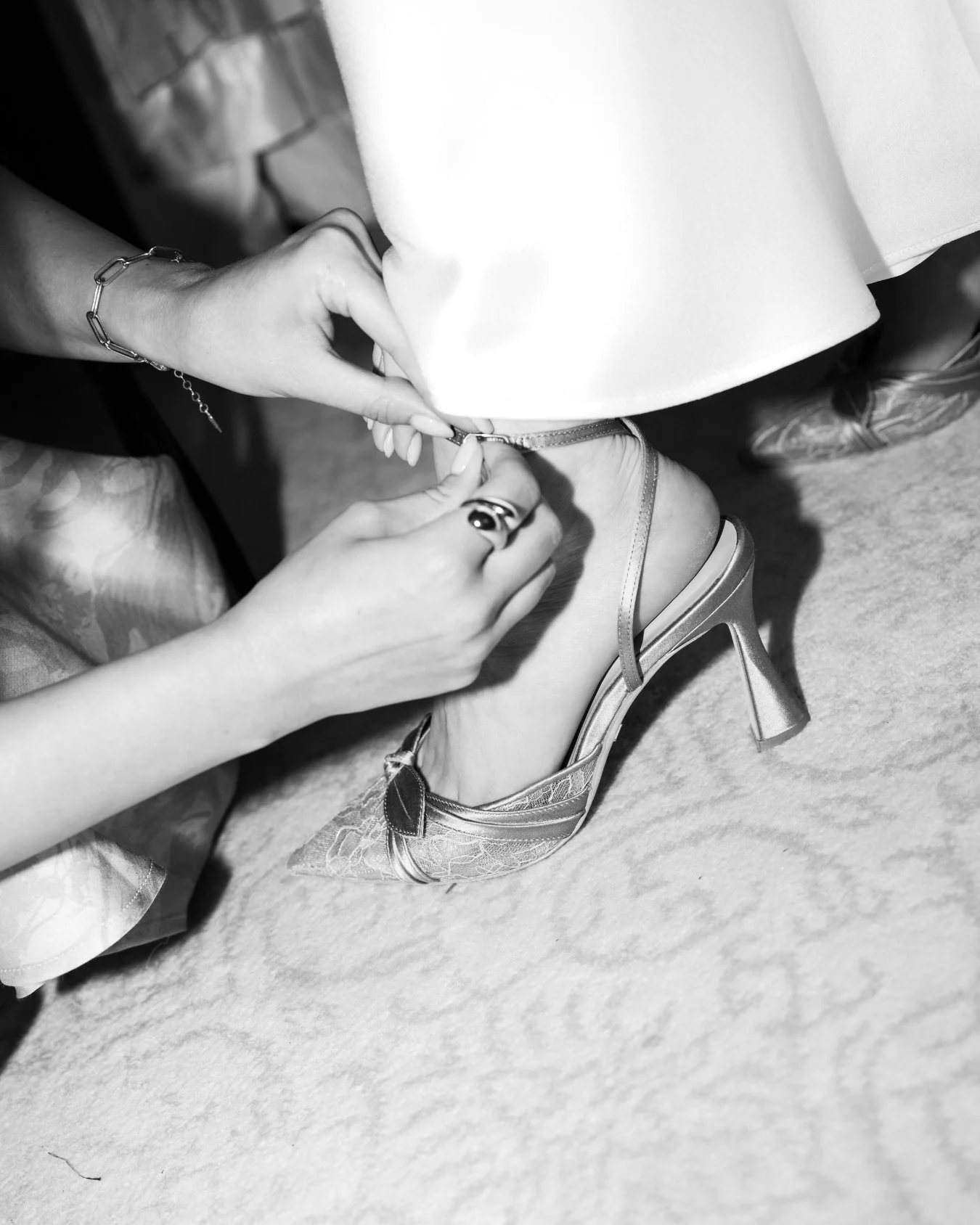
Beyond photography, I’ve seen photographers quietly take on roles couples never expected:
Redirecting well-meaning but overwhelming guests
Creating small pockets of quiet during busy moments
Offering reassurance without making it about themselves
This doesn’t mean becoming a planner or coordinator. It means being aware of how small interventions can ease tension.
These moments are rarely documented, but they’re often remembered.
Why calm photographers don’t rush portraits
Portrait time is one of the most nerve-inducing parts of the day for many couples.
The right photographer approaches portraits with:
A clear plan
Efficient pacing
Reassuring direction
Rather than extending the session unnecessarily, they focus on quality over quantity.
I’ve noticed that when portraits feel contained and purposeful, couples relax into them more easily. Long, meandering sessions tend to increase self-consciousness rather than reduce it.
The role of quiet confidence
Confidence doesn’t need to be loud to be effective.
Quietly confident photographers tend to:
Make decisions without over-explaining
Communicate calmly even under pressure
Avoid drawing attention to themselves
This kind of confidence is deeply calming. It signals that someone is comfortable with responsibility — and that you don’t need to carry it yourself.
What couples often misunderstand about calming nerves
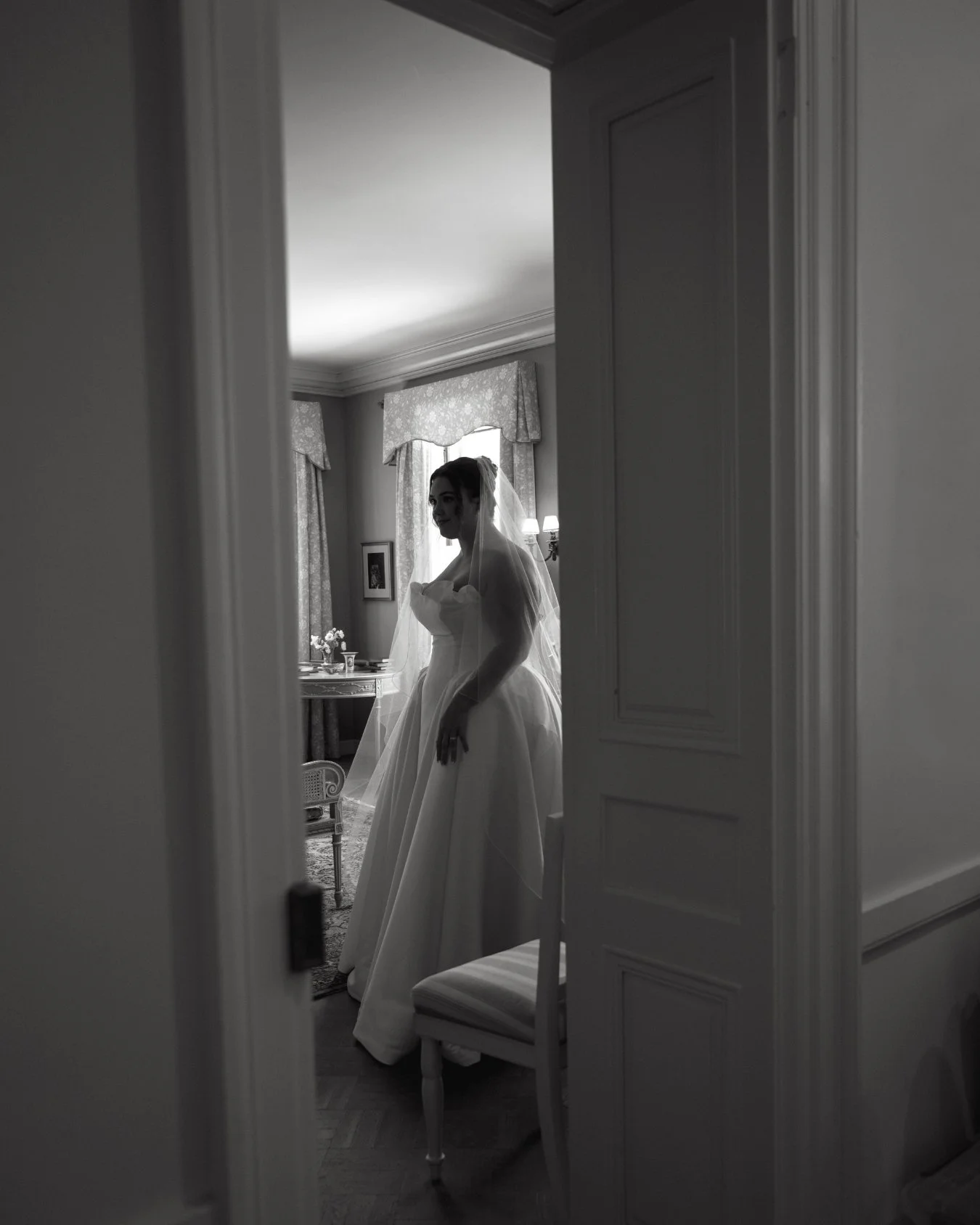
There are a few common assumptions I see repeatedly.
That a photographer must be invisible to be calming
That more enthusiasm equals more reassurance
That nerves are something to eliminate
In reality, the most calming photographers are often present, observant, and measured. They allow nerves to exist without amplifying them.
Calm comes from being supported, not distracted.
How to recognise a calming photographer before you book
It’s possible to sense this quality early if you know what to look for.
Pay attention to:
How clearly they explain their process
Whether they listen more than they speak
How you feel after communicating with them
After conversations with calming photographers, couples often report feeling clearer rather than energised.
That distinction matters.
When calm matters most on the wedding day
While nerves can surface at any point, there are moments where a photographer’s presence is especially influential:
Morning preparations
Just before the ceremony
During family portraits
In the transition between events
Photographers who understand these pressure points tend to approach them with extra care.
This awareness is part of experience.
Frequently Asked Questions
Can a photographer really make that much difference to how we feel?
Yes. Because they’re present during intimate, high-pressure moments, their demeanour and decisions have a direct impact on emotional tone.
What if we’re naturally anxious people?
That’s common. A calming photographer doesn’t expect couples to change — they adapt their approach to support them.
Does a calm photographer mean a hands-off photographer?
Not necessarily. Calm often comes from clear, confident guidance rather than absence.
How can we tell if a photographer will help us feel at ease?
Notice how you feel during communication. Do you feel heard, rushed, or reassured? Those early interactions are usually telling.
Is this more important than photography style?
Style matters, but how you feel on the day often matters more in hindsight. Many couples prioritise experience once they understand the difference.
A final thought
The right photographer doesn’t remove nerves by distracting you from them. They calm nerves by creating an environment where you don’t need to manage everything yourself.
That calm shows up in how the day unfolds, how present you feel, and how naturally moments are captured.
If you’d like to explore this further, you can get in touch to continue the conversation thoughtfully and without pressure.