
Is Documentary Wedding Photography Worth the Investment? A Practical Look
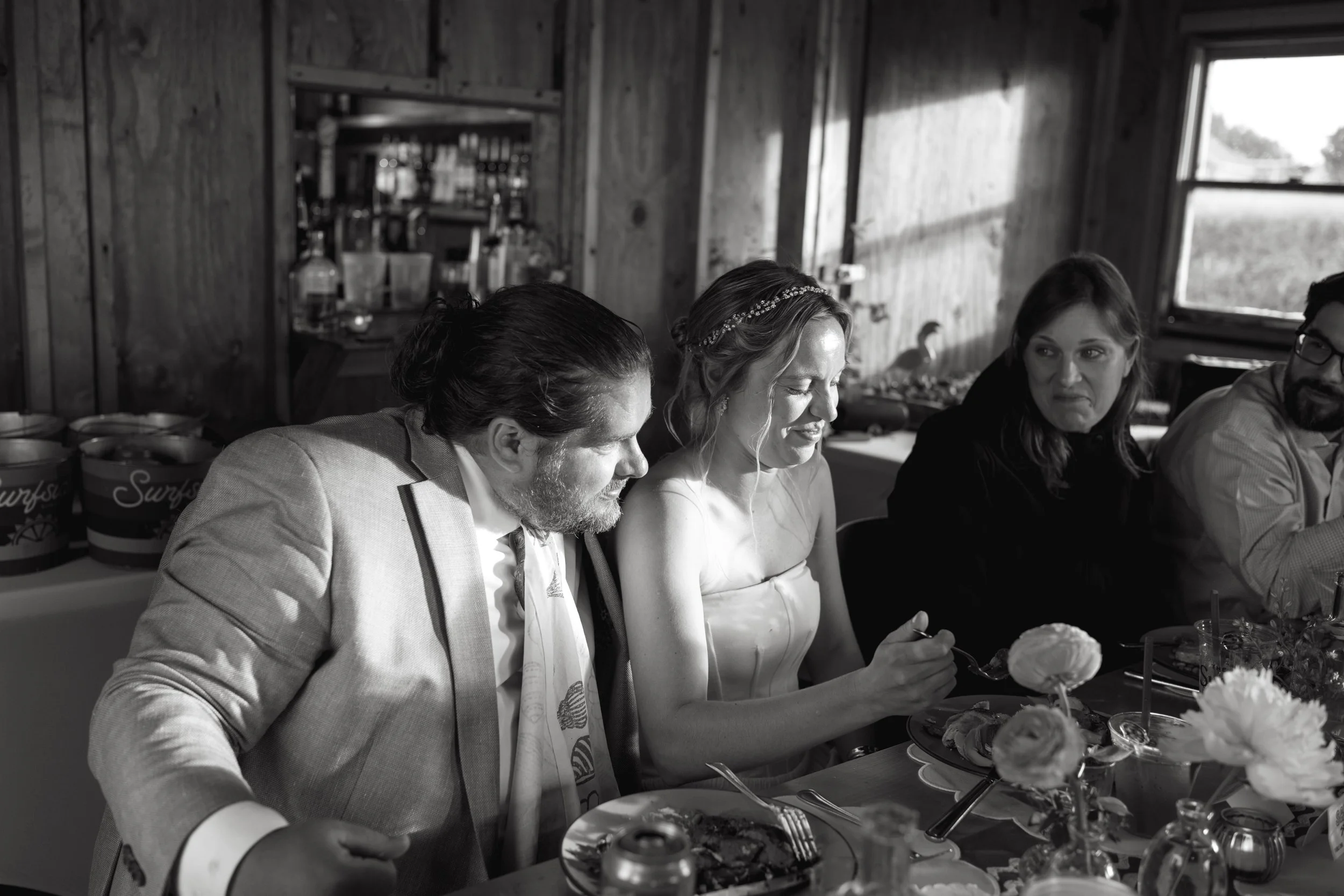
Documentary wedding photography is often described in emotional terms — honest, real, unobtrusive. Couples tend to respond instinctively to the idea, but still hesitate when it comes to the investment. It can feel harder to justify something that promises presence rather than performance.
This article takes a practical look at whether documentary wedding photography is worth the investment. Not from a stylistic or philosophical standpoint, but from the perspective of how it actually functions on a wedding day, what it delivers over time, and who it genuinely serves well.
It matters because documentary photography is often misunderstood. When couples understand what they are — and are not — paying for, the decision tends to feel clearer and more grounded.
What documentary wedding photography actually means in practice
At its core, documentary wedding photography prioritises observation over orchestration. The photographer’s role is to notice, anticipate, and respond rather than direct.
In practice, this usually involves:
Minimal posing during the day
A focus on real interactions rather than recreated moments
Allowing events to unfold without interruption
This doesn’t mean the photographer is passive or unprepared. Quite the opposite. Strong documentary work relies on timing, awareness, and judgement.
The difference lies in how those skills are applied.
Documentary photography shifts where the effort happens
One of the biggest misconceptions is that documentary photography is easier for the photographer. It’s often assumed that less direction means less work.
In reality, the effort simply shifts.
Instead of directing moments, the photographer invests energy in:
Anticipating emotional cues
Positioning discreetly without disrupting
Reading the room continuously
From what I’ve observed, this approach often requires more concentration, not less. The photographer is constantly making decisions — just quietly.
That invisible labour is part of what couples are investing in.
Why documentary photography often costs more than expected
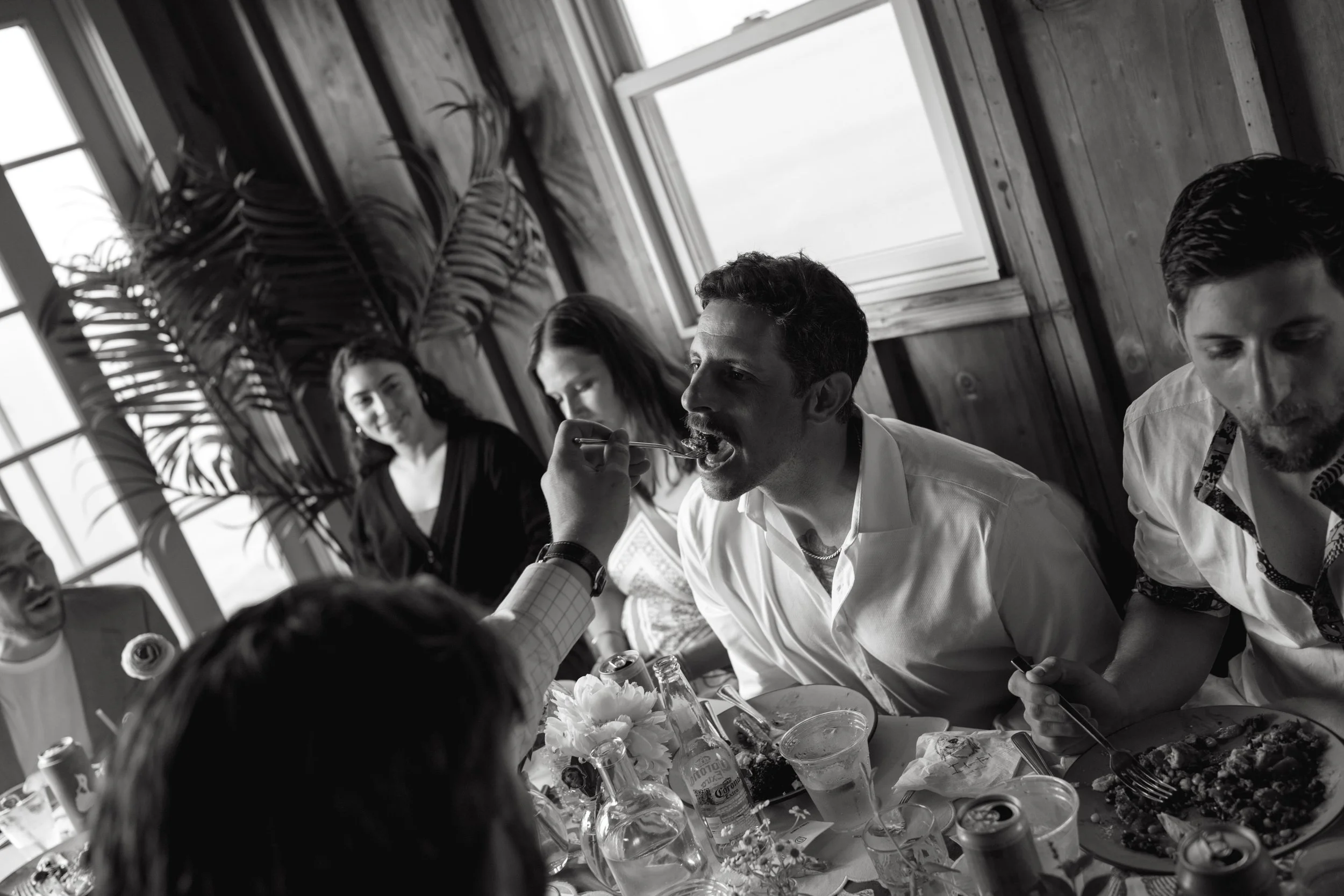
Couples sometimes expect documentary photography to be less expensive because it appears less involved.
In practice, pricing often reflects:
Experience needed to anticipate moments reliably
The mental and emotional demands of sustained observation
Time spent carefully editing and sequencing a narrative
Strong documentary photographers rarely rely on volume or spectacle. Their value lies in consistency and restraint, which are harder to scale.
The investment isn’t in coverage alone. It’s in judgement.
A really important thing to keep in mind when it comes to pricing is the timing: if you think about it, documentary photography requires more coverage time so that the moments that unfold naturally can actually be captured. If you hire a photographer for only a few hours, everything has to be smushed into a tight, dense few hours. But if your photographer is present for the whole day, everything can be documented naturally and authentically.
How documentary coverage changes the wedding day experience
One of the most tangible differences couples notice is how the day feels.
With a documentary approach:
Fewer interruptions occur during meaningful moments
Transitions feel more fluid
Couples spend more time with guests and less time posing
I’ve seen couples express relief afterwards — not because nothing was directed, but because they didn’t feel managed.
That sense of ease is often a key reason couples feel the investment was worthwhile.
What couples gain — and give up — with documentary photography
No approach is universal. Documentary photography offers clear benefits, but it also comes with trade-offs.
What couples often gain
Images that reflect how the day actually unfolded
Emotional accuracy rather than visual perfection
A calmer, less performative experience
What couples may give up
Highly stylised or posed portraits throughout the day
Control over every visual outcome
Predictability in every frame
Neither side is inherently better. The question is alignment.
Documentary photography is most satisfying when couples value experience as much as imagery.
Documentary photography and long-term value
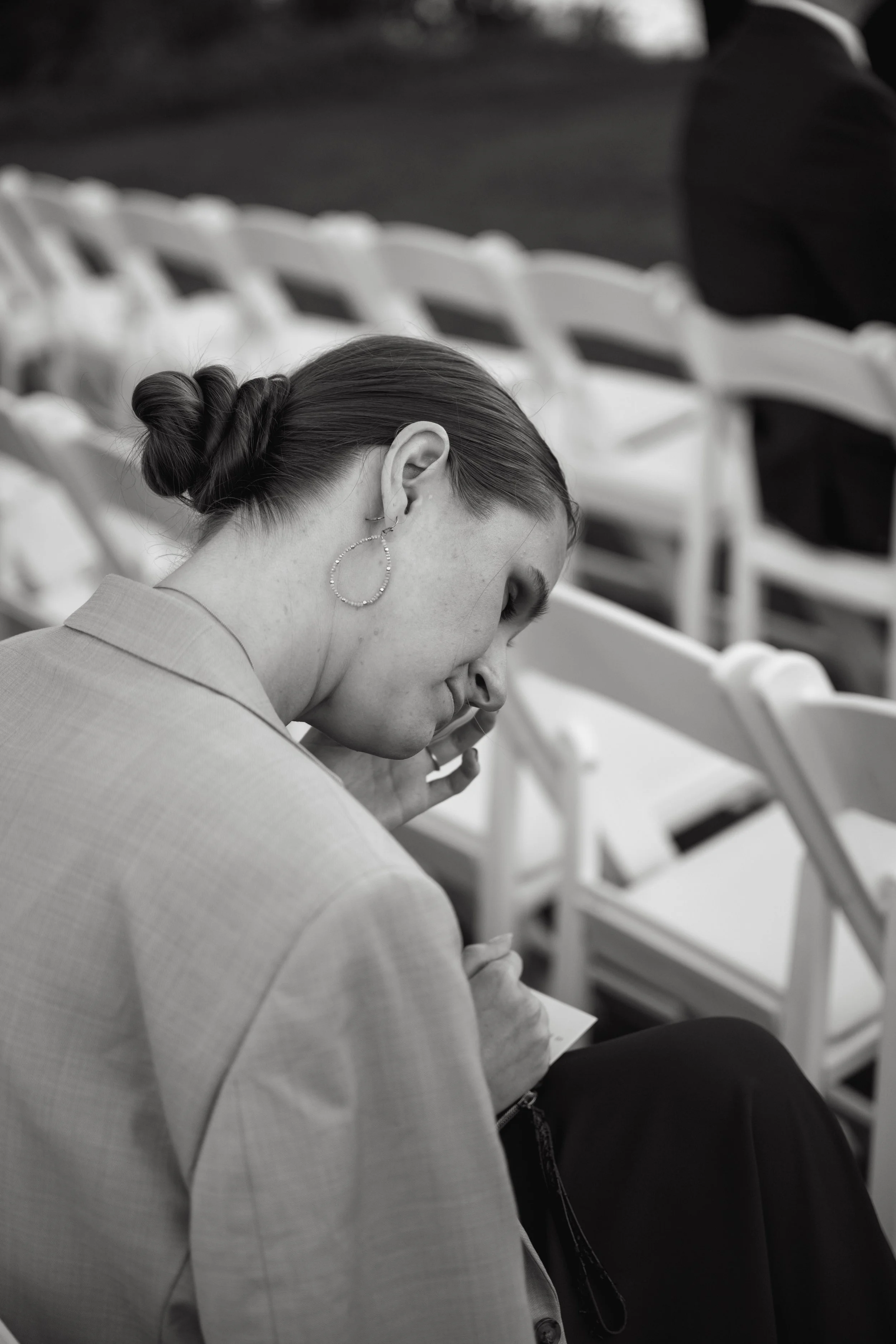
One of the strongest arguments for documentary photography is how it holds up over time.
Images rooted in real interaction tend to:
Feel less tied to trends
Carry emotional weight years later
Reveal details couples didn’t notice on the day
I’ve noticed that couples often return to documentary images with curiosity rather than nostalgia alone. They discover moments they missed, expressions they didn’t see, dynamics they forgot.
That layered value is difficult to quantify upfront, but significant in hindsight.
How environment affects documentary wedding photography
Documentary approaches respond strongly to location.
In places like New England and New York, environment shapes not just light, but behaviour.
Coastal weddings on Cape Cod or in Rhode Island often encourage movement and informality
Estate weddings in Connecticut create space for quieter observation
City weddings in New York demand speed, awareness, and adaptability
Experienced documentary photographers adjust their approach based on setting. The work looks different because the daybehaves differently.
This adaptability is part of what couples are investing in when choosing documentary coverage.
When documentary photography works particularly well
From experience, documentary photography tends to be especially effective when:
Couples value time with guests over extended portrait sessions
The wedding day includes multiple emotional dynamics
The schedule is fluid or complex
Couples are uncomfortable with heavy direction
It also suits smaller weddings and elopements particularly well, where moments are concentrated and easily disrupted.
In these contexts, the investment often feels proportionate to the experience delivered.
When documentary photography may not be the best fit
It’s equally important to acknowledge when documentary photography may not serve couples well.
It may not be the right choice if:
Highly posed imagery is a priority
Couples want strong visual control
The day is structured around specific shots
I’ve seen dissatisfaction arise when couples choose documentary photography for the idea of it, rather than the reality.
Understanding this upfront prevents disappointment later.
The role of experience in documentary work
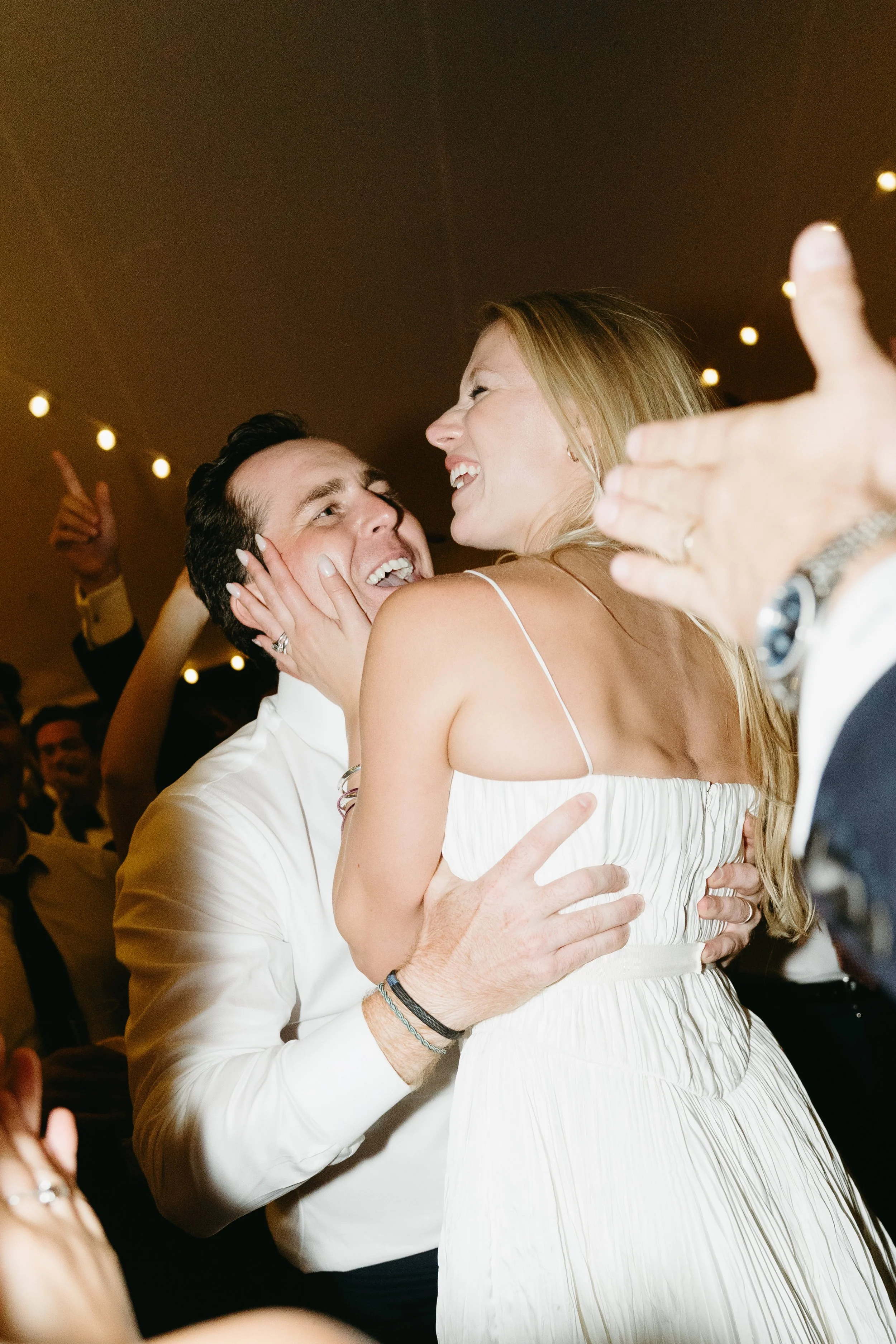
Documentary wedding photography relies heavily on experience.
Without it, important moments can be missed. Timing can be off. Emotional nuance can go unnoticed.
Experienced documentary photographers tend to:
Anticipate rather than react
Understand social dynamics intuitively
Work efficiently without drawing attention
This is particularly important in fast-paced environments like New York or complex, multi-location weddings across New England.
Experience is what allows documentary photography to feel intentional rather than accidental.
Editing and narrative cohesion
Another often-overlooked aspect is what happens after the wedding.
Documentary photography places heavy emphasis on:
Thoughtful curation
Narrative flow
Consistent, restrained editing
The goal isn’t to overwhelm, but to tell the story accurately.
From what I’ve seen, couples value this curation over time. A well-edited documentary gallery feels complete rather than excessive.
That editorial judgement is part of the investment.
Is documentary photography “worth it” compared to traditional approaches?
This is the question couples are really asking.
The answer depends on what you value most.
Documentary photography is often worth the investment if:
You prioritise how the day feels over how it’s staged
You want images that reflect real interactions
You value subtlety and emotional accuracy
It may feel less worthwhile if:
You expect strong visual direction throughout
You prefer predictable outcomes
You measure value primarily in volume or spectacle
Worth, in this context, is personal rather than universal.
What couples often misunderstand about documentary photography
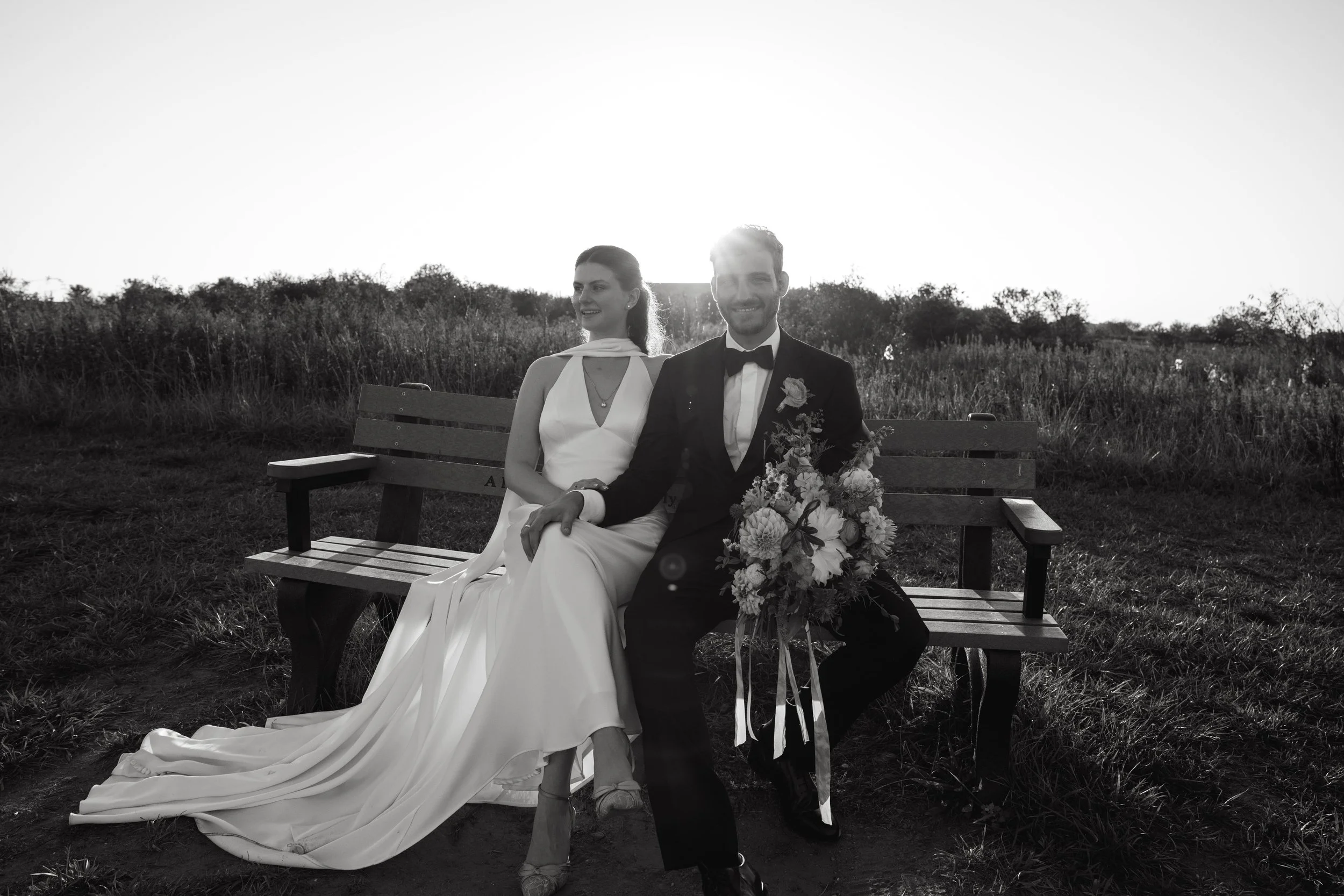
A few patterns come up repeatedly.
Assuming it means “no portraits at all”
Believing it requires no planning
Expecting every moment to be dramatic
Documentary photography still involves structure, intention, and collaboration. It simply expresses those differently.
Understanding this helps couples make decisions with clearer expectations.
Frequently Asked Questions
Is documentary wedding photography completely unposed?
Not entirely. Most documentary photographers still guide family portraits and may offer light direction during portraits, but they avoid interrupting real moments.
Does documentary photography work for large weddings?
Yes, though it requires strong experience. Larger guest counts create more moments, but also more complexity.
Will we still get couple portraits?
Usually, yes. Documentary photographers often create space for portraits without over-directing or extending them unnecessarily.
Is documentary photography less reliable?
When done well, it’s highly reliable. The key is choosing someone with the experience to anticipate moments rather than wait for them.
Does location matter for documentary photography?
Very much so. Environment influences pacing, light, and interaction, which directly shapes documentary work.
A closing perspective
Documentary wedding photography is worth the investment when couples value presence over performance, experience over orchestration, and honesty over perfection.
It’s not a lesser approach, nor an easier one. It’s simply a different prioritisation of effort and intention.
When chosen with clarity, documentary photography often delivers something couples didn’t realise they were hoping for until they see it.
If you’d like to explore this further, you can reach out to continue the conversation in a thoughtful, no-pressure way.