
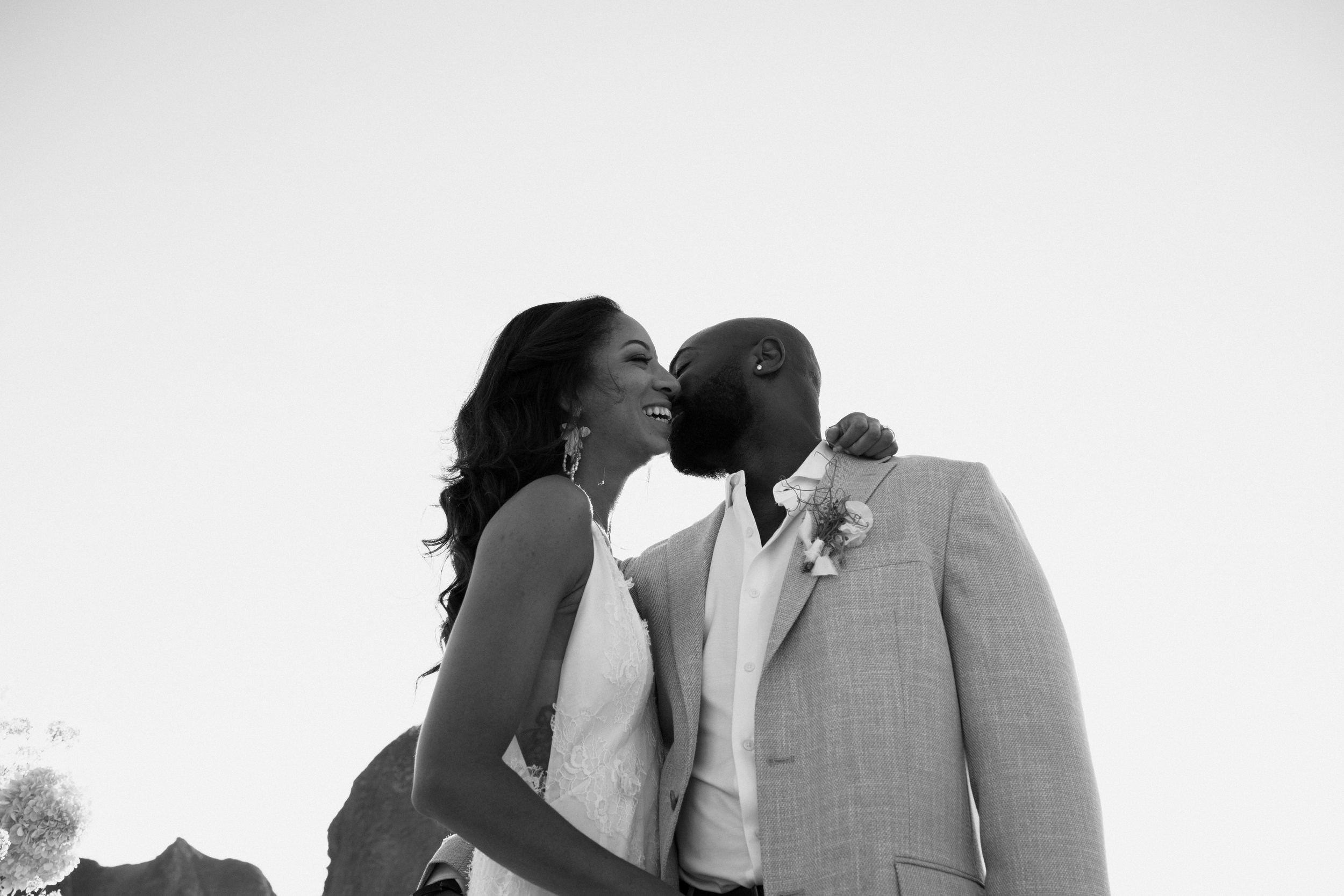
In New England, the season you choose doesn’t just affect temperature or availability. It shapes light, colour, pacing, and how a wedding day actually unfolds. Two weddings at the same venue can feel entirely different depending on the month — and that difference carries directly into the photographs.
This article looks at why season matters so much in New England wedding photography, and how to plan with it in mind. Not to control every variable, but to understand what each season offers, what it challenges, and how to work with it rather than against it.
These observations come from photographing weddings across the region — from Cape Cod and coastal Rhode Island to Connecticut, New York, and the wider East Coast — and noticing consistent patterns in how images change with the calendar.
Why does season matter more in New England than in other regions?
New England has sharp seasonal contrasts.
Light shifts dramatically. Weather patterns change quickly. Landscapes move from dense green to bare branches within weeks. Unlike regions with relatively stable climates, New England asks couples to make choices that will meaningfully affect how their day looks and feels.
Season doesn’t just influence aesthetics. It affects:
The quality and direction of light
How much time is spent indoors versus outdoors
The pace of the day
Guest comfort and energy
Understanding these shifts allows you to plan realistically — and photographically.
Light behaves differently in every season
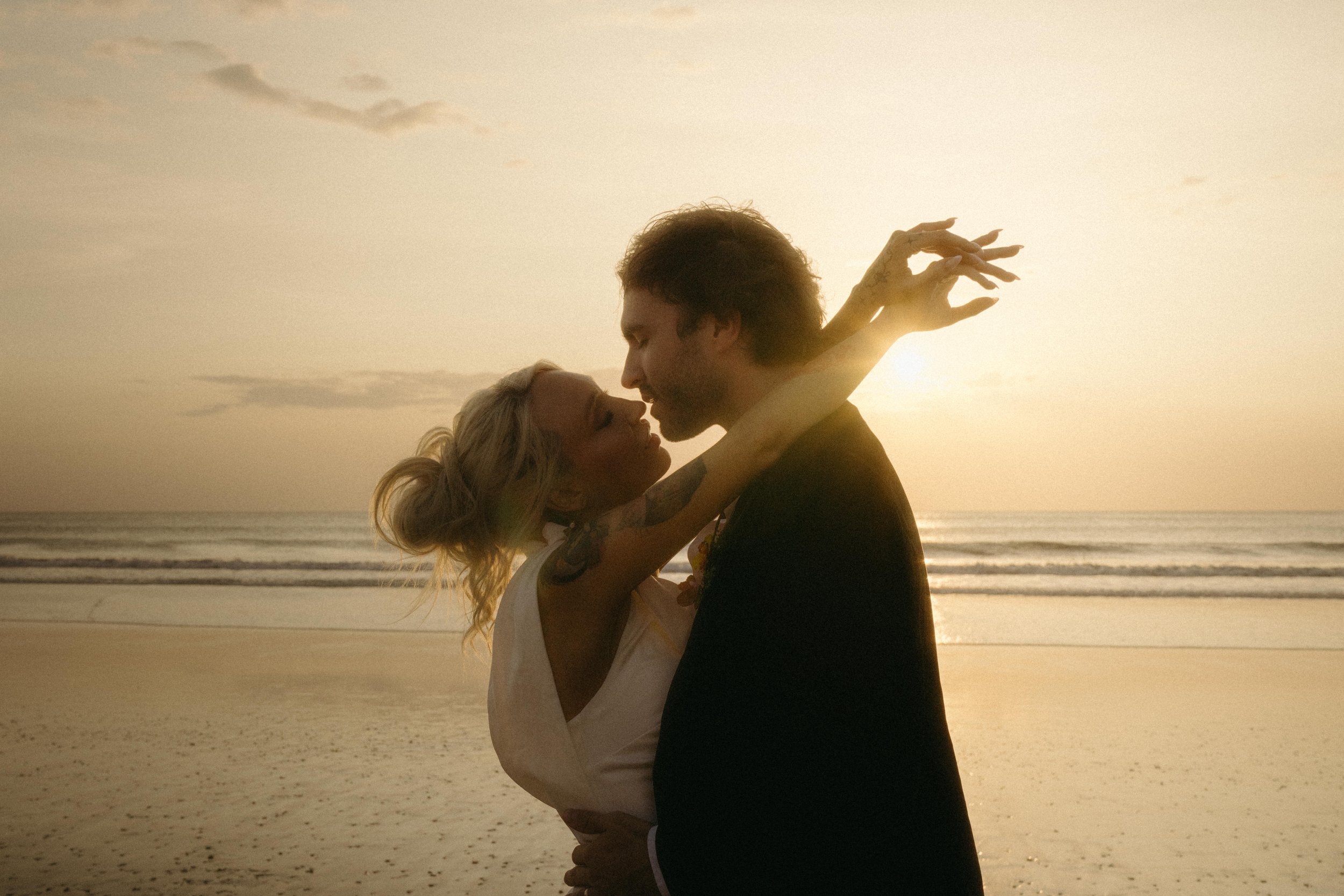
Light is the foundation of photography, and in New England it changes more than most couples expect.
Spring light: soft but inconsistent
Spring often brings overcast skies, intermittent sun, and fluctuating temperatures. The light can be beautifully diffused, but it’s unpredictable.
From a photographic perspective, spring rewards flexibility. Indoor spaces with good natural light matter more than outdoor backdrops. Early spring landscapes can feel sparse, so architectural elements and interior environments play a larger role.
Summer light: abundant but demanding
Summer offers the most daylight, but not always the most flattering light.
Long days mean more flexibility in scheduling, but harsh midday sun can be challenging. Shade becomes important — whether from trees, buildings, or thoughtfully chosen ceremony times.
Summer weddings often photograph best when timelines are built around light rather than convenience.
Autumn light: warm and fleeting
Autumn is often associated with colour, but the real shift is in the quality of light. Days shorten quickly. Light becomes lower and warmer.
This season rewards intention. Earlier ceremonies, efficient transitions, and an understanding of when light fades are key. Venues that photograph well indoors become especially valuable.
Winter light: minimal but precise
Winter light is limited, directional, and often striking.
When used well, it creates clean, honest images. But it requires planning. Ceremony timing, window placement, and interior lighting all matter significantly.
Winter weddings often feel quieter photographically — less about landscape, more about people and space.
Season affects how time feels on the wedding day
One of the most overlooked impacts of season is pacing.
In summer, days stretch. There’s room to breathe. In winter, everything compresses.
Couples often underestimate how quickly daylight disappears in late autumn and winter. This affects not only portraits, but the overall rhythm of the day. When light is limited, timelines need to be more intentional.
A rushed day rarely photographs well, regardless of season.
Weather isn’t the problem — unpredictability is
New England weather is rarely extreme, but it is changeable.
The issue isn’t rain, snow, or cold. It’s assuming certainty.
Couples who plan with contingency — indoor options, flexible timelines, layered clothing — tend to feel calmer. That calm shows in photographs.
Venues that treat weather alternatives as equal rather than secondary options consistently produce stronger imagery across seasons.
Colour palettes shift with the landscape
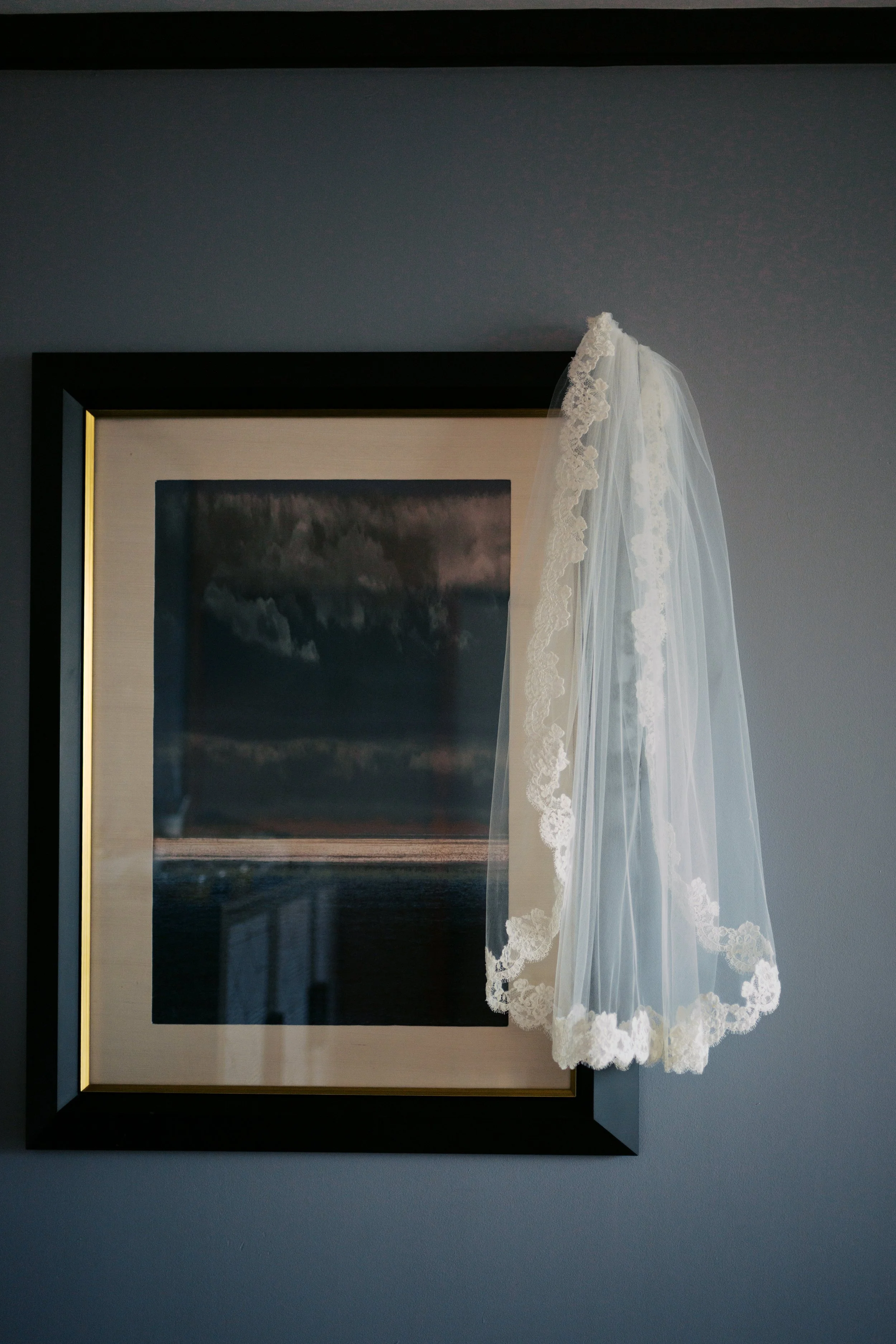
Season subtly influences how colours appear on camera.
Spring greens are lighter and cooler
Summer greens are deeper and more saturated
Autumn introduces warmth and contrast
Winter strips colour back to neutrals
This doesn’t mean you need to match the season. It means being aware of how your choices will interact with the environment.
Highly saturated colours can feel heavy in winter. Pale tones can feel washed out in summer. Neutral palettes tend to translate consistently year-round.
Guest comfort influences photographic atmosphere
Photographs reflect energy.
When guests are too hot, too cold, or navigating difficult conditions, it affects how they move, interact, and settle into the day.
Seasonal planning isn’t about aesthetics alone. It’s about comfort:
Shade and hydration in summer
Warmth and sheltered spaces in winter
Dry ground and cover in spring and autumn
Comfort allows people to be present. Presence is what photographs respond to.
How to plan your timeline around the season
Regardless of month, the most consistent photographic results come from timelines built around light rather than tradition.
Key considerations include:
Ceremony timing relative to sunset
Distance between locations
Indoor light quality as daylight fades
In winter and late autumn, earlier ceremonies often create more relaxed days. In summer, avoiding midday portraits can significantly improve image quality.
Small adjustments make a meaningful difference.
Season and venue choice are inseparable
A venue that thrives in one season may struggle in another.
When choosing a venue, consider:
How it looks without foliage
How interior spaces photograph
How light enters the building
In New England, venues with strong architecture and good natural light tend to perform well across seasons. This is particularly true in places like Connecticut and upstate New York, where winter weddings are more common.
What couples often misunderstand about seasonal photography
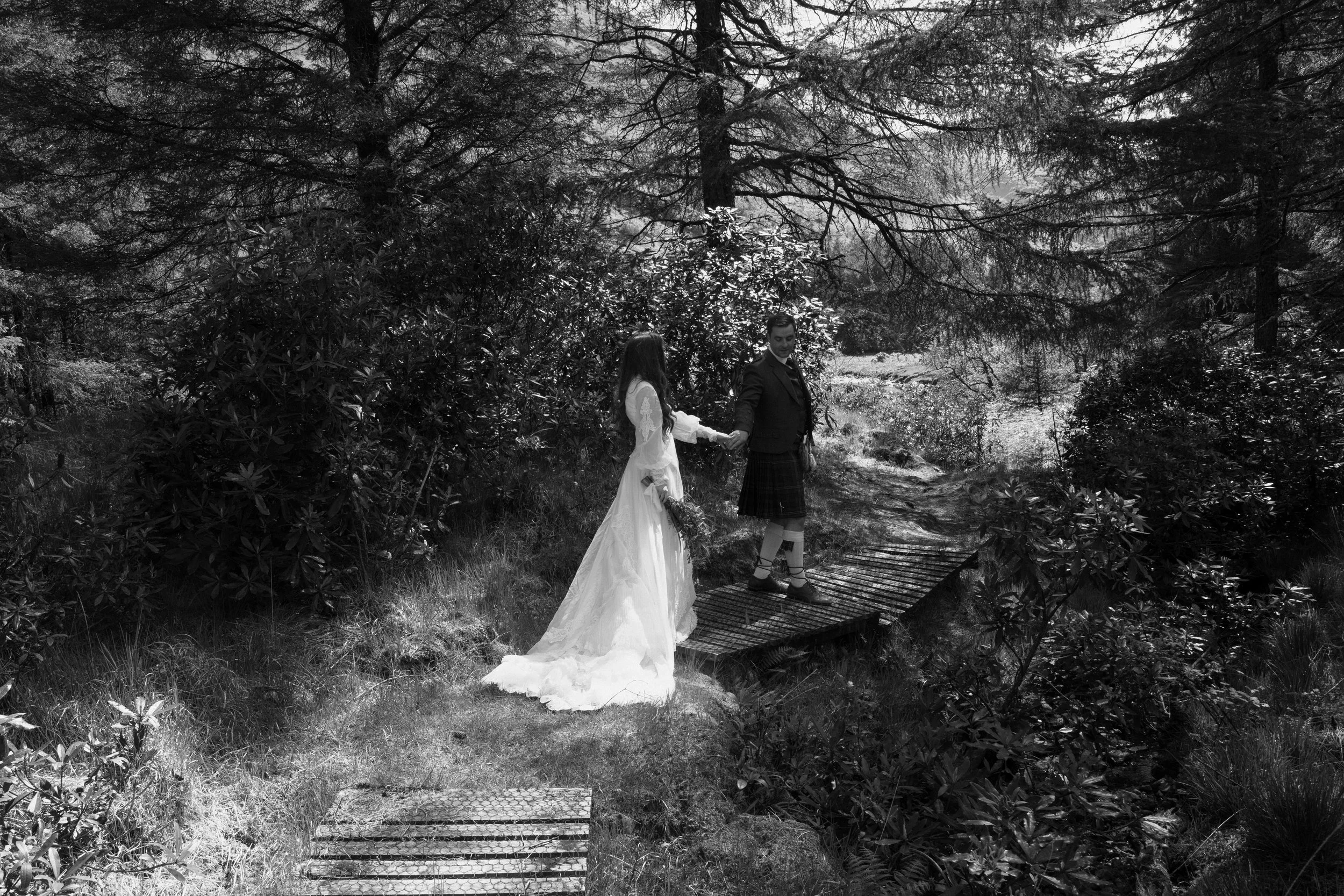
Several assumptions come up repeatedly:
That summer always photographs best
That winter weddings are limiting
That rain ruins images
In reality, each season offers different strengths. The challenge isn’t the season itself — it’s unrealistic expectations.
Photographs respond to how a day is planned, not just when it happens.
Planning strategies that work in every season
Some approaches consistently improve photographic outcomes:
Building buffer time into the schedule
Choosing venues with strong indoor light
Prioritising comfort over spectacle
Accepting variation rather than resisting it
These strategies allow the season to become a collaborator rather than an obstacle.
Frequently Asked Questions
Which season photographs best in New England?
There isn’t a single answer. Each season offers different qualities. The best season is the one planned with realistic expectations.
Are winter weddings harder to photograph?
They require more planning, particularly around light, but they often produce focused, intimate images.
Should we avoid spring because of weather?
No. Spring can be unpredictable, but venues with good indoor options photograph very well.
How important is sunset timing?
Very. Especially in autumn and winter, sunset timing should influence ceremony and portrait schedules.
Can a good photographer handle any season?
Yes — but planning collaboratively makes a significant difference.
A final thought
Season isn’t something to work around in New England wedding photography. It’s something to work with.
When couples understand how season shapes light, pace, and atmosphere, their planning becomes calmer and their photographs more honest. The result isn’t perfection — it’s coherence.
If you’d like to explore to see what different weddings look like in all seasons of New England, check out my portfolio or reach out to me to inquire about your own wedding plans!