
What Makes a Wedding Feel Elevated Without Feeling Overproduced
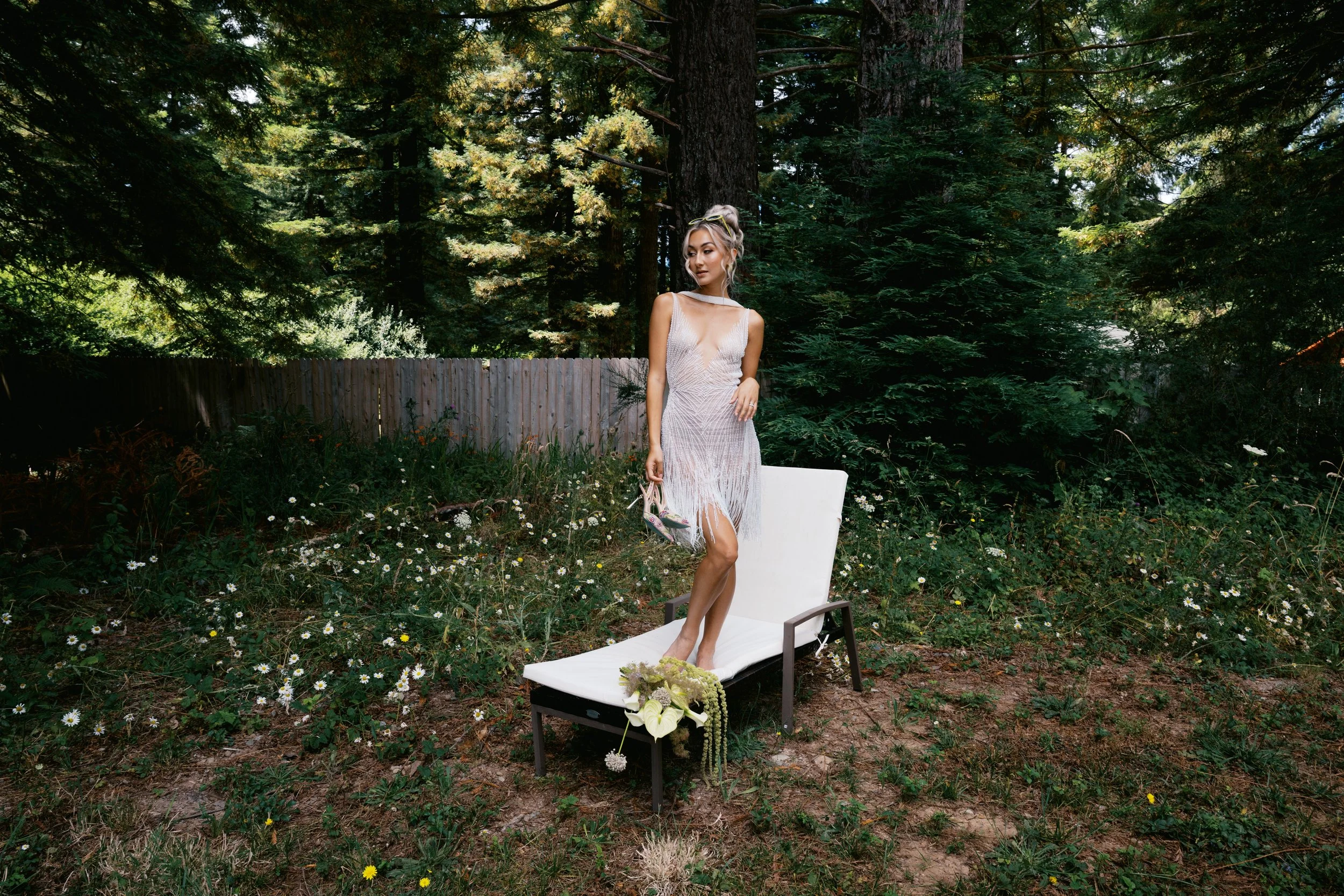
Many couples I speak with are trying to articulate the same thing, even if they use different words. They want a wedding that feels elevated — considered, intentional, beautiful — without feeling staged, heavy, or over-managed. They want polish without performance.
This tension matters because it influences every planning decision, from location and timeline to photography and guest experience. When elevation tips into overproduction, couples often feel disconnected from their own day. When it’s done well, the experience feels calm, personal, and quietly confident.
This article explores what actually creates that balance. Not trends or aesthetics, but the underlying choices that consistently shape weddings that feel refined without feeling forced.
Elevation is about restraint, not addition
One of the most persistent misconceptions is that elevation comes from adding more — more detail, more moments, more structure.
In practice, the weddings that feel most elevated often do less.
They are defined by:
Clear priorities
Thoughtful editing of the day
Confidence in what’s not included
I’ve noticed that overproduced weddings rarely suffer from a lack of beauty. They suffer from a lack of space. When everything is given equal weight, nothing has room to resonate.
Restraint allows meaning to surface.
A clear sense of pacing changes everything
Pacing is one of the most underrated elements of an elevated wedding.
When the day is rushed:
Moments blur together
Emotions feel compressed
Photography becomes reactive
When the pace is considered:
Conversations linger
Transitions feel natural
The day unfolds rather than performs
This is why longer timelines — and often longer photography coverage — tend to support elevation. Time allows moments to arrive on their own terms, rather than being pulled into place.
Across New England and the East Coast, where travel, light, and weather all play a role, pacing is often what separates calm from chaos.
Locations that support the day rather than dominate it
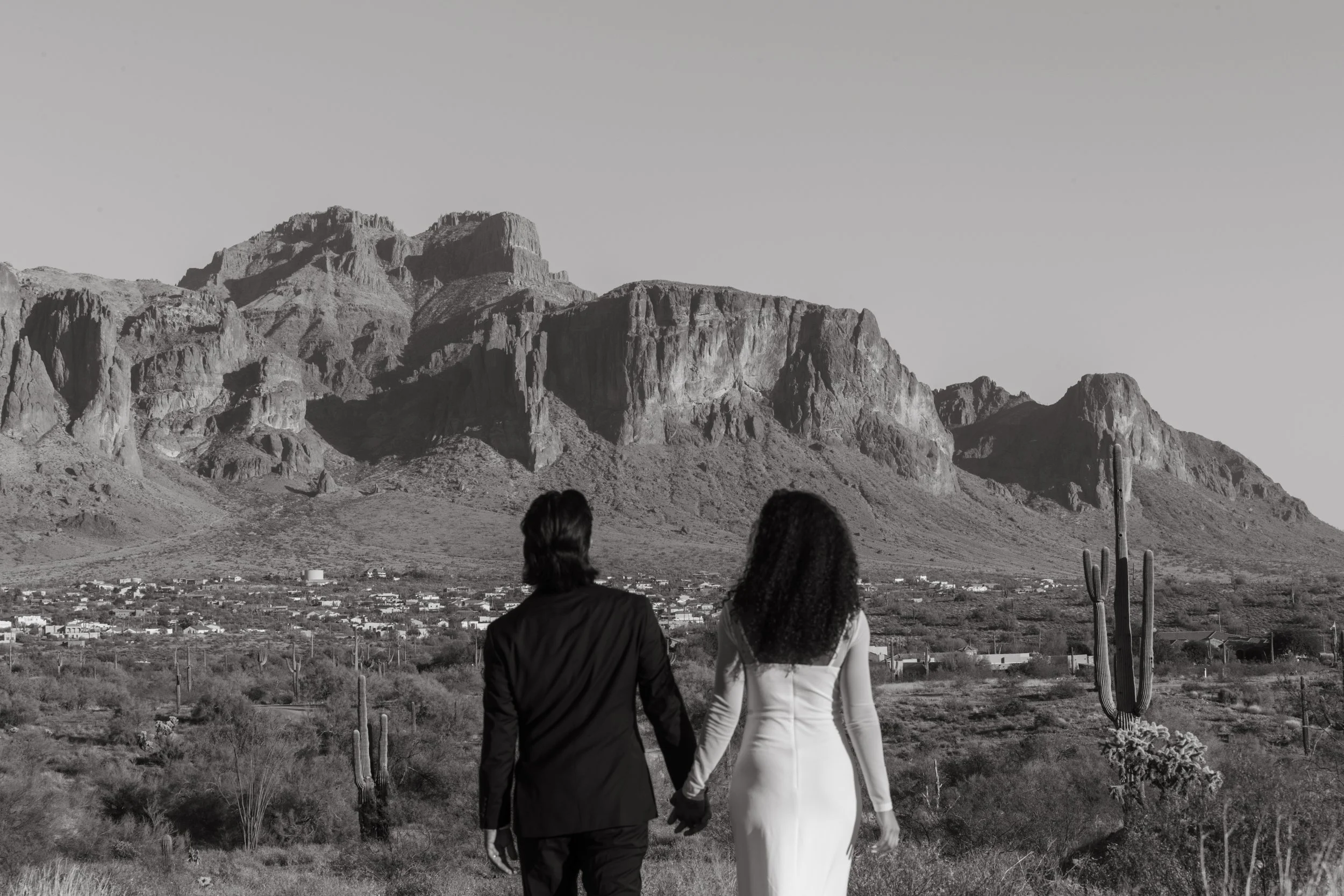
Elevated weddings tend to take place in environments that understand their role.
The best locations don’t compete with the people in them. They provide:
Clean visual lines
Predictable light
Logical flow between spaces
This is why so many Rhode Island and Connecticut estates, coastal homes, and historic venues photograph so well. They frame the day without demanding attention.
I’ve seen stunning décor fall flat in spaces that fight the timeline or fragment the experience. Location matters less for how it looks and more for how it behaves.
Fewer transitions, more continuity
One subtle marker of overproduction is excessive movement.
When a wedding involves constant location changes:
Energy drains quickly
Guests lose a sense of orientation
Photography becomes logistical
Elevated weddings often minimise transitions or make them intentional. They allow moments to build rather than reset.
This doesn’t mean everything must happen in one place, but it does mean being honest about what movement costs — emotionally as well as practically.
Continuity creates ease. Ease reads as refinement.
Thoughtful timelines over tight schedules
There’s a difference between a timeline and a schedule.
A schedule demands compliance. A timeline allows flexibility.
The most elevated weddings I’ve observed use timelines that:
Build in buffer without announcing it
Allow moments to run long if they need to
Don’t treat photography as a series of slots
When timelines are too rigid, the day starts to feel like a production. When they’re considered but flexible, the structure disappears into the background.
That disappearance is part of what makes a wedding feel effortless.
Design that supports experience, not spectacle
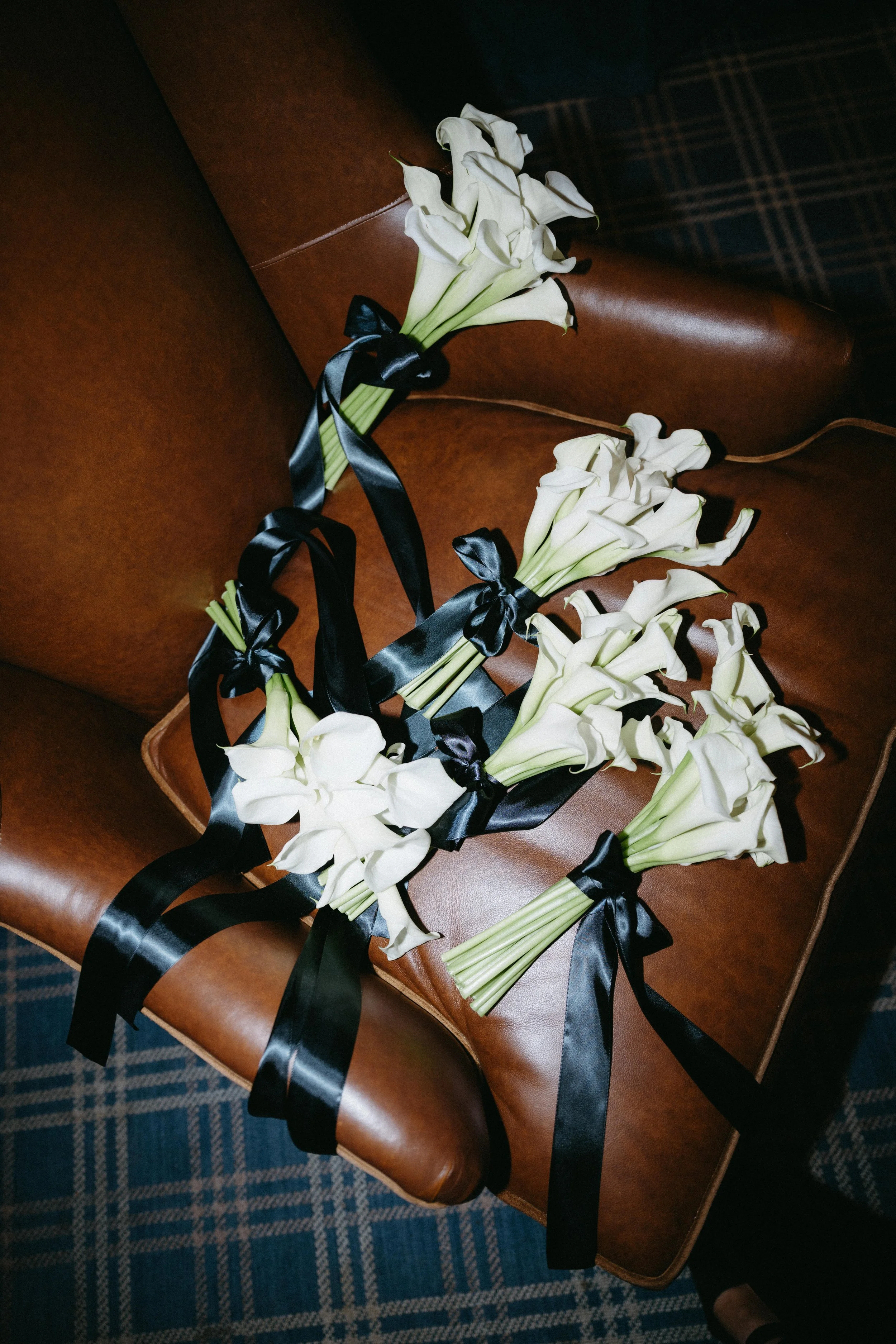
Design plays an important role in elevation, but only when it’s working in service of experience.
Overproduction often shows up when design:
Prioritises photographs over comfort
Introduces elements with no practical function
Competes with the natural environment
Elevated design tends to be:
Intentional in scale
Consistent in tone
Grounded in the setting
I’ve noticed that couples who feel happiest afterwards often chose fewer design elements and invested more in quality and cohesion.
Design should support the day, not perform for it.
Photography that observes rather than orchestrates
Overproduction often becomes most visible through photography.
When photography leads the day:
Moments are interrupted
Emotions are redirected
Couples become self-aware
Elevated weddings tend to work with photographers who:
Prioritise observation over direction
Understand when to step in and when to disappear
Value pacing as much as composition
This doesn’t mean no guidance. It means guidance that supports the flow of the day rather than reshaping it.
The most refined photographs often come from moments that were allowed to happen uninterrupted.
Trust reduces the need for control
A defining feature of elevated weddings is trust.
Trust in:
The team you’ve chosen
The decisions you’ve already made
The fact that not everything needs managing
Overproduction often stems from anxiety — a fear that if something isn’t controlled, it will fall apart.
In reality, the opposite is often true. When couples trust their planner, photographer, and vendors, the day softens. And that softness translates directly into the experience and the images.
Fashion that feels lived-in, not costumed
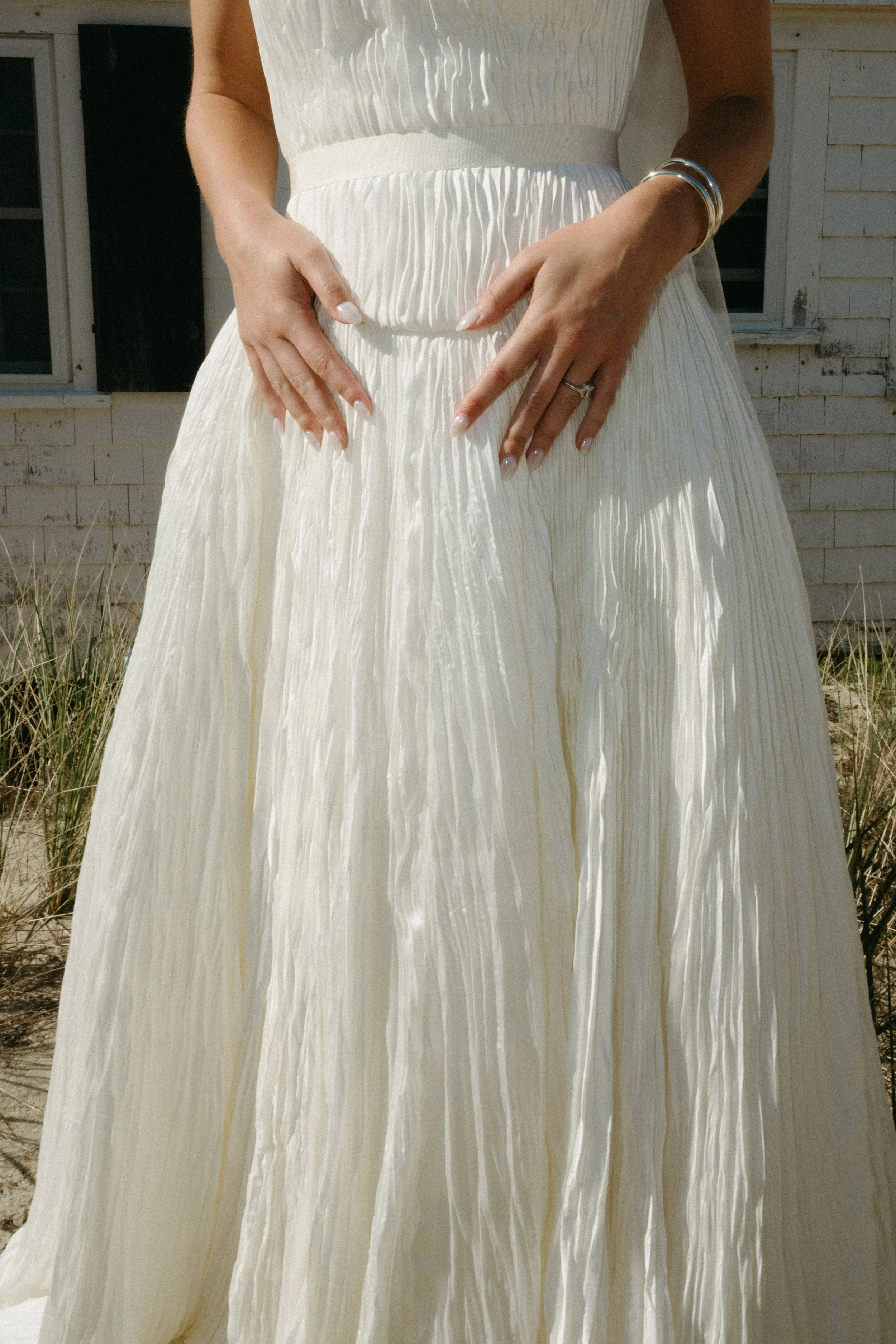
Fashion is often where couples feel the most pressure to “get it right”.
The most elevated fashion choices I see are rarely the most dramatic. They are the ones that:
Allow movement
Suit the environment
Feel natural on the person wearing them
When clothing restricts comfort, it shows — in posture, expression, and energy.
Photographs reflect how something is worn, not just how it looks. Ease reads as confidence, and confidence elevates everything around it.
Letting moments be imperfect
Elevated does not mean flawless.
Some of the most memorable, meaningful moments I’ve seen happened because something went slightly off-script:
A pause that lingered
An emotional interruption
A shift in weather or light
Overproduced weddings often try to smooth these moments away. Elevated weddings allow them to exist.
Those moments create texture. Texture is what gives a day depth.
Editing the day, not documenting everything
A common fear is that doing less will mean missing something important.
In practice, elevated weddings are defined by thoughtful editing:
Choosing which moments deserve focus
Letting others pass without emphasis
Understanding that meaning doesn’t require documentation
This applies to photography as much as planning.
Not everything needs to be captured. The moments that matter most tend to rise naturally when the day isn’t overcrowded.
Guest experience as a quiet marker of refinement

One of the clearest indicators of whether a wedding feels elevated is how guests behave.
At overproduced weddings, guests often:
Feel unsure where to go
Spend time waiting
Sense the schedule
At elevated weddings, guests tend to:
Relax into the rhythm of the day
Stay present longer
Feel included rather than managed
This isn’t about extravagance. It’s about flow.
When guests feel comfortable, the couple does too.
What couples often misunderstand about elevation
There are a few assumptions worth gently challenging.
Elevation comes from budget. Budget helps, but intention matters more.
Elevation requires complexity. Complexity often undermines calm.
Elevation must be visible. Many of the most refined elements are felt, not seen.
Understanding this often gives couples permission to simplify.
How to sense-check whether something adds or subtracts
When deciding whether to include something, I often suggest asking:
Does this add pressure or relieve it?
Does this support how we want the day to feel?
Would removing this make the day clearer or calmer?
If something adds stress without adding meaning, it’s worth reconsidering.
Frequently Asked Questions
Can a wedding feel elevated without being formal?
Absolutely. Elevation comes from intention and pacing, not formality.
Does luxury automatically mean overproduced?
No. True luxury often feels understated and calm rather than elaborate.
How does photography influence whether a wedding feels overproduced?
Photography that interrupts or directs excessively can shift the tone quickly. Observational approaches tend to preserve ease.
Is it possible to simplify without losing impact?
Yes. Simplification often increases impact by allowing moments to stand on their own.
Do smaller weddings feel more elevated?
Not always, but they often have an easier time maintaining calm and continuity, which supports elevation.
A closing thought
An elevated wedding doesn’t announce itself. It’s felt in the pacing, the ease, and the way moments unfold without force.
When couples prioritise experience over output and trust over control, the day tends to find its own balance — refined, grounded, and deeply personal.
If you’d like to explore this further, you can get in touch to talk through how to create a wedding that feels elevated without feeling overproduced.