
Luxury Wedding Photography Trends Couples Should Know — Without Chasing Them
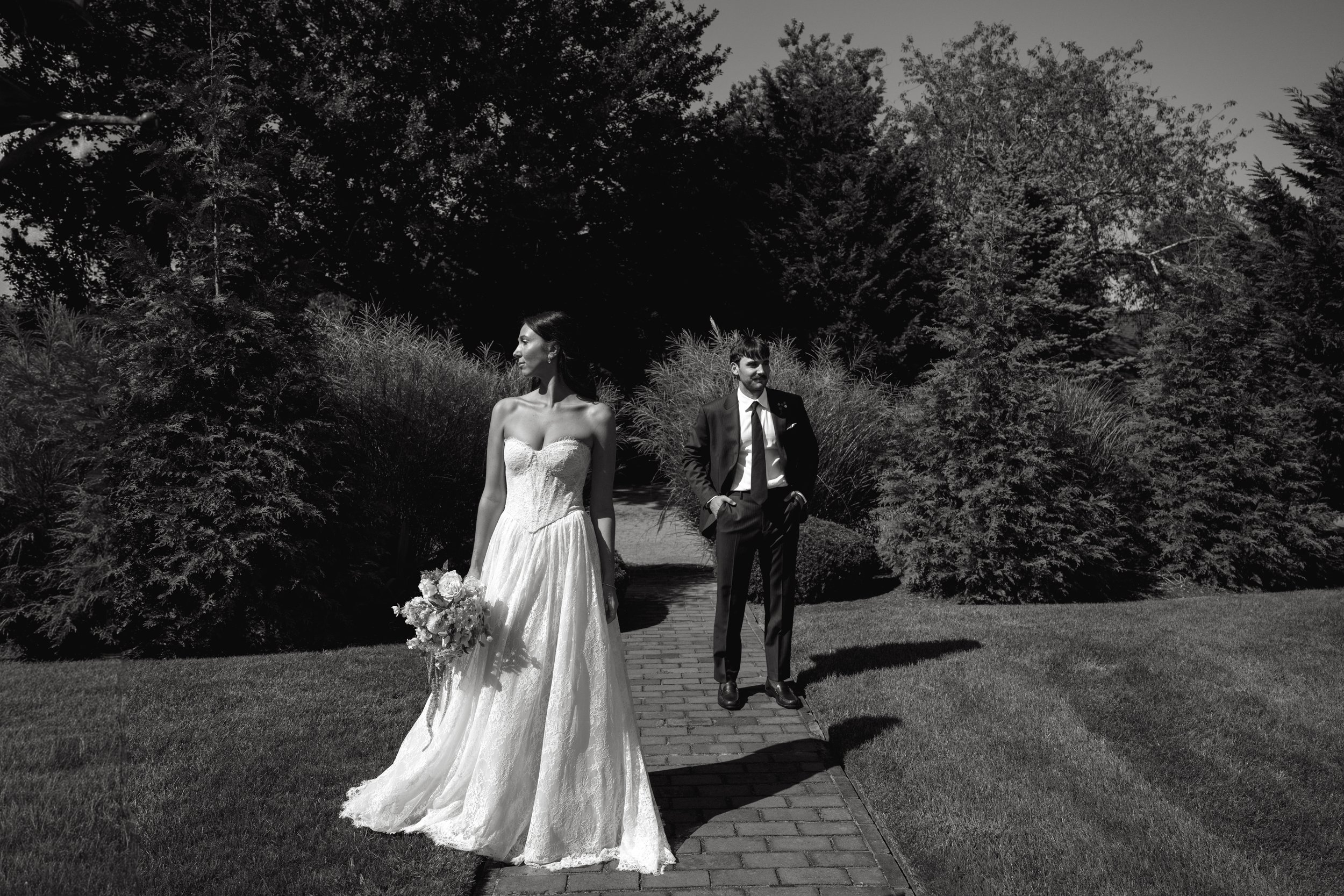
Luxury wedding photography moves quietly. By the time something is widely recognised as a “trend,” it’s often already on its way out. Couples sense this instinctively, which is why so many feel conflicted: they want photographs that feel current, but not dated. Intentional, but not performative.
This article looks at the luxury wedding photography trends couples should be aware of — not so they can follow them, but so they can understand what’s shaping the work they’re seeing. Knowing the difference between a lasting shift and a short-lived aesthetic can make decisions feel calmer and more grounded.
It matters because trends influence expectations whether we acknowledge them or not. The goal isn’t to ignore them, but to recognise which ones support longevity and which ones quietly limit it.
Trends are signals, not instructions
The first thing worth clarifying is what trends actually represent.
In luxury photography, trends tend to signal broader changes in values rather than surface-level styles. They reflect:
How couples want their day to feel
How photographers are choosing to work
What’s being prioritised over time
Problems arise when trends are treated as checklists rather than context. Couples don’t need to do trends. They need to understand what those trends are responding to.
A shift towards documentary-led coverage
One of the clearest movements in luxury wedding photography is a continued shift towards documentary influence.
This doesn’t mean abandoning portraits or structure. It means:
Less interruption
More observation
A stronger emphasis on real interaction
I’ve noticed that couples are increasingly drawn to work that feels emotionally accurate rather than visually orchestrated. This shift has been particularly strong across New England and the East Coast, where venues and guest experiences already carry weight without needing embellishment.
This trend tends to age well because it prioritises substance over style.
Editing restraint over dramatic post-processing
There was a period where bold editing dominated luxury wedding photography. High contrast, heavy grain, and dramatic colour shifts were everywhere.
What’s emerged since is a quieter approach:
Balanced colour rather than extremes
Natural skin tones across lighting conditions
Editing that supports the image rather than defining it
This isn’t a return to neutrality for its own sake. It’s a response to how quickly aggressive editing dates.
Photographs that rely less on post-processing tend to hold emotional relevance longer — which is why restraint has become a defining feature of luxury work.
Fewer images, stronger curation
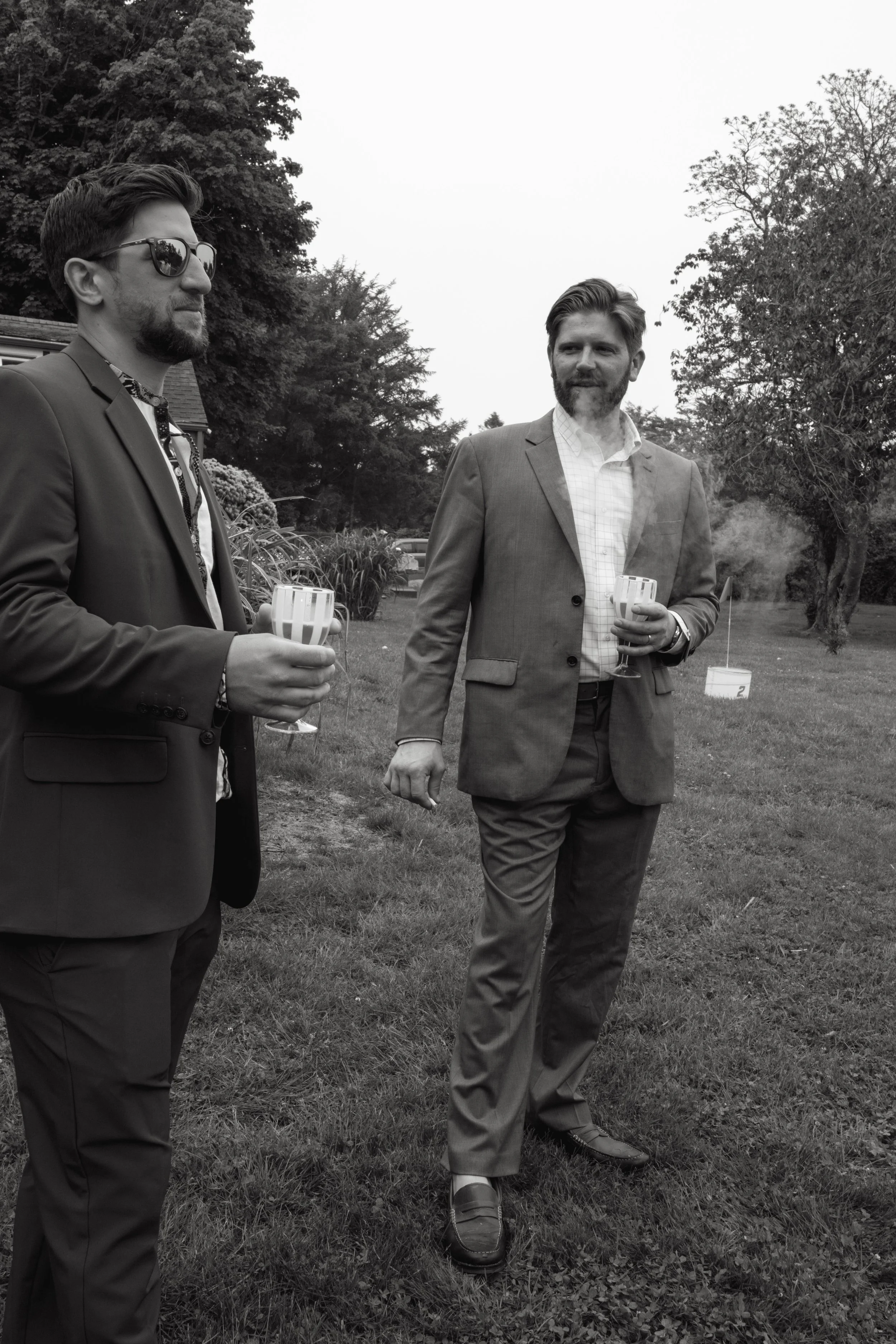
Another noticeable shift is away from volume as a selling point.
Luxury photography is increasingly defined by:
Intentional selection
Narrative cohesion
Thoughtful sequencing
Couples are less interested in receiving thousands of images and more interested in receiving a story that feels complete.
From experience, this trend reflects confidence — both from photographers and couples. When the work is strong, it doesn’t need to be exhaustive.
Longer coverage as a foundation, not an add-on
Coverage length has quietly changed over the past few years.
What was once considered extended coverage — 12 to 14 hours — is increasingly becoming standard for couples prioritising experience over efficiency.
This shift reflects a growing understanding that:
Calm requires time
Rushing undermines presence
Flexibility improves outcomes
Rather than filling time, longer coverage removes pressure. It allows photography to respond to the day instead of shaping it.
This trend has been particularly noticeable in Rhode Island, Cape Cod, and destination-style weddings across the East Coast, where travel and light demand breathing room.
Portraits that feel observational rather than posed
Portraiture hasn’t disappeared — it’s changed tone.
Current luxury work favours portraits that:
Feel relaxed rather than directed
Are integrated into the flow of the day
Prioritise connection over composition
I’ve seen couples respond strongly to portraits that feel like pauses rather than performances.
This shift aligns with a broader desire for authenticity without sacrificing polish.
Location as atmosphere, not spectacle

Luxury photography has moved away from using location as a statement.
Instead, there’s a focus on:
How a space supports the day
How light moves through it
How people interact within it
Coastal New England venues, private estates in Connecticut, and residential spaces in Rhode Island all lend themselves to this approach.
The location doesn’t dominate the image. It frames it.
This trend reflects a deeper understanding of how environments affect behaviour — and therefore photography.
Fashion photographed as part of the story
Fashion still matters in luxury wedding photography, but the approach has softened.
Rather than isolating fashion moments, photographers are increasingly:
Capturing attire in motion
Photographing details in context
Letting clothing interact with the environment
This results in images that feel less editorial and more lived-in.
The shift here isn’t about downplaying fashion, but about grounding it.
Trust-based collaboration over rigid planning
Another less visible trend is the change in how photographers collaborate with couples and planners.
Luxury photography increasingly relies on:
Trust rather than control
Flexibility rather than rigid timelines
Experience rather than checklists
This approach supports calm, especially when plans shift — which they almost always do.
Couples who embrace this tend to feel less pressure to perform for the camera.
What hasn’t changed — and probably won’t

Some elements remain consistent, regardless of trend cycles.
Strong light awareness
Emotional intelligence
Reliability and professionalism
These aren’t trends. They’re foundations.
Couples sometimes mistake novelty for progress. In reality, the most enduring luxury work is built on skills that never go out of style.
Trends that age quickly — and why to be cautious
There are also trends worth approaching carefully.
These tend to involve:
Heavy-handed presets
Extreme contrast or colour shifts
Overly stylised posing
They can look striking in the moment but often tie images tightly to a specific era.
This doesn’t mean avoiding anything distinctive. It means understanding whether the distinction comes from judgement or novelty.
How couples can engage with trends thoughtfully
Rather than asking which trends to follow, I suggest couples ask:
What draws us to this work emotionally?
Does this style support how we want the day to feel?
Will this still resonate in ten or twenty years?
Trends are most useful as context, not instruction.
Why chasing trends often backfires
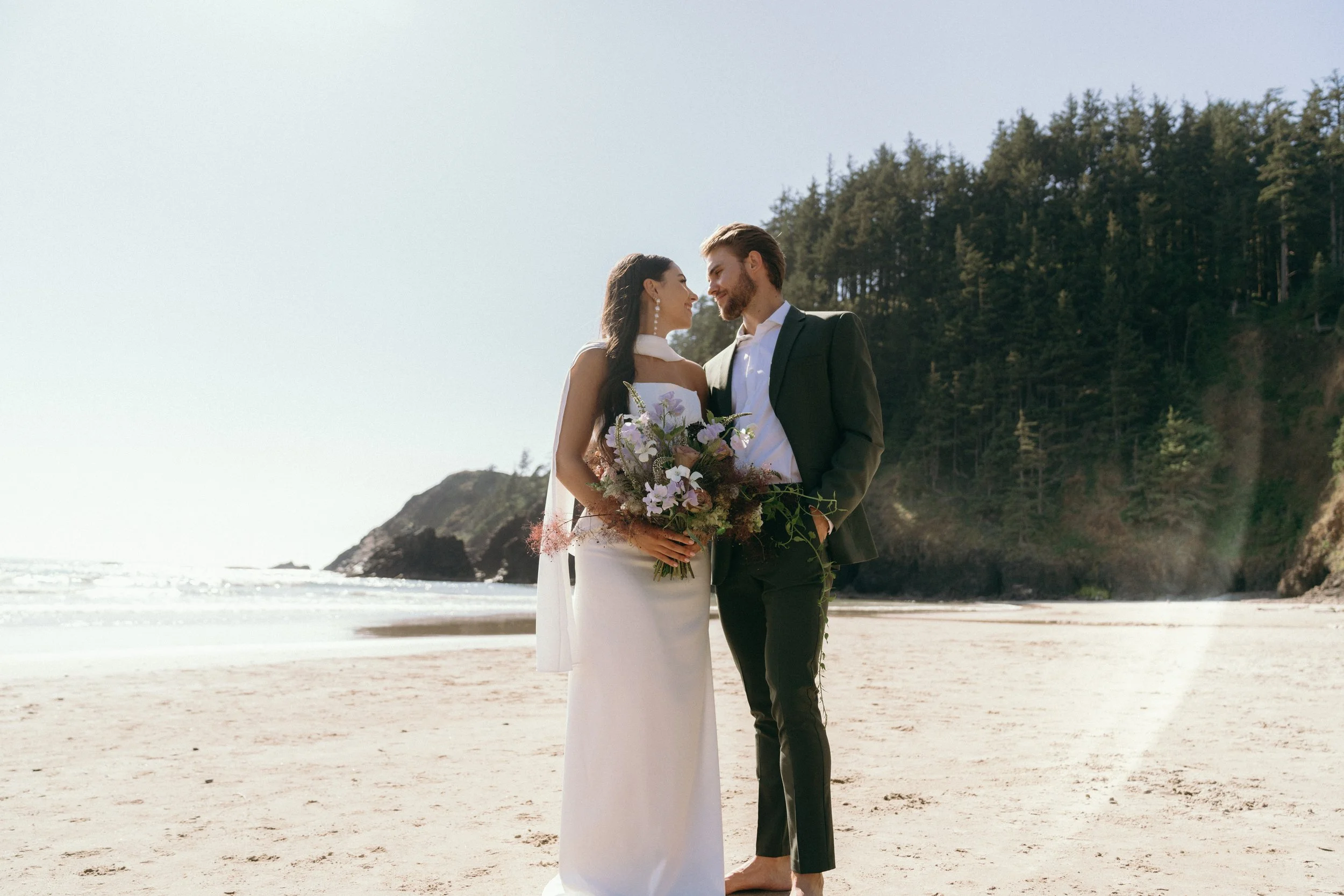
When couples chase trends, decisions tend to be externally driven.
This often leads to:
Second-guessing
Overplanning
A sense of performance rather than presence
Couples who feel most at ease usually choose photographers whose work already aligns with them — regardless of what’s trending.
Confidence tends to outlast fashion.
Frequently Asked Questions
Should we avoid trends entirely?
No. Awareness is helpful. The key is not letting trends override instinct or experience.
How can we tell if a style will age well?
Look at consistency, restraint, and emotional clarity rather than dramatic effect.
Are documentary trends suitable for luxury weddings?
Very much so. Documentary approaches often enhance luxury by prioritising experience.
Do trends differ by region?
Yes. East Coast weddings, particularly in New England and New York, often favour understated, narrative-driven work.
Will ignoring trends make our photos feel dated?
Usually the opposite. Images grounded in connection tend to age better than those tied to specific aesthetics.
A closing thought
Luxury wedding photography trends are best understood as quiet shifts in values rather than instructions to follow. They reflect a move towards presence, restraint, and trust.
Couples who feel most satisfied with their photographs rarely chased trends. They chose what felt steady, intentional, and aligned.
If you’d like to explore this further, you can get in touch to talk through what kind of photography will genuinely serve you.