
Top 7 Reasons Documentary Wedding Photography Is Perfect for Elegant, Intimate East Coast Weddings
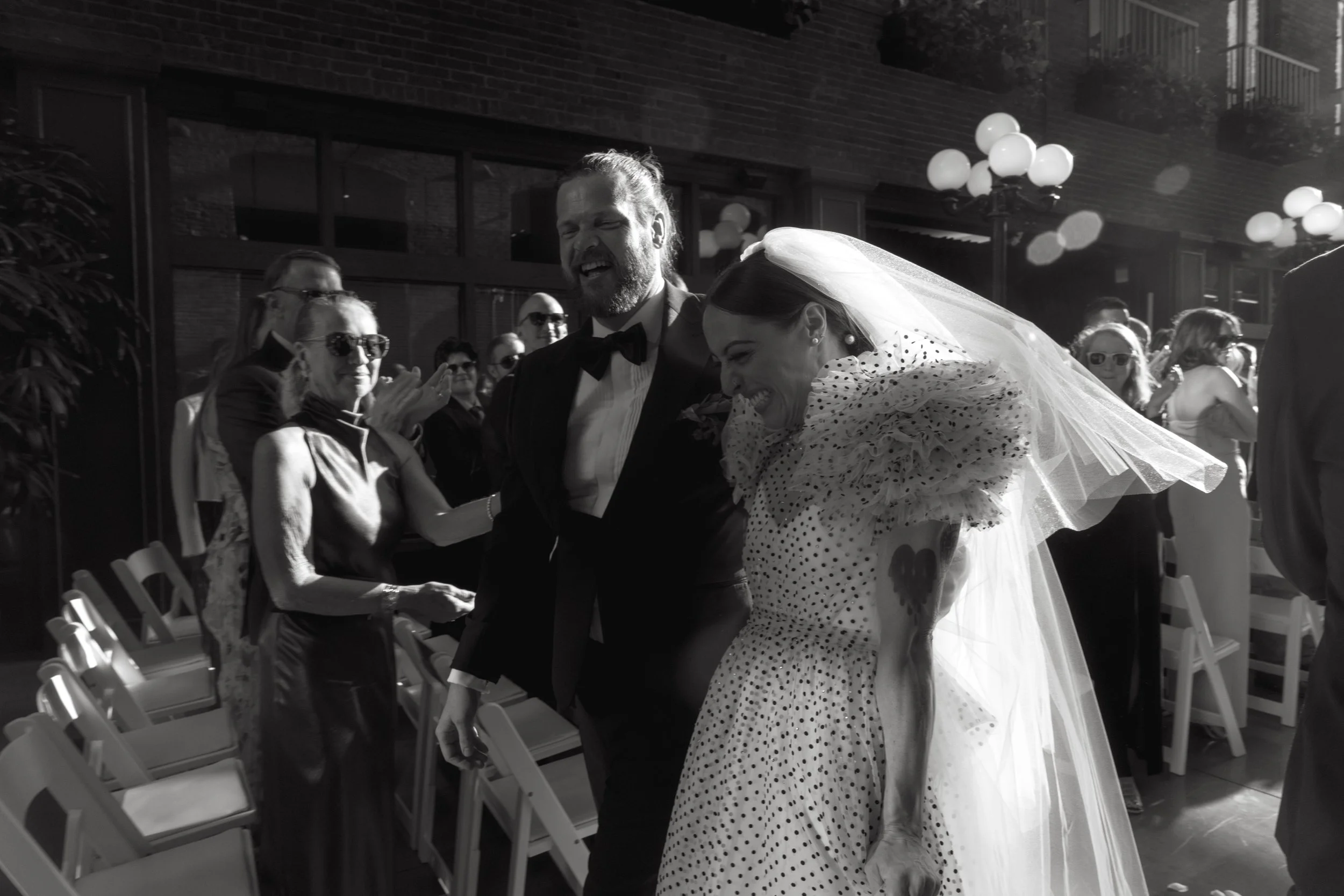
Elegant, intimate weddings on the East Coast tend to share a particular quality. They’re intentional without being rigid. Thoughtful without being performative. Whether they take place in a historic Newport estate, a private Cape Cod home, a quiet Connecticut inn, or a New York townhouse, these weddings are often less about scale and more about presence.
This article explores why documentary wedding photography consistently aligns so well with that kind of celebration. Not because it’s fashionable, but because its priorities mirror the values behind elegant, intimate weddings themselves. These observations come from photographing weddings across New England and the wider East Coast and seeing where different approaches either support or disrupt the experience.
If you’re planning something considered and personal, how your wedding is photographed matters more than you might expect.
What defines an elegant, intimate East Coast wedding?
Before diving into photography, it’s worth naming what we’re actually talking about.
Elegant, intimate weddings tend to prioritise:
Fewer guests, but deeper connection
Quality of experience over quantity of events
Settings with character rather than spectacle
A desire for things to feel calm, not orchestrated
These weddings are often emotionally layered. They rely less on momentum and more on meaning. Documentary photography tends to thrive in exactly these conditions.
1. Documentary photography preserves intimacy rather than interrupting it
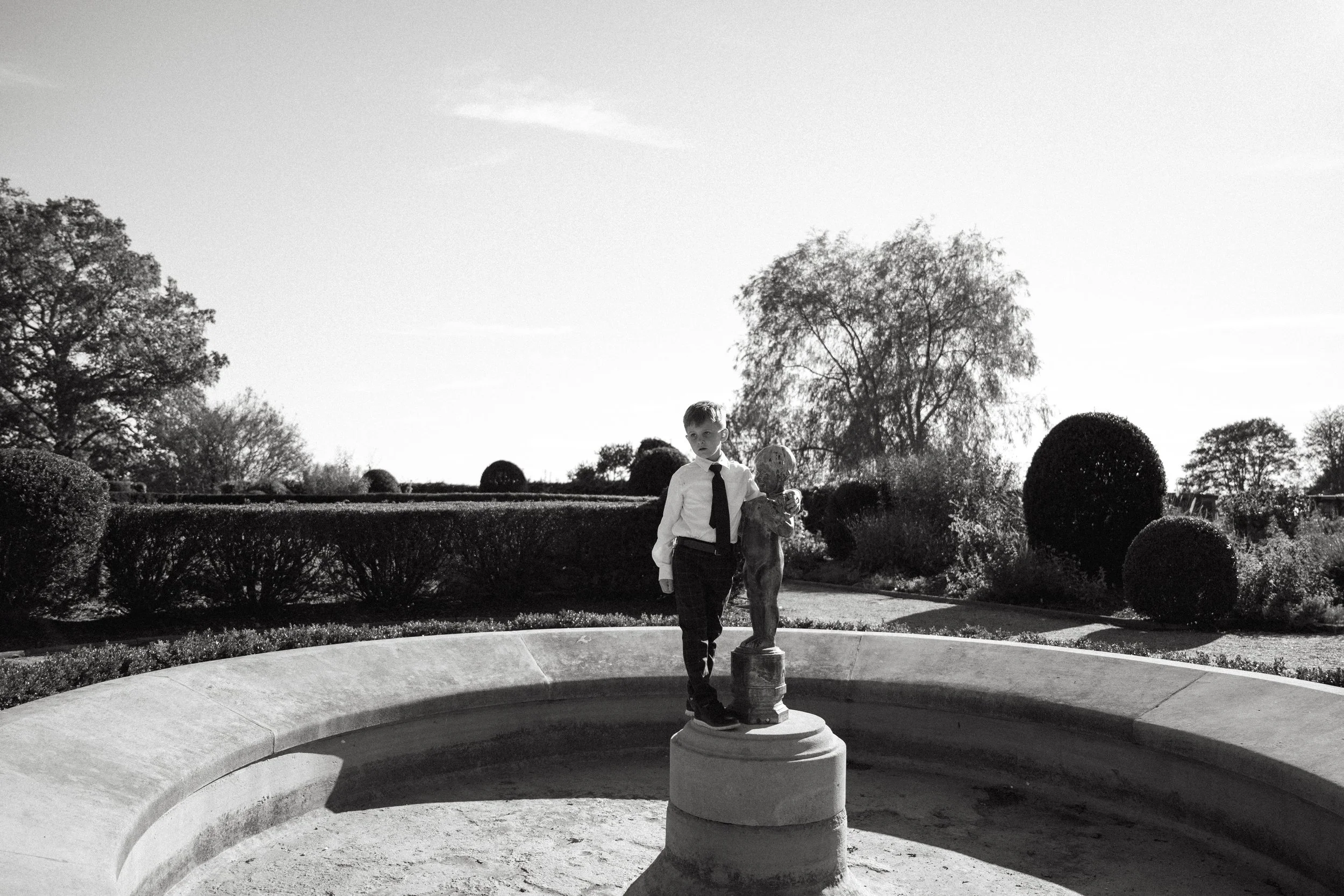
Intimacy depends on continuity.
In smaller weddings, moments are shared, not staged. When photography requires frequent pauses, direction, or repetition, that intimacy fractures quickly. People become aware of themselves. Energy shifts.
Documentary photography works differently. It allows moments to unfold without interruption. The photographer observes rather than inserts themselves into the exchange.
In intimate settings — where everyone is close, physically and emotionally — this restraint protects the atmosphere that couples worked hard to create.
2. It respects the quiet confidence of elegant weddings
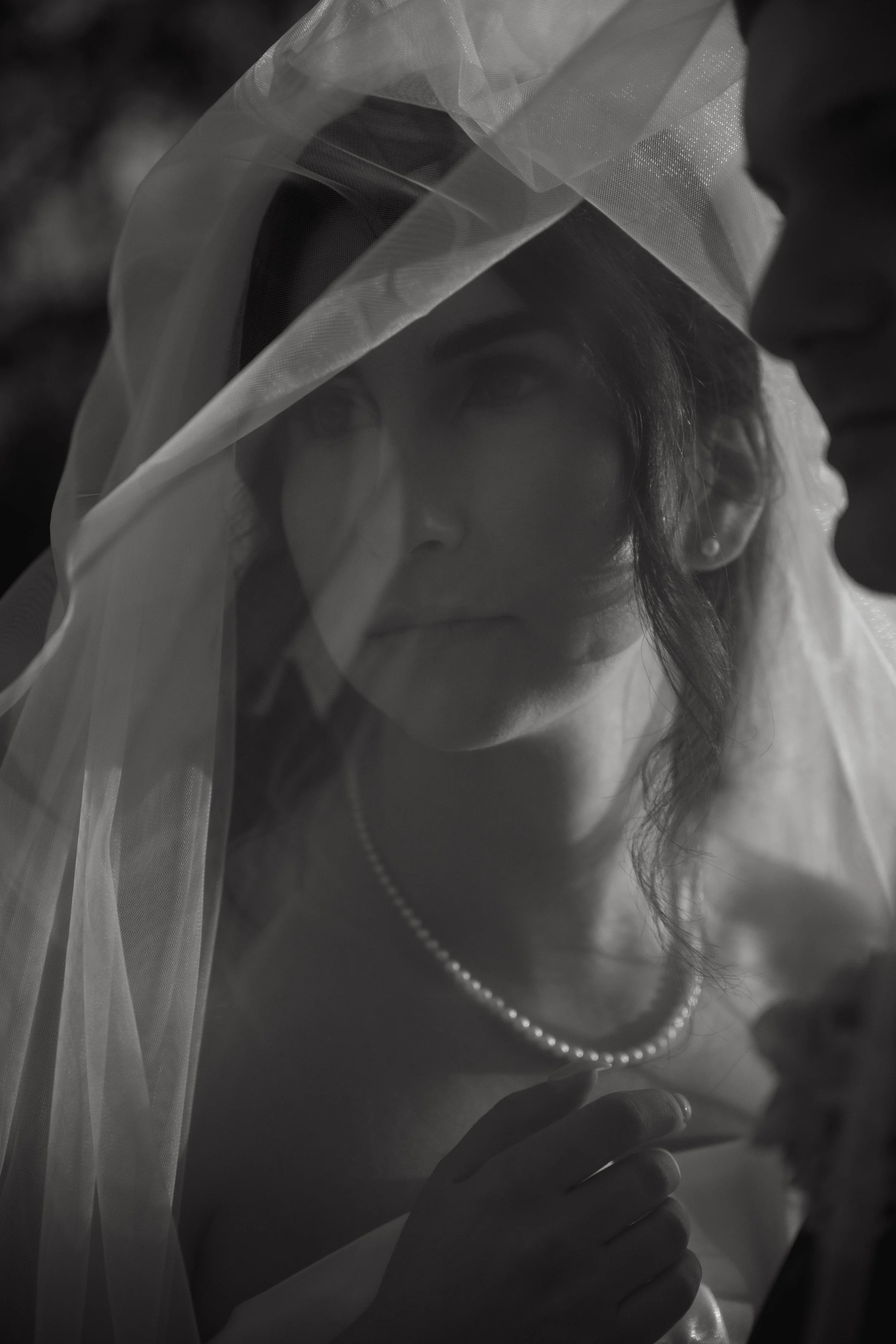
Elegance is often understated.
East Coast weddings, particularly in New England, tend to express refinement through restraint rather than excess. Architecture, landscape, and history already carry visual weight. They don’t need embellishment.
Documentary photography complements this by focusing on:
Composition that emerges naturally
Details that are noticed, not showcased
People within their environment, not posed against it
The result often feels confident rather than demonstrative — which aligns closely with how elegance actually functions.
3. It allows the day to feel cohesive rather than segmented
One of the defining differences between intimate weddings and larger productions is flow.
Documentary photography prioritises sequence over highlights. Instead of isolating moments, it connects them. Preparation leads into ceremony. Ceremony dissolves into conversation. Conversation gives way to celebration.
This sense of continuity is particularly valuable in smaller weddings, where the story is less about spectacle and more about shared experience.
Couples often find that their galleries feel like a memory rather than a recap — because they were photographed as one unfolding day.
4. Documentary photography adapts well to East Coast environments
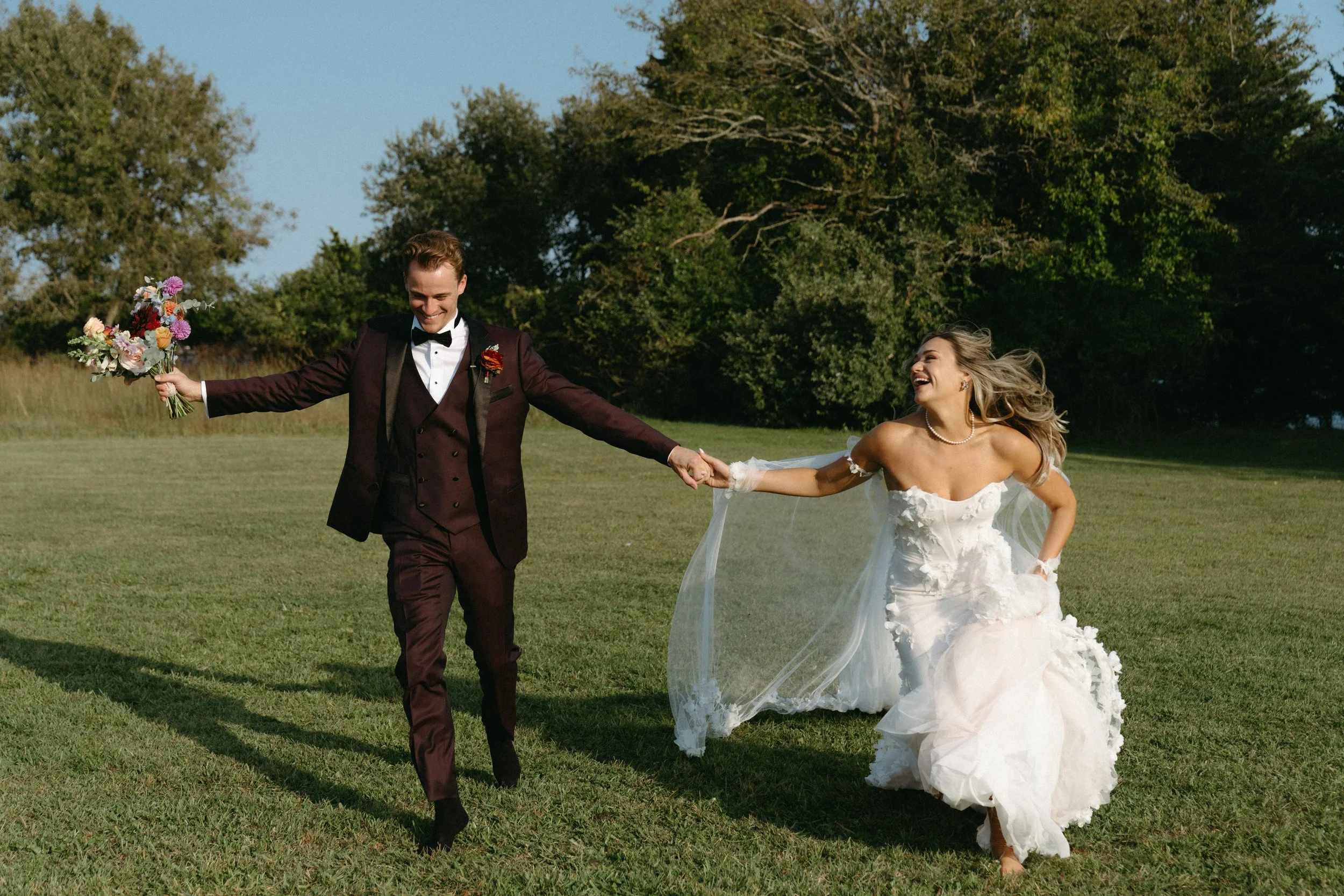
East Coast weddings are shaped by place.
Light shifts quickly. Weather is unpredictable. Venues range from historic homes to coastal landscapes to urban interiors. Documentary photography responds to these conditions rather than trying to control them.
In practice, this means:
Making use of available light rather than fighting it
Adjusting pacing as conditions change
Allowing environments like Cape Cod beaches, Rhode Island estates, or New York streets to behave naturally
This adaptability often leads to photographs that feel grounded in their location rather than imposed upon it.
5. It prioritises people over performance
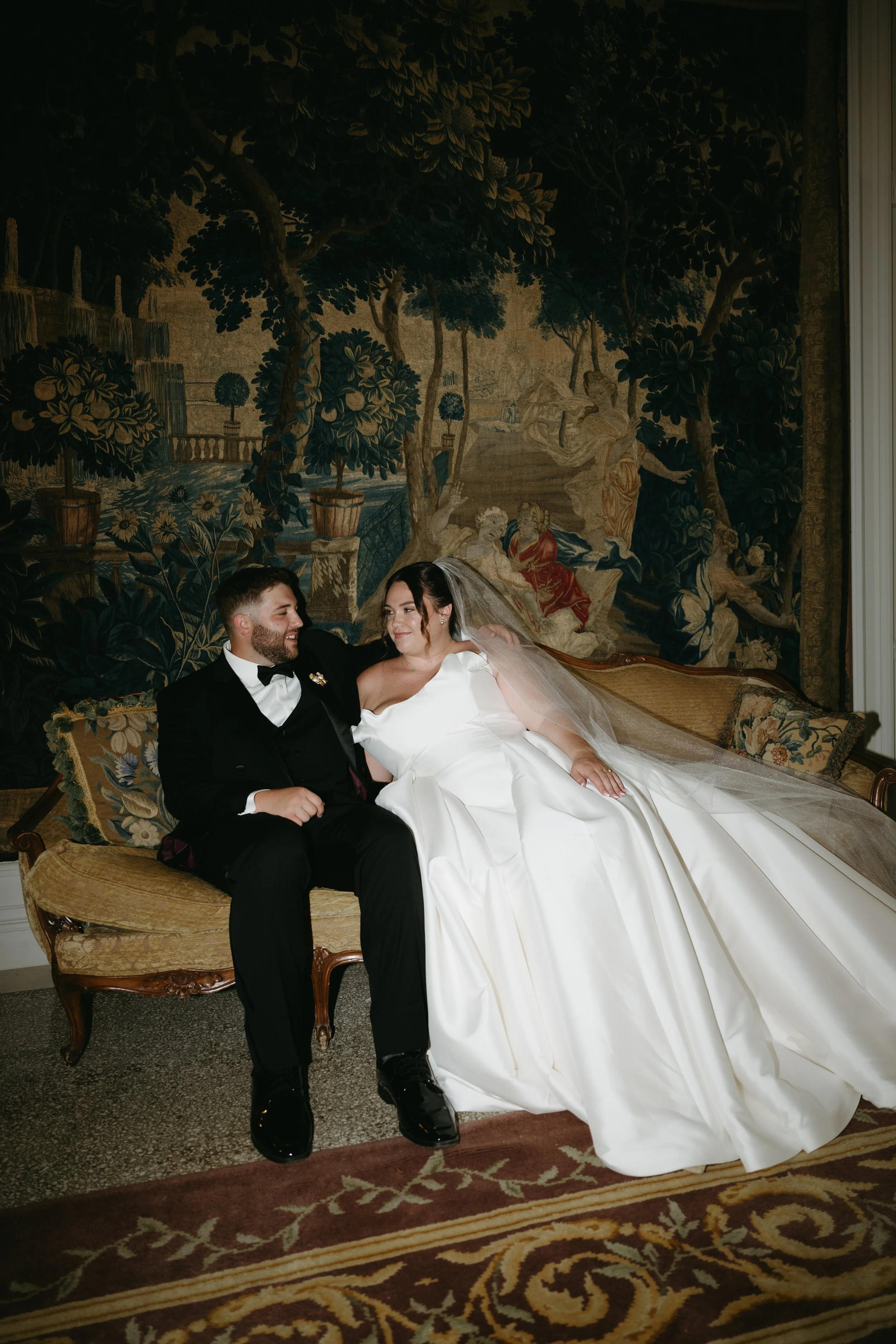
In intimate weddings, everyone matters.
There’s less anonymity. Guests are often family, long-time friends, or chosen community. Documentary photography pays attention to these relationships — not just to the couple, but to how everyone interacts.
Over time, couples often value photographs of:
Parents and grandparents in unguarded moments
Friends interacting without awareness of the camera
Small gestures that reflect long-standing relationships
These images tend to carry more emotional weight than any single portrait, especially as years pass.
6. It reduces pressure on couples who don’t want to perform
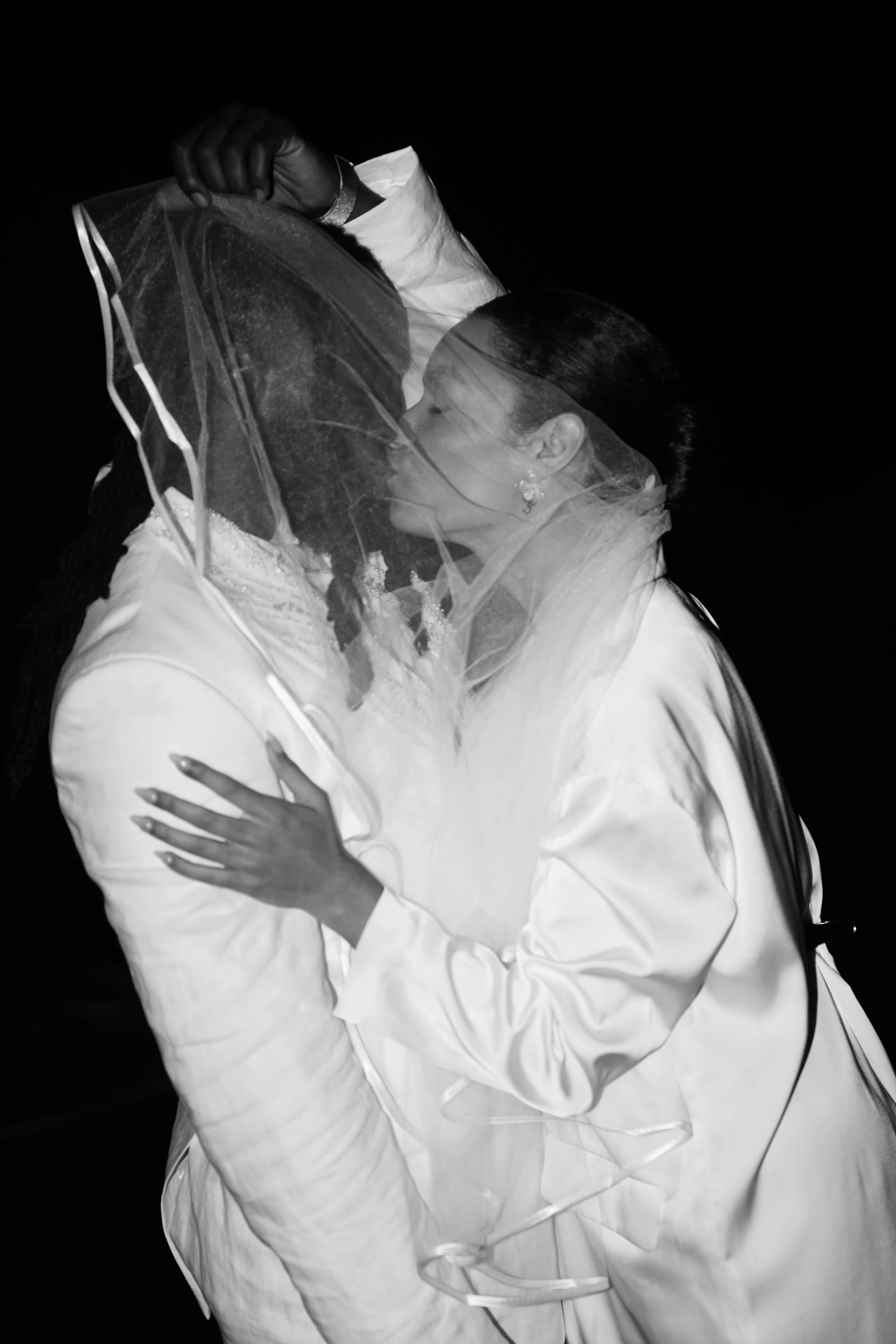
Many couples planning intimate weddings are doing so precisely because they don’t enjoy performance.
They value presence over display. They don’t want to feel like hosts managing a production. Documentary photography supports this by removing the expectation to “do” anything for the camera.
When couples aren’t responsible for generating moments, they relax. When they relax, images tend to feel more honest.
This is particularly noticeable during:
Getting ready moments
Quiet time before the ceremony
Transitions between events
The absence of pressure becomes visible in the photographs themselves.
7. Documentary images tend to age with more emotional depth
Elegant, intimate weddings are rarely designed for immediate impact alone. They’re often rooted in longevity — choices made with future memory in mind.
Documentary photographs align with that sensibility.
Rather than relying on trends, they rely on:
Behaviour
Connection
Context
As time passes, these elements become more meaningful, not less. Couples often find that images they barely noticed at first become the ones they return to most.
This is especially true in East Coast weddings, where place, family history, and continuity play a significant role.
What documentary photography is not — even in intimate settings
It’s worth clarifying a few misconceptions.
Documentary photography does not mean:
No portraits
No guidance at all
No attention to light or composition
It means that these elements serve the experience rather than override it.
In elegant, intimate weddings, balance matters more than extremes.
How documentary photography supports different East Coast styles
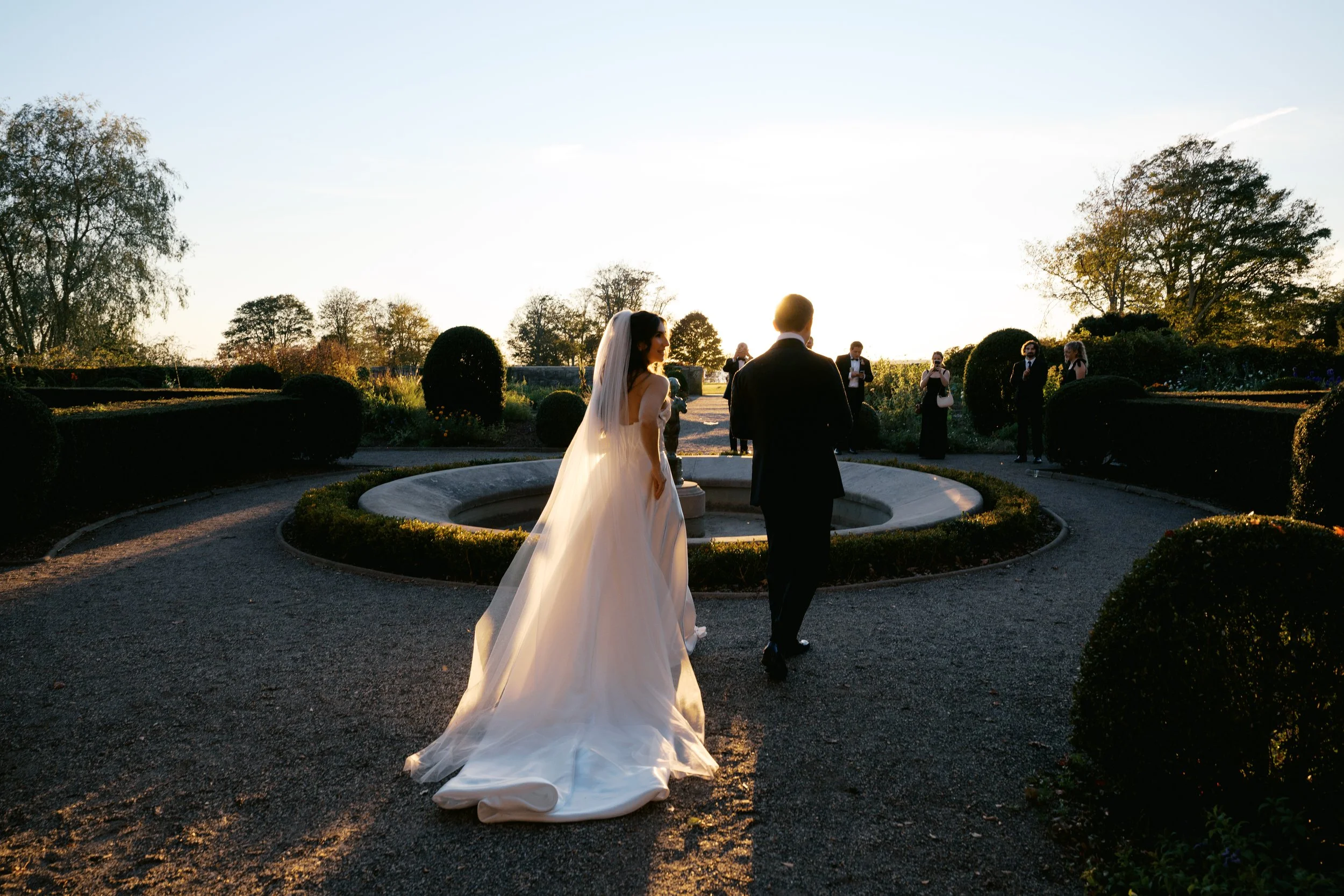
Documentary photography isn’t a one-size-fits-all look. It responds to tone.
In Cape Cod, it often feels soft and open
In Newport, it feels composed within structure
In Connecticut, it adapts to varied spaces
In New York, it becomes more layered and immediate
The consistency lies in approach, not appearance.
Why this approach resonates particularly with intimate guest counts
With fewer guests, everything becomes more visible.
Energy shifts are felt more strongly. Interruptions stand out. Documentary photography minimises disruption, which allows the natural rhythm of a small gathering to continue.
This often results in:
More genuine interaction
Less self-consciousness
A calmer overall experience
Photographs reflect that ease.
Common reasons couples choose documentary photography for intimate weddings
From conversations I’ve had over the years, couples often choose this approach because:
They don’t want to feel managed
They value moments they didn’t plan
They want photographs that feel like memory, not performance
They trust atmosphere over direction
These priorities align naturally with documentary work.
Frequently Asked Questions
Will we still have time for portraits with documentary photography?
Yes. Portraits are often included, but approached with minimal posing and an emphasis on interaction.
Is documentary photography suitable for formal, elegant weddings?
Absolutely. Formality doesn’t prevent documentary photography; it simply shapes how moments unfold.
Does this approach work for very small weddings or elopements?
It often works especially well, as intimacy and observation become even more important.
Are documentary photos less polished?
They’re often more restrained, which many couples experience as polished in a quieter way.
How do we know if documentary photography is right for us?
If you value presence, continuity, and emotional accuracy over performance, it’s often a strong fit.
A final thought
Elegant, intimate East Coast weddings don’t ask to be amplified. They ask to be noticed.
Documentary wedding photography meets them there — with attention, restraint, and respect for what’s already unfolding. It doesn’t try to make the day something else. It allows it to be what it is, and preserves it honestly.
If you’d like to explore this further, you can reach out to me through my contact form to chat through your own wedding photography needs—can’t wait to hear from you!