
The Quiet Moments You’ll Want Photographed Most (Even If You Don’t Know It Yet)
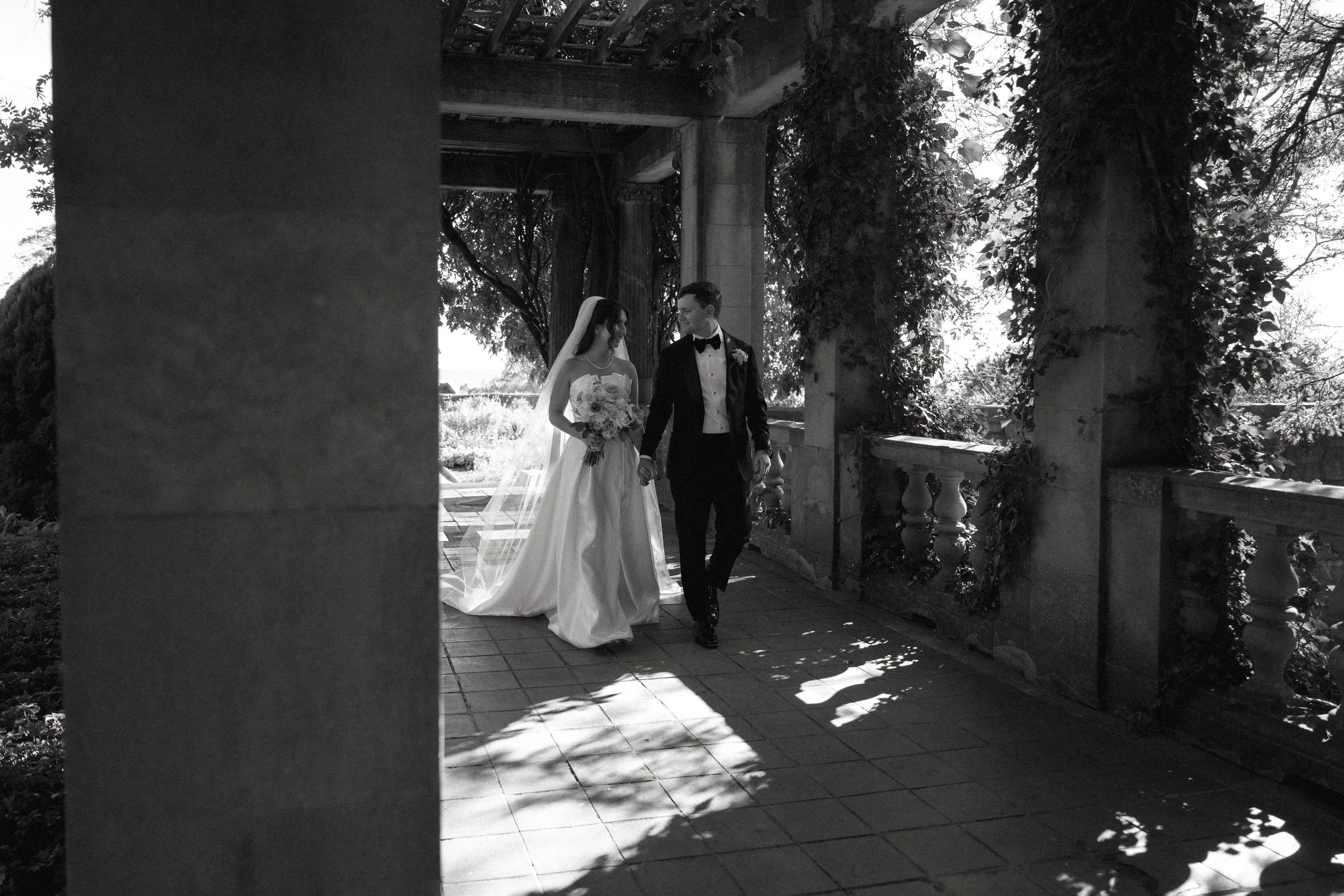
When couples think about wedding photographs, they usually imagine the obvious moments. The ceremony, the first kiss, the formal portraits. These are the moments that feel important while you’re planning — the ones you can name and schedule.
What tends to matter more later are the moments you didn’t anticipate.
This article is about the quieter parts of a wedding day — the pauses, the glances, the in-between spaces — and why these are often the photographs couples return to most. These observations come from years of watching how people respond to their images after the wedding, when the structure of the day has faded and only the feeling remains.
Why quiet moments often carry the most weight
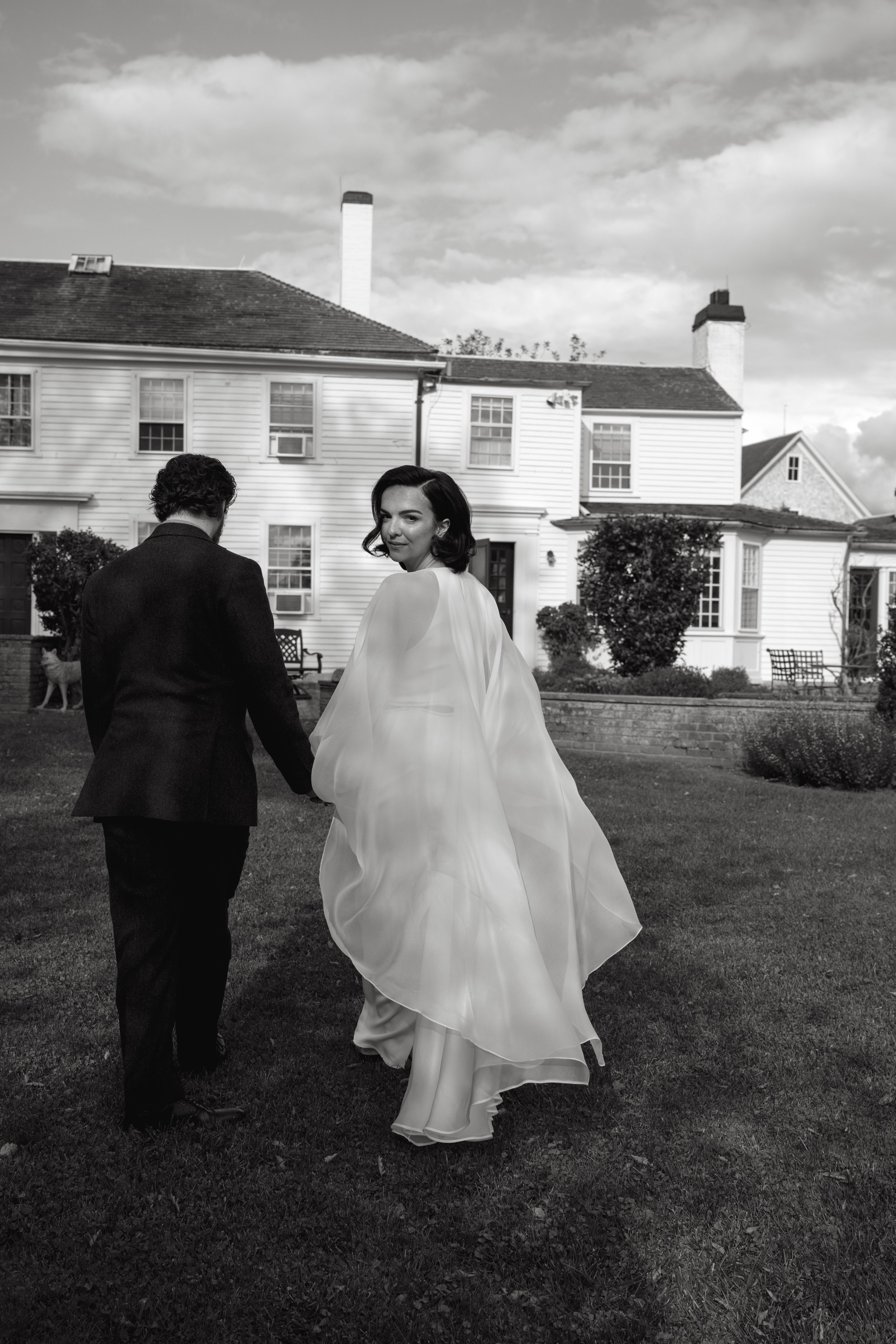
Quiet moments don’t announce themselves. They don’t happen on cue, and they’re rarely shared with an audience.
Because of that, they tend to be more honest.
In photographs, these moments offer context. They show how a day felt from the inside, not how it was meant to appear from the outside. Ten years on, that distinction becomes significant.
You won’t remember how loud the day was — you’ll remember where it slowed
Weddings are often busy, layered, and emotionally dense. Music, conversation, movement — everything overlaps.
The photographs that tend to endure are the ones taken when something slowed. A breath before walking into a room. A pause between conversations. A moment of stillness amid activity.
These images give memory somewhere to land.
The moments before things begin
Some of the most meaningful photographs happen before the day officially starts.
This might be:
Someone adjusting clothing in quiet concentration
A parent standing alone, waiting
A partner sitting in silence, processing what’s ahead
These moments are rarely dramatic, but they hold anticipation in a way that posed images cannot.
They often become emotional touchstones later, precisely because they were private.
The in-between moments no one else sees
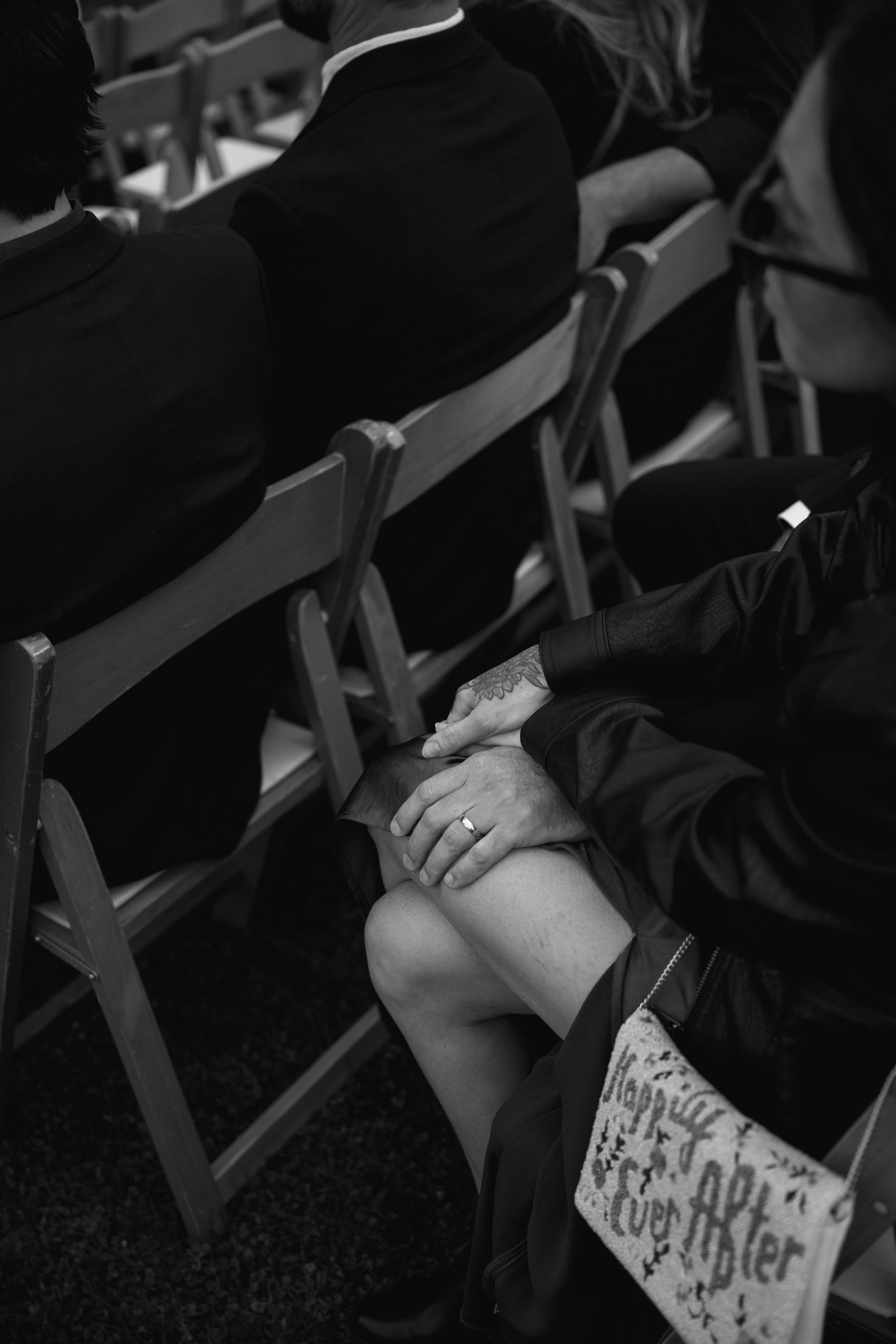
Every wedding day has moments that exist outside the main narrative.
A guest stepping away to collect themselves. A shared look between siblings. Someone reaching out without words.
These interactions are easy to miss in real time. Later, they often become some of the most revealing images — not because they’re sentimental, but because they’re unguarded.
Small gestures between people who know each other well
Long-standing relationships express themselves quietly.
A hand on a shoulder. A familiar glance. A subtle shift in posture when someone enters a room.
These gestures often hold more meaning than overt displays of emotion. They show familiarity rather than performance.
Photographs that notice these details tend to feel layered and enduring.
The moments you didn’t know you needed documented
Couples often say, “I didn’t even realise that happened.”
This might be:
A parent watching from a distance
Friends interacting without the couple present
Reactions that unfolded behind the scenes
These photographs don’t exist to prove something happened. They exist to complete the story.
They help you understand the day as a whole, not just your experience of it.
Stillness during otherwise busy parts of the day
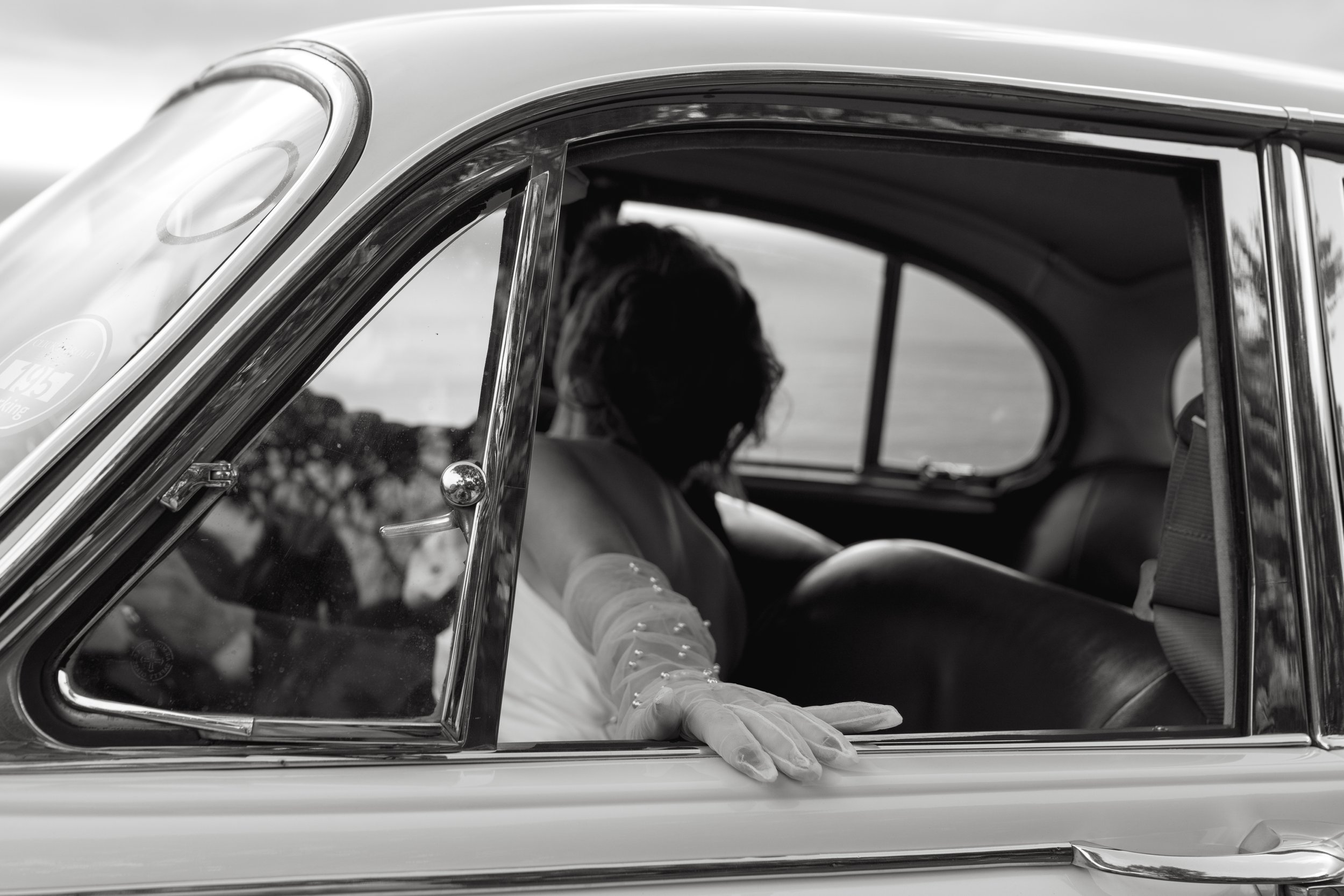
Even during high-energy moments, there are pockets of quiet.
A couple standing still while everyone else moves. A guest momentarily removed from the action. A shared pause during a crowded room.
These moments photograph beautifully because they contrast with what surrounds them. They feel grounded, anchored.
Later, they often feel like relief.
Private reactions after public moments
Public moments — ceremonies, speeches, entrances — are often followed by private reactions.
A sigh of release. A look exchanged. A subtle change in expression once attention shifts elsewhere.
These reactions are rarely planned, but they often reveal more than the moment that preceded them.
Photographs taken here tend to feel intimate without being intrusive.
Why these moments are easy to overlook during planning
Quiet moments don’t fit neatly into timelines.
They can’t be scheduled, styled, or directed. Which is why they’re often undervalued until after the wedding.
Couples rarely request them explicitly. They emerge when there is space — in the schedule, in the environment, and in the approach to photography.
How documentary photography supports quiet moments
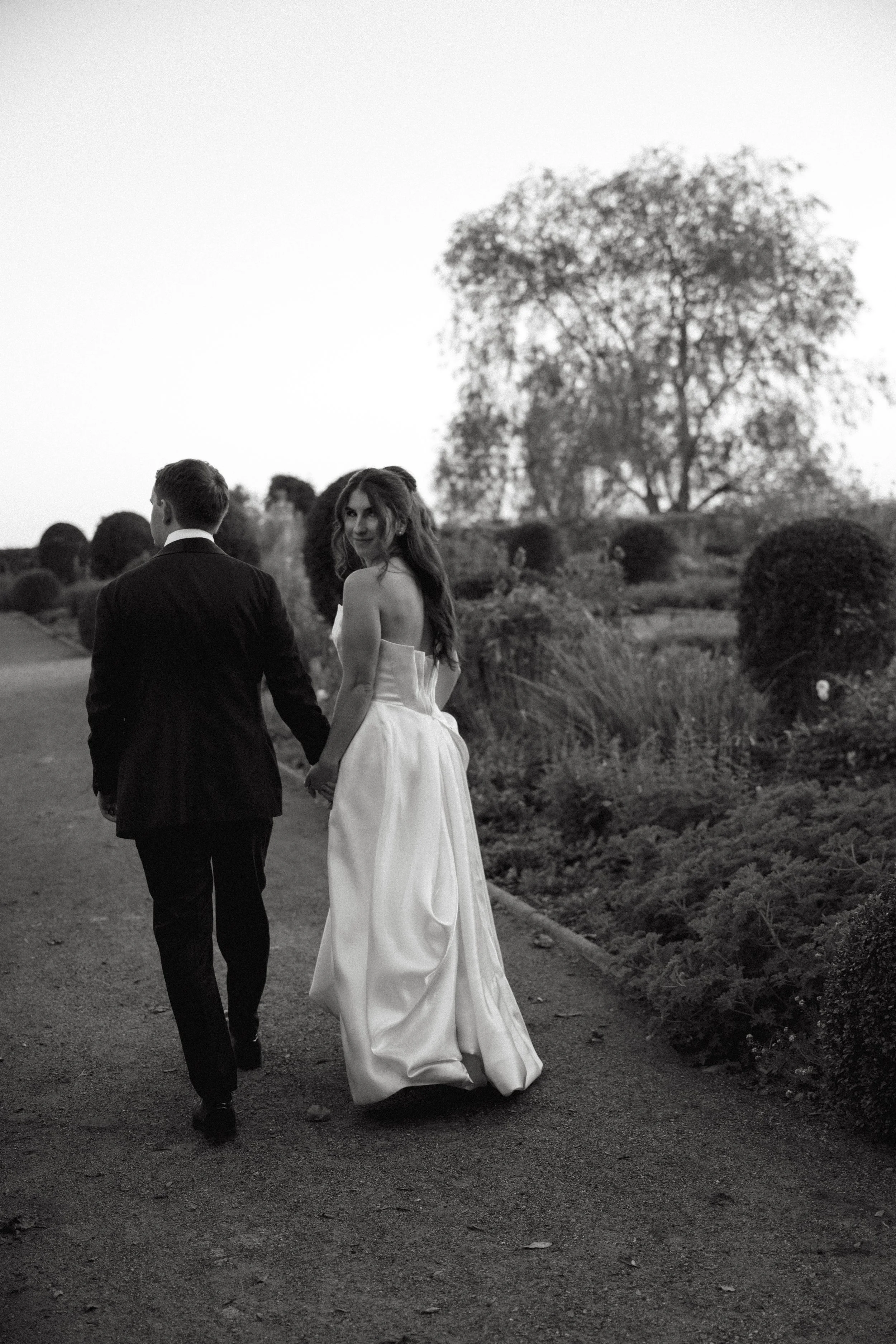
Documentary photography prioritises observation over orchestration.
It allows moments to unfold without interruption, and it requires patience — the willingness to wait rather than intervene.
This approach is particularly effective in environments where people feel at ease, whether that’s a coastal venue in Rhode Island, a private home in Connecticut, or an intimate gathering elsewhere on the East Coast.
The quieter the moment, the more it benefits from restraint.
What makes a quiet moment photographically strong?
Quiet doesn’t mean empty.
Strong quiet moments often include:
Emotional clarity
Physical stillness
Contextual detail
They are specific, not vague. They tell you who someone is in relation to the moment, without needing explanation.
Why these images matter more over time
As years pass, memory simplifies.
What remains are impressions rather than sequences. Quiet moments align with how memory actually works — fragmented, selective, emotional.
These photographs don’t demand attention. They invite it.
And that invitation tends to be accepted long after louder images have faded into the background.
Frequently Asked Questions
Will we still get photographs of the key moments?
Yes. Quiet moments complement the main events; they don’t replace them.
How do photographers capture moments without being intrusive?
By observing rather than directing, and by understanding when to step back.
Do quiet moments work at larger weddings?
Absolutely. Larger gatherings often create more contrast, which makes quiet moments even more powerful.
Can we request these types of photographs?
You can express that you value natural, unposed moments, but they’re best captured when allowed to happen organically.
Are these moments only meaningful years later?
Many couples appreciate them immediately, but their significance often deepens with time.
A final thought
The photographs you return to most are rarely the ones that demanded attention on the day.
They are the ones that noticed what was already there — quietly, patiently, without interruption.
If you’d like to explore this further, you can learn more about my own wedding photography offerings or reach out to me for a free consultation to chat about your wedding!