
The First 5 Wedding Vendors to Book ( And When to Book Them )
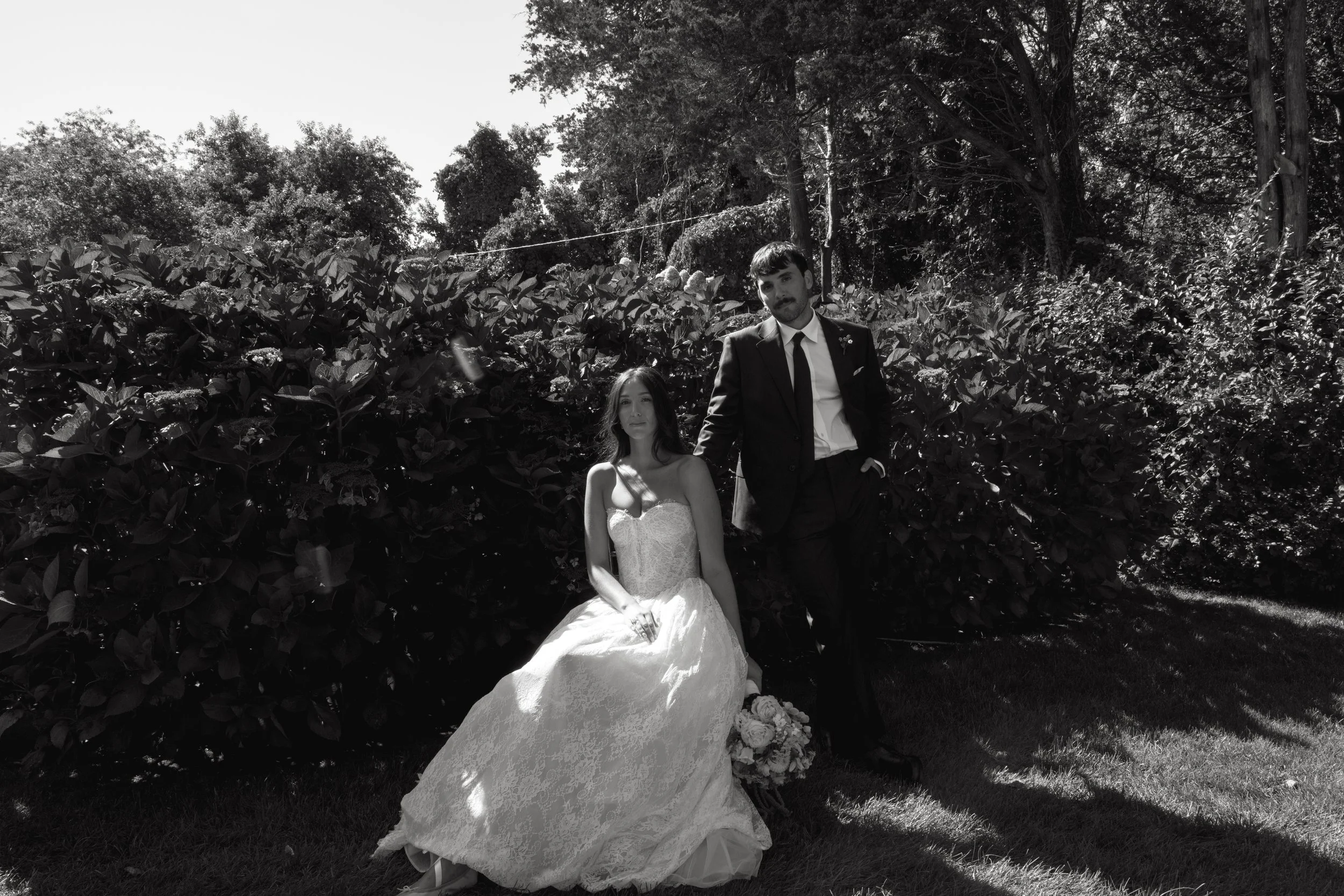
M + I on their wedding day at The Dennis Inn on Cape Cod, September 2025
Planning a wedding involves hundreds of decisions, but one of the most important steps is knowing which vendors to book first—and when to book them. Securing your core team early on not only shapes the overall feel of your day, it also helps everything else fall into place more easily.
In this guide, we’re walking you through the first five wedding vendors you should prioritise, along with ideal timelines for booking each one. Whether you’re planning a classic countryside celebration in Upstate New York or a remote elopement in the Scottish Highlands, this timeline will help you move forward with clarity and confidence.
By the end of this post, you’ll know which vendors tend to book out quickly, how far in advance to reach out, and why each one matters in the early planning stages.
Why Vendor Order Matters When Planning a Wedding
Before diving into the list, it’s important to understand why some vendors need to be booked earlier than others. Many of the most in-demand professionals—like planners and photographers—are limited to one event per day. Their calendars can fill up more than a year in advance, especially during peak seasons (May–October in most regions, with slight variations depending on location).
On top of that, certain vendors will shape your overall aesthetic, budget, and logistics. Securing them first creates a stronger foundation for every decision that follows.
1. Wedding Planner or Coordinator
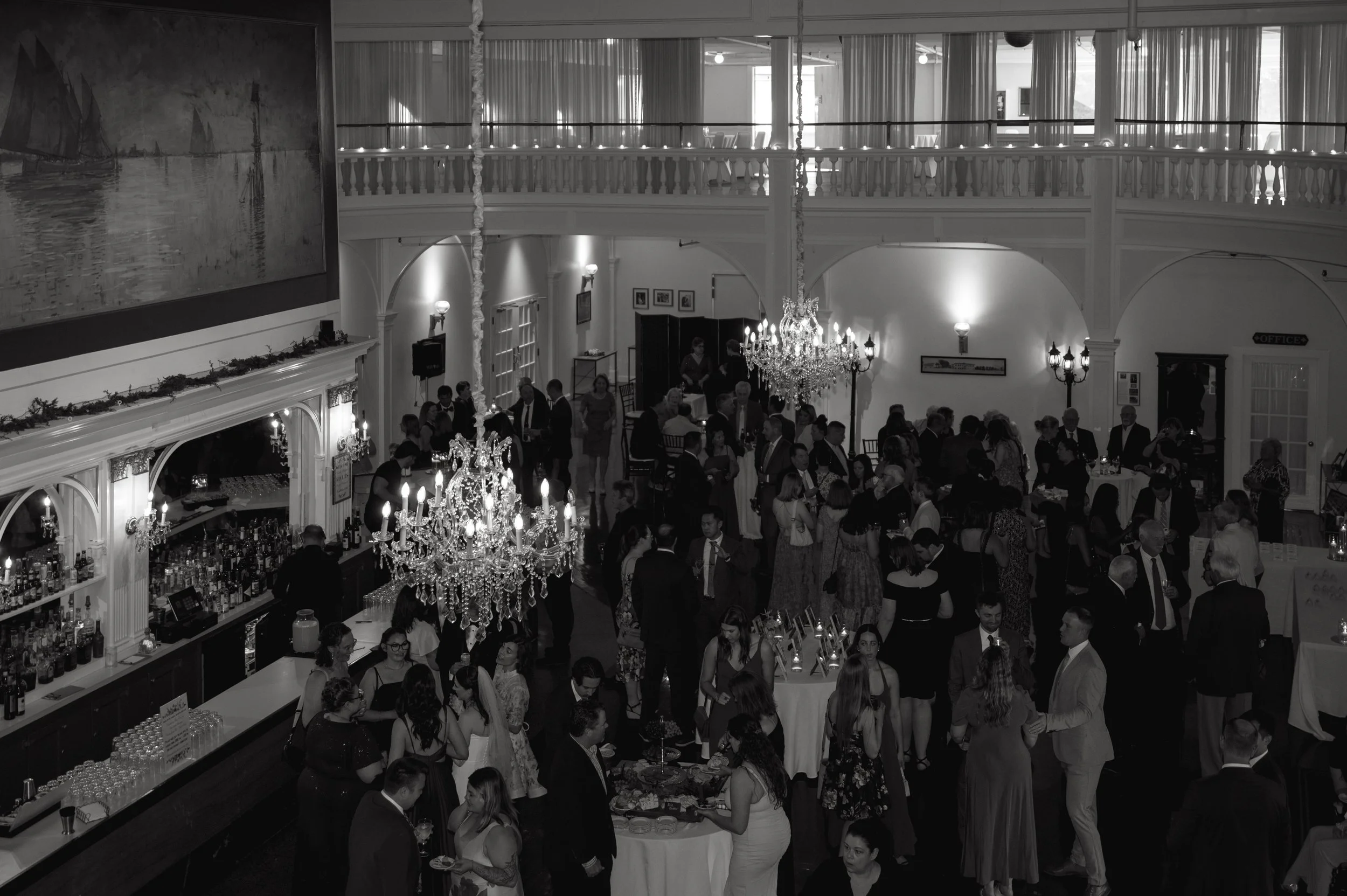
If you’re hiring a full-service wedding planner or even a partial planner, they should be the very first vendor you reach out to—ideally 12–18 months before your wedding date.
Why Book a Planner First?
A planner is often the cornerstone of your vendor team. They’ll help define your vision, manage your budget, recommend reputable vendors, and oversee everything from contracts to timelines. Many planners also have strong relationships with local venues and can suggest options you may not have considered.
In regions like New England or abroad in Europe and the UK, where venue access or local laws can vary, a planner’s guidance can be especially valuable.
What If You’re Planning a Smaller Celebration?
If you’re organising a more intimate wedding or elopement and don’t need full-service planning, you might still consider a month-of coordinator. While they can often be booked slightly later (around 6–9 months out), it’s still wise to secure them early if possible, especially for high-demand dates.
2. Venue
Your venue directly impacts the look, feel, and flow of your wedding day—and it often dictates the rest of your vendor bookings. Most venues open their calendars 12–18 months in advance and the most popular ones book out quickly.
What to Consider When Choosing a Venue:
Capacity and guest count
Style and setting (e.g., historic estate, mountaintop cabin, coastal retreat)
On-site amenities and restrictions
Access to natural light for photography
Weather contingency plans
Once you’ve locked in a venue and confirmed your date, the rest of the planning timeline becomes much clearer. You’ll also have a solid answer when reaching out to other vendors, who typically require a confirmed date and location to move forward. If you’re curious about choosing a venue in the New England area, check out my article The Most Breathtaking Estate Wedding Venues in New England to see some of my personal favourites!
3. Photographer

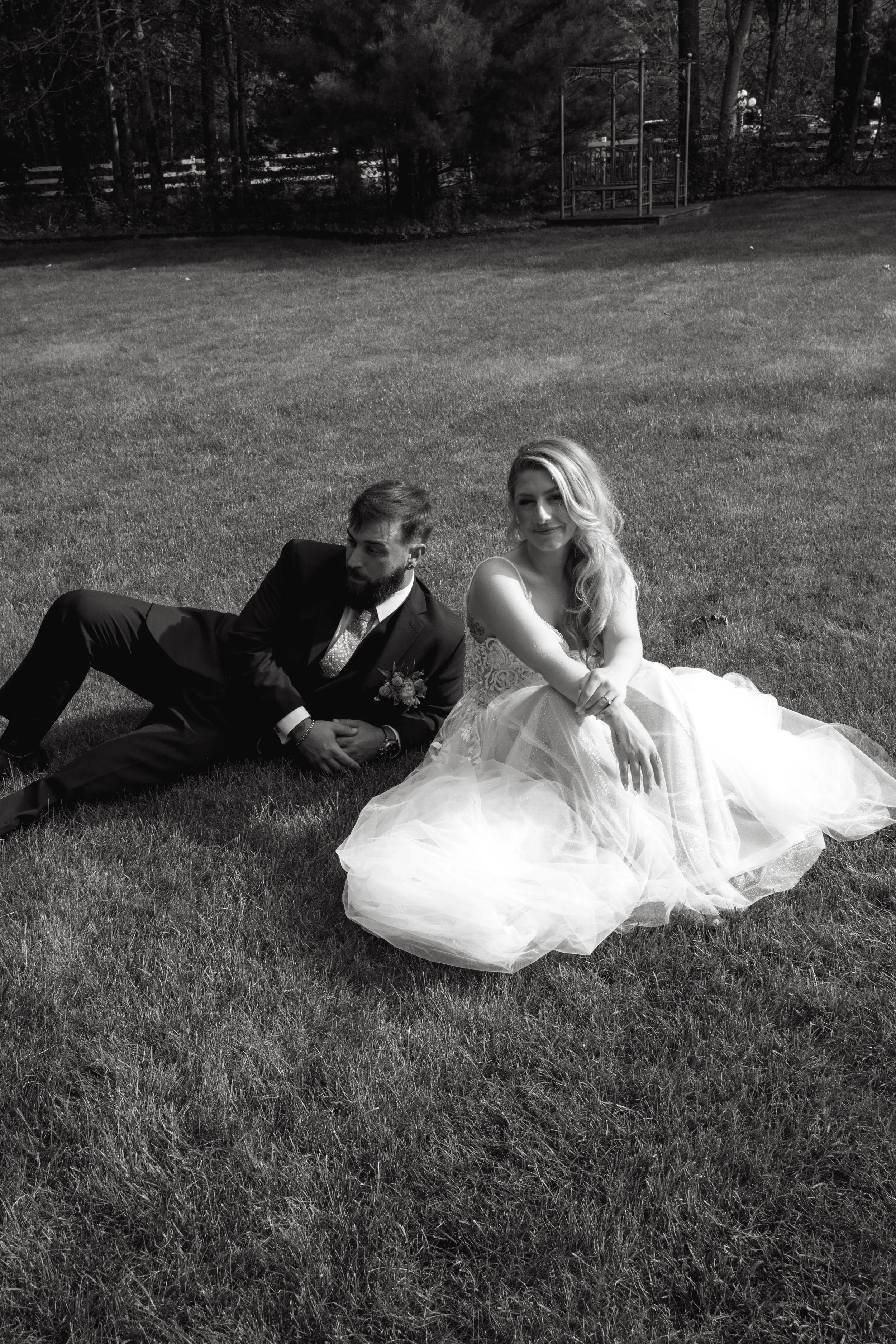
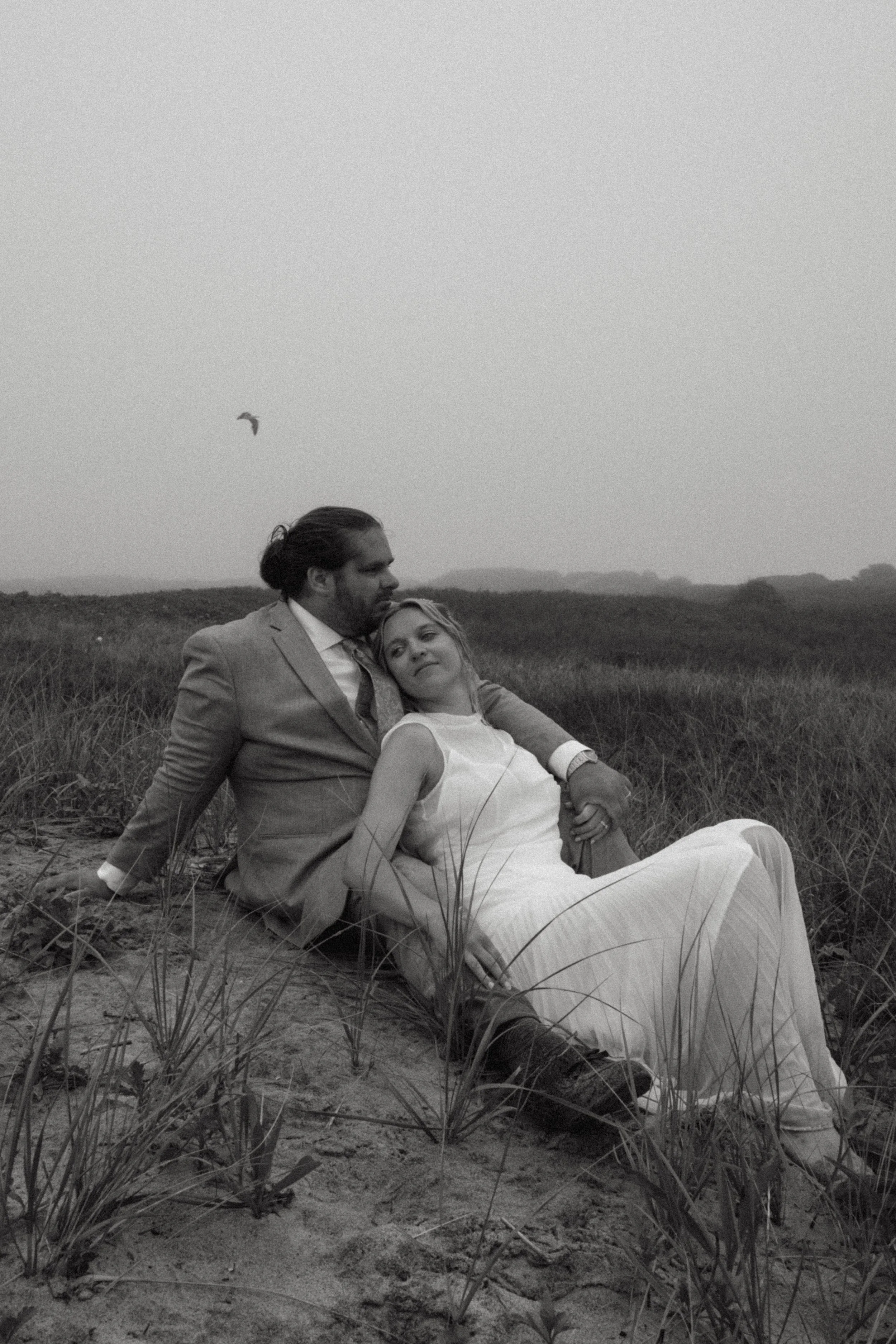
A wedding photographer is often one of the most personal and meaningful choices you’ll make during the planning process. For couples who value storytelling and artistic imagery, booking your photographer early—ideally 10–14 months ahead—is essential.
When Should You Book Your Photographer?
As soon as your date and venue are confirmed. Talented photographers who only take on a limited number of weddings per year can fill their calendars very quickly. This is especially true for destination weddings and elopements in places like the Isle of Skye, the Catskills, or the Berkshires.
How to Choose the Right Photographer:
Look for storytelling and consistency across full galleries
Consider their approach (documentary, editorial, fine art)
Make sure you feel comfortable and at ease communicating with them
Read reviews or testimonials that speak to both the work and the experience
Since your photographer will be with you throughout the entire day—often more than any other vendor—trust and connection matter just as much as their portfolio.
4. Caterer
If your venue doesn’t provide in-house catering, your caterer will be one of your most essential vendors—and one of the most logistically involved. Caterers typically need to be booked 9–12 months in advance, depending on your wedding size and location.
Why Book Catering Early?
Catering affects your timeline, your guest experience, and often your layout and rentals. The earlier you confirm a caterer, the easier it is to coordinate things like:
Bar service and licensing
Kitchen access or requirements
Staffing and serving style (plated, buffet, family-style)
Equipment rentals (ovens, tables, linens, etc.)
Many caterers will also help you build a custom menu that reflects your personal style or cultural traditions—so starting that conversation early ensures a more meaningful (and stress-free) result.
5. Hair and Makeup Artist
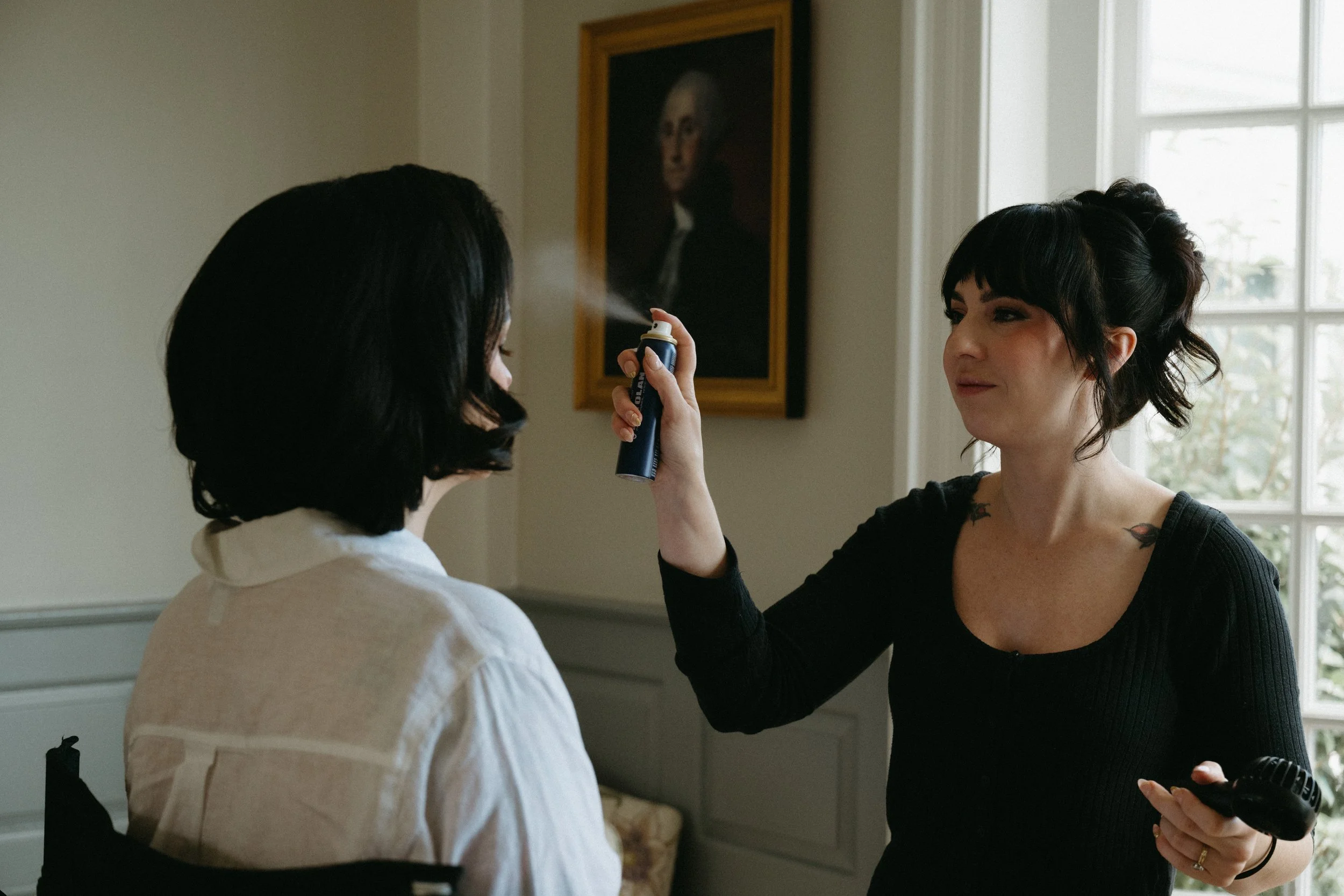
V getting ready on her wedding day at Mount Hope Farm in Bristol, RI, October 2025.
Surprisingly to many couples, hair and makeup artists—especially those specialising in elopements or destination weddings—are often booked out just as far in advance as photographers. If you're planning a multi-day event, have a larger wedding party, or are hosting a celebration in a remote location, booking your beauty team early is essential.
When Should You Book Your Hair and Makeup Artist?
Ideally 9–12 months in advance, and even earlier if you’re planning a high-demand weekend or a destination elopement. Many top-tier artists only take on one wedding per day and may book out a full season well ahead of time.
Why It’s So Important:
Trial sessions often require advance planning and travel
Larger parties may require additional artists or a team
Early booking helps coordinate your timeline with photography and ceremony plans
Elopements may require artists to travel into more remote or less serviced areas
A strong beauty team will not only help you feel your best but also keep things running smoothly on the day. A well-paced, calm start to the morning has a ripple effect on the entire experience.
What Comes After the First Five?
Once your planner, venue, photographer, beauty team, and caterer are booked, you’ll have a strong foundation in place. From there, the following vendors are usually next:
6. Florist
Florists are typically booked 6–9 months out, but if you’re envisioning abundant florals or working with a high-end designer, earlier is better. Your florist will often collaborate closely with your planner and photographer, so having them involved sooner can support a more cohesive visual design.
7. Celebrant or Officiant
If your ceremony is symbolic or custom-written, you may have more flexibility with timing. But for legal ceremonies—especially in countries with limited licensed officiants (like Scotland’s humanist celebrants)—booking at least 6–9 monthsin advance is a smart move. This gives you time to collaborate on the ceremony itself and handle any legal or cultural requirements.
FAQs About Booking Wedding Vendors
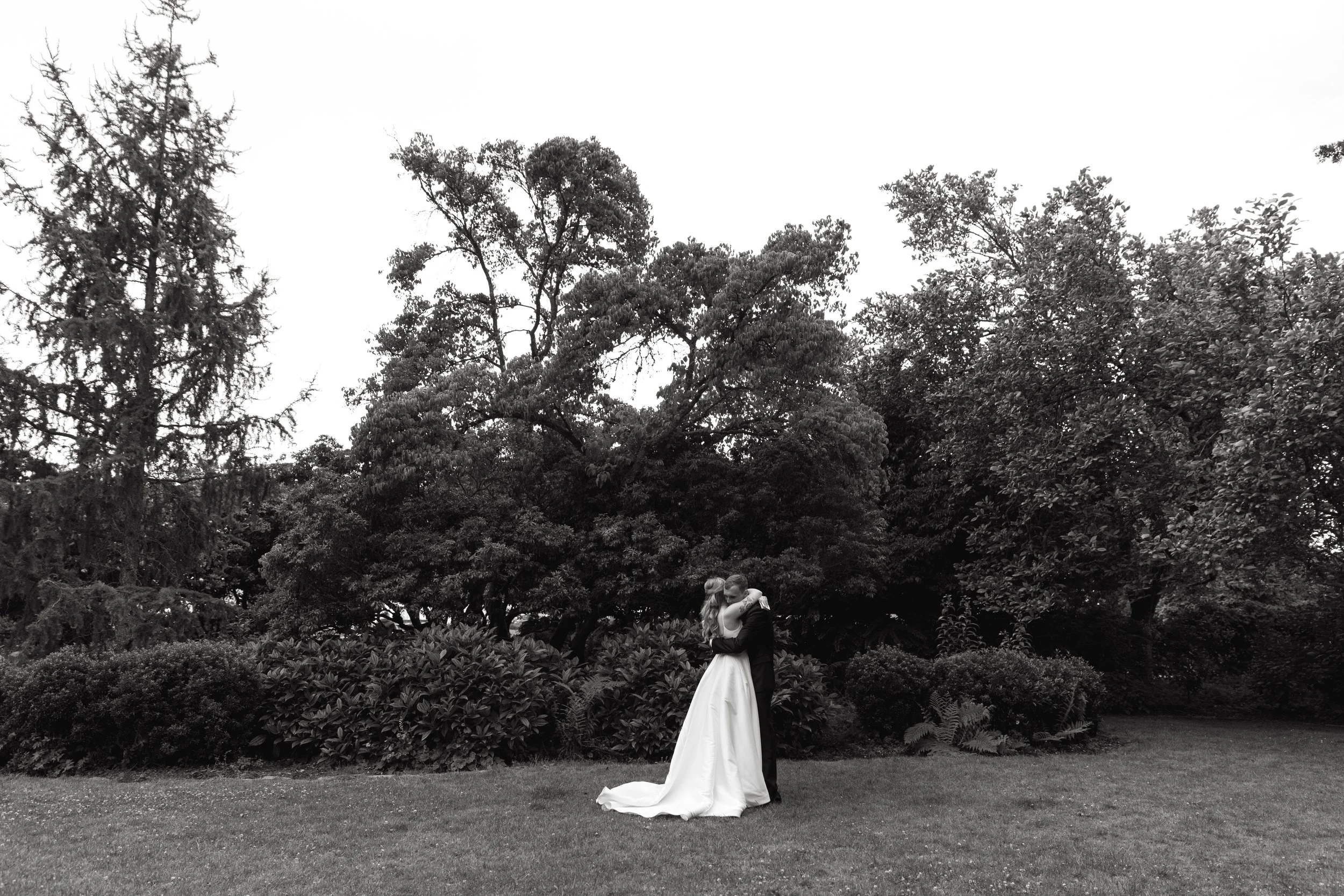
C + C on their wedding day in Seattle, WA this June
What’s the best order to book wedding vendors?
Start with vendors who only take on one wedding per day and significantly influence your overall vision. In most cases, the ideal order is:
Planner
Venue
Photographer
Caterer
Hair and Makeup Artist
From there, move on to florals, celebrant, entertainment, rentals, and stationery.
How early should I book a hair and makeup artist for a destination wedding?
For destination weddings or remote elopements, aim to book your beauty team 12–15 months in advance. Travel, logistics, and the demand for seasoned destination stylists all play a role in early scheduling—especially for artists who work exclusively on elopements or take on a limited number of clients per season.
Can I book vendors before I’ve chosen a date?
You can start conversations and check general availability, but most vendors will require a confirmed date and venue to finalise anything. Your best bet is to book your planner first, then your venue, then move quickly on to photography and beauty once your date is secure.
What if I’m planning a wedding on a short timeline?
You’ll want to focus immediately on your top five vendors and be flexible on dates or locations. Consider weekday celebrations, shoulder season dates, or elopement-style timelines to increase your chances of booking top-tier professionals with less lead time.
In Summary
Booking your first five wedding vendors in the right order—and at the right time—lays the foundation for a thoughtful, well-paced planning experience. Prioritising vendors who influence your timeline, experience, and aesthetic will give you peace of mind and allow your remaining decisions to flow more easily.
If you’d like to explore working together, you can reach out to me here: Get in touch.