
How to Plan a Meaningful, Story-Driven Engagement Session
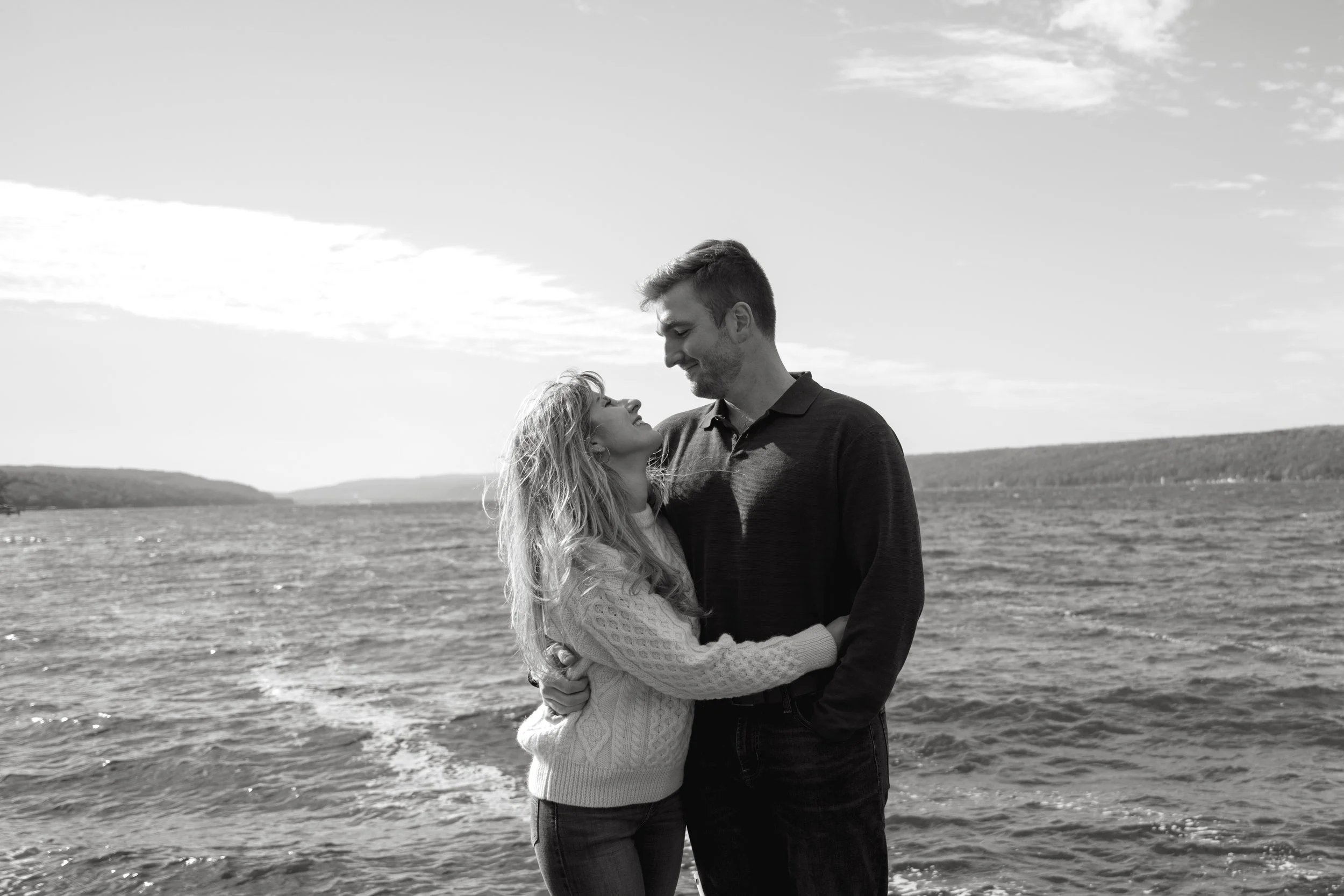
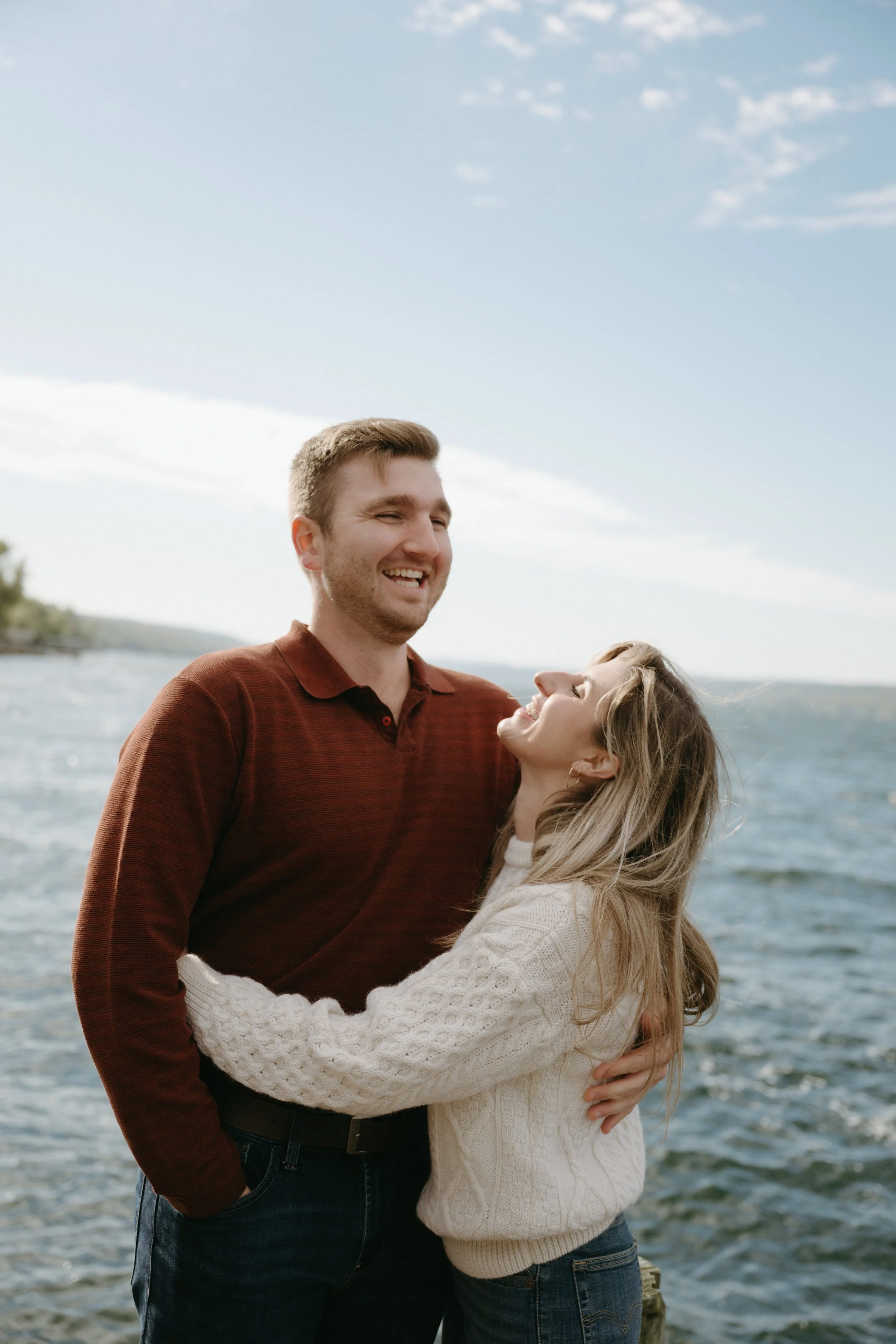
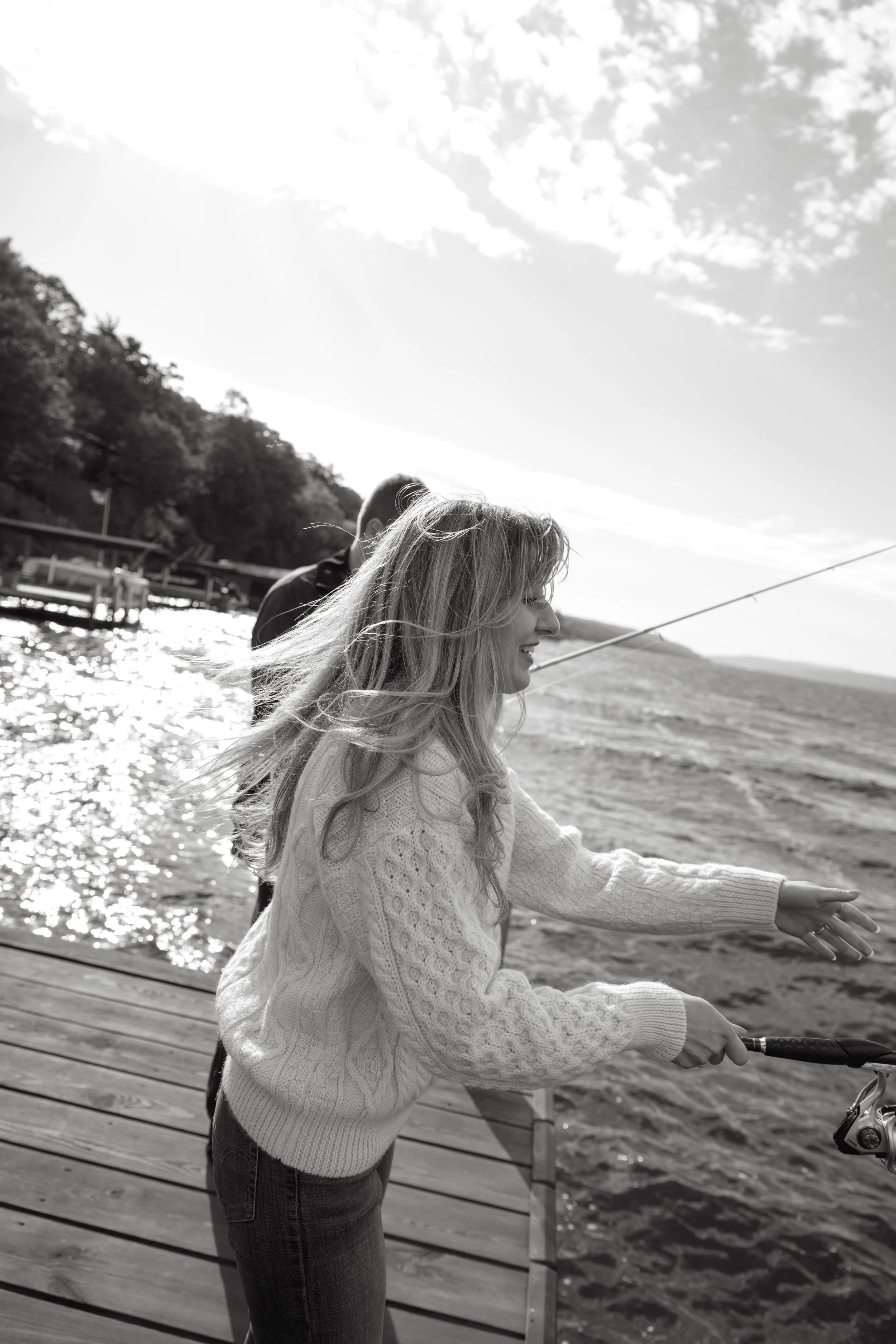
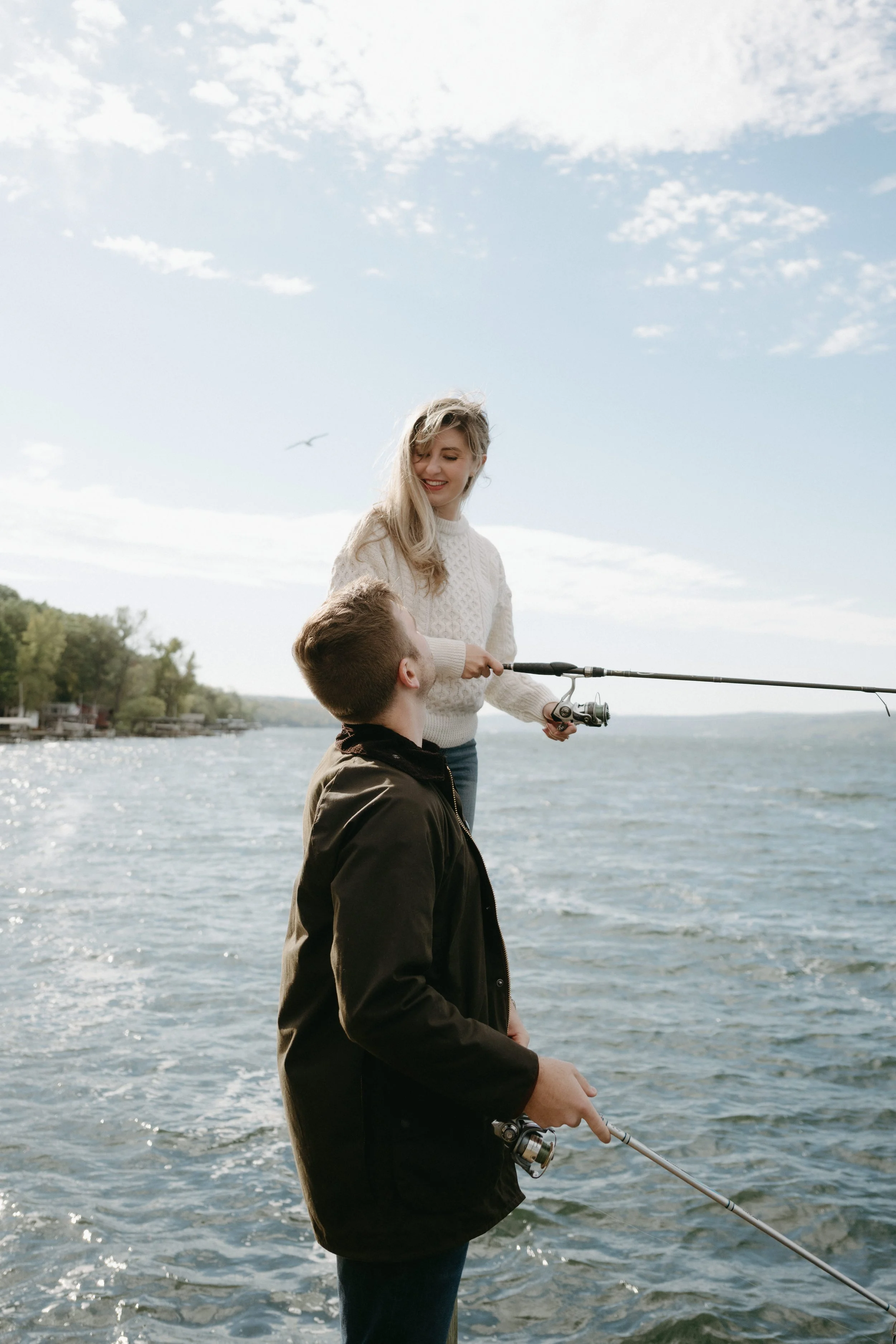
I + R at their family lake house on Seneca Lake
A well-planned engagement session can be so much more than a collection of pretty portraits — it can become a genuine reflection of who you are as a couple and the life you're building together. When thoughtfully approached, these sessions offer space to slow down, connect, and document a chapter of your relationship in a way that feels honest and personal. Whether you're newly engaged or months into wedding planning, crafting a story-driven engagement session helps ensure your photos carry emotional weight and lasting meaning.
In this guide, you’ll find a practical, step-by-step breakdown of how to plan an engagement session that reflects your relationship with intention. We’ll cover everything from choosing the right location and timing, to what to wear, how to incorporate meaningful details, and how to collaborate with your photographer to create an experience that feels natural and significant.
Why a Story-Driven Engagement Session Matters
A story-driven engagement session is more than just a shoot — it’s a chance to document the dynamic between you and your partner in an environment that feels authentic. These images are often used for save-the-dates, wedding websites, or simply to remember this season of life. But beyond their use, the real value lies in creating imagery that reflects your personalities, history, and connection.
Rather than staging something that looks like someone else’s Pinterest board, a story-driven approach starts with you: your comfort, your pace, your shared rituals, and your environment. That’s what makes the images feel timeless and emotionally resonant.
What Makes an Engagement Session Story-Driven?
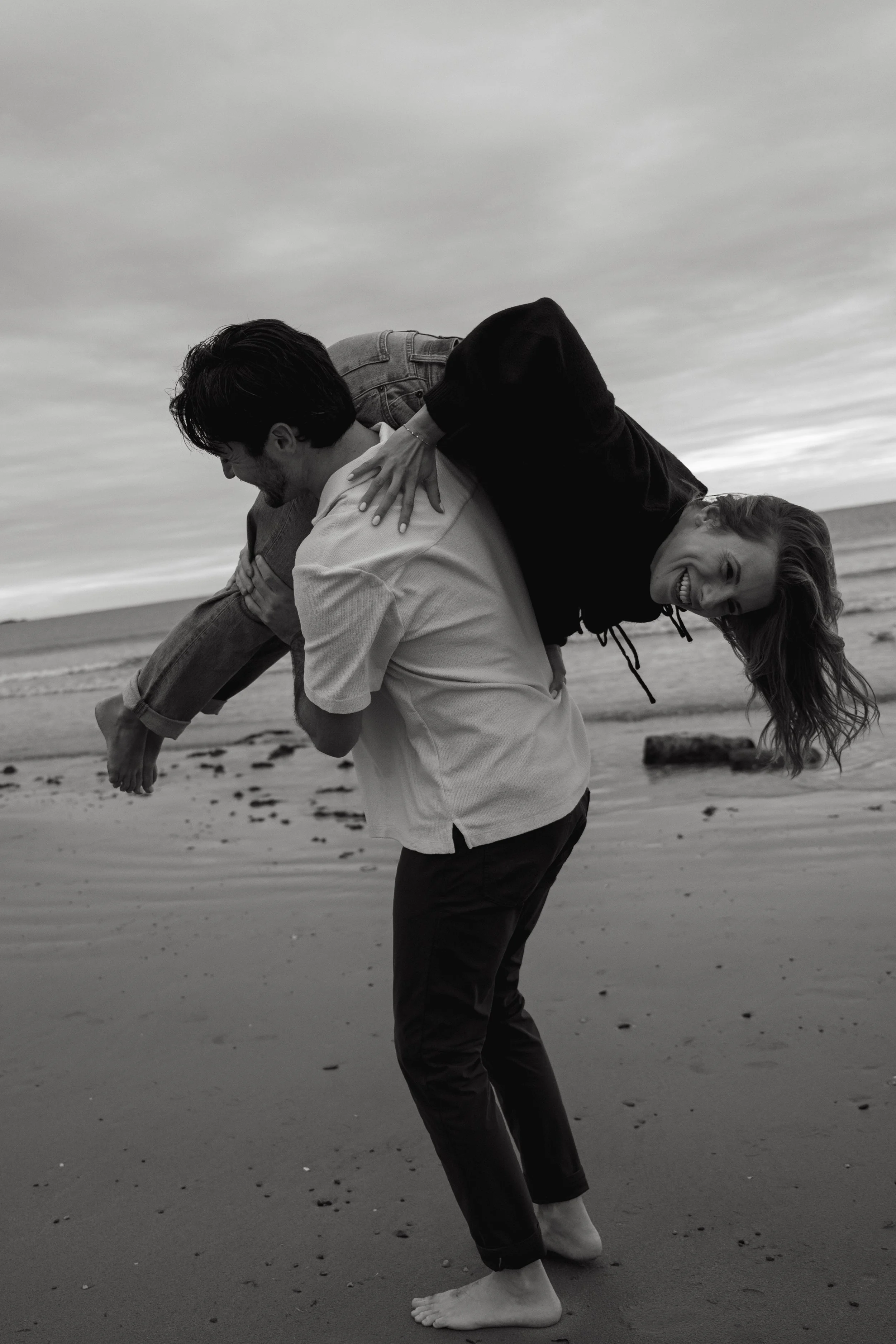
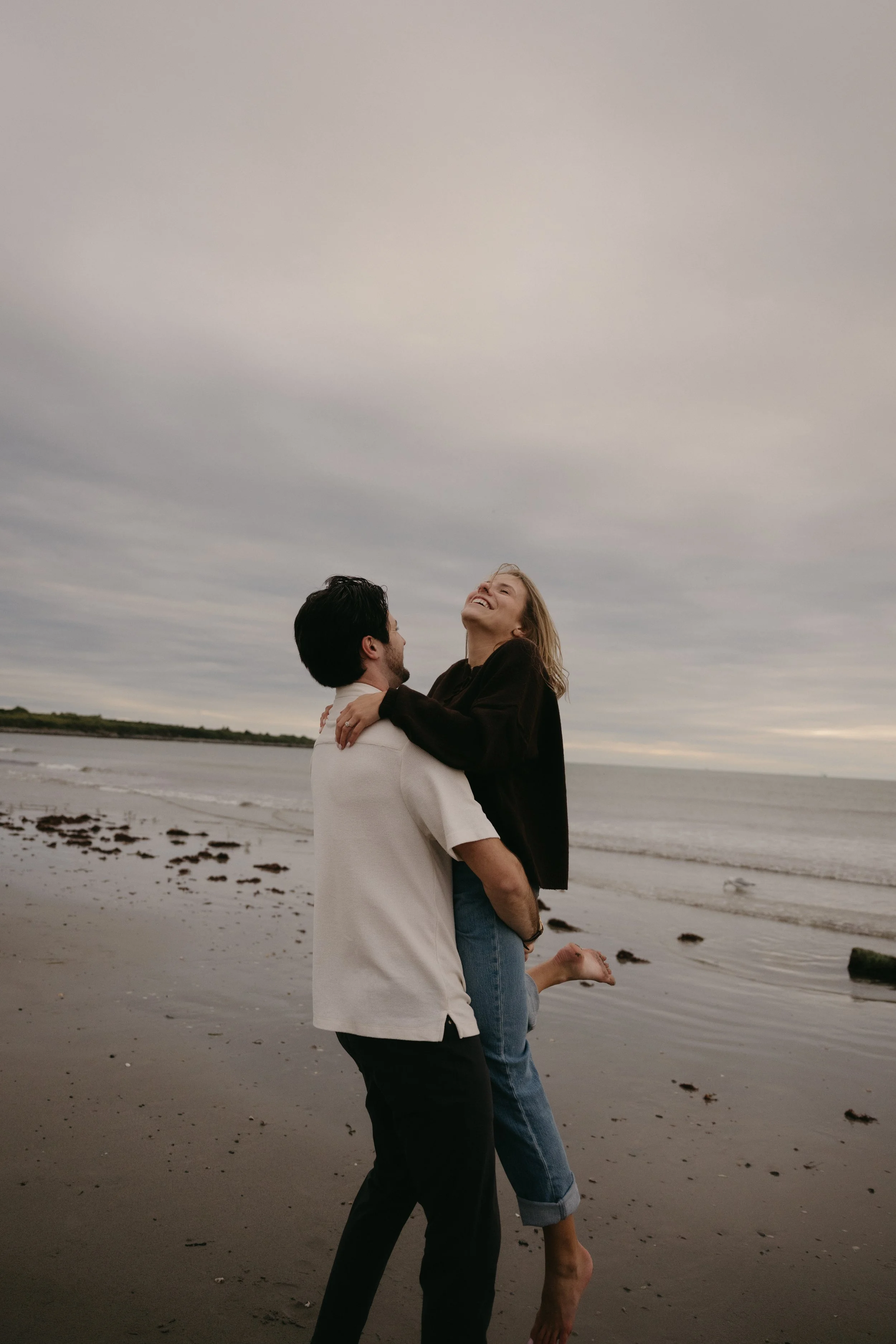
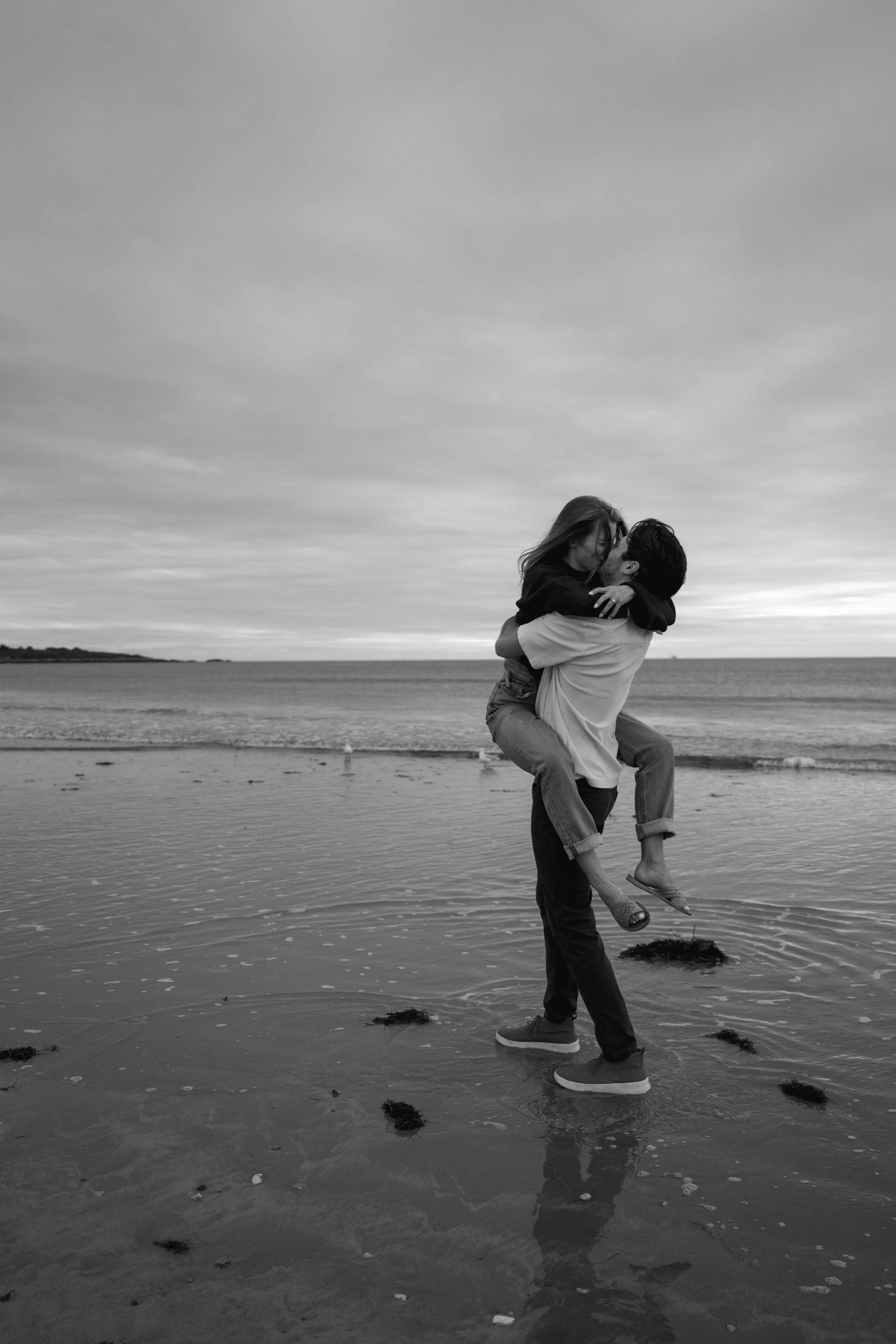
Unlike a generic portrait session, a story-driven shoot aims to capture emotion, interaction, and a narrative. That could mean revisiting a significant place, engaging in an activity you love, or simply slowing down and allowing space for natural moments to unfold.
Story-driven sessions often include:
A location that has personal significance
Outfits that feel true to your everyday (but elevated)
A relaxed structure that allows for movement and candid moments
Honest, organic interaction over posed stillness
The end result isn’t just a gallery of beautiful images — it’s a visual chapter in your relationship, told with warmth and clarity.
How to Choose a Meaningful Location for Your Engagement Photos

L + R chose a gorgeous location near their wedding venue in Lenox, MA to celebrate their upcoming wedding together
The location sets the tone for your session. Instead of picking a spot solely based on aesthetics, think about where you feel most like yourselves.
Questions to Ask When Selecting a Location:
Is there a place that holds shared memories? (e.g. your first date spot, your proposal location, a favourite hike)
Do you feel more at ease in nature, in the city, or in your home?
Are there any seasonal backdrops that align with your story or style?
Location Ideas by Region:
New England: Coastal towns like Rockport or Cape Cod for serene, timeless imagery.
Upstate New York: Forests, farms, or the Catskills for moody, nature-led sessions.
Scotland: Dramatic cliffs, lochs, or historic ruins for storytelling steeped in atmosphere.
A good rule of thumb: If it feels meaningful to you, it will translate in the images.
When Should You Book Your Photographer?
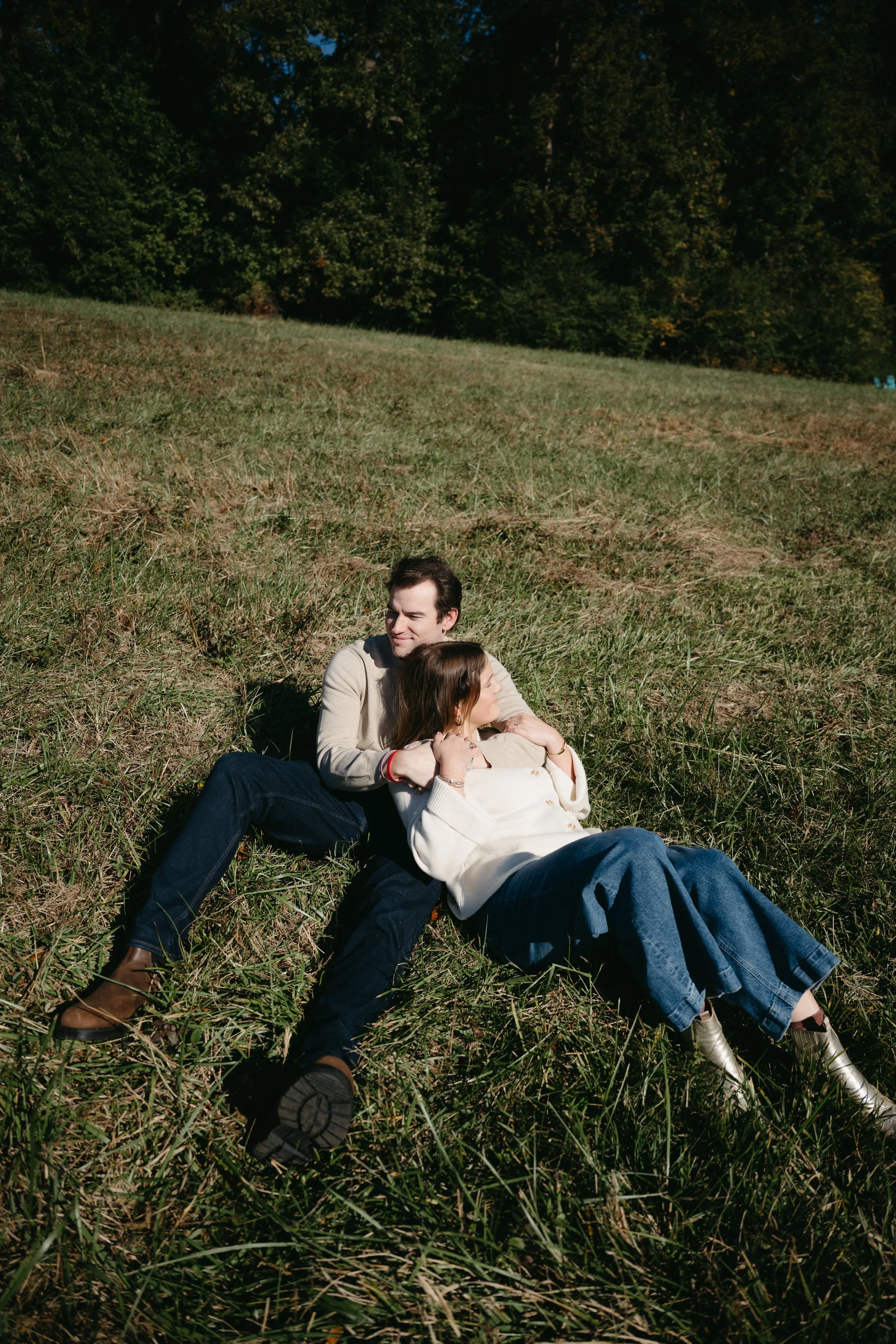
Booking your photographer 6–9 months before your wedding is ideal, especially if you're hoping for seasonal photos or a particular location. For popular seasons like autumn in New England or spring in Scotland, availability can go quickly.
Why the Timing Matters:
Gives you flexibility with weather and light
Allows time for image delivery before you need them for stationery or your wedding website
Helps establish rapport with your photographer before the wedding day
It’s also a great way to get comfortable in front of the camera and build trust — so your wedding photos feel even more effortless.
How to Prepare for Your Engagement Session
Preparation doesn’t mean over-planning — it means making space for authenticity by removing stress on the day. Here are a few tips to help things go smoothly:
1. Have a Loose Plan
Work with your photographer to outline a basic flow for the session, especially if you're moving between locations. A general idea of timing, light, and pacing helps keep things calm.
2. Dress Thoughtfully
Choose outfits that photograph well and feel true to who you are. Aim for neutral or muted tones, avoid heavy logos or busy patterns, and consider textures like linen, wool, or cotton that bring depth on camera.
Bring one outfit change if you'd like — ideally something slightly more formal or contrasting in tone. Keep in mind:
Avoid matching exactly — complement each other instead
Make sure you can move and feel comfortable
Test the full look beforehand (shoes included)
3. Consider Meaningful Objects or Activities
If there’s something you often do together — like making coffee, reading outdoors, playing music, or going for a walk — think about weaving that into your session. Even subtle rituals can add depth to your gallery.
What Time of Day Is Best for Engagement Photos?
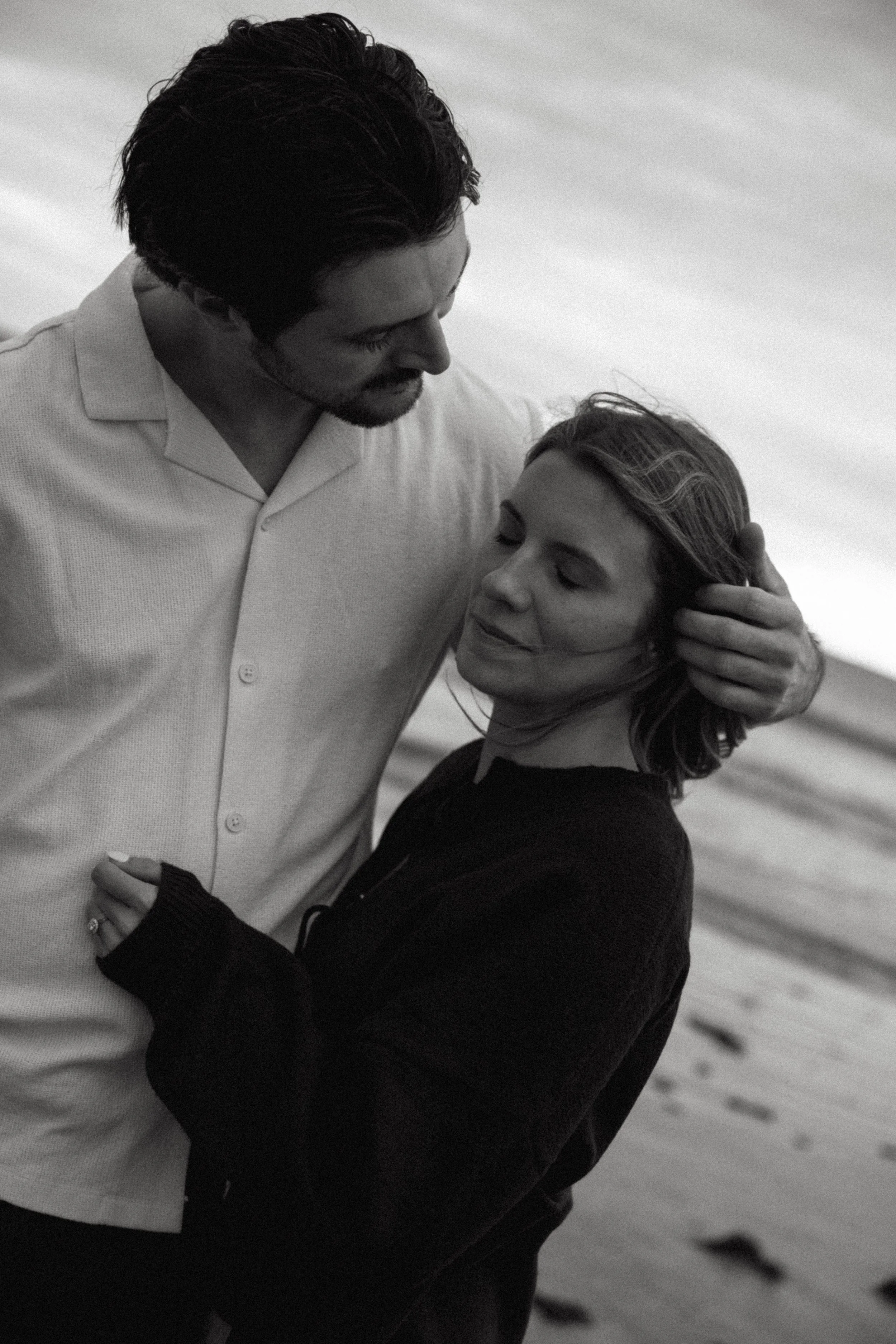
Light is a critical part of creating atmosphere. Most photographers recommend scheduling sessions around golden hour— typically the hour after sunrise or before sunset — for its soft, flattering light.
However, some locations or styles call for different timing:
Urban sessions might work best in soft morning light before the city wakes
Heavily wooded areas may require a midday start to allow light through the trees
Home sessions can be tailored to your space’s natural light
Your photographer will guide you here — but if you have a preference (e.g. moody dusk vs. clean morning light), share that early in the planning process.
How to Feel Natural on Camera
The best engagement photos capture how you feel together — not just how you look. If you're worried about feeling stiff or awkward, you’re not alone. But there are a few ways to ease in:
Trust your photographer to lead with gentle direction, not stiff posing
Focus on each other instead of the camera — talk, move, laugh
Choose a location where you feel relaxed and grounded
Take your time — don’t rush through moments
The more present you are with each other, the more natural your photos will feel.
Should You Include Props or Pets?
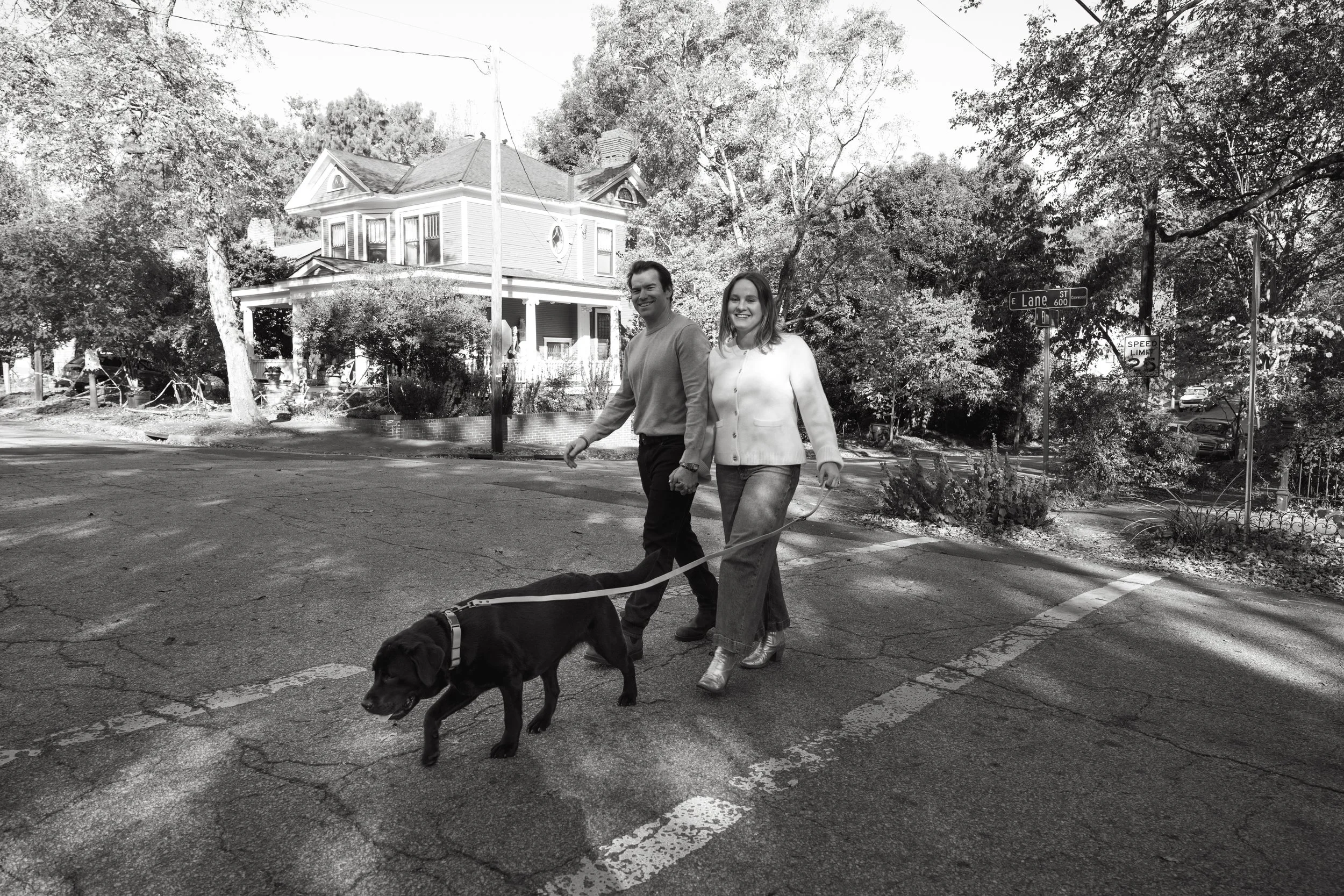
Props can be lovely if they serve the story — think a vintage car, a blanket and picnic, or a shared hobby. But avoid bringing items just for the sake of having “something to do” — it’s better to let your interaction carry the moment.
Pets are always welcome — with a few considerations:
Bring a friend or handler to assist so you’re not juggling too much
Choose a pet-friendly location
Plan to do a few shots with and a few without your pet
How to Make the Session Feel More Like You
A session feels most meaningful when it reflects who you are, not just how you look. To get there, ask yourselves:
What kind of atmosphere feels most natural — playful, quiet, romantic, adventurous?
What do we want to remember about this chapter of life?
Is there a detail from our story we’d like to include?
Share these reflections with your photographer. The more they understand you, the more they can guide the session in a way that feels organic and honest.
FAQ: Engagement Session Planning

How long does an engagement session typically last?
Most sessions last between 60–90 minutes. If you’re visiting multiple locations or including outfit changes, it may run a bit longer.
What should we avoid wearing?
Avoid bright neons, busy patterns, or anything that feels uncomfortable or overly trendy. Steer clear of clothing with visible branding or text.
What if the weather is bad?
Your photographer will likely offer a backup date, especially for outdoor sessions. That said, some of the most beautiful images happen in moody weather — clouds, wind, and even a bit of rain can add wonderful atmosphere.
Can we do the session in our home?
Absolutely. At-home sessions can be incredibly intimate and relaxed, especially if you’re camera-shy or want to document the space you currently share.
When should we schedule the session in relation to our wedding?
Anywhere from 6–12 months before the wedding is typical. If you’re using the images for stationery or your website, be sure to allow time for editing and delivery.
Final Thoughts
Planning a story-driven engagement session is ultimately about choosing honesty over trends and connection over perfection. When approached with care, these sessions become a touchstone — not just for your wedding, but for your relationship. They hold space for reflection, laughter, movement, and quiet, just as you are.
If you’re ready to begin crafting an engagement session that feels like you, I’d love to help.
If you want to hear more, feel free to reach out to me here: Connect With Me About Your Engagement Session