
What Does a High-End Wedding Photographer Include in Their Process?
When couples begin researching high-end wedding photographers, they often compare portfolios first. That’s natural. Imagery is tangible and immediate. But what’s less visible — and often far more important — is the process behind the photographs.
This article walks through what a high-end wedding photographer typically includes in their process, from first enquiry to final delivery. Not as a checklist to memorise, but as a way to understand what you’re actually investing in and why experiences can feel so different even when the images look similarly refined.
It matters because the quality of the process shapes the quality of the day itself. Long before a camera is raised, decisions are being made that affect how calm, supported, and understood you feel.
A high-end process begins long before the wedding day
One of the biggest misunderstandings I see is the assumption that photography begins on the wedding morning. In reality, a considered process often starts months earlier.
High-end photographers tend to see their role as cumulative. Each conversation, document, and decision builds towards a day that runs smoothly without drawing attention to itself.
This isn’t about adding steps for the sake of it. It’s about removing friction later.
Initial consultation that prioritises understanding over selling
The first conversation is rarely about convincing couples to book.
In a high-end process, the initial consultation is used to understand:
The scale and structure of the wedding
The priorities and pressures at play
How involved or hands-off the couple wants their photographer to be
I’ve noticed that these conversations often feel more like planning discussions than sales calls. The photographer listens carefully, asks clarifying questions, and offers context without pushing conclusions.
This sets the tone for everything that follows.
Clear, detailed information before booking
High-end photographers tend to provide clarity early.
Before any commitment is made, couples usually receive:
Transparent pricing and coverage details
Clear explanations of what is and isn’t included
Written guidance on how the process works
This reduces uncertainty and allows couples to make decisions without guesswork.
From experience, confusion at this stage almost always resurfaces later. A thoughtful process addresses it upfront.
Intentional onboarding once booked

After booking, the relationship shifts from inquiry to collaboration.
A high-end onboarding process often includes:
A welcome guide outlining next steps
An overview of how communication will work
Key milestones leading up to the wedding
This stage is about reassurance. Couples know what to expect and when, without needing to chase information.
It also establishes boundaries, which is an often-overlooked aspect of luxury service.
Timeline guidance rooted in experience
One of the most valuable — and underestimated — inclusions in a high-end photography process is timeline input.
Even when working with a planner, photographers often provide:
Feedback on draft timelines
Advice on light, travel time, and pacing
Suggestions that prioritise experience as well as imagery
This is particularly important in places like New England, where early sunsets, seasonal weather shifts, and long travel distances between venues can quietly complicate plans. Weddings on Cape Cod, along the Rhode Island coast, or at Connecticut estates benefit from photographers who think regionally and practically.
Good timeline guidance doesn’t feel directive. It feels supportive.
Location and light consideration in advance
Rather than arriving and reacting, high-end photographers usually prepare.
This preparation may involve:
Reviewing floor plans and venue layouts
Considering seasonal light patterns
Identifying potential portrait locations ahead of time
This doesn’t mean every image is pre-planned. It means the photographer isn’t making foundational decisions under pressure.
The result is often a calmer presence on the day itself.
Collaboration with planners and vendors
Another marker of a high-end process is how seamlessly a photographer works with others.
Rather than operating in isolation, they often:
Coordinate timelines with planners
Communicate discreetly with videographers
Respect the flow established by other vendors
I’ve observed that when this collaboration works well, couples rarely notice it. Things simply feel organised.
That invisibility is intentional.
Thoughtful preparation for family dynamics
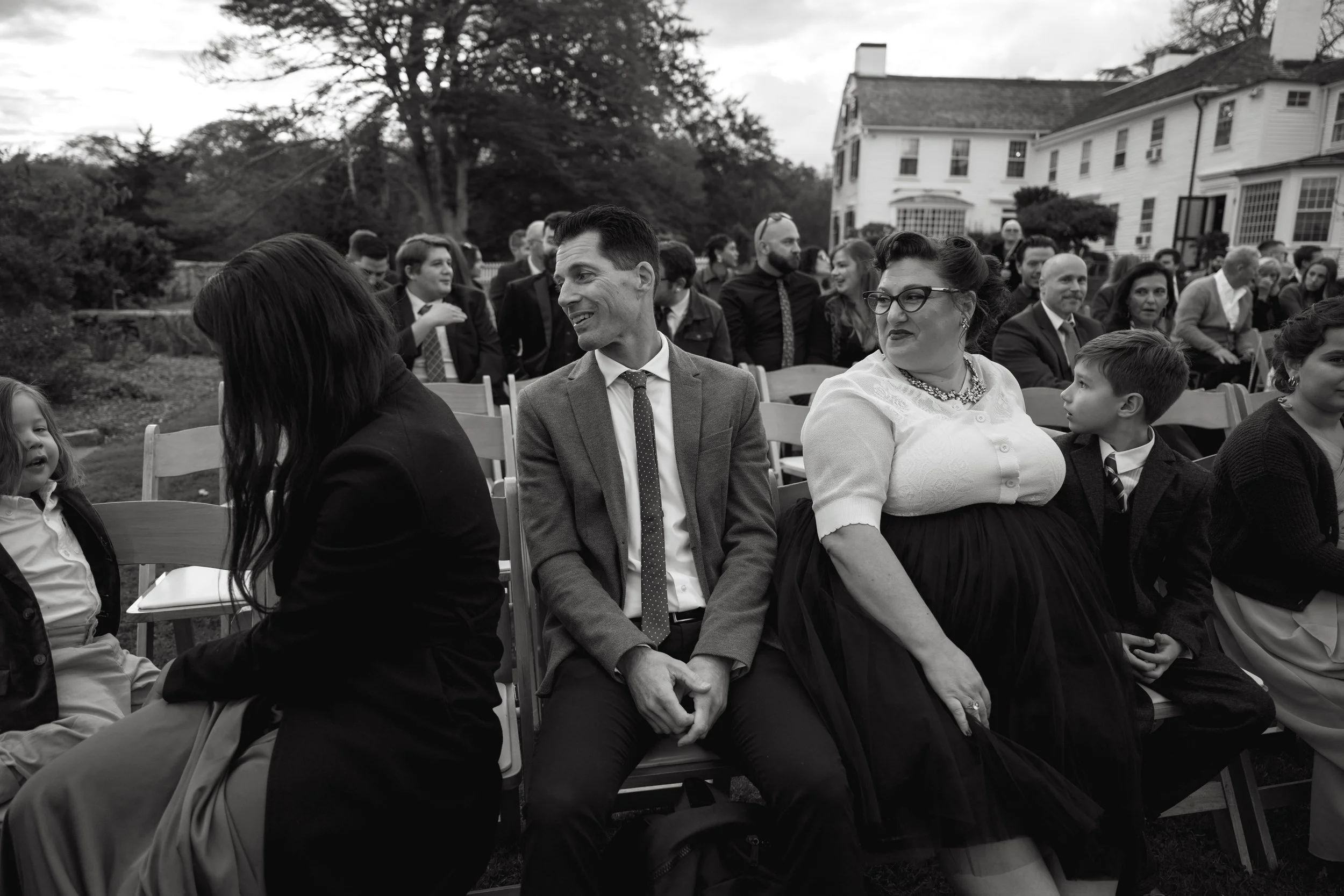
Family portraits are one of the most emotionally charged parts of a wedding day.
High-end photographers usually prepare for this by:
Gathering family information in advance
Creating a clear, efficient portrait plan
Accounting for sensitivities and relationships
This preparation allows the process to move quickly and calmly, without unnecessary stress.
It’s not glamorous work, but it has a significant impact on how the day feels.
Presence and judgement on the wedding day
On the wedding day itself, a high-end process shows up less as a checklist and more as judgement.
This includes:
Knowing when to step in and when to step back
Managing time without creating tension
Reading emotional cues in real time
From what I’ve seen, couples often describe this as feeling “held” without being managed.
The photographer isn’t just documenting what happens. They’re shaping conditions so meaningful moments can unfold naturally.
Consistent, intentional coverage
High-end wedding photography is rarely about chasing constant impact.
Instead, coverage tends to prioritise:
Narrative continuity
Balanced attention to people and environment
Respect for quieter, in-between moments
This approach results in galleries that feel cohesive rather than performative.
Consistency, not spectacle, is the goal.
Careful curation and editing after the wedding
Once the wedding is over, the process continues behind the scenes.
High-end photographers typically spend significant time on:
Thoughtful image selection
Consistent colour and tonal editing
Creating a clear visual narrative
The difference here isn’t just technical. It’s editorial.
Rather than delivering everything indiscriminately, the gallery is shaped to reflect the day accurately and respectfully.
Clear delivery timelines and communication
Another common point of differentiation is what happens after the wedding.
High-end processes usually include:
Clearly stated delivery timelines
Updates if anything changes
Organised, intuitive galleries
This reliability matters. Couples shouldn’t have to wonder when or how they’ll receive their photographs.
Clarity builds trust long after the wedding day has passed.
Archival consideration and longevity
While not always discussed openly, many high-end photographers consider how images will age.
This can influence:
Editing restraint
File preparation
Print and album options
The goal isn’t trend resistance for its own sake. It’s ensuring the photographs still feel honest and usable years later.
Longevity is a quiet form of luxury.
Ongoing availability after delivery
A high-end process doesn’t necessarily end when the gallery is delivered.
Many photographers remain available for:
Album design guidance
Print questions
Archival support
This continued presence reinforces the sense that the relationship wasn’t transactional.
It also acknowledges that couples often return to their photographs over time, not just once.
What’s often missing from lower-end processes
To understand the value of a high-end approach, it helps to notice what’s often absent elsewhere:
Minimal communication until the wedding week
Little to no timeline input
Reactive rather than proactive decision-making
These gaps don’t always show up in the images, but they often show up in the experience.
Frequently Asked Questions
Does a high-end process mean less flexibility?
No. In most cases, it means more flexibility because preparation allows for thoughtful adaptation when things change.
Is this process only for large or formal weddings?
Not at all. Intimate weddings and elopements often benefit even more from this level of care, as there’s less margin for error.
Do we need a planner if our photographer offers this level of support?
They serve different roles. A high-end photographer complements planning rather than fully replacing it. For larger weddings with lots of moving parts, it’s definitely a good idea to have a planner on your vendor team!
Is regional experience really that important?
It can be. Familiarity with New England venues, light, and logistics often reduces stress and improves pacing.
Will all photographers who charge more offer this process?
Not necessarily. Price alone doesn’t guarantee depth or structure. Asking how the process works is essential.
A final perspective
A high-end wedding photographer’s process isn’t about adding layers or complexity. It’s about removing uncertainty.
When the process is thoughtful, much of the work becomes invisible. The day feels steadier. Decisions feel lighter. And the photographs reflect not just how things looked, but how they were experienced.
If you’d like to explore this further, you can reach out to me anytime to talk though your own wedding plans and photography coverage options.