
Wedding Trends to Watch in 2026 (And How to Plan a Day That Still Feels Like You)

As we move into 2026, weddings are continuing to evolve — becoming more intentional, more personal, and more rooted in meaningful choices. While trends offer inspiration and fresh ideas, the best celebrations are the ones that feel true to the couple at the centre of it all. Whether you're newly engaged or deep into planning, understanding which wedding trends are emerging (and how to approach them with authenticity) can help you design a celebration that feels both current and genuinely you.
In this guide, you’ll find a breakdown of key wedding trends predicted for 2026, from style and design to guest experience and photography. More importantly, you’ll also find practical advice on how to integrate these trends without losing sight of what matters most: creating a day that reflects your relationship, your values, and your story.
What Are the Biggest Wedding Trends for 2026?
Weddings in 2026 are all about intention and artistry — less about following rules, and more about thoughtful design, emotional presence, and meaningful experiences for both couples and guests. Here are some of the most notable trends to watch.
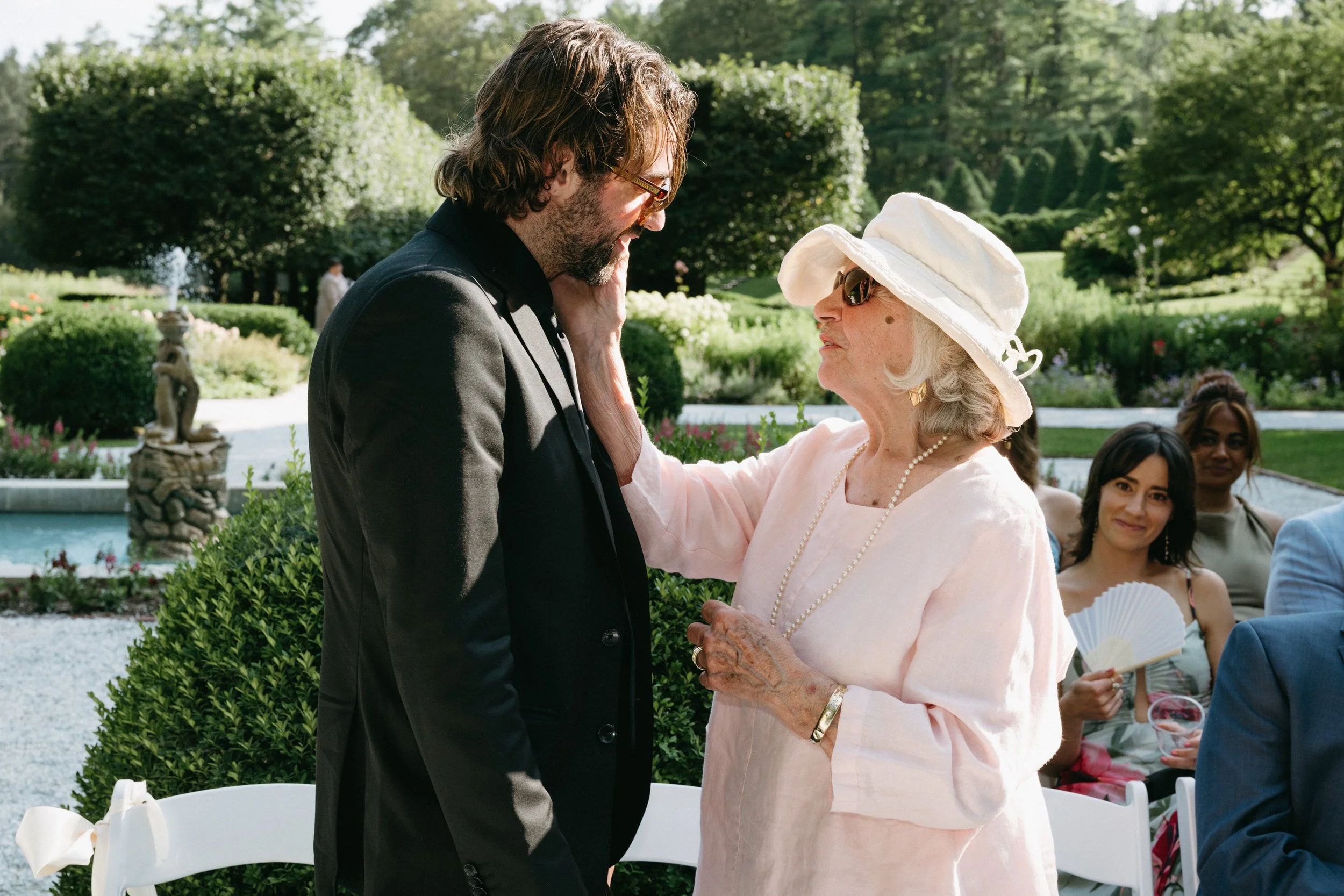
1. Guest-Centred Celebrations
Couples are increasingly prioritising how their guests experience the wedding — not just in terms of hospitality, but in how it feels to be there.
Expect to see:
Intimate, carefully curated guest lists
Thoughtful touches like handwritten notes, welcome gifts, or family-style meals
Interactive experiences (wine tastings, live illustrators, slow breakfasts the morning after)
Even for larger celebrations, the focus is shifting toward warmth and connection over spectacle.

2. All-In-One Weekend Weddings
Rather than a single-day event, more couples are planning multi-day gatherings that blend ceremony, celebration, and quality time with loved ones.
Popular formats include:
Welcome dinners or casual pre-wedding meet-ups
Post-wedding brunches or outings (especially in destination settings like New England or Upstate New York)
Full venue buyouts at estate properties, boutique hotels, or inns
These wedding weekends are often more relaxed and meaningful — allowing couples to slow down and connect with guests over several days, not just a few hours.
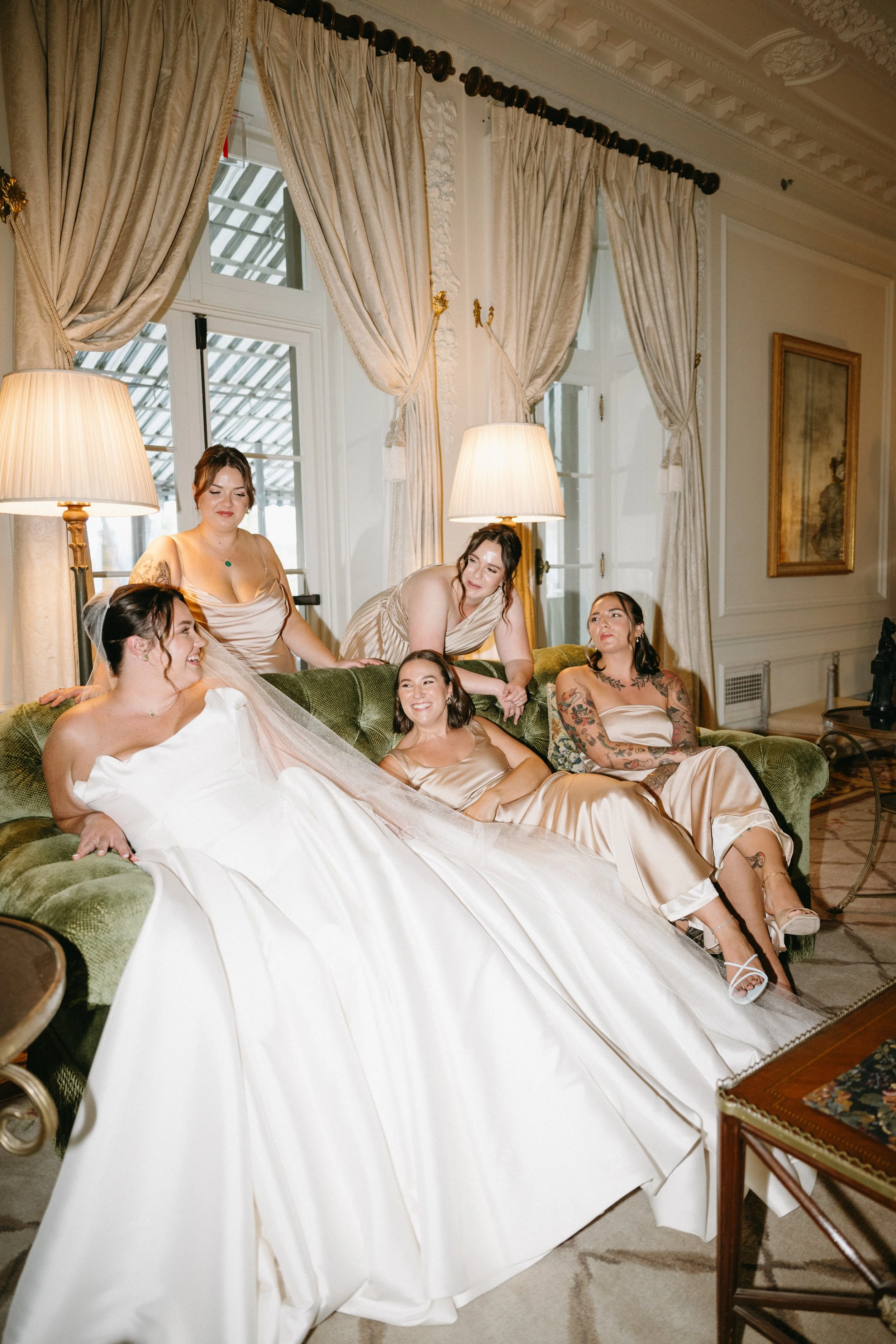
3. Refined, Artful Maximalism
Minimalism is taking a backseat in 2026, making space for a more expressive, layered aesthetic that blends old-world richness with contemporary artistry. This isn’t about over-the-top decor for the sake of scale — it’s a curated kind of maximalism, where every detail is lush, textural, and considered.
Influences from upcoming film and television — including dramatic period pieces like the new Wuthering Heights — are pushing this trend forward. The look feels romantic, editorial, and immersive, drawing from art history and nature in equal measure.
Expect to see:
Tablescapes that overflow with fruits, florals, herbs, and vegetables — styled with intention but layered to feel abundant
Velvet draping, ornate candle clusters, and textured linens in rich, tactile materials
Moody lighting and long taper candles for added drama and depth
Curated clutter — antique objects, layered china, and mismatched glassware that feels lived-in, not showroom-perfect
This style creates an atmosphere that’s intimate and full of story — especially when paired with music, food, and floral design that echo the same richness.
Popular colour palettes for 2026 include:
Deep red and plum tones, paired with inky greens or antique gold
The ‘citrine’ palette — a brighter mix of yellows, ochre, and honey tones, perfect for late spring or summer
Dusty lavender and mauve, often mixed with warm browns or soft clay tones for autumn weddings
This approach to design invites warmth, emotion, and a little indulgence — creating spaces that feel less like events and more like cinematic chapters.
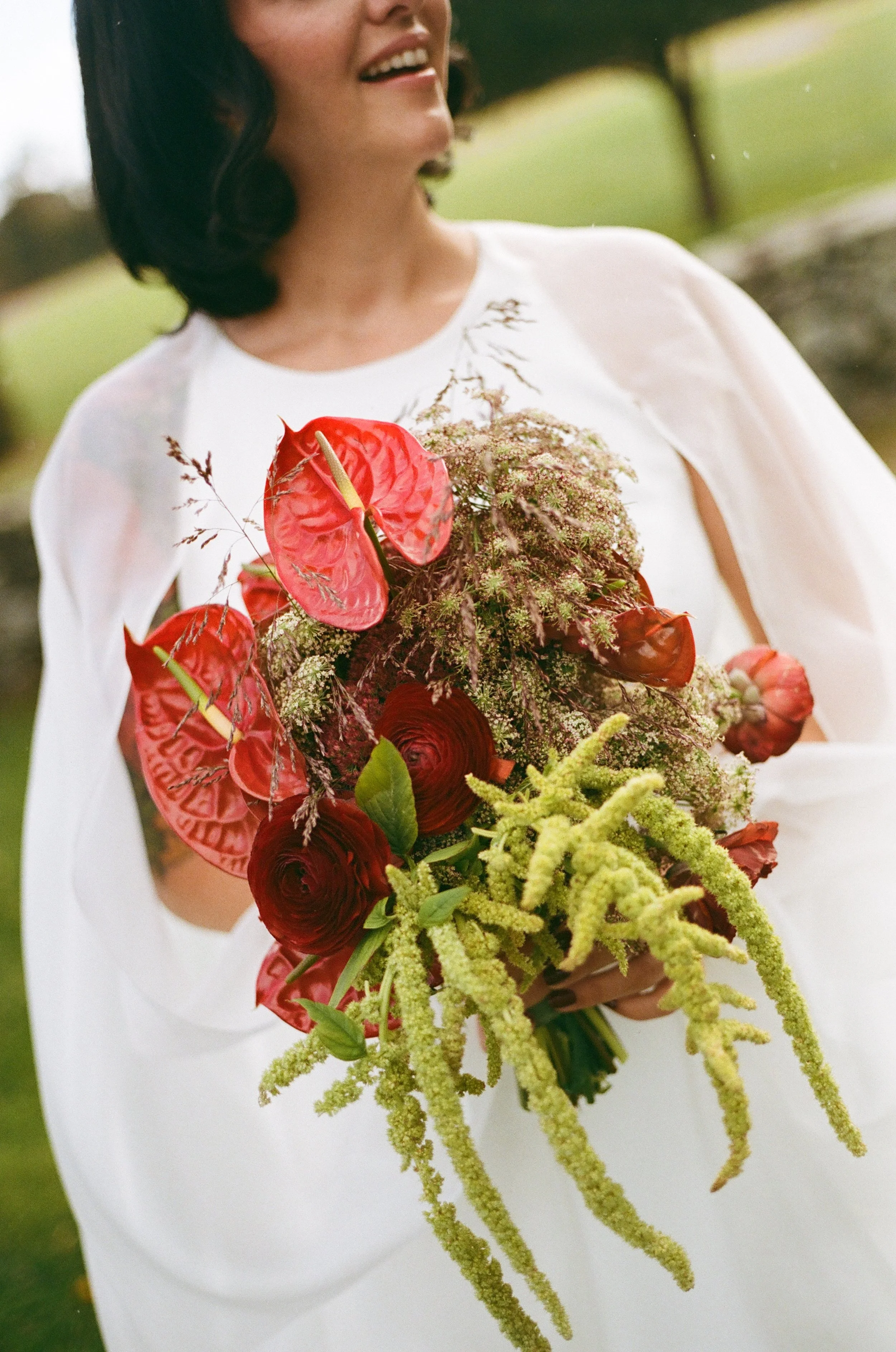
4. Film & Editorial Wedding Photography
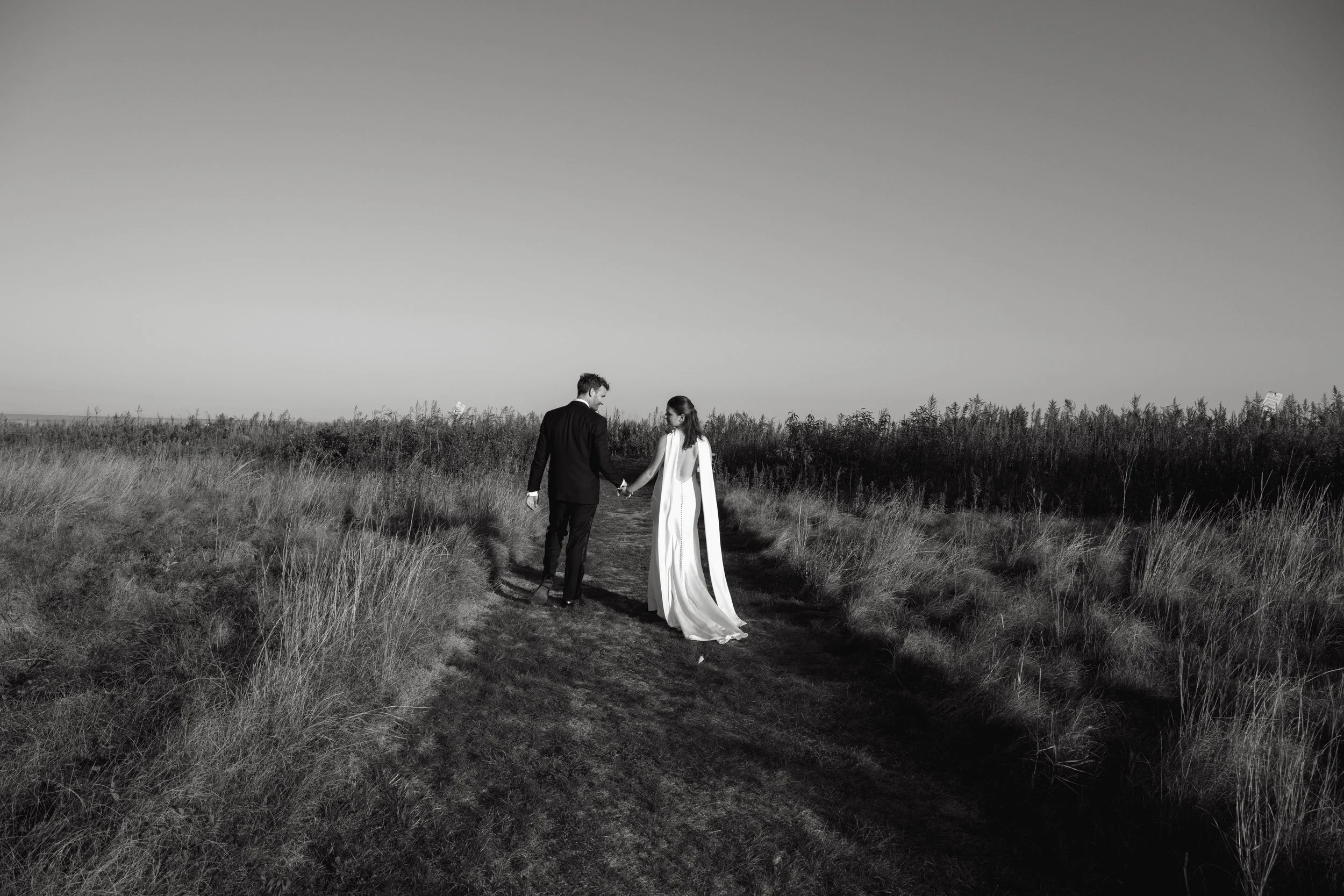
There’s growing interest in wedding photography that feels honest and artful — less about staged poses and more about storytelling.
In 2026, expect to see:
Increased demand for photographers who shoot film (or emulate film tones in digital editing)
Candid moments, documentary-style coverage, and editorial portraiture
Couples choosing photographers based on storytelling and emotional tone, not just aesthetics
This shift places value on timeless images over trends — with galleries that feel cinematic, human, and sincere.
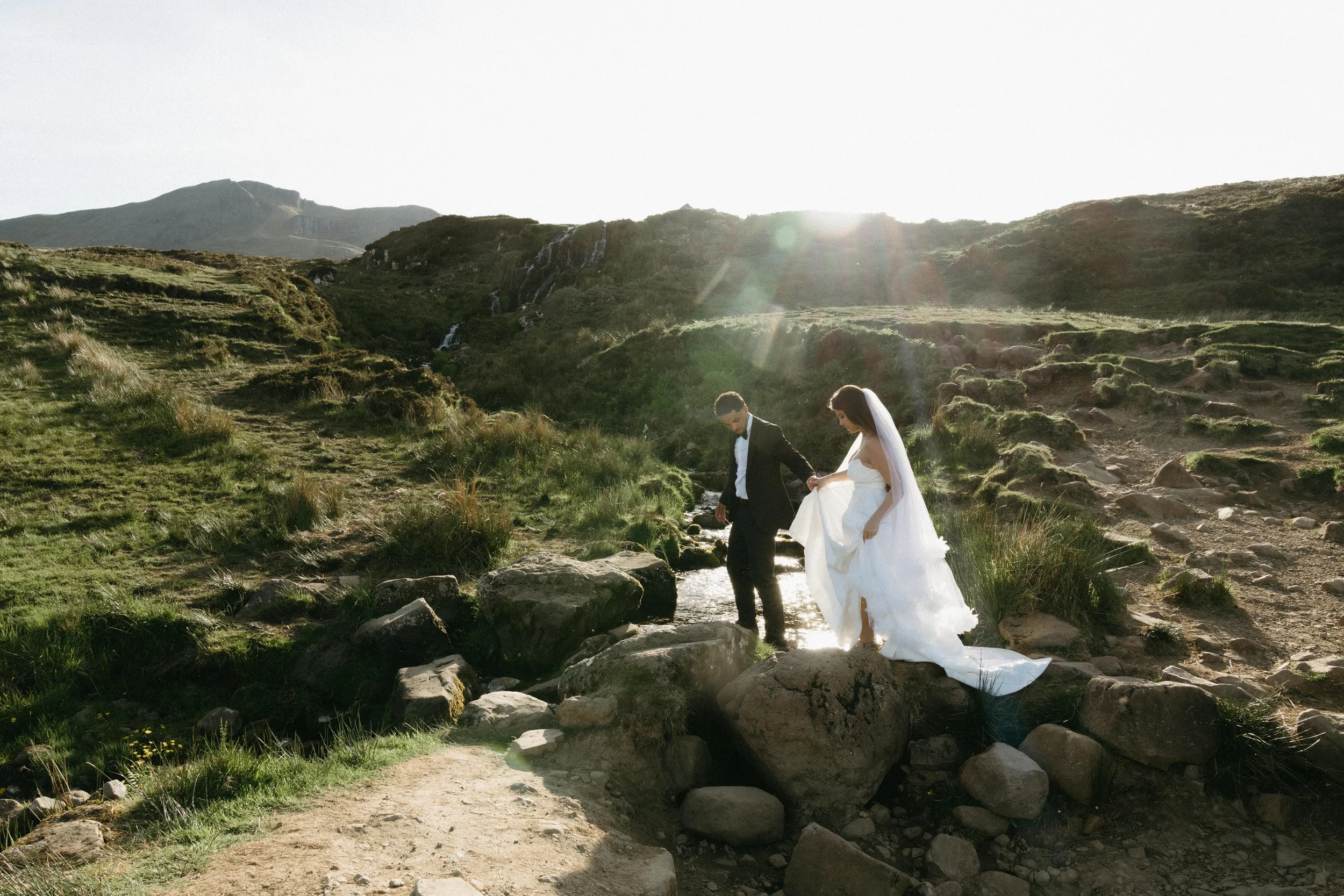
5. Non-Traditional Timelines
Many couples are ditching the traditional format altogether. Instead, they’re building timelines that suit their personalities and values — and often create more space for ease and presence.
Examples of timeline changes:
Morning or brunch weddings with afternoon garden parties
Portraits before the ceremony so couples can spend cocktail hour with guests
Split-day celebrations (e.g. a private ceremony in the morning, followed by a relaxed dinner reception in the evening)
These flexible timelines allow couples to be more present — without feeling rushed or bound by expectations.
6. Smaller Weddings, Larger Meaning
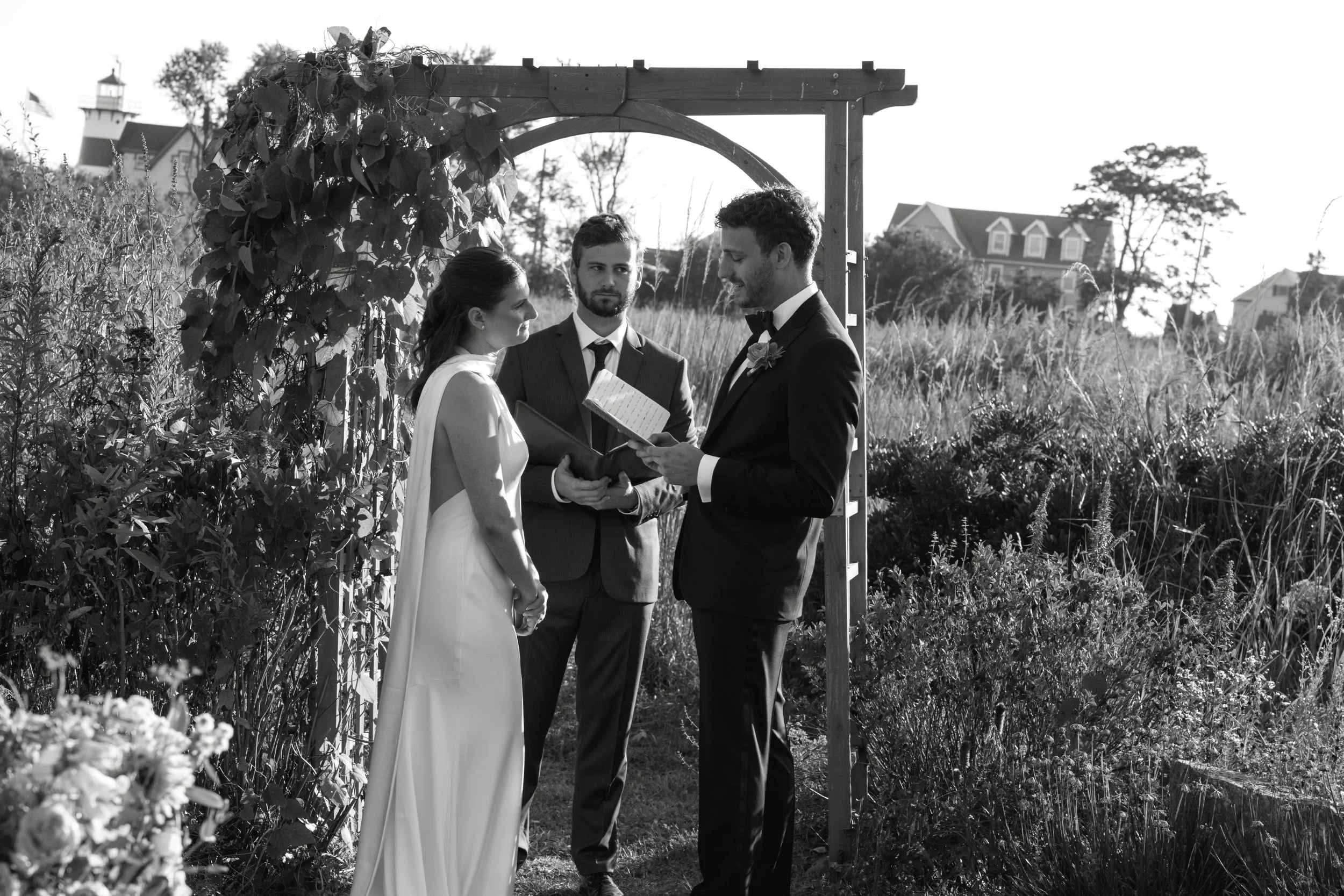
While large weddings are still happening, there’s continued momentum around micro-weddings and elopements — particularly those hosted in beautiful natural locations.
Couples are choosing:
Intimate gatherings with 10–40 guests
Personalised ceremonies with meaningful rituals or spoken words
Scenic destinations like coastal Maine, the Scottish Highlands, or the Berkshires
Smaller weddings often allow for deeper conversations, more flexible planning, and a quieter kind of beauty.
How to Plan a Wedding That Still Feels Like You


Trends can offer inspiration, but they’re not a checklist. If you’re planning your 2026 wedding, the goal isn’t to follow every new idea — it’s to create a celebration that feels meaningful, balanced, and true to who you are.
Here’s how to approach the planning process with clarity and intention:
Start With Your Values
Before you dive into aesthetics or logistics, talk together about what actually matters to you. Ask:
What kind of energy or atmosphere do we want to create?
How do we want to feel on the day?
What do we want our guests to take away from the experience?
When you begin with your values, it’s easier to filter decisions — from venue and timeline to food and photography — through a shared lens.
Choose a Venue That Aligns With Your Style
The right venue can reduce the need for over-styling. Look for locations with built-in character, natural light, and thoughtful flow. Whether you love quiet coastal spaces or modern city lofts, choose a venue that reflects your taste — not one you’ll have to redesign from scratch.
For example:
In New England, historic inns and estate gardens offer elegant charm without heavy décor.
In Upstate New York, converted barns and boutique properties often provide warmth and texture that don’t need dressing up.
In Scotland, moody landscapes and centuries-old architecture create an atmosphere that speaks for itself.
Work With Vendors Who Understand Your Vision
Trends come and go — but the right creative team will help you stay rooted in what matters. Choose vendors (especially your photographer, planner, and florist) who are aligned not just with your aesthetic, but with your approach. Look for:
Clear communication
A collaborative process
A focus on storytelling, not just surface style
When your team understands your vision, they’ll help you refine it — not overwrite it.
Avoid Over-Planning the Visuals
It’s easy to get lost in inspiration. Instead of trying to recreate what you’ve seen online, think about how you live, celebrate, and connect. A wedding that feels like you might include:
Your favourite food and music (not just what’s trendy)
A ceremony that feels intimate, even with 100 guests
Clothing that feels comfortable and expressive
A timeline that leaves room to breathe
Simplicity isn’t the absence of style — it’s the result of choosing only what’s meaningful.
Wedding Planning in 2026: What Should You Book First?
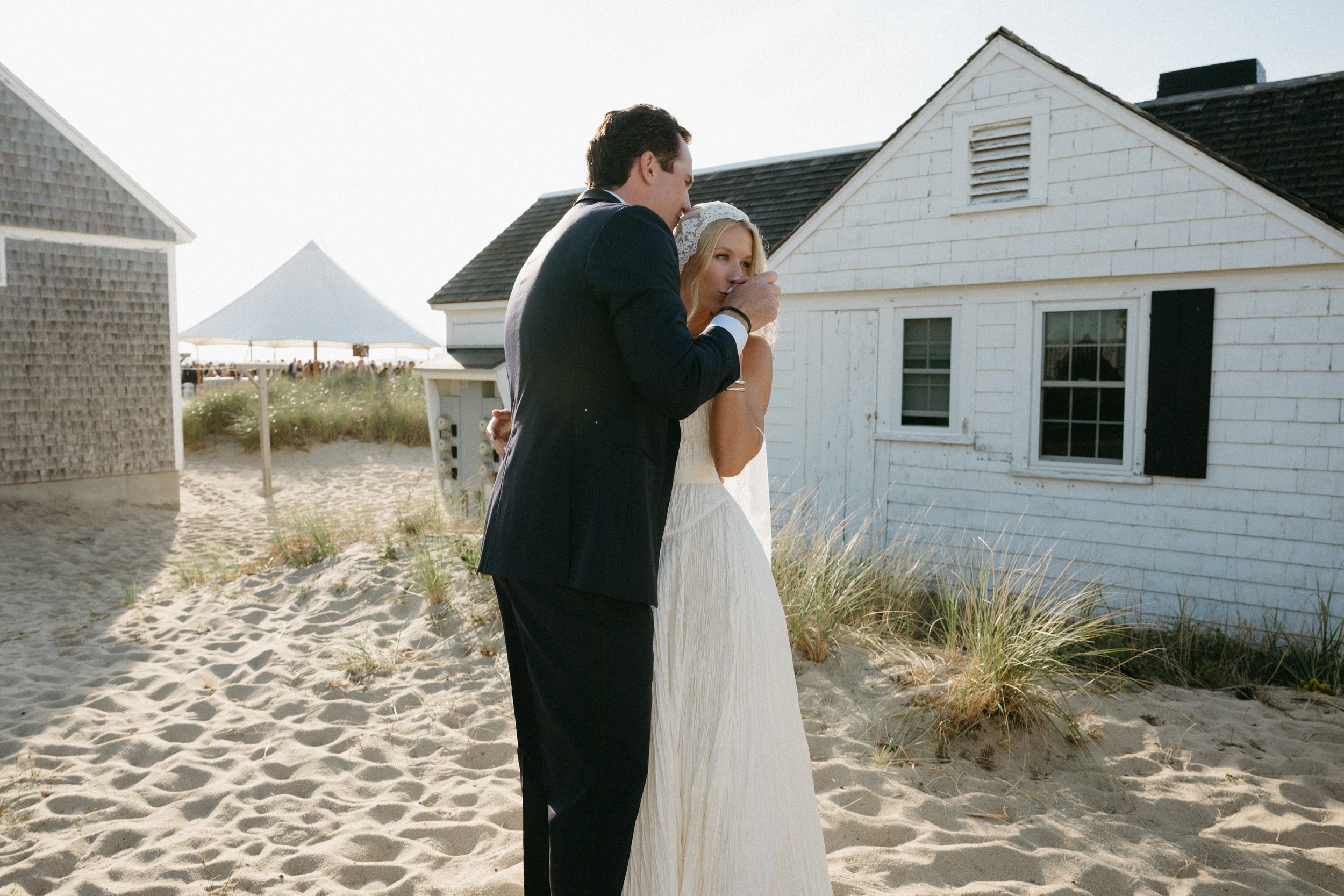
With many couples planning extended celebrations or destination weddings, it’s important to prioritise bookings based on availability and creative alignment.
Here’s where to start:
1. Venue
Most venues book 12–18 months out, especially for popular weekends or in-demand locations like coastal New England or the Hudson Valley. Booking your venue sets your date — and shapes every decision that follows.
2. Photographer
Once your venue is confirmed, your next step should be photography. Many sought-after wedding photographers limit their bookings to maintain quality, so it’s wise to reach out early if there’s someone you love.
3. Planner or Coordinator
If you’re working with a full-service planner, they may help you secure a venue. Otherwise, consider hiring a coordinator at least 6–9 months before your wedding to assist with logistics and timeline support.
After that, you can move on to florists, catering, music, and rentals — layering each decision as you refine your vision.
FAQ: 2026 Wedding Trends & Planning Advice
Are wedding trends in 2026 more formal or more relaxed?
There’s a balance emerging — many weddings are visually elevated but emotionally relaxed. Think: elegant attire paired with a laid-back dinner party atmosphere.
Is film photography worth the extra investment?
If you value artistry and timeless imagery, yes. Film adds a unique softness and depth that many couples love. However, a skilled digital photographer with a refined editing style can offer a similar aesthetic at a different price point.
How many guests is considered a “small wedding” now?
Anything under 50 guests is typically considered a small wedding. Micro-weddings often include 10–30 guests, while elopements may involve just the couple or a few close witnesses.
What’s the biggest mistake couples make when following trends?
Losing sight of their own style. Trends should offer inspiration — not pressure. Choose what resonates and leave the rest.
Do weekday weddings still feel special?
Absolutely. Especially in destination settings, weekday weddings can be more relaxed, easier to book, and just as meaningful — particularly if you’re hosting a multi-day event.
Final Thoughts
Weddings in 2026 are shifting in a beautiful direction: less about performance, more about presence. Whether you’re drawn to maximalist design, editorial photography, or intimate weekends with family and friends, the strongest trend of all is staying true to yourself.
Let inspiration guide you, but let your story lead the way.
If you want to hear more, feel free to reach out to me here: Connect About 2026 Wedding Photography