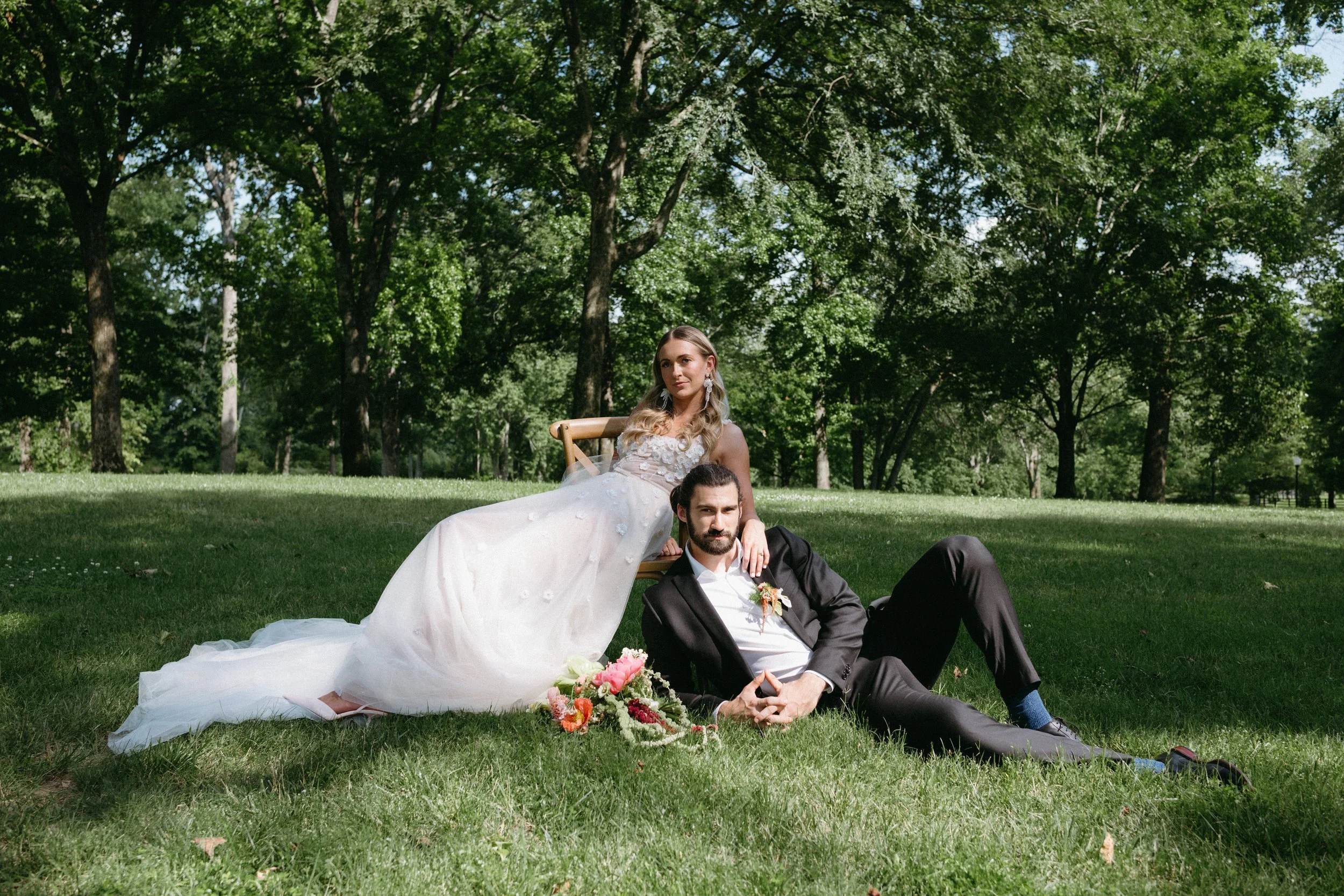
Indoor vs. Outdoor Weddings in New England: What Couples Should Know Before Deciding
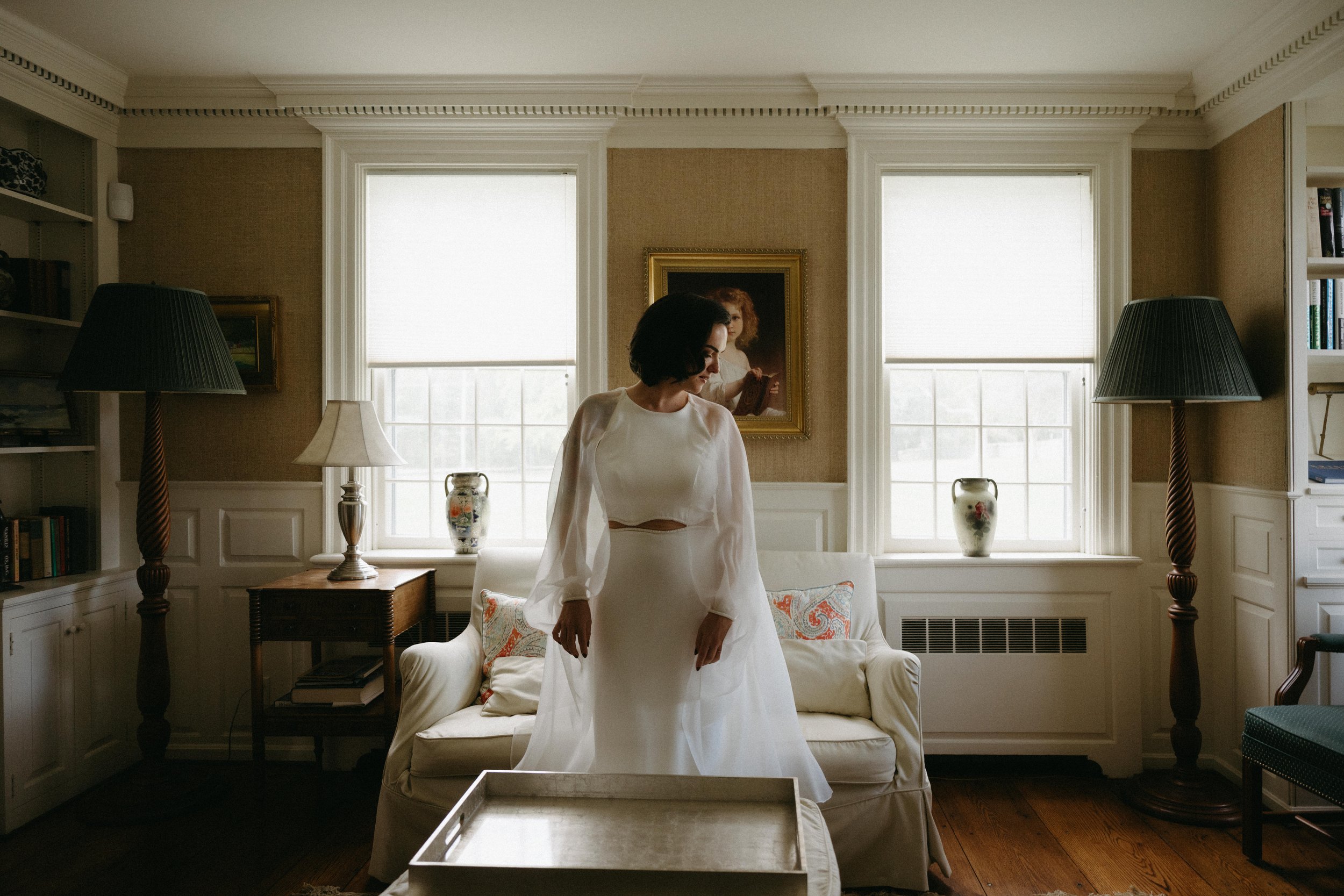
Few decisions shape a New England wedding more quietly — or more completely — than whether it takes place indoors or outdoors. It’s often framed as a simple preference: gardens or ballroom, coastline or estate. In reality, the choice affects light, pacing, guest comfort, logistics, and how the day ultimately feels to move through.
This article is an honest breakdown of what indoor and outdoor weddings in New England actually offer, beyond the initial aesthetic. It’s written from the perspective of someone who has watched both work beautifully — and fall apart — depending on how thoughtfully the decision was made. The aim isn’t to steer you one way or the other, but to help you decide with clarity rather than assumption.
In this region especially, context matters.
Why this decision matters more in New England than most places
New England is not a neutral backdrop.
Seasons are pronounced. Weather is changeable. Light behaves differently along the coast than it does inland or in cities. Venues often come with historic constraints and firm boundaries. An indoor or outdoor choice here isn’t just about preference — it’s about adaptability.
Couples who feel most at ease on their wedding day are usually the ones who understood, early on, what their setting would ask of them.
Outdoor weddings in New England: beauty with conditions
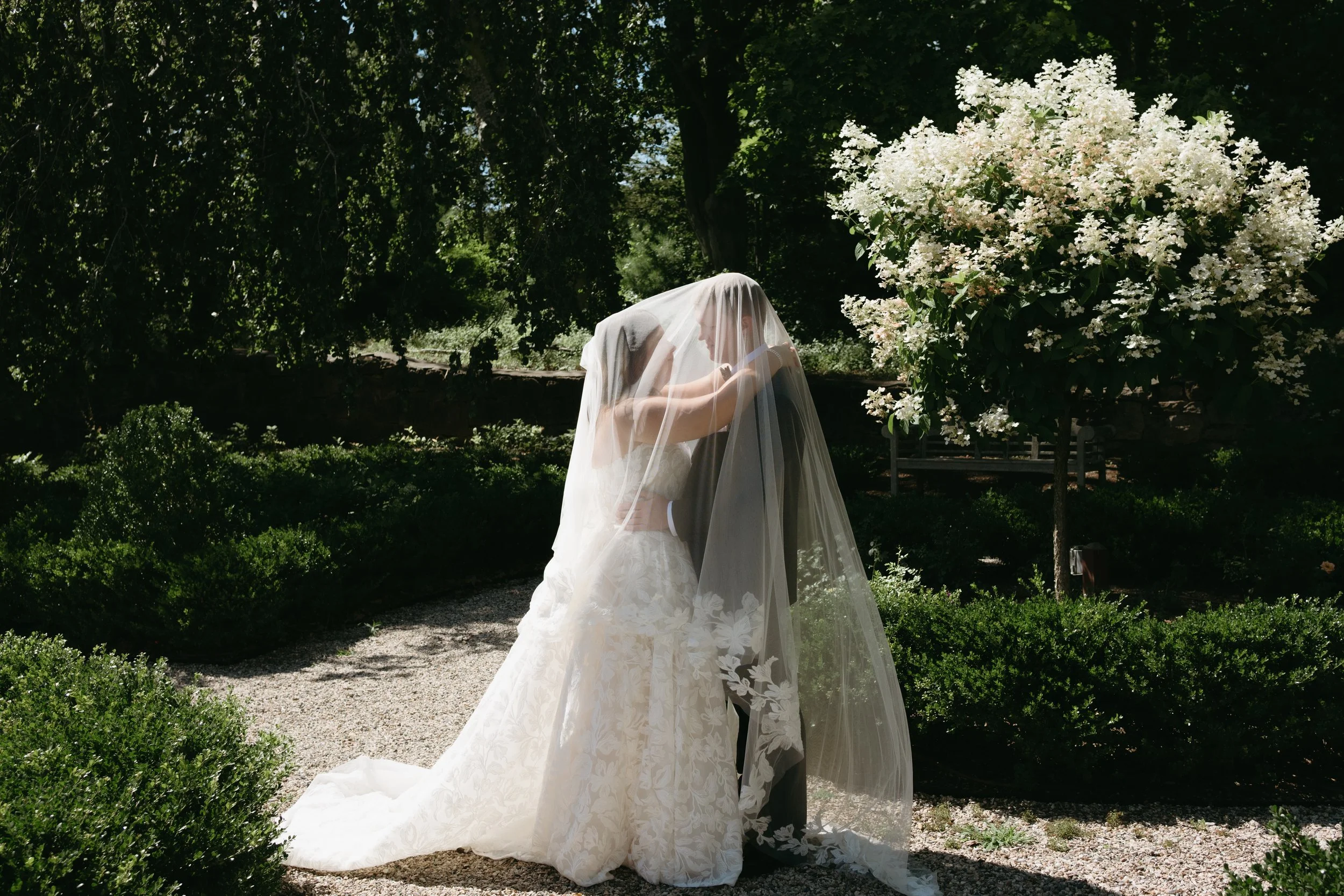
Outdoor weddings are often the first instinct. New England landscapes — Cape Cod beaches, Rhode Island lawns, Connecticut countryside — are undeniably compelling.
But outdoor weddings come with trade-offs that are worth understanding clearly.
What outdoor weddings do exceptionally well
When conditions align, outdoor weddings can feel expansive and effortless.
They offer:
Natural light that’s often flattering and dynamic
A sense of openness that encourages movement and interaction
A strong connection to place, particularly in coastal settings
Photographically, outdoor ceremonies often feel fluid. Moments unfold without walls, and guests tend to spread out and engage more freely.
The realities couples often underestimate
The challenge with outdoor weddings isn’t that something will go wrong — it’s that everything is conditional.
In New England, outdoor weddings depend on:
Weather stability
Temperature comfort
Wind levels
Ground conditions
Even in summer, coastal fog, sudden storms, or strong sun can change the experience quickly. In spring and autumn, the margin for error narrows further.
Outdoor weddings work best when couples are genuinely comfortable with variability — not just tolerant of it.
The importance of a truly workable rain plan
A common mistake is treating the rain plan as a formality.
In practice, the quality of the backup space often determines whether an outdoor wedding feels calm or chaotic when conditions change. A rain plan that feels like a compromise will likely feel like one on the day.
Strong outdoor weddings in New England share one thing: indoor alternatives that are equally considered.
Indoor weddings in New England: control, consistency, and atmosphere
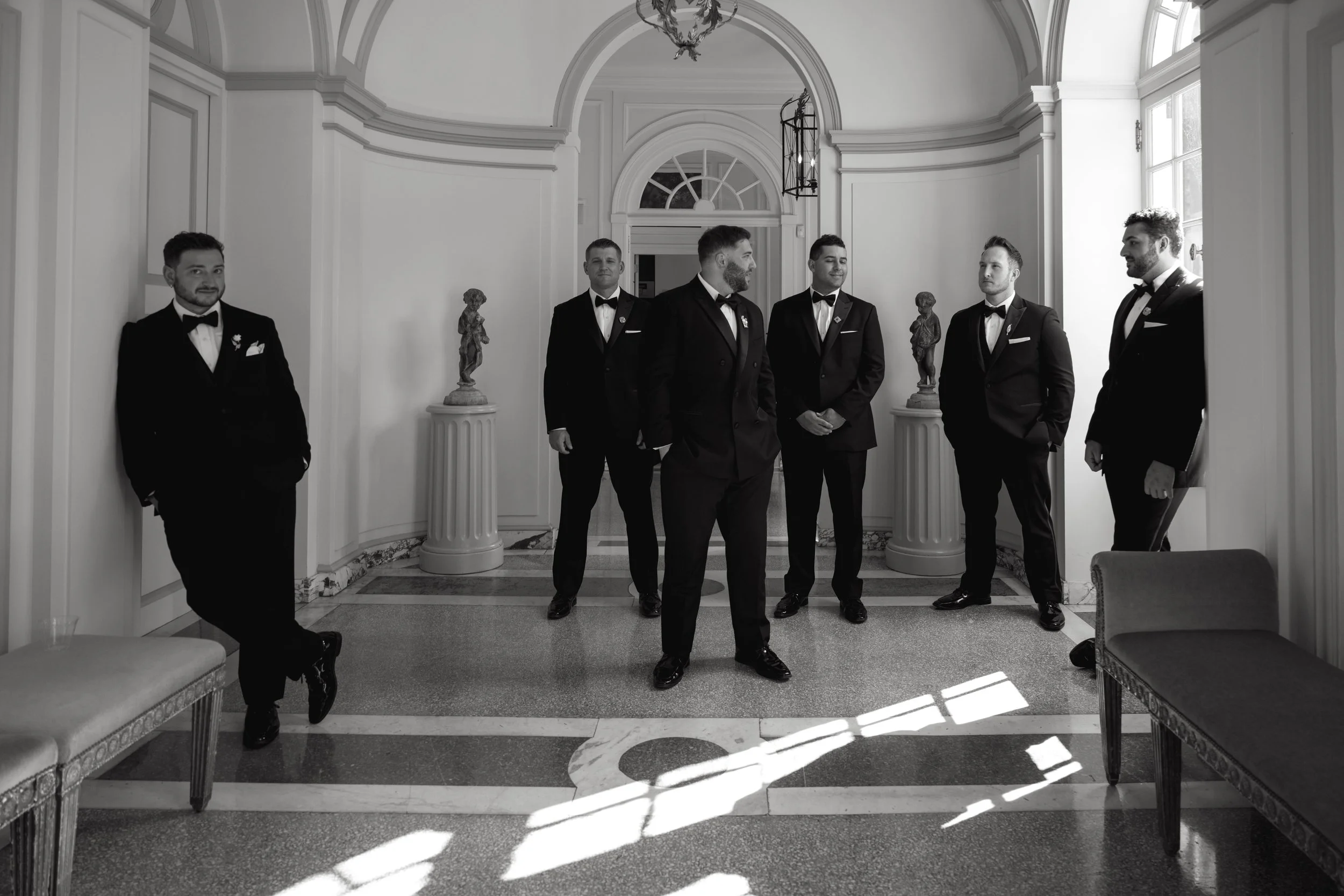
Indoor weddings are sometimes framed as a fallback rather than a choice. In reality, they offer advantages that are particularly valuable in this region.
What indoor weddings do exceptionally well
Indoor weddings offer consistency.
They provide:
Predictable conditions
Controlled lighting environments
Greater flexibility in timing
Protection from temperature extremes
From a guest experience perspective, indoor weddings often feel more comfortable — especially for multi-generational gatherings.
Photographically, strong indoor spaces allow for continuity regardless of weather or season.
Where indoor weddings can feel limiting
The limitation of indoor weddings isn’t lack of beauty — it’s reliance on the quality of the space.
Indoor venues photograph best when they offer:
Natural light through windows
Neutral or intentional wall colours
Ceiling height that doesn’t compress the room
Spaces without these qualities can feel visually heavy, especially during daytime ceremonies.
Indoor weddings benefit greatly from venues designed with light in mind.
How season should influence your decision
Season is often the deciding factor — and rightly so.
Spring weddings
Spring in New England is unpredictable.
Outdoor weddings can work beautifully in late spring, but early spring often brings:
Cold temperatures
Muddy ground
Inconsistent light
Indoor or hybrid options tend to provide more ease during this season.
Summer weddings
Summer offers the most flexibility for outdoor celebrations, particularly on Cape Cod or along the Rhode Island coast.
That said, heat, humidity, and strong midday sun can be challenging. Outdoor ceremonies often benefit from later start times or shaded locations.
Indoor receptions in summer can provide welcome relief.
Autumn weddings
Autumn is visually striking but logistically tight.
Light fades quickly. Temperatures drop earlier in the evening. Outdoor ceremonies often need to happen earlier than couples expect.
Indoor spaces with good natural light become especially valuable in this season.
Winter weddings
Winter strongly favours indoor settings.
Outdoor weddings in winter can be beautiful in theory, but in practice they require a high tolerance for discomfort. Indoor weddings allow winter light, texture, and atmosphere to shine without asking guests to endure the elements.
How indoor vs. outdoor settings affect photography
From a photographic perspective, neither option is inherently better — but they behave very differently.
Outdoor photography relies on:
Available light
Environmental conditions
Space and movement
Indoor photography relies on:
Window placement
Interior design
Artificial lighting integration
In New England, where light shifts quickly, indoor spaces that photograph well can often outperform outdoor ones under challenging conditions.
Guest comfort is not secondary — it’s central
Couples often focus on how the ceremony looks. Guests experience how it feels.
Outdoor weddings ask guests to tolerate:
Heat or cold
Wind
Sun exposure
Uneven ground
Indoor weddings ask guests to navigate:
Room layout
Acoustics
Temperature control
Neither is inherently superior, but guest comfort directly affects atmosphere. Comfortable guests linger. They interact. They relax. Photographs reflect that.
Hybrid weddings: often the most balanced option
Many of the most successful New England weddings are hybrid.
Common combinations include:
Outdoor ceremony, indoor reception
Indoor ceremony, outdoor cocktail hour
Outdoor elements with immediate indoor access
Hybrid weddings allow couples to enjoy the best of both worlds while limiting risk. They also offer natural transitions that support pacing.
The emotional difference between indoor and outdoor settings
Beyond logistics, there’s an emotional distinction.
Outdoor weddings often feel expansive and informal. Indoor weddings often feel contained and intimate. Neither is better — but they suit different temperaments.
Ask yourselves:
Do we feel calmer in open spaces or enclosed ones?
Do we want energy to disperse or concentrate?
Do we want the environment to lead, or to recede?
Your answers matter more than tradition.
Common misconceptions about indoor vs. outdoor weddings
A few assumptions come up repeatedly:
That outdoor weddings are always more relaxed
That indoor weddings are always more formal
That photos will automatically be better outdoors
In reality, outcomes depend far more on planning quality and venue choice than on setting alone.
How to decide with confidence
Rather than asking which option is more popular or impressive, consider:
How flexible are we, really, with weather?
How important is guest comfort to us?
Which environments help us feel most present?
Do we have an indoor option we genuinely like?
Honest answers tend to make the decision clearer.
Frequently Asked Questions
Are outdoor weddings riskier in New England?
They involve more variables, but strong planning and backup options reduce risk significantly.
Do indoor weddings photograph well?
Yes — especially when venues have good natural light and thoughtful interiors.
Is a tented wedding considered indoor or outdoor?
Functionally, it’s a hybrid. Its success depends on structure, flooring, lighting, and weather preparedness.
Can we plan an outdoor wedding without a rain plan?
It’s not advisable in this region. Even optimistic forecasts can change quickly.
Which option do photographers usually prefer?
Most experienced photographers adapt well to both. What matters is preparation and realistic expectations.
A final thought
Choosing between an indoor and outdoor wedding in New England isn’t about chasing an ideal scenario. It’s about understanding what each option asks of you — and deciding what you’re genuinely comfortable with.
When couples choose settings that support their temperament, priorities, and tolerance for unpredictability, the day tends to feel calmer. And when the day feels calmer, everything else — photographs included — tends to fall into place.
If you’d like to explore this further, you can contact me here to chat through any question you may have.