
How Much Wedding Photography Coverage Do You Really Need?
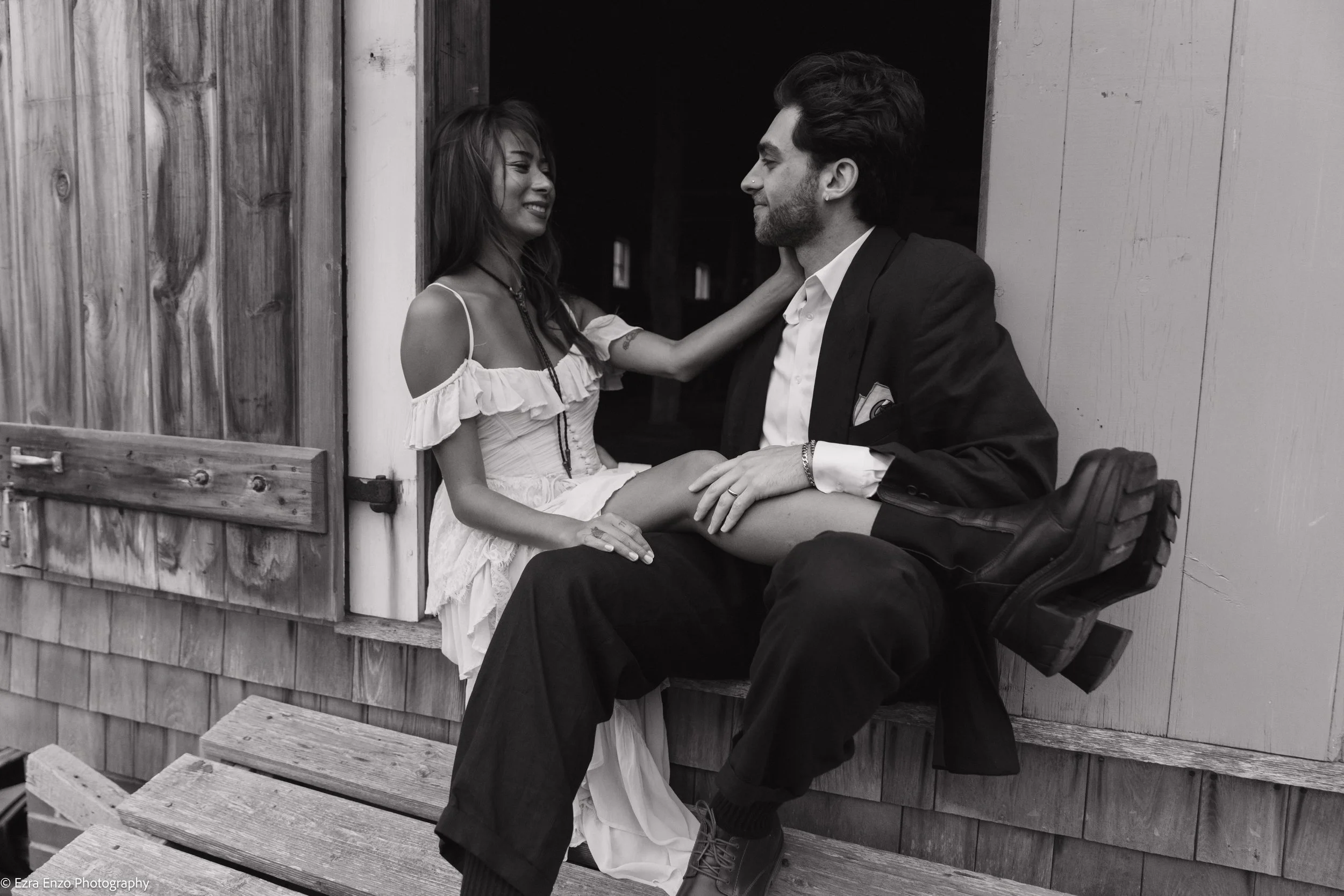
This is one of the most common questions couples ask — and one of the most misunderstood. On the surface, it’s about hours. In reality, it’s about pressure, pacing, and how much space you want to give your wedding day to unfold naturally.
I want to be clear from the outset: in my experience, most weddings benefit from more coverage than couples initially think they need. Not because more hours equal more photos, but because time is what allows calm to exist. When photography is squeezed into a fixed eight-hour window, the day often starts to revolve around the clock rather than the experience.
This article looks at wedding photography coverage from a practical, experience-led perspective — and why extending coverage to 12–14 hours often creates a quieter, steadier, and ultimately more meaningful wedding day.
Coverage is about pace, not productivity
The biggest misconception I see is couples treating coverage like a productivity question: How many hours does it take to photograph a wedding?
Weddings don’t work like tasks. They work like emotional arcs.
Photography coverage shapes:
How rushed or unhurried moments feel
Whether transitions are calm or compressed
How much mental space couples have to stay present
Shorter coverage doesn’t just limit what’s photographed — it often changes how the day is experienced. Longer coverage, when used well, removes the need to rush from one thing to the next.
Why 8 hours often creates more pressure than couples expect
Eight hours has become a default option in the wedding industry, not because it suits most weddings, but because it’s easy to package.
In practice, eight hours often means:
Getting ready starts late or feels hurried
Portraits are tightly scheduled
There’s little buffer for delays, weather, or emotion
I’ve seen couples try to compress:
Preparations
First looks
Family portraits
Couple portraits
Ceremony
Cocktail hour
Reception highlights
into a rigid window — and feel like they’re constantly catching up.
The irony is that many couples choose shorter coverage to feel less “managed,” only to end up feeling more controlled by time.
Longer coverage creates breathing room — not filler
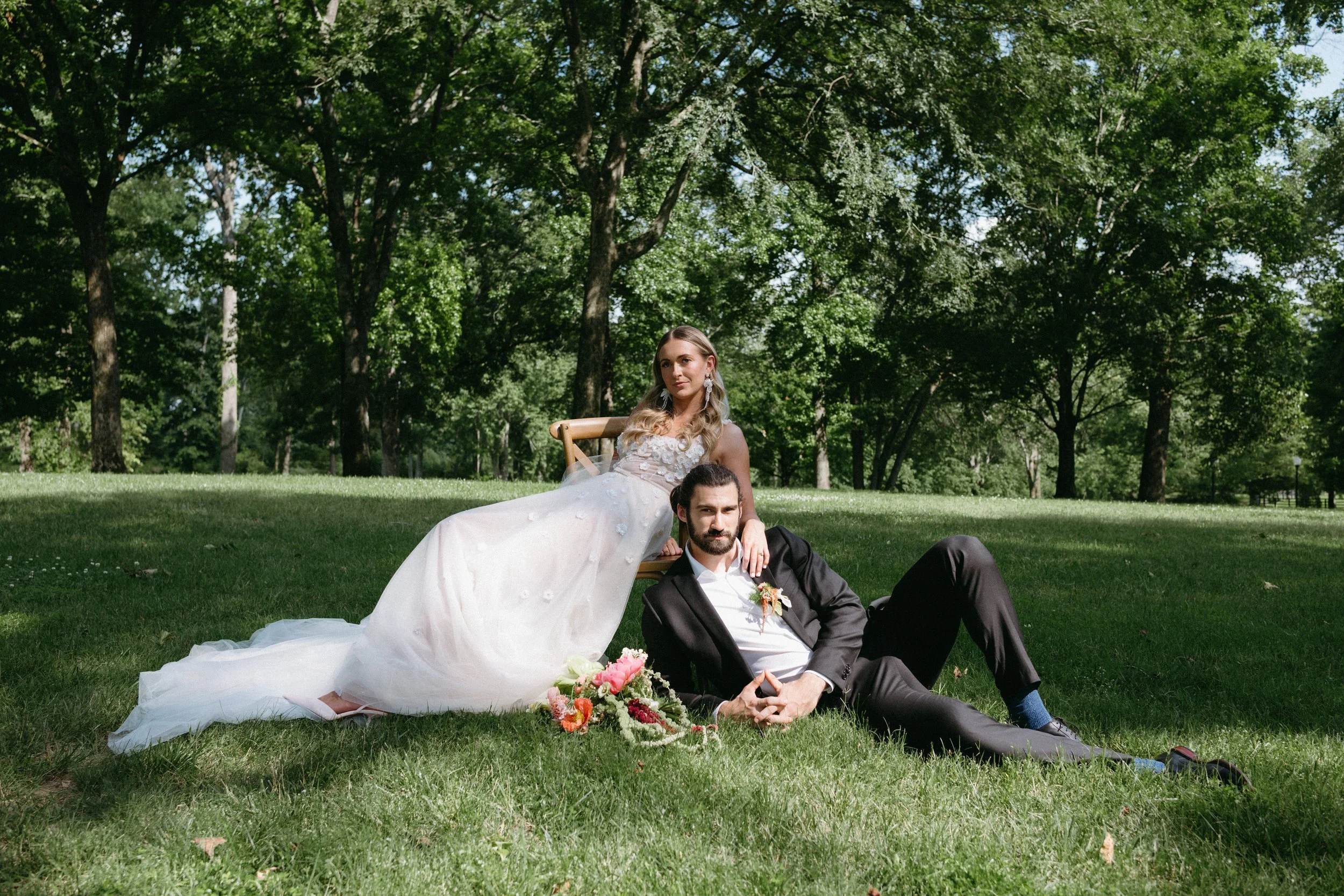
One of the biggest fears around 12–14 hours of coverage is that it will feel excessive or intrusive.
In reality, longer coverage usually means the opposite.
When time isn’t tight:
Moments don’t need to be staged
Portraits don’t need to be rushed
Small delays don’t create stress
The photographer doesn’t need to push the day forward. They can wait, observe, and respond — which is often when the most meaningful moments happen.
Time allows photography to adapt to the day instead of shaping it.
What 12–14 hours of coverage actually supports
Extended coverage isn’t about photographing everything. It’s about supporting the full rhythm of the day.
Longer coverage allows space for:
A calm, unhurried morning
Natural interactions during preparations
Portraits without pressure
Smooth transitions between locations
The emotional arc of the reception
Rather than asking, What can we fit into our coverage? the question becomes, What do we no longer need to rush?
That shift changes everything.
The morning sets the tone — and it’s often rushed first
When coverage is short, the morning is usually the first thing to be cut back.
That’s a loss couples often don’t anticipate.
The morning is where:
Nerves surface quietly
Family dynamics are most visible
The emotional contrast to the ceremony begins
With longer coverage, the morning doesn’t need to perform. It can simply exist.
I’ve seen the calm of a well-paced morning ripple through the entire day. When couples aren’t rushed early on, everything that follows tends to feel steadier.
Portraits feel better when they’re not fighting the clock

Portrait time is one of the areas where extended coverage makes the most noticeable difference.
When time is limited:
Couples feel self-conscious more quickly
Direction becomes more rigid
Portraits feel like an obligation rather than a pause
With longer coverage:
Portraits can be broken into shorter segments
Light can be waited for rather than forced
Couples can settle into the experience
I’ve found that the best portraits rarely happen when couples are watching the clock. They happen once pressure has eased.
Longer coverage reduces the need for “hard decisions”
Short coverage forces couples to make difficult trade-offs:
Do we prioritise guests or portraits?
Do we leave the reception early or skip getting ready photos?
Do we rush this moment or miss the next one?
Extended coverage removes many of these choices.
Rather than deciding what to sacrifice, couples can allow the day to breathe — knowing there’s time for things to unfold as they will.
This often results in a more relaxed experience, even for couples who didn’t realise they were carrying tension.
Location and logistics quietly demand more time
Across New England and New York, logistics often take longer than expected.
Consider:
Coastal weather shifts in Rhode Island or Cape Cod
Early sunsets in autumn
Travel between hotel, ceremony, and reception
Historic venues with access restrictions
When coverage is tight, these variables create stress. When coverage is extended, they’re absorbed calmly.
Time acts as a buffer — not just for photography, but for the day as a whole.
The reception has an emotional arc worth documenting
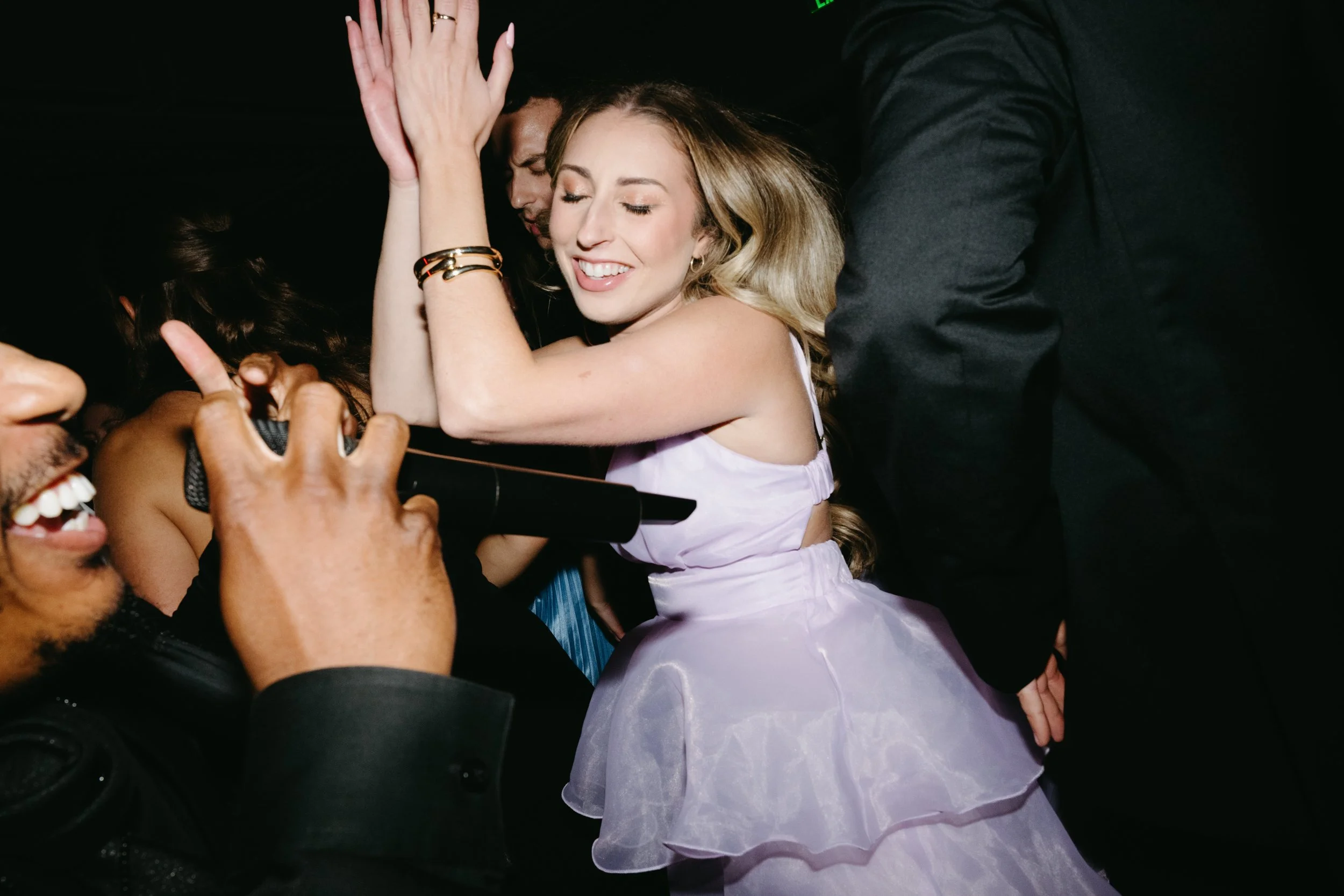
Many couples plan coverage to end shortly after first dances or speeches.
That makes sense logistically, but it often misses the emotional shift that happens later.
The reception evolves:
Formality softens
People relax
Interactions become more natural
With longer coverage, the story doesn’t stop at the structured moments. It continues into the quieter, more honest parts of the evening.
Those moments are rarely planned — which is exactly why they benefit from time.
Longer coverage doesn’t mean constant photographing
This is an important distinction.
Extended coverage doesn’t mean a camera in your face for 14 hours straight.
It means:
Fewer interruptions
Less urgency
More observation
The photographer can step back when nothing needs documenting, knowing there’s time ahead.
Ironically, longer coverage often feels less intrusive because there’s no pressure to extract moments quickly.
What couples tend to regret — and what they don’t
From what I’ve seen, couples rarely regret having too much time.
They do, however, regret:
Feeling rushed
Cutting meaningful moments short
Watching the clock during emotional parts of the day
Very few couples say, “I wish we’d had less time.”
Many say, “I didn’t realise how much calmer the day would feel if we weren’t trying to fit everything in.”
Why 12–14 hours often supports a better experience
Extended coverage allows:
Natural pacing
Emotional transitions
Flexibility when plans shift
It supports documentary-style storytelling without forcing it. Moments happen because they’re allowed to, not because they’re scheduled.
In my experience, longer coverage doesn’t change the look of a wedding as much as it changes the feel of it — and that difference shows up in the photographs.
How to think about coverage if you’re unsure
Instead of asking how many hours you need, ask:
Where would rushing change how this feels?
What moments would we want space around?
Where would we rather wait than push forward?
If the idea of watching the clock feels uncomfortable, that’s often a sign that longer coverage would serve you well.
Common myths about extended coverage
A few assumptions often come up.
“We’ll get tired of being photographed.” Usually, people tire of being rushed, not observed.
“We don’t need that many photos.” Extended coverage is about pacing, not volume.
“Longer coverage is indulgent.” Calm is not indulgent. It’s supportive.
Time is one of the few things that genuinely improves the wedding day experience.
Frequently Asked Questions
Is 12–14 hours of coverage too much for a wedding?
For many weddings, it’s exactly what allows the day to unfold naturally. It’s rarely about using every hour, and more about having flexibility.
Will longer coverage make the day feel overwhelming?
In most cases, the opposite. Longer coverage reduces pressure and interruptions.
Does extended coverage mean more posed photos?
No. It usually means fewer posed moments and more natural ones, because nothing needs to be rushed.
Is longer coverage only for large weddings?
Not at all. Intimate weddings often benefit even more, as moments are easily disrupted by time pressure.
Is extended coverage worth the investment?
If you value a calm, unhurried experience and photographs that reflect how the day actually felt, many couples find it well worth it.
A closing thought
Wedding photography coverage isn’t about how much time you can afford. It’s about how much time you want to give yourselves.
When the day isn’t racing the clock, everything softens — conversations linger, moments deepen, and photography becomes an observer rather than a driver.
If you’d like to explore this further, you can get in touch to talk through what longer, unhurried coverage could look like for your day.