
How Location Shapes Wedding Photography Across New England and New York

Couples often think about location in terms of scenery. Coast or countryside. City or estate. What tends to be less obvious is how deeply location shapes the experience of wedding photography — not just how the images look, but how the day unfolds and how it feels to move through it.
This article explores how wedding photography is influenced by location across New England and New York. Not in a romanticised sense, but in practical, experience-based ways: light, pacing, logistics, energy, and expectations.
Understanding this matters because photography doesn’t happen in isolation. It responds to place. And when couples understand how location shapes the process, they tend to make decisions that feel calmer and more intentional.
Location influences far more than the backdrop
It’s easy to assume that a talented photographer can make any location look good. That’s largely true.
What’s less often considered is how location affects:
Timing and light
Movement and transitions
The level of direction required
The emotional tone of the day
In my experience, location quietly sets the rules. Photography adapts to those rules, whether couples realise it or not.
New England weddings are shaped by light and seasonality
One of the defining characteristics of New England is its strong sense of season.
Light changes dramatically between May and October. Sunsets arrive early in autumn. Coastal weather can shift quickly. Overcast days are common, even in summer.
This has a direct impact on photography:
Portrait timing often needs to be precise
Flexibility matters more than rigid schedules
Photographers must be comfortable working in mixed or flat light
I’ve noticed that couples new to the region often underestimate how much the environment dictates pacing. Those familiar with New England tend to plan with more margin.
Cape Cod weddings prioritise flow over spectacle
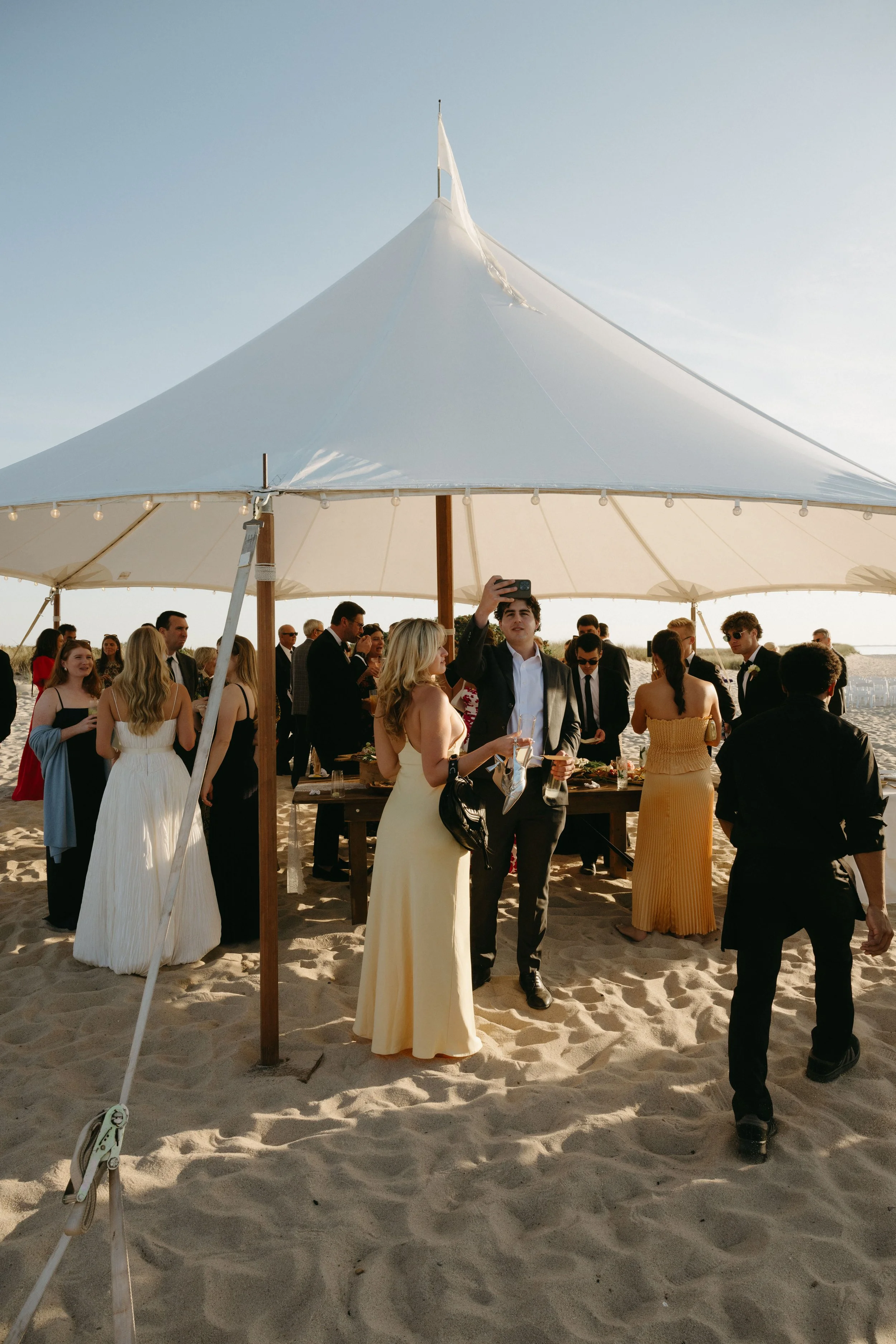
Cape Cod weddings often feel deceptively relaxed. The setting suggests ease, but the logistics can be complex.
Common factors include:
Limited travel routes
Wind exposure
Strict venue timing
Narrow windows of favourable light
Photography here benefits from restraint. Overly staged or rigid approaches rarely work well.
In my experience, the strongest Cape Cod wedding galleries come from photographers who prioritise flow — allowing moments to unfold rather than forcing structure onto the environment.
Rhode Island’s coastal venues reward preparation

Rhode Island offers density and variety: historic mansions, working harbours, residential streets, and open coastline — often within minutes of each other.
This creates opportunity, but also pressure.
Photographers working well here usually:
Scout or research locations carefully
Plan for wind and directional light
Anticipate access limitations
Weddings in Newport, Bristol, and along the Rhode Island coast often require quick decisions and quiet adaptability. Preparation is what makes that possible.
Connecticut estates create a different photographic rhythm
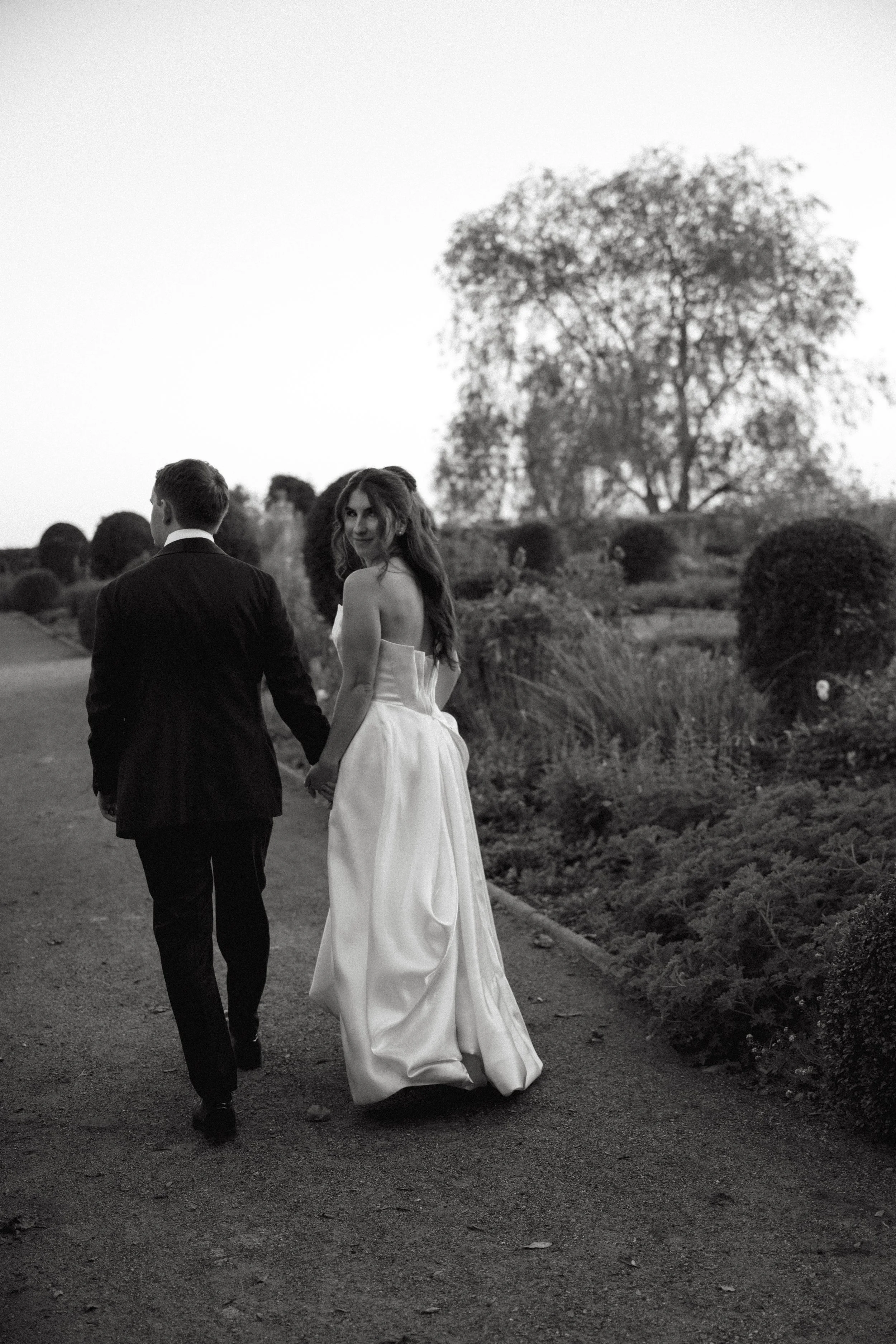
Many Connecticut weddings take place on private estates or historic properties.
These locations tend to offer:
Consistent light
Controlled environments
Slower pacing
Photography here often becomes more deliberate. There’s space for layered compositions, longer portrait windows, and a stronger emphasis on environment.
What I’ve noticed is that photographers who work well in Connecticut are often comfortable holding space — allowing moments to breathe rather than rushing to the next frame.
New York weddings are shaped by energy and compression
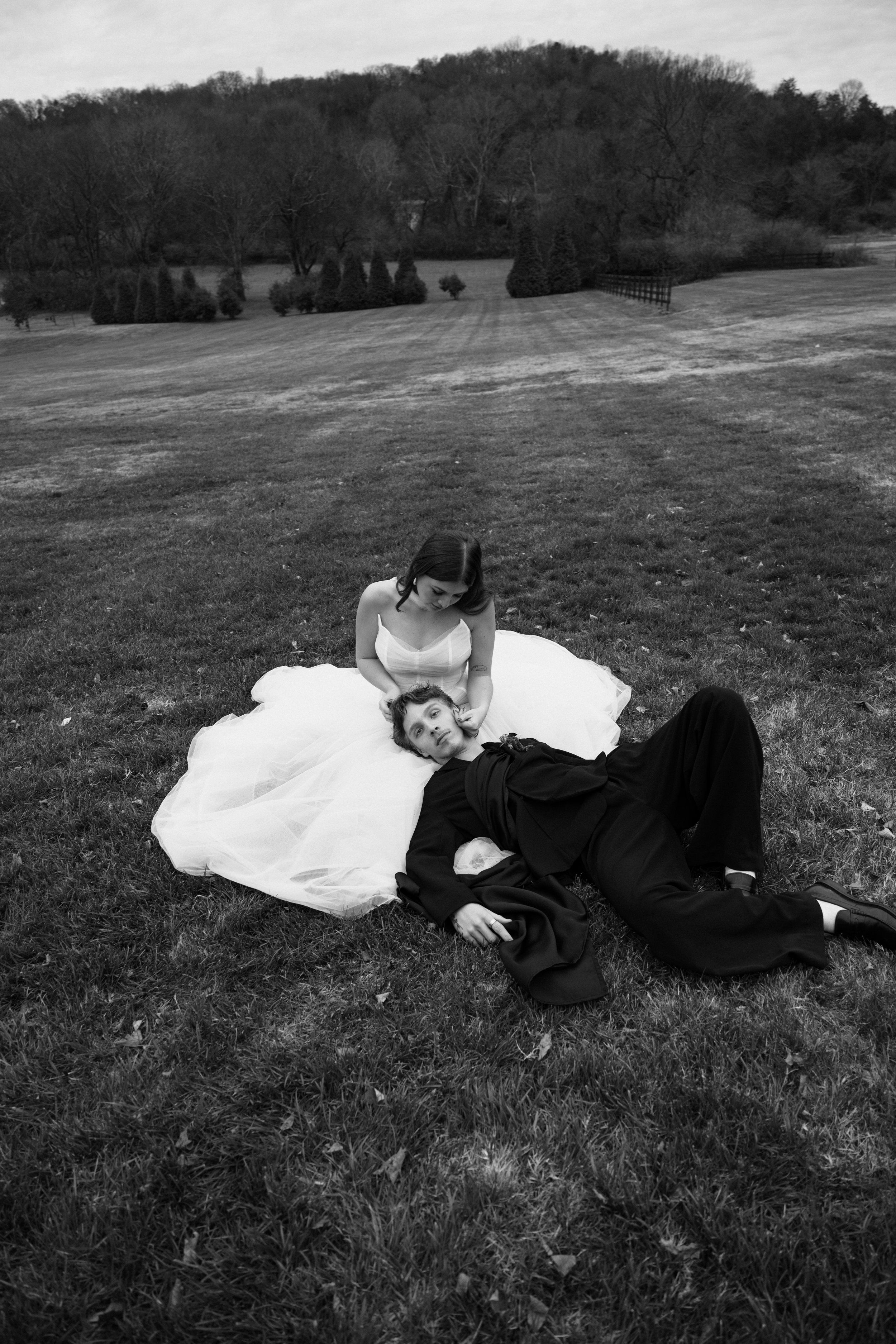
New York brings a different set of variables entirely.
Whether in the city or surrounding areas, weddings here often involve:
Tighter timelines
Faster transitions
Higher sensory input
Light can be unpredictable, especially indoors. Space is often limited. The pace is quicker.
Photography in New York tends to be more reactive. Strong photographers here are decisive, efficient, and comfortable working under pressure without adding to it.
The best results come from clarity rather than control.
Urban vs coastal environments require different approaches
One of the biggest misunderstandings I see is the assumption that a photographer’s approach translates seamlessly between environments.
In reality:
Urban weddings often require direction and efficiency
Coastal weddings reward patience and observation
Estate weddings benefit from structure and foresight
None of these are better or worse. They’re simply different.
Couples often feel more comfortable when their photographer’s natural approach aligns with the environment they’ve chosen.
Location affects how much direction couples need
Some locations naturally create moments. Others require more guidance.
For example:
A city street offers constant visual interest but little privacy
A private estate offers privacy but fewer spontaneous interactions
A coastal venue offers movement and light, but less predictability
Photographers adapt their level of direction accordingly.
I’ve noticed that couples who understand this ahead of time tend to feel less surprised by how interactive — or hands-off — photography feels on the day.
Travel between locations shapes the narrative
Weddings that involve multiple locations — common across New England and New York — add complexity.
Travel time affects:
Energy levels
Portrait opportunities
Narrative continuity
A photographer experienced in these regions often builds buffers and anticipates delays.
Without that awareness, photography can feel rushed or fragmented.
Location isn’t just where things happen. It’s how you move between them.
Weather plays a more active role than couples expect
Across the East Coast, weather isn’t a backdrop. It’s a participant.
Fog, wind, rain, humidity, and overcast skies all influence:
Exposure and colour
Comfort and pacing
Emotional tone
In New England especially, experienced photographers rarely panic about weather. They plan for it.
What I’ve seen consistently is that couples who trust that adaptability end up with images that feel honest rather than forced.
Location shapes how galleries feel over time
Beyond the wedding day, location influences how images age.
Certain environments lend themselves to:
Timeless composition
Neutral colour palettes
Balanced contrast
Others are more trend-sensitive or visually dominant.
A thoughtful photographer edits with this in mind, adjusting tone and restraint based on setting.
This is one of the reasons galleries from different regions can feel distinct even when photographed by the same person.
Why regional experience often matters
This isn’t about gatekeeping or exclusivity.
It’s about familiarity.
Photographers who regularly work across New England and New York tend to:
Anticipate environmental shifts
Adjust expectations calmly
Communicate more clearly around logistics
That experience doesn’t guarantee better images, but it often creates a steadier experience — which couples feel immediately.
Common misconceptions about location and photography
There are a few patterns I see repeatedly.
Assuming the venue does most of the work
Believing a strong style overrides environmental challenges
Underestimating how much pacing is location-dependent
Awareness of these helps couples choose photographers whose approach aligns with their setting.
How couples can use location to guide their choice
Rather than asking whether a photographer has shot at a specific venue, I often suggest asking:
Where do you work most often?
How do you adapt to different environments?
What challenges do you anticipate with our location?
The answers tend to reveal far more than a venue name ever could.
Frequently Asked Questions
Does a photographer need to have worked at our exact venue before?
Not necessarily. Familiarity with similar environments matters more than a specific location.
Are coastal weddings harder to photograph than city weddings?
They’re different. Coastal weddings are less predictable; city weddings are more compressed. Each requires a different skill set.
Should our timeline change based on location?
Often, yes. Light, travel, and access can all influence timing.
Do photographers approach editing differently based on region?
Many do. Editing choices are often informed by light, colour, and how images are likely to age.
Is regional experience worth prioritising?
It can be, especially if your location presents logistical or environmental challenges.
A final thought
Location shapes wedding photography in ways that are subtle but significant. It influences how the day moves, how decisions are made, and how moments are preserved.
When couples choose photographers who understand not just how a place looks, but how it behaves, the experience tends to feel calmer and more cohesive.
If you’d like to explore this further, you can get in touch to continue the conversation thoughtfully and without pressure.